

You want the best for your pet bird, right? Feeding your feathered friend the right food is key to keeping them happy and healthy.
But with so many options out there, it can be confusing to know what to give your bird every day. Don’t worry—this guide will help you understand exactly what your pet bird needs to thrive. Keep reading, and you’ll discover simple tips that make feeding time easier and more enjoyable for both you and your bird.

Credit: www.amazon.in
Choosing The Right Bird Food
Choosing the right food for your pet bird is key to its health and happiness. Birds need a balanced diet to stay active and live long. Different bird species have different nutritional needs. Providing the correct food supports their energy, feathers, and immune system.
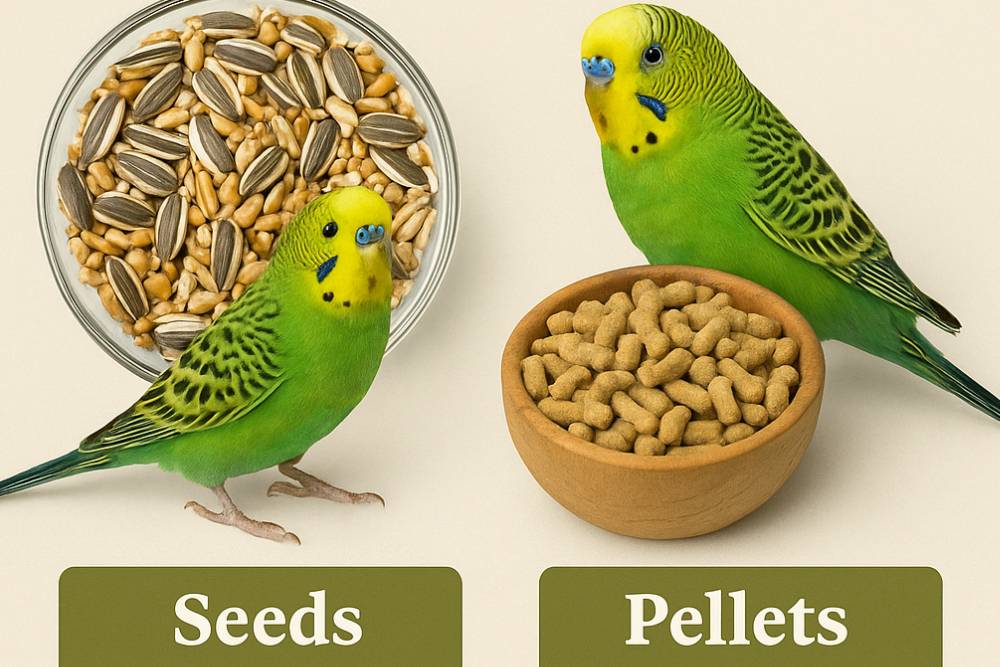
Seeds Vs Pellets
Seeds are a natural choice and many birds love them. They contain fats and some nutrients but lack full balance. Pellets are made to include all vitamins and minerals birds need. They help avoid selective eating and keep diet consistent. A mix of seeds and pellets often works best. Pellets offer complete nutrition, while seeds add variety and taste.
Fresh Fruits And Vegetables
Fresh fruits and vegetables supply essential vitamins and fiber. Offer small pieces of apple, carrot, spinach, or berries. These foods keep birds hydrated and provide antioxidants. Wash produce well to remove pesticides. Avoid citrus fruits for some bird types as they can upset digestion. Rotate different fruits and veggies for a wide nutrient range.
Avoiding Toxic Foods
Some foods can harm birds and must be avoided. Never feed chocolate, avocado, caffeine, or alcohol. Onions and garlic can cause stomach problems. Avoid salty, sugary, or fried human foods. Always research before introducing new foods. Toxic foods can cause serious illness or death. Keep your bird’s diet safe and healthy by sticking to bird-friendly options.
Credit: petsloungeuae.com
Balancing Nutrients
Balancing nutrients in your pet bird’s diet is key to keeping it healthy and active. Birds need a mix of different nutrients to support their energy, growth, and overall well-being. Paying attention to what you feed can prevent common health issues and keep your bird’s feathers shiny and bright.
Proteins And Fats
Your bird needs protein for muscle repair and growth. Seeds and pellets often provide some protein, but adding cooked eggs or small amounts of lean meat can boost their intake. Healthy fats are just as important—they give your bird energy and help absorb vitamins.
Try adding nuts like almonds or walnuts in moderation. Too much fat can cause obesity, so watch the portions carefully. Have you noticed if your bird stays active or seems sluggish after certain meals? That can be a clue about their fat intake.
Vitamins And Minerals
Vitamins and minerals keep your bird’s immune system strong and feathers vibrant. Fresh fruits and vegetables are a great source. Think about offering bell peppers, carrots, and leafy greens regularly.
Avoid feeding only seeds; they lack many essential vitamins. You might want to rotate different veggies to cover a broader nutrient spectrum. Ever seen your bird pick only certain foods? It’s normal, but try to encourage variety to fill nutritional gaps.
Calcium Sources
Calcium is crucial, especially for egg-laying birds and growing chicks. Without enough calcium, your bird can develop weak bones or egg-binding problems. Cuttlefish bone is a classic calcium source and also helps keep their beak trimmed.
You can also add crushed eggshells or offer dark leafy greens like kale. Watch your bird’s behavior; signs of calcium deficiency include lethargy or tremors. What natural calcium sources have you tried that your bird enjoys?
Feeding Frequency And Portions
Understanding how often and how much to feed your pet bird is key to keeping it healthy and happy. Feeding frequency and portions depend on the type of bird, its age, and activity level. Getting this balance right can prevent obesity or malnutrition, which are common but avoidable problems.
Daily Feeding Schedule
Most pet birds thrive on being fed twice a day—once in the morning and once in the evening. Smaller birds like budgies and canaries may benefit from more frequent, smaller meals throughout the day. A consistent schedule helps your bird develop a routine, which lowers stress and encourages regular eating habits.
Try to offer fresh food at the same times each day. Remove any uneaten perishable food after a few hours to prevent spoilage. Have you noticed how your bird reacts to changes in its feeding times? Observing this can tell you a lot about its comfort and health.
Adjusting Portions By Bird Size
Portion size should always match your bird’s size and metabolism. A large parrot requires significantly more food than a small finch. Overfeeding small birds can lead to serious health issues, while underfeeding larger birds can cause weakness and nutrient deficiencies.
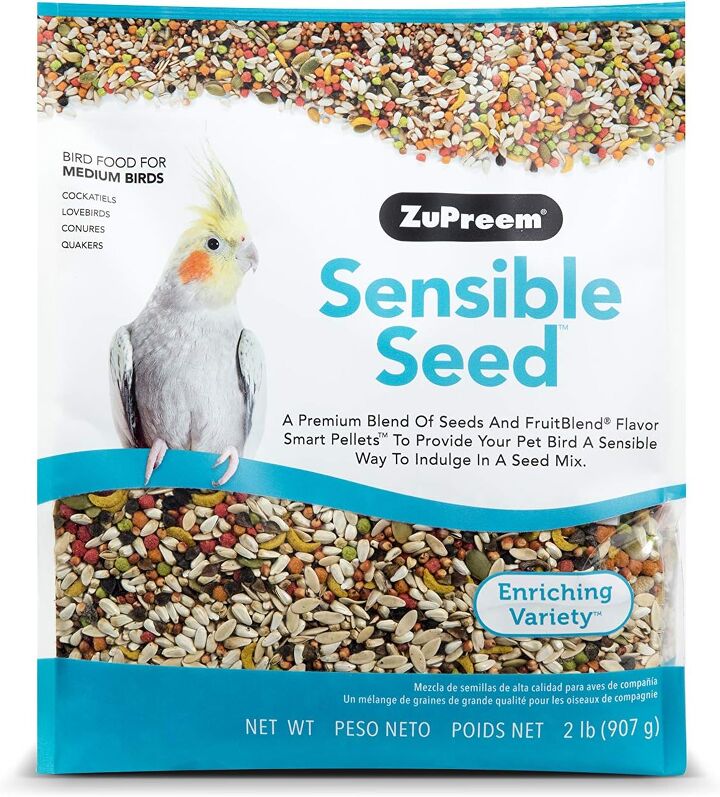
Use a measuring spoon or a small kitchen scale to portion seeds, pellets, and fresh foods accurately. For example, a cockatiel might need about 1 to 2 tablespoons of pellets daily, while a lovebird only needs around half a tablespoon. How precise are you with measuring your bird’s food?
Monitoring Eating Habits
Watch your bird’s eating habits closely to spot any changes early. Sudden loss of appetite or overeating can signal health problems. Keep a feeding journal to track what and how much your bird eats each day.
Notice if your bird favors certain foods or refuses others. This can indicate preferences or issues like dental pain or digestive upset. When I noticed my parrot avoiding pellets, a quick vet visit uncovered a minor beak problem. This experience highlighted how important it is to monitor feeding behavior carefully.
Credit: www.petguide.com
Hydration Needs
Keeping your pet bird well-hydrated is just as important as feeding it the right food. Water supports digestion, regulates body temperature, and helps maintain overall health. Without enough water, your feathered friend can quickly become weak or ill.
Providing Fresh Water
Always offer clean, fresh water to your bird every day. Change the water at least once daily to prevent bacteria buildup. Using a water dish that is easy to clean helps you maintain hygiene.
Some birds prefer drinking from water bottles with spouts, while others like shallow bowls. Watch how your bird drinks and provide the type it likes best. You might even want to add a small ice cube on hot days to keep the water cool.
Signs Of Dehydration
How can you tell if your bird isn’t drinking enough? Look for these common signs:
- Dry or flaky skin around the eyes and beak
- Sunken eyes
- Reduced energy and lethargy
- Wrinkled or loose skin when gently pinched
- Decreased appetite
If you notice any of these symptoms, act quickly. Dehydration can escalate fast in small birds. Offering water with a syringe or seeking veterinary help might be necessary.
Special Diets For Different Species
Different bird species need different diets to stay healthy and happy. Their natural food habits vary a lot. Feeding the right diet helps them grow strong and live longer. This section explains what special diets suit popular pet birds.
Parrots
Parrots eat a mix of seeds, fruits, and vegetables. They need protein for energy and healthy feathers. Include:
- Fresh fruits like apples and berries
- Leafy greens such as spinach and kale
- High-quality pellet food made for parrots
- Occasional nuts as treats
Avoid avocado and chocolate. Both are toxic to parrots.
Canaries And Finches
Canaries and finches mainly eat seeds. Their diet also needs vitamins and minerals. Offer:
- Small seed mixes with millet and canary grass seed
- Fresh greens like dandelion leaves
- Boiled eggs for extra protein
- Cut fruits in small amounts
Ensure fresh water is always available for them.
Cockatiels And Lovebirds
Cockatiels and lovebirds enjoy varied diets. They need seeds, fruits, and veggies. Include:
- Pellets made for small parrots
- Seeds like sunflower and safflower
- Chopped fruits such as melon and pear
- Vegetables like carrots and peas
Limit fatty seeds to avoid obesity in these birds.
Supplements And Treats
Supplements and treats can add excitement and nutritional benefits to your pet bird’s diet. However, they should never replace a balanced meal. Knowing the right treats to offer and when to use supplements helps keep your bird healthy and happy.
Safe Treat Options
Birds enjoy a variety of treats, but some are safer and healthier than others. Fresh fruits like apples, berries, and melons make sweet, nutritious snacks. Vegetables such as carrots, peas, and leafy greens also provide essential vitamins.
Seeds can be a treat, but avoid giving too many since they are high in fat. You might want to try millet sprays or small pieces of unsalted nuts occasionally. Always wash fruits and vegetables thoroughly before offering them to your bird.
Have you noticed your bird’s favorite treat? Observe their preferences and provide those in moderation. Avoid sugary, salty, or processed human foods, which can harm your feathered friend.
When To Use Supplements
Supplements are not needed every day but can be vital in certain situations. For example, breeding birds or those recovering from illness may require extra vitamins or minerals. Consult your avian vet before adding supplements to your bird’s diet.
Calcium supplements are common for egg-laying birds to support strong shells and prevent deficiencies. Vitamin D might be necessary if your bird doesn’t get enough natural sunlight. Over-supplementing can be harmful, so use them carefully and only when necessary.
Think about your bird’s specific needs and lifestyle. Are you providing a diet that meets all their nutritional requirements, or could they benefit from a little extra support?
Common Feeding Mistakes
Feeding pet birds correctly is crucial for their health. Many bird owners make common mistakes that harm their pets. These errors often come from misunderstanding bird nutrition. Avoid these mistakes to keep your bird happy and healthy.
Overfeeding Seeds
Seeds alone lack essential nutrients. Birds eating only seeds miss vitamins and minerals. Overfeeding seeds can cause obesity and health problems. Offer seeds in moderation, not as the main diet.
Ignoring Variety
Birds need a mix of foods for balanced nutrition. Feeding the same food daily limits their nutrient intake. Include fresh fruits, vegetables, and pellets for variety. Variety supports strong immune systems and vibrant feathers.
Feeding Human Food
Many human foods are unsafe for birds. Avoid chocolate, caffeine, salty, and sugary foods. These can cause poisoning or digestive issues. Stick to bird-safe foods to protect your pet’s health.
Frequently Asked Questions
What Is The Best Diet For Pet Birds?
A balanced diet for pet birds includes seeds, pellets, fresh fruits, and vegetables. Avoid feeding only seeds, as it lacks essential nutrients. Pellets provide vitamins and minerals. Fresh produce adds fiber and antioxidants. Always provide clean water to keep your bird healthy and hydrated.
Can Pet Birds Eat Fruits And Vegetables Safely?
Yes, most pet birds enjoy fruits and vegetables. Offer safe options like apples, carrots, spinach, and berries. Avoid avocado, onion, and rhubarb, as they are toxic. Wash all produce thoroughly and cut into bite-sized pieces to prevent choking hazards.
How Often Should I Feed My Pet Bird?
Feed your pet bird twice a day, morning and evening. Provide fresh food daily and remove leftovers to prevent spoilage. Adjust portions based on your bird’s size and activity level. Consistent feeding schedules help maintain your bird’s health and digestion.
Are Commercial Bird Pellets Better Than Seeds?
Commercial pellets are nutritionally balanced and prevent selective eating. Seeds alone can cause deficiencies and obesity. Pellets ensure birds get essential vitamins and minerals. Mix pellets with some seeds and fresh foods for variety and optimal health.
Conclusion
Feeding your pet bird well is crucial for its health. Offer a balanced diet with seeds, fruits, and vegetables. Fresh water is essential every day. Watch your bird’s health and adjust its diet as needed. Consult a vet for specific dietary advice.
Birds need variety, so mix up their meals. Avoid foods that are harmful to birds. With the right care, your bird will thrive. A healthy diet leads to a happy bird. Remember, a little effort goes a long way in caring for your feathered friend.