
Looking to add a feathered friend to your life but worried about how hard it might be to tame? You’re not alone.
Choosing the right pet bird can make all the difference between frustration and endless joy. Imagine having a bird that quickly warms up to you, enjoys your company, and even learns a few tricks. Sounds perfect, right? You’ll discover which pet bird is easiest to tame, helping you make the best choice for a happy, lasting bond.
Keep reading—you’re just a few steps away from finding your perfect, friendly companion.
Credit: www.northernparrots.com
Traits Of Tameable Pet Birds
Understanding the traits of tameable pet birds helps in choosing the right companion. Birds that tame easily show clear signs of friendliness and willingness to bond. These traits make daily care and interaction more enjoyable for both the bird and owner.
Behavioral Characteristics
Tameable birds often show calm and curious behavior. They explore their surroundings without fear. These birds respond well to gentle handling and training. They rarely show aggressive or shy reactions. Consistent behavior helps build trust quickly.
Social Nature
Birds that enjoy social interaction are easier to tame. They seek company and enjoy being around people. These birds often mimic sounds and gestures to communicate. A social bird thrives on attention and interaction. They form strong bonds with their human caretakers.
Adaptability To Humans
Birds that adapt well to humans accept new environments calmly. They adjust to daily routines and changes in the household. These birds tolerate handling and new experiences with ease. Adaptable birds learn commands and tricks faster. Their flexible nature makes taming less stressful.
Top Friendly Pet Birds
Choosing a pet bird that is friendly and easy to tame can make a huge difference in your experience as a bird owner. Friendly birds not only adapt well to human interaction but also bring joy and companionship with their playful personalities. Let’s look at some of the top pet birds known for their approachable nature and ease of taming.
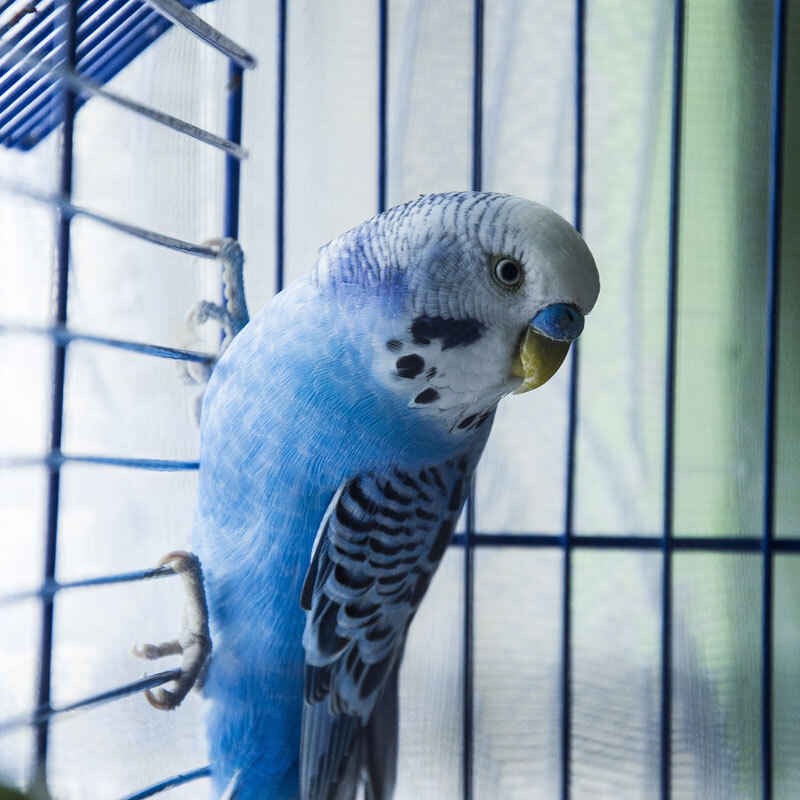
Budgerigar (budgie)
Budgies are small, colorful, and incredibly social birds. They quickly learn to trust their owners and enjoy mimicking sounds and simple words. If you spend just a few minutes daily talking and offering treats, you’ll notice your budgie becoming more comfortable and interactive in no time.
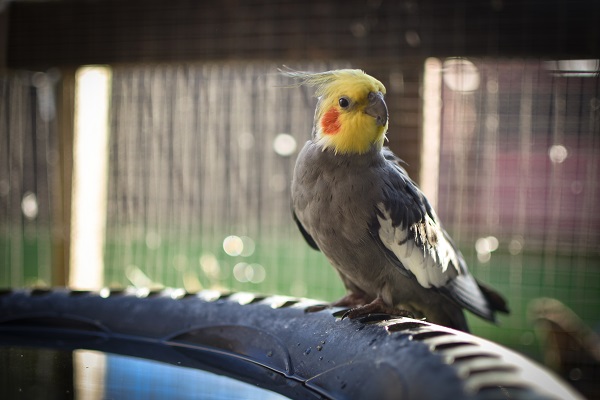
Cockatiel
Cockatiels are known for their gentle nature and affectionate behavior. They love head scratches and will often whistle tunes, adding charm to your home. Their calm temperament makes them an excellent choice if you want a bird that bonds closely without being too demanding.
Lovebird
Despite their name, lovebirds can form strong attachments to their human companions. They are curious and energetic, which means they require mental stimulation and interaction. Patience and consistency in handling will help your lovebird become a loyal and friendly pet.
Parakeet
Parakeets are similar to budgies but come in various sizes and colors. They thrive on social interaction and enjoy learning tricks. Offering a variety of toys and spending time talking to your parakeet can speed up the taming process.
Canary
Canaries are more known for their singing than for direct interaction. They tend to be shy but can get used to your presence with gentle, calm handling. If you want a pet that fills your home with beautiful melodies and requires less hands-on taming, canaries are a great pick.
Factors Affecting Bird Tameness
Tameness in pet birds depends on several key factors that shape their behavior and willingness to interact with you. Understanding these elements helps you choose a bird that fits your lifestyle and know how to build trust effectively. Let’s break down what influences a bird’s tameness and how you can work with these factors to create a strong bond.
Bird Age And Socialization
Young birds tend to be easier to tame because their minds are more adaptable. Birds socialized early with humans usually develop trust faster and remain friendlier throughout their lives.
If you get an older bird, patience is crucial. These birds may need extra time to overcome fear or past traumas, but consistent, gentle interaction can still win them over.
Breeding And Genetics
Some bird species are naturally more sociable due to their genetic makeup. Parrots, for instance, often have a strong desire for companionship and tend to be more interactive by nature.
Within a species, individual genetics play a role too. Even birds from the same clutch can show different temperaments—some bold, some shy.
Ask breeders about the lineage and behavior traits of a bird’s parents; this can give clues about the bird’s likely personality.
Environment And Handling
Your bird’s environment greatly affects how comfortable it feels around you. A quiet, safe space encourages relaxation and trust-building.
Regular, gentle handling is essential. Short, positive interactions daily teach your bird that you are a source of safety and fun.
Have you noticed how some birds shy away immediately while others hop onto your finger without hesitation? Often, it’s the environment and how they’ve been handled that makes all the difference.
Credit: lafeber.com
Tips For Taming Pet Birds
Taming a pet bird requires more than just patience; it demands understanding and deliberate effort. Each bird has its own personality and comfort level around humans, so knowing how to approach taming can make a big difference. Let’s dive into some practical tips that will help you build a strong bond and enjoy a well-behaved feathered friend.
Building Trust And Bonding
Trust is the foundation of taming any pet bird. Spend time near your bird’s cage without trying to touch it. Talk softly or whistle to let your bird get used to your presence.
Offer treats through the cage bars to create positive associations. Once your bird feels comfortable, open the cage door and allow it to come out on its own terms. Let the bird explore your hand or shoulder while staying calm and gentle.
Training Techniques
Start with simple commands like “step up” using your finger or a perch. Reward your bird immediately with a favorite treat or praise when it follows the command.
Keep training sessions short—about 5 to 10 minutes—to prevent stress. Use consistent words and gestures so your bird can understand what you want. Repetition helps your bird learn faster.
- Use a calm voice to avoid startling your bird.
- Incorporate playtime into training to keep it fun.
- End sessions on a positive note, even if progress is slow.
Patience And Consistency
Each bird learns at its own pace, so don’t rush the process. If your bird shows signs of fear, back off and try again later. Small setbacks are normal and don’t mean failure.
Consistency is key—you should interact with your bird daily to maintain progress. Even a few minutes each day of gentle handling can build confidence and deepen your bond.
How patient are you willing to be to see your bird truly become your companion? Remember, the effort you put in now pays off in trust and affection down the line.
Common Challenges In Bird Taming
Taming a pet bird can be rewarding but also challenging. Birds have unique personalities and needs. Understanding common challenges helps create a better bond. These challenges affect how quickly and easily a bird becomes tame. Patience and care play key roles in overcoming them.
Fear And Aggression
Fear is a natural response for many birds. New environments or people can make birds nervous. This fear may lead to biting or aggressive behavior. Birds often use aggression to protect themselves. Sudden movements or loud noises can increase their stress. Building trust takes time and gentle handling. Consistent positive experiences reduce fear and aggression.
Health Issues Impacting Behavior
Birds may act unfriendly due to health problems. Pain or illness can cause irritability or withdrawal. Common issues include feather plucking, respiratory problems, or infections. Regular vet visits ensure birds stay healthy. A healthy bird is more likely to be calm and tame. Watch for changes in eating, droppings, or activity levels. Early care prevents behavior problems.
Time Commitment
Taming a bird requires daily attention and patience. Short, frequent sessions work best for building trust. Birds need social interaction to feel safe and happy. Rushing the process can cause setbacks. Owners must set aside time for play, training, and rest. Consistency helps birds learn and adapt. Time invested leads to a strong human-bird connection.
Choosing The Right Bird For Your Lifestyle
Choosing the right pet bird means matching the bird’s needs with your daily life. Each bird species has unique traits that affect how easy they are to tame. Consider your living space, noise tolerance, and time for care. Picking a bird that fits your lifestyle helps build a strong bond faster.
Space And Cage Requirements
Different birds need different cage sizes. Small birds like budgies or finches require less space. Larger birds need bigger cages and more room to fly. Think about where you can place the cage in your home. A cramped space makes it hard for the bird to stay healthy and happy.
Noise Levels
Birds vary in how much noise they make. Some, like cockatiels, are quiet and gentle. Others, like lovebirds, can be loud and vocal. Consider your tolerance for noise. If you live in an apartment, a quieter bird may suit you better. Noise level affects your comfort and neighbors’ peace too.
Lifespan And Care Needs
Birds live for different lengths of time. Smaller birds usually live 5 to 10 years. Larger parrots can live 40 years or more. Longer lifespans mean longer commitment. Some birds need daily interaction and mental stimulation. Know how much time you can give for feeding, cleaning, and play.
Credit: www.northernparrots.com
Frequently Asked Questions
What Pet Bird Is Easiest To Tame For Beginners?
Budgerigars (budgies) are the easiest pet birds to tame for beginners. They are friendly, social, and quick learners. Budgies adapt well to human interaction, making them great for first-time bird owners.
How Long Does It Take To Tame A Pet Bird?
Taming a pet bird usually takes a few weeks of consistent, gentle interaction. Patience and daily bonding sessions help build trust faster. Each bird’s temperament affects taming speed.
Are Cockatiels Easy To Tame And Handle?
Yes, cockatiels are known for being easy to tame and handle. They are affectionate and enjoy human company. With regular attention, they quickly bond with their owners.
What Bird Species Require Less Training To Tame?
Budgerigars, cockatiels, and lovebirds require less training to tame. These species are naturally social and enjoy interaction. Their friendly nature simplifies the taming process.
Conclusion
Choosing the right pet bird can be simple and rewarding. Small parrots like budgies and cockatiels often tame easily. Their friendly nature makes them great companions. Patience and gentle interaction foster trust. With time, they become loving pets. Regular handling helps them bond with you.
Always remember, each bird has its own personality. Some may take longer to tame. But their friendship is worth the effort. Enjoy the journey of taming your feathery friend. It brings joy to both you and the bird. Your new pet bird can become a cherished family member.