
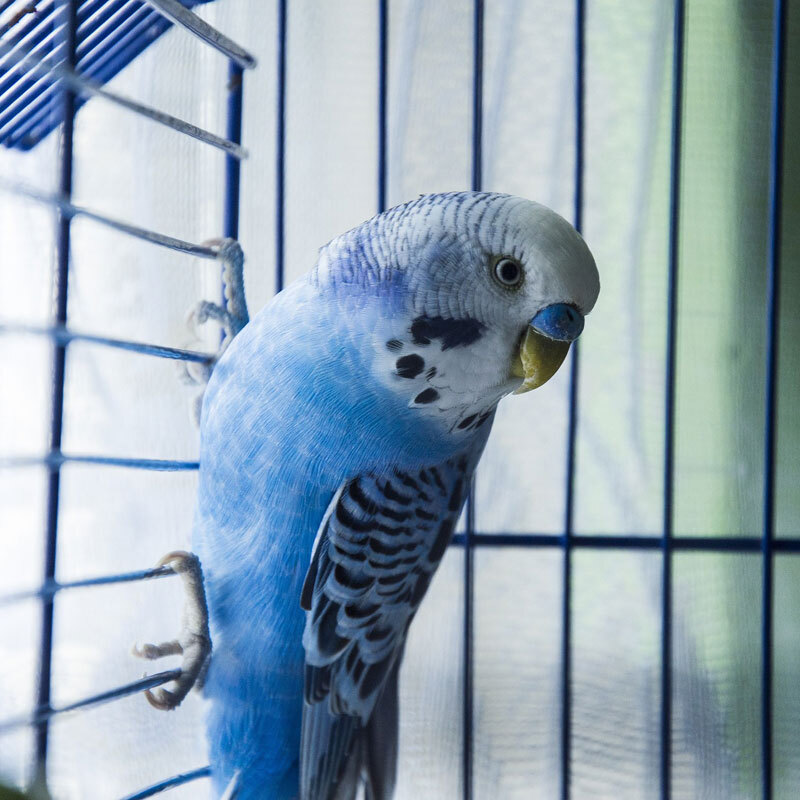
Have you ever wondered what makes the blue pet bird so special? If you’re thinking about adding a colorful feathered friend to your home, understanding this unique bird is key.
The blue pet bird isn’t just beautiful—it’s full of personality and charm that can brighten your days. Keep reading, and you’ll discover everything you need to know to make the best choice for you and your new companion. Your perfect blue bird might be closer than you think!
Blue Pet Bird Types
Blue pet birds come in a variety of shapes and sizes, each bringing unique charm to your home. Understanding the types of blue birds available helps you choose the one that fits your lifestyle and space. Let’s look closer at some popular blue bird categories you might want to consider.
Popular Blue Parrot Species
Blue parrots are known for their intelligence and vibrant feathers. The Blue-and-Gold Macaw stands out with its striking blue wings and golden chest, making it a favorite among bird enthusiasts. Another popular choice is the Hyacinth Macaw, the largest of all parrots, known for its deep cobalt blue color and gentle nature.
These parrots require ample space and social interaction. Are you ready to commit time to train and bond with a bird that can become a lifelong companion?
Small Blue Birds For Homes
If space is limited, small blue birds can be perfect pets. Budgerigars, often called budgies, display beautiful sky-blue feathers and are easy to care for. Their playful nature and ability to mimic sounds make them delightful for first-time bird owners.
Another option is the Blue Canary, known for its soft blue hues and melodious songs. These birds thrive in smaller cages and need less attention than larger parrots, fitting well into busy lifestyles.
Exotic Blue Birds
For those seeking something rare, exotic blue birds offer a splash of color and intrigue. The Blue Jay, native to North America, is admired for its brilliant blue plumage and bold personality. Meanwhile, the Indian Ringneck Parakeet flaunts a stunning blue variant and is known for its talking ability.
Keep in mind, exotic birds often have special care needs. Are you prepared to learn about their diet, habitat, and social requirements to ensure a happy pet?
Physical Features
The physical features of the Blue Pet Bird are what truly make it stand out in any setting. These birds captivate with their striking appearance and distinct characteristics. Understanding these features can help you appreciate their beauty and care for them better.
Feather Colors And Patterns
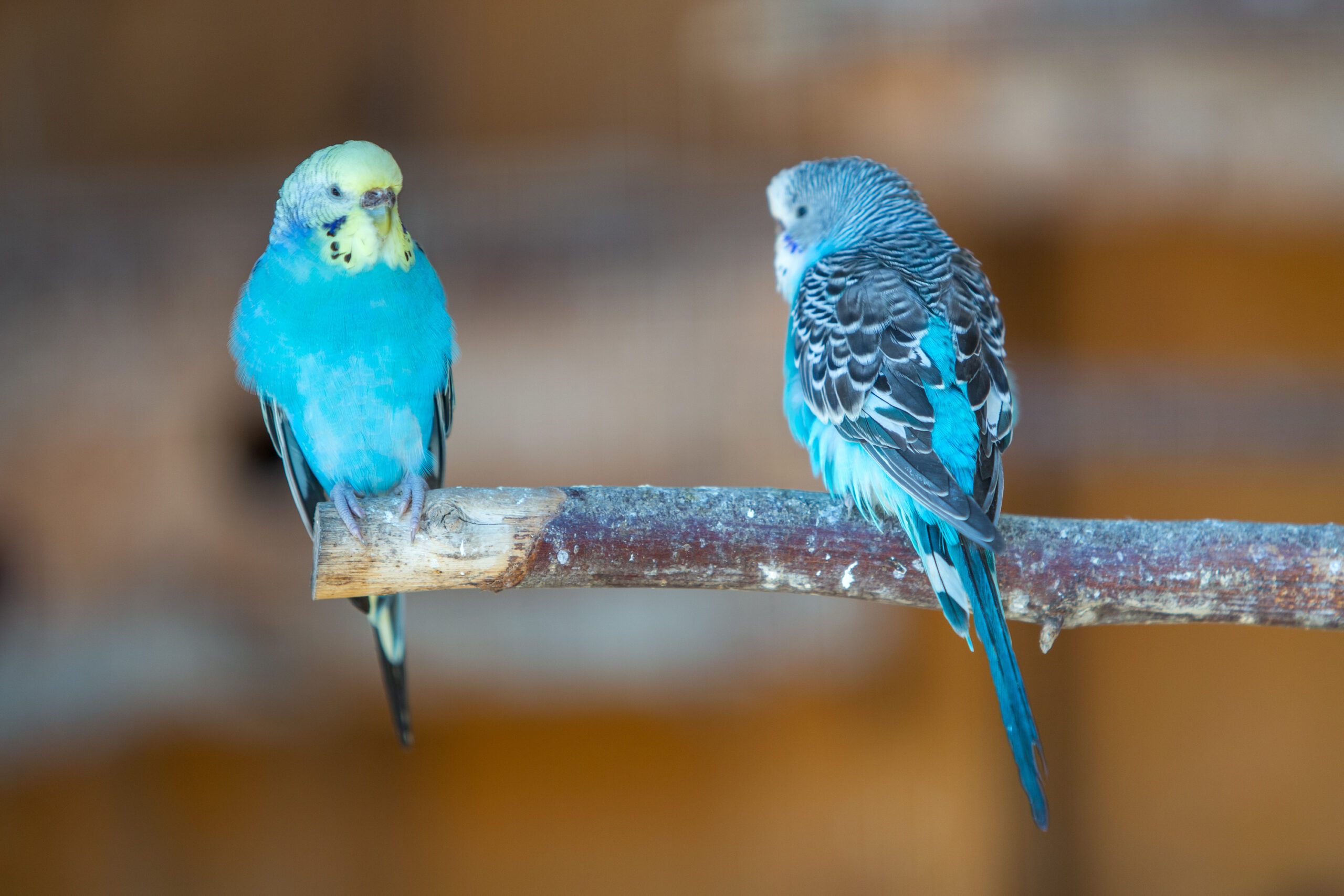
The most eye-catching feature of the Blue Pet Bird is its vibrant feathers. Shades can range from soft sky blue to deep royal blue, sometimes mixed with white or black patches. Some birds show subtle gradient patterns, while others have sharp, contrasting spots or stripes.
Have you ever noticed how the light changes the shade of their feathers? It’s like they wear a different color depending on the time of day. This unique play of colors makes them even more fascinating to watch.
Size And Shape
Blue Pet Birds are generally small to medium-sized, making them easy to handle and perfect for indoor living. Their bodies are compact, with a rounded head and a short, curved beak designed for cracking seeds.
Their wings are long and pointed, allowing for agile flight. Despite their size, they have a strong presence, often moving with quick, confident gestures. You might find yourself amazed at how much personality fits into such a small frame.
Unique Traits
Besides their color and size, Blue Pet Birds have a few unique traits that set them apart. Their eyes are bright and expressive, often giving clues about their mood. Some species even have a soft crest or a slightly different feather texture around their neck.
One surprising fact is how their feathers can slightly change texture during molting, making them feel almost silky. Have you ever touched a Blue Pet Bird’s feathers and noticed this difference? It’s a subtle feature that many bird lovers miss but adds to their charm.
Behavior And Temperament
The behavior and temperament of the Blue Pet Bird reveal much about what living with one is like. These birds are known for their unique mix of liveliness and affection, making them captivating companions. Understanding their social habits, vocal abilities, and how they interact with you can help you create a stronger bond.
Social Habits
Blue Pet Birds are naturally social creatures. They enjoy being part of a group, whether that’s with other birds or their human family. If left alone for long periods, they can become lonely and may develop behavioral issues.
Creating a routine that involves regular interaction helps keep them happy. You might notice your bird showing curiosity when new people enter the room or becoming playful with toys. Have you ever seen a bird mimic the behavior of its cage mate? That’s a clear sign of their strong social instincts.
Vocal Abilities
These birds are surprisingly vocal, using chirps and whistles to communicate their mood. Some Blue Pet Birds can even learn to mimic words and simple phrases. Their vocal range varies, so patience is key if you want to teach them to talk.
Listening carefully to their sounds can tell you a lot about what they want or how they feel. For instance, a sudden burst of chatter might mean excitement, while quiet chirping could indicate contentment. Have you tried responding to your bird’s calls? This can encourage more interaction and deepen your connection.
Interaction With Owners
Blue Pet Birds thrive on attention and interaction with their owners. They often recognize their caretakers and respond well to gentle handling and play. Spending time daily with your bird builds trust and reduces stress for both of you.
Simple activities like hand-feeding treats or teaching tricks can be incredibly rewarding. You might be surprised how quickly your bird learns to enjoy these moments. What small changes can you make today to increase your bird’s engagement and happiness?
Credit: budgieplanet.com
Care Requirements
Caring for a blue pet bird requires attention to its diet, living space, and health. These birds thrive with proper care that meets their natural needs. Understanding their requirements helps keep them happy and healthy.
Diet And Nutrition
Blue pet birds need a balanced diet to stay strong. Their food includes:
- High-quality bird seed mix
- Fresh fruits like apples and berries
- Vegetables such as carrots and leafy greens
- Occasional treats like nuts or boiled eggs
Provide clean water daily. Avoid feeding chocolate, caffeine, or avocado, as these are toxic.
Housing And Environment
Birds need a safe and comfortable home. Choose a cage that is:
- Spacious enough for flying and movement
- Made of non-toxic materials
- Equipped with perches and toys
Place the cage in a quiet area with natural light. Keep it away from drafts and direct sun.
Health And Hygiene
Regular cleaning prevents illness. Clean the cage and food dishes every day. Check your bird for signs of sickness like:
- Fluffed feathers
- Loss of appetite
- Changes in droppings
Schedule routine vet visits. Keep your bird’s nails and beak trimmed carefully.
Training And Enrichment
Training and enrichment are essential for a happy and healthy blue pet bird. These birds thrive with interaction and mental challenges. Proper training builds trust and good behavior. Enrichment keeps their minds active and prevents boredom. Both help your bird live a full and joyful life.
Basic Training Tips
Start training in a quiet, safe space. Use gentle, calm voices to avoid stress. Reward good behavior with treats or praise. Keep training sessions short, about 5 to 10 minutes. Repeat commands clearly and consistently. Patience is key; birds learn at their own pace. Avoid punishment; it can harm trust and cause fear.
Toys And Activities
Provide a variety of toys to keep your bird busy. Toys made of wood, rope, and safe plastic work well. Rotate toys often to maintain interest. Add swings and ladders inside the cage. Offer foraging toys to encourage natural hunting skills. Daily out-of-cage playtime helps exercise muscles and explore surroundings.
Mental Stimulation
Mental challenges keep your blue pet bird sharp and happy. Teach simple tricks like stepping up or turning around. Introduce puzzle toys that require problem-solving. Play gentle music or talk to your bird regularly. Change the cage layout occasionally for new experiences. Social interaction with humans or other birds is important too.
:strip_icc()/blue-budgie-511936470-dff4c0952d4a45ec80f9ac7f406cc71f.jpg)
Credit: www.thesprucepets.com
Common Health Issues
Blue pet birds are beautiful and lively companions. Like all pets, they can face health problems. Knowing common health issues helps keep them happy and safe. Early care can prevent serious illness and improve their life quality.
Signs Of Illness
Watch for changes in behavior or appearance. Common signs include:
- Fluffed-up feathers for a long time
- Loss of appetite or drinking less
- Unusual droppings or diarrhea
- Difficulty breathing or wheezing sounds
- Swollen eyes or discharge
- Lethargy or less activity than usual
- Frequent scratching or feather plucking
Noticing these signs early helps protect your bird’s health.
Preventive Care
Good care lowers illness risks. Feed a balanced diet with fresh fruits, vegetables, and seeds. Clean the cage regularly to avoid germs. Provide fresh water daily. Offer toys and social time to reduce stress. Keep the bird away from drafts and sudden temperature changes. Regularly check feathers, beak, and feet for any problems.
When To Visit A Vet
Visit a vet if your bird shows signs of illness. Do not wait if symptoms last more than a day. Sudden changes in breathing or behavior need urgent attention. Regular yearly check-ups can catch problems early. Choose a vet who knows bird care well. Early treatment can save your bird’s life.
Choosing The Right Blue Bird
Choosing the right blue pet bird matters for both you and the bird’s happiness. Different blue birds have unique needs. Understanding your lifestyle, knowing where to find healthy birds, and thinking about adoption can help you make a good choice. Each step ensures a better match and a joyful experience.
Assessing Your Lifestyle
Consider how much time you can spend with your bird daily. Blue birds need attention and care. Small living spaces may limit larger species. Noise level matters if you live in an apartment. Think about your budget for food, toys, and vet visits. Your routine should fit the bird’s needs for exercise and social interaction.
Finding Reputable Breeders
Choose breeders with good reviews and proper licenses. Healthy birds come from clean, well-maintained environments. Ask about the bird’s diet, health history, and behavior. Avoid places that sell many species without care details. A reputable breeder will answer all your questions clearly and honestly.
Adoption Considerations
Many blue birds need loving homes in shelters. Adoption saves lives and helps reduce pet overpopulation. Shelters often provide health checks and initial care. Adopted birds may already be trained or socialized. Be patient; some birds need time to adjust to new homes. Adoption is a kind and responsible way to find your blue bird.
:strip_icc()/parakeet-budgie-budgerigar-952787256-5b52a7d046e0fb0037bec8a7.jpg)
Credit: www.thesprucepets.com
Frequently Asked Questions
What Is A Blue Pet Bird?
A blue pet bird is a small to medium-sized bird with blue feathers. Popular species include the Blue Budgerigar and Blue Indian Ringneck. These birds are known for their vibrant color and friendly nature, making them great companion pets.
Which Species Are Commonly Called Blue Pet Birds?
Common blue pet birds include the Blue Budgerigar, Blue Indian Ringneck, and Blue Macaw. Each species varies in size, behavior, and care needs. They all share the common trait of striking blue plumage, appealing to bird lovers worldwide.
How Do You Care For A Blue Pet Bird?
Blue pet birds need a clean cage, fresh water, balanced diet, and social interaction. Regular cage cleaning and mental stimulation keep them healthy. Proper care ensures their vibrant feathers and lively personality thrive in captivity.
Are Blue Pet Birds Good For Beginners?
Yes, many blue pet birds like budgerigars are beginner-friendly. They are social, easy to train, and require moderate care. Their friendly nature and manageable size make them suitable for first-time bird owners.
Conclusion
The blue pet bird is a wonderful companion. Its vibrant feathers bring joy. Caring for it requires attention and love. These birds are intelligent and playful. Their songs can brighten any day. Providing a safe environment is essential. They need a balanced diet for good health.
Regular vet check-ups keep them healthy. Observing their behavior helps understand their needs. A blue pet bird can be a delightful friend. Perfect for those seeking a lively, colorful pet. Their charm is undeniable. A perfect addition to any household.
Consider adopting one today. Enjoy the endless happiness they bring.