
Are you worried about your pet bird’s health? You might have heard about psittacosis, a disease that can affect your feathered friend.
But how common is it really? What percent of pet birds get psittacosis, and what does that mean for you and your bird’s safety? Understanding these facts can help you take the right steps to protect your pet and yourself.
Keep reading to find out the truth behind psittacosis and how to keep your bird happy and healthy.
Credit: lafeber.com
Psittacosis And Pet Birds
Understanding the connection between psittacosis and pet birds is crucial for anyone who cares for these feathered companions. Many bird owners don’t realize how common this infection can be or how it might silently affect their pets. Knowing which birds are at risk and what psittacosis actually is can help you protect both your bird and your family.
What Is Psittacosis
Psittacosis, also known as parrot fever, is an infectious disease caused by the bacteria Chlamydia psittaci. It primarily affects birds but can spread to humans, causing flu-like symptoms and sometimes more severe respiratory issues.
The bacteria are usually spread through dried bird droppings, feathers, or respiratory secretions. If your bird seems healthy but you notice unusual lethargy or breathing difficulties, psittacosis could be a hidden cause.
Common Pet Bird Species Affected
Not all pet birds are equally likely to carry psittacosis, but some species are more commonly affected. Parrots, parakeets, cockatiels, and lovebirds have shown higher infection rates in studies.
- Parrots:These colorful pets are often carriers, sometimes without showing symptoms.
- Budgerigars (Parakeets):Popular for their friendly nature, they can harbor the bacteria silently.
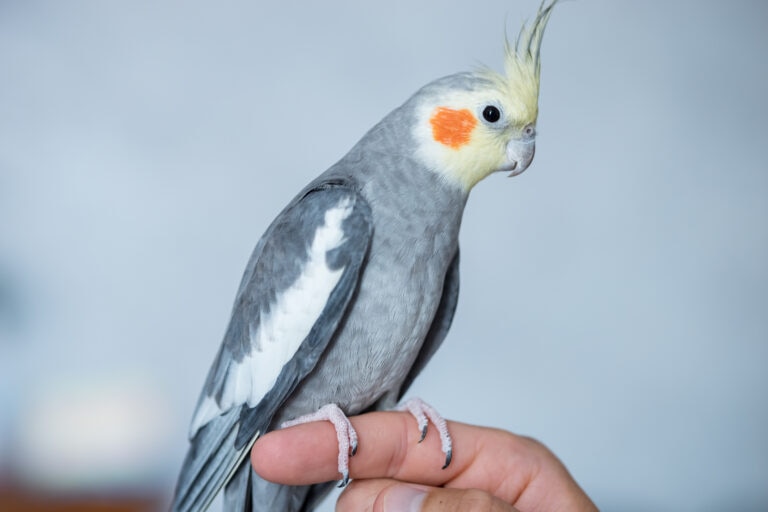
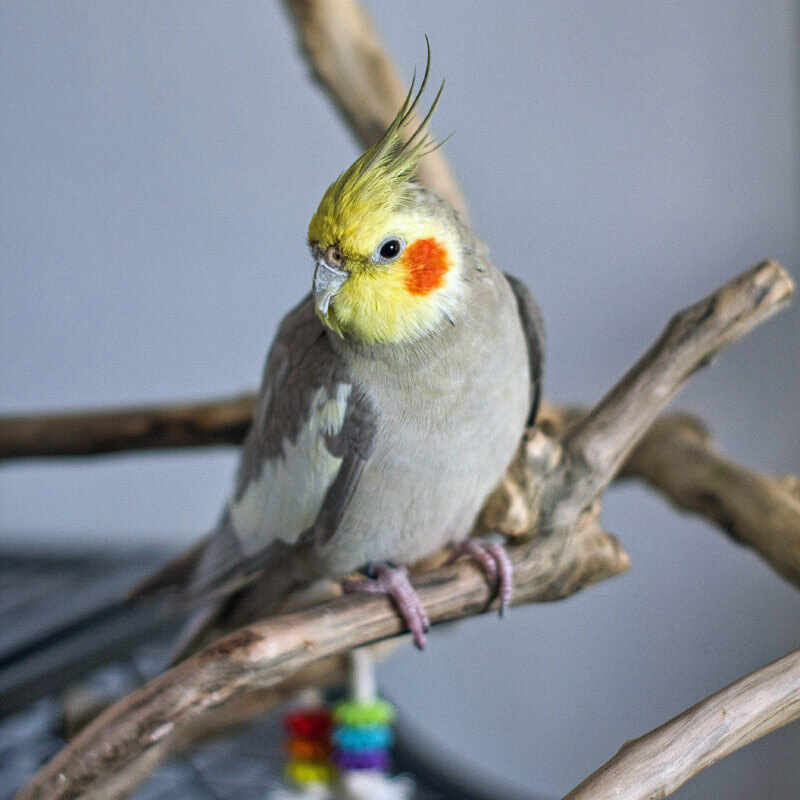
- Cockatiels:Known for their affectionate behavior, cockatiels can also be vulnerable.
- Lovebirds:These small, social birds may carry the infection, especially if sourced from unregulated breeders.
Knowing which birds are at risk can guide you in monitoring their health more closely. Have you ever wondered if your seemingly healthy pet could be carrying a hidden infection? Regular vet check-ups and good hygiene practices are your best defenses against psittacosis.
Infection Rates In Pet Birds
Understanding how common psittacosis infection is among pet birds helps you assess the risks and take better care of your feathered friends. Infection rates can vary widely, influenced by species, environment, and care practices. Let’s look at what the numbers actually say about psittacosis in pet birds.
Overall Percentage Of Infected Birds
Studies show that about 5% to 20%of pet birds may carry the bacteria causing psittacosis, known as Chlamydia psittaci. This wide range depends on testing methods and bird populations sampled. Some birds might carry the bacteria without showing symptoms, making detection tricky.
If you own multiple birds, have you ever wondered if one could silently pass the infection to others? This silent carrier state means routine health checks are essential, even if your birds look healthy.
Variation By Bird Species
Not all birds have the same risk. Parrots, cockatiels, and budgerigars tend to have higher infection rates compared to canaries or finches. For example, cockatiels might show infection rates closer to 15%, while finches often fall below 5%.
This difference occurs because psittacosis bacteria prefer certain bird species, which can harbor and spread the infection more easily. Knowing your bird’s species-specific risk can help you decide how often to screen or isolate new birds.
Factors Influencing Infection Rates
- Living Conditions:Crowded cages and poor ventilation increase infection chances.
- Hygiene Practices:Regular cleaning lowers the risk significantly.
- Exposure to Wild Birds:Birds in outdoor aviaries may catch infections from wild populations.
- Stress Levels:Stress weakens immunity, making birds more vulnerable.
When you think about these factors, how can you improve your bird’s environment to reduce risks? Small changes like better cage placement or stricter cleaning schedules can make a big difference.
Transmission To Humans
Psittacosis is an infection that can pass from pet birds to humans. Understanding how this disease spreads helps protect both birds and people. The bacteria causing psittacosis live in bird droppings, feathers, and respiratory secretions. Humans catch the illness mainly by breathing in tiny particles from these sources.
People with close contact to pet birds face higher chances of infection. Knowing the transmission routes and risk levels helps reduce exposure and keep everyone safe.
How Psittacosis Spreads
The bacteria spread through tiny dust particles from bird droppings or dried secretions. These particles float in the air and enter human lungs when inhaled. Direct contact with infected birds also spreads the disease.
- Breathing contaminated dust or feathers
- Handling infected birds or their cages
- Cleaning bird droppings without protection
- Close face-to-beak contact
Unlike some infections, psittacosis does not spread easily between humans. The main source remains infected birds or their environments.
Risk Levels For Bird Owners
Bird owners face varied risks depending on their habits and bird care. People who keep many birds or clean cages often have higher chances of exposure.
- Owners of parrots, cockatiels, or budgies—more prone to carry the bacteria
- Bird breeders and pet store workers—higher exposure due to many birds
- People who use masks and gloves during cleaning—lower risk
- Occasional bird owners with good hygiene—minimal risk
Regular cage cleaning and good ventilation reduce the chance of catching psittacosis. Wearing protective gear during cleaning helps prevent inhaling harmful particles.

Credit: brieflands.com
Symptoms In Birds And Humans
Psittacosis affects both pet birds and humans, showing clear symptoms in each. Bird owners must know these signs to spot the illness early. Timely care helps prevent serious health problems. Understanding symptoms helps protect pets and people alike.
Signs Of Psittacosis In Birds
- Fluffed feathers and lethargy
- Loss of appetite and weight
- Breathing difficulties or nasal discharge
- Eye redness or swelling
- Diarrhea or green droppings
- Unusual vocal changes or silence
- Swollen abdomen or puffed chest
Birds may hide signs until very sick. Regular observation helps catch symptoms early.
Human Symptoms And Complications
- Fever and chills
- Headache and muscle pain
- Dry cough or chest tightness
- Fatigue and weakness
- Sore throat and joint pain
- Shortness of breath in severe cases
- Confusion or neurological problems (rare)
Humans can get psittacosis by contact with infected birds. Early treatment with antibiotics is vital. Delayed care may cause pneumonia or other serious issues.
Prevention And Control
Preventing and controlling psittacosis in pet birds is essential to keep both birds and owners safe. This disease spreads through contact with infected droppings, feathers, or respiratory secretions. Simple steps help reduce the risk of infection and maintain a healthy environment for your bird.
Hygiene Practices For Bird Owners
Cleanliness plays a key role in stopping psittacosis. Regularly wash hands before and after handling birds or their cages. Remove droppings, food debris, and feathers daily from cages. Use disinfectants safe for birds to clean all surfaces. Avoid sharing feeding bowls or water containers among birds. Keep bird areas well-ventilated and dry to prevent bacteria growth.
Veterinary Care And Testing
Schedule routine check-ups with an avian veterinarian. Early detection helps prevent disease spread. Testing birds for psittacosis is vital, especially if they show symptoms like sneezing or breathing problems. A vet can perform blood or fecal tests for accurate diagnosis. Follow the vet’s advice on vaccinations and health monitoring to keep birds healthy.
Quarantine And Treatment Options
Isolate new or sick birds away from healthy ones. Quarantine lasts at least 30 days to monitor signs of illness. Treatment typically involves antibiotics prescribed by a vet. Complete the full course of medication to ensure the infection clears. Clean and disinfect quarantine spaces thoroughly before introducing birds back to the flock.

Credit: lafeber.com
Impact On Pet Bird Communities
Psittacosis is a serious disease that affects many pet birds. Its impact on bird communities is significant. The spread of this illness can change how birds live and interact. Understanding this impact helps keep pet birds safe and healthy.
Outbreak Cases
Outbreaks of psittacosis in pet bird communities happen often enough to cause concern. These outbreaks can spread quickly, especially in places with many birds. Bird owners and breeders face challenges controlling the disease. Quarantine and hygiene measures become essential during outbreaks.
Outbreak cases often lead to sudden illness and death. This creates stress for bird owners and can disrupt bird shows and sales. Monitoring bird health closely helps catch outbreaks early.
Long-term Effects On Bird Populations
Psittacosis can reduce bird populations over time. Sick birds may stop breeding or produce fewer chicks. This slows down the growth of pet bird communities. Some species are more vulnerable and suffer greater losses.
Long-term illness weakens birds and lowers their quality of life. Bird communities may also change as owners avoid affected species. Efforts to control psittacosis help protect bird populations in the long run.
Frequently Asked Questions
What Percent Of Pet Birds Carry Psittacosis?
Approximately 1-5% of pet birds carry Psittacosis bacteria. This varies by species and living conditions. Proper hygiene reduces risk significantly.
How Common Is Psittacosis In Pet Birds?
Psittacosis is relatively uncommon in healthy pet birds, with low infection rates. Birds under stress or poor care have higher risk.
Can Psittacosis Spread From Pet Birds To Humans?
Yes, Psittacosis can transmit to humans through inhaling contaminated bird droppings or secretions. Proper care and hygiene prevent transmission.
Which Pet Birds Are Most Likely To Get Psittacosis?
Parrots, cockatiels, and parakeets have higher Psittacosis rates. Regular vet checks help detect and manage infections early.
Conclusion
Caring for pet birds includes understanding health risks like psittacosis. Awareness helps in prevention and ensures your bird stays healthy. Regular vet check-ups are essential for early detection. Healthy living conditions reduce risk. Clean cages and fresh food are key.
Stay informed about symptoms. Early signs include breathing issues and lethargy. Quick response can make a difference. Your bird’s well-being is in your hands. Being proactive keeps them safe and happy. Enjoy the companionship they bring.