
Are you wondering what people food you can safely share with your pet bird? It’s natural to want to treat your feathered friend with tasty snacks from your own plate.
But not all human foods are good for birds, and some can even be harmful. Knowing which foods are safe can keep your pet happy, healthy, and eager for those special moments with you. Keep reading to discover simple, safe options that your bird will love—and avoid the common mistakes many pet owners make.
Your bird’s health depends on it!
Fruits Birds Can Eat
Fruits are a healthy and tasty treat for pet birds. They provide important vitamins and natural sugars that birds need. Offering the right fruits can keep your bird happy and energetic. Some fruits are safe and nutritious, while others can be harmful. Knowing which fruits to give and which to avoid is key for your bird’s health.
Safe Fruits For Pet Birds
- Apples (remove seeds)
- Bananas
- Blueberries
- Strawberries
- Oranges (in small amounts)
- Mango
- Pears (remove seeds)
- Grapes (seedless)
- Melon
- Pineapple
These fruits are rich in vitamins A and C. They help support your bird’s immune system and feathers. Always wash fruits thoroughly before serving. Cut them into small pieces to avoid choking hazards.
Fruits To Avoid
- Avocado – toxic to birds
- Rhubarb – harmful leaves
- Fruit seeds and pits – can be poisonous
- Unripe or moldy fruits
Avoid these fruits to prevent serious health issues. Some seeds, like apple seeds, contain cyanide. Remove seeds and pits before offering any fruit. Always observe your bird after introducing new fruits.
Vegetables For Birds
Vegetables are a great addition to your pet bird’s diet. They provide important vitamins and minerals. Fresh veggies also add variety and texture, making meals more interesting for your bird. Always wash vegetables well and cut them into small, manageable pieces. This helps your bird eat safely and enjoy the flavors.
Nutrient-rich Veggies
Vegetables rich in nutrients support your bird’s health and energy. Offer these safe options regularly:
- Carrots – high in vitamin A and fiber
- Broccoli – packed with vitamins C and K
- Spinach – contains iron and calcium
- Sweet potatoes – a good source of beta-carotene
- Green beans – low in calories, high in fiber
- Peas – full of protein and vitamins
- Bell peppers – rich in antioxidants and vitamin C
- Zucchini – gentle on the digestive system
Rotating these vegetables keeps your bird interested and nourished. Avoid overfeeding any one type to maintain a balanced diet.
Toxic Vegetables To Skip
Some vegetables can harm your pet bird. Avoid these toxic or unsafe choices:
- Onions – cause digestive issues and anemia
- Garlic – toxic in small amounts
- Avocado – contains persin, deadly to birds
- Rhubarb – toxic leaves and stalks
- Raw beans – contain harmful compounds
- Potato skins – contain solanine toxin
Always research new veggies before offering them. Safety first to keep your bird healthy and happy.
Grains And Seeds
Grains and seeds form a vital part of a pet bird’s diet. They provide essential nutrients and energy. Including a variety of these foods supports overall bird health. Birds enjoy the texture and taste of grains and seeds, making feeding time enjoyable. Understanding which grains and seeds are safe and beneficial helps keep your bird happy and healthy.
Healthy Whole Grains
Whole grains supply fiber, vitamins, and minerals. They aid digestion and promote steady energy levels. Common healthy grains for pet birds include:
- Brown rice
- Oats
- Quinoa
- Barley
- Buckwheat
Serve grains cooked and cooled or soaked for easier eating. Avoid grains with added salt, sugar, or spices. Whole grains support heart health and boost immunity in birds.
Seeds That Benefit Birds
Seeds provide fats, proteins, and important nutrients. Some seeds are especially good for birds’ growth and feather quality. Safe seeds to offer include:
- Sunflower seeds (in moderation)
- Millet
- Flaxseeds
- Hemp seeds
- Chia seeds
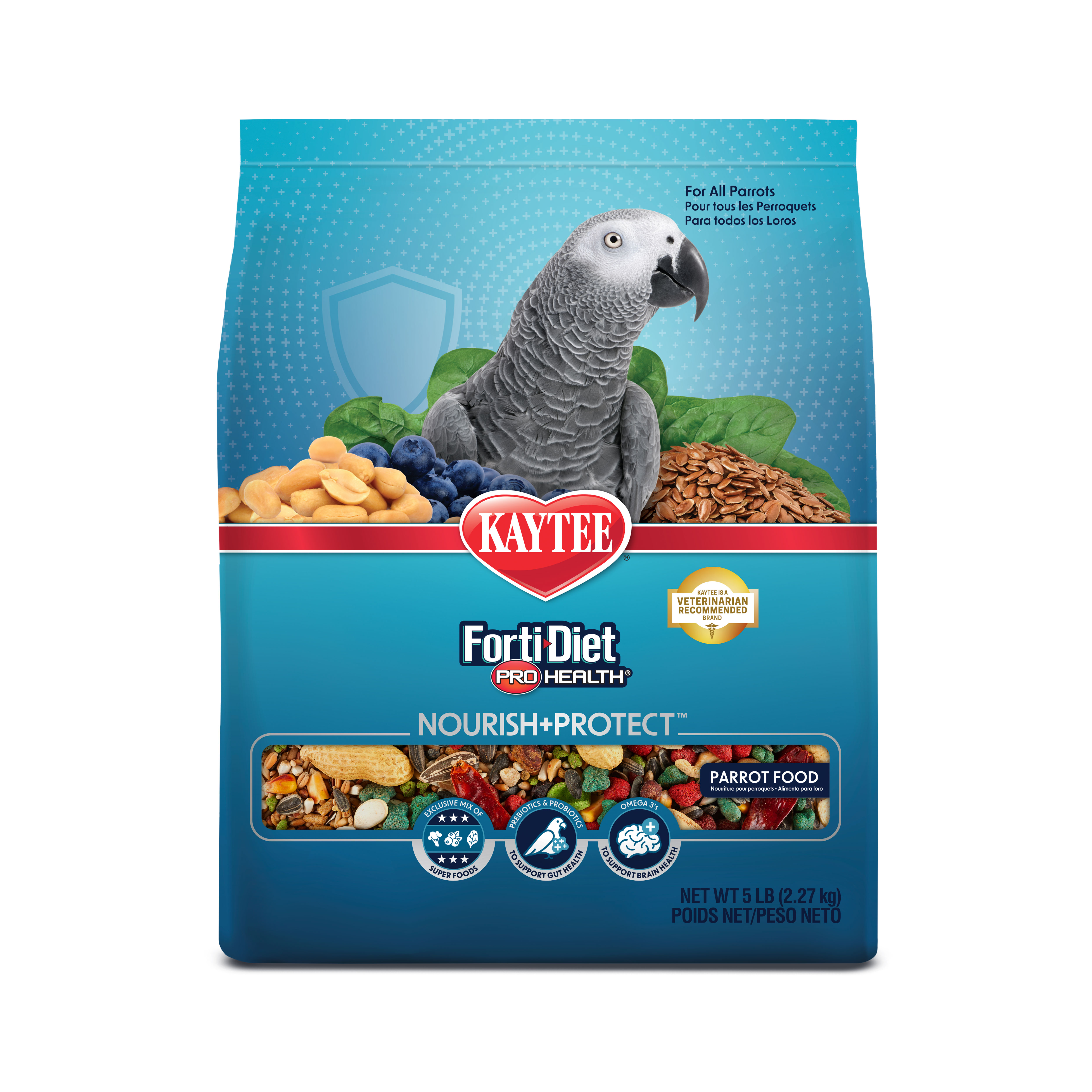
Limit high-fat seeds like sunflower to avoid weight gain. Mix seeds with other foods for a balanced diet. Seeds encourage natural foraging behavior and keep birds active.
Credit: www.kaytee.com
Proteins Suitable For Birds
Protein is vital for your pet bird’s health. It supports muscle growth, feather development, and overall energy. Many people food options provide safe protein sources for birds. Choosing the right proteins helps keep your bird strong and active.
Cooked Meats And Alternatives
Cooked meats offer a good source of protein for birds. Use plain chicken, turkey, or lean beef without seasoning. Avoid salt, spices, and sauces as they can harm your bird. Cut the meat into small, bite-sized pieces for easy eating.
Other alternatives include cooked fish like salmon or tuna. These are rich in omega-3 fatty acids, which benefit feathers and skin. Always remove bones before serving. Avoid fried or processed meats to prevent unhealthy fats.
Eggs And Legumes
Eggs are an excellent protein source for birds. Serve boiled or scrambled eggs without butter or salt. Eggs provide essential amino acids and vitamins needed for growth.
Legumes such as lentils, chickpeas, and beans are healthy plant-based proteins. Cook them thoroughly to make digestion easier. Avoid canned beans with added salt or preservatives. These options add variety and nutrition to your bird’s diet.
Foods To Avoid Feeding Birds
Knowing which foods to avoid feeding your pet bird is just as important as knowing what to feed them. Some common human foods can cause serious harm or even be fatal to birds. Protecting your feathered friend means staying informed about these dangers and recognizing signs of toxicity early.
Common Human Foods Harmful To Birds
Many everyday foods you enjoy can be toxic to birds. Avoid giving your bird:
- Avocado:Contains persin, which can cause heart damage and respiratory problems.
- Chocolate:Contains theobromine and caffeine, both toxic to birds, leading to seizures or death.
- Onions and garlic:Can cause anemia and digestive upset.
- Caffeine:Found in coffee, tea, and soda, it can cause hyperactivity, heart problems, and even death.
- Alcohol:Even small amounts can depress the nervous system and harm your bird’s organs.
- Salt:High salt intake can lead to kidney failure and dehydration.
- Fruit pits and seeds:Such as apple seeds, cherry pits, and peach stones contain cyanide, which is deadly.
Have you ever thought about how many harmful items might be hiding in your kitchen? Keeping these foods out of reach is essential for your bird’s safety.
Signs Of Food Toxicity In Birds
Recognizing food poisoning signs quickly can save your bird’s life. Watch for symptoms like:
- Vomiting or regurgitation
- Diarrhea or unusual droppings
- Weakness or lethargy
- Difficulty breathing or rapid breathing
- Seizures or tremors
- Swelling around the eyes or face
- Loss of appetite
If your bird shows any of these signs after eating something questionable, contact your avian vet immediately. Birds often hide illness until it’s severe, so prompt action is critical.
Have you noticed subtle changes in your bird’s behavior that might suggest illness? Paying close attention can make all the difference.
Tips For Introducing New Foods
Introducing new foods to your pet bird can be an exciting yet delicate process. Birds are creatures of habit, so sudden changes might make them hesitant or stressed. Knowing how to safely and patiently offer new foods can make the transition smoother for both you and your feathered friend.
Safe Food Preparation
Always wash fruits and vegetables thoroughly to remove any pesticides or dirt. Cut foods into small, manageable pieces that your bird can easily pick up and eat. Avoid adding salt, sugar, or seasoning, as these can harm your bird’s health.
Think about the texture and size of the food. For example, soft fruits like bananas or cooked carrots are easier for some birds to accept at first. Raw nuts should be unsalted and shelled to prevent choking hazards.
Monitoring Bird’s Reaction
Watch your bird closely after offering new foods. Do they show interest, or do they back away? Sometimes birds may nibble a tiny bit before deciding if they like it.
Keep a food diary to track which items your bird enjoys and which they reject. This can help you spot any signs of allergies or digestive issues early. If your bird refuses a food, try offering it again after a few days rather than giving up immediately.
Balancing Diet For Optimal Health
Balancing your pet bird’s diet is key to keeping it healthy and happy. Birds need a mix of nutrients that commercial foods alone might not fully provide. Adding fresh foods thoughtfully ensures your feathered friend gets vitamins, minerals, and variety, which supports their overall well-being.
Combining Commercial And Fresh Foods
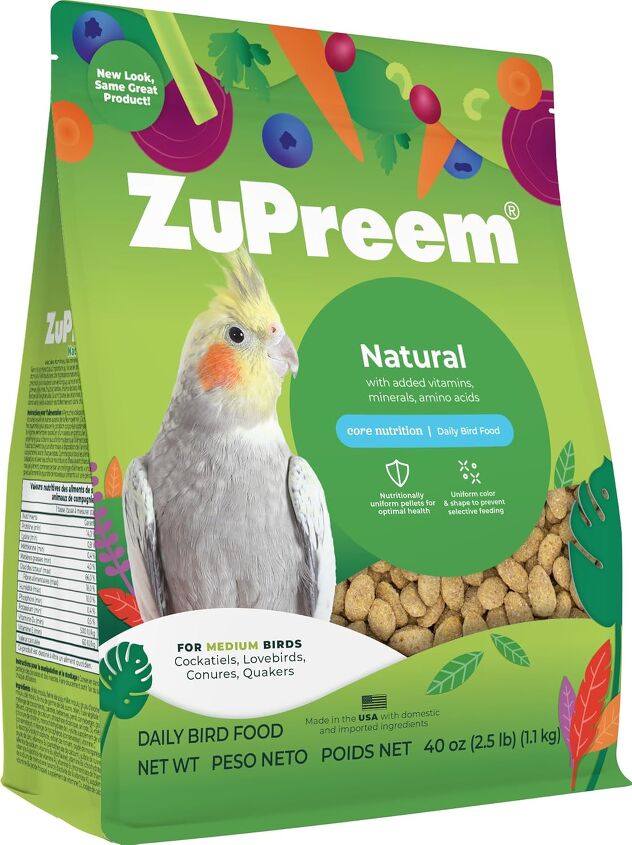
Commercial bird pellets are designed to meet basic nutritional needs, making them a reliable foundation. However, fresh fruits and vegetables add natural nutrients and textures that pellets can’t offer. Try mixing a small portion of chopped apples, carrots, or leafy greens with their regular pellets to spark their interest and boost nutrition.
Keep in mind some foods are harmful—avoid avocado, chocolate, and onions. Watching how your bird reacts to new foods helps you find the best mix for their taste and health. Have you noticed your bird’s preferences change over time?
Seasonal Food Choices
Seasonal fruits and vegetables can bring exciting variety to your bird’s diet. In spring, fresh peas and berries are excellent choices, while autumn offers squash and sweet potatoes. These seasonal options provide fresh flavors and nutrients your bird might crave.
Offering seasonal foods can also connect your bird’s diet to natural cycles, which might improve their digestion and mood. What seasonal treats could you introduce this week? Always wash produce thoroughly and serve small portions to avoid waste and digestive upset.

Credit: kathylafollett.medium.com

Credit: www.amazon.com
Frequently Asked Questions
What Human Foods Are Safe For Pet Birds?
Safe human foods for pet birds include fresh fruits, vegetables, cooked grains, and unsalted nuts. Avoid chocolate, caffeine, avocado, and alcohol, as these are toxic to birds. Always wash fruits and veggies thoroughly before offering them to your pet bird.
Can Pet Birds Eat Cooked Meat Or Eggs?
Yes, pet birds can eat small amounts of cooked meat and eggs. These provide essential protein and nutrients. Make sure the meat is unseasoned and fully cooked to avoid any health risks for your bird.
Which Fruits Are Best For Pet Birds To Eat?
Bird-safe fruits include apples, berries, melons, and grapes. Remove seeds and pits, as some can be toxic. Offer fruits fresh and in moderation to maintain a balanced diet for your pet bird.
Are Dairy Products Safe For Pet Birds?
Most birds are lactose intolerant, so avoid dairy products. Small amounts of hard cheese may be tolerated by some birds. Always consult a vet before introducing any dairy to your bird’s diet.
Conclusion
Offering the right food keeps your pet bird healthy and happy. Fresh fruits and vegetables can be safe choices. Avoid foods with salt, sugar, or artificial additives. Clean food dishes daily to prevent bacteria. Always consult your vet for specific dietary needs.
Birds have different needs than humans. So, offer foods wisely. Introduce new foods gradually to see their reaction. Watch for any signs of allergies or distress. A balanced diet is crucial for their well-being. Enjoy the joyful chirps and vibrant feathers of a well-fed bird.
Your pet deserves the best care and nourishment.