
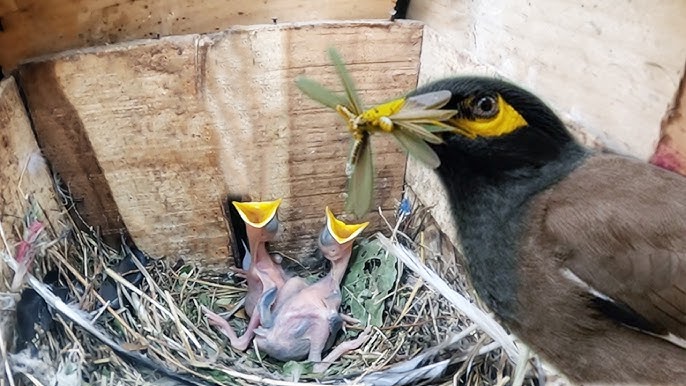
Taking care of baby minor birds can feel tricky, especially when it comes to feeding them. You want to make sure your tiny feathered friends get the right nutrition to grow strong and healthy.
But what exactly should you feed baby minor birds? If you’ve ever found yourself staring at their tiny beaks, wondering what to offer next, you’re not alone. This guide will walk you through simple, effective feeding tips that will help your baby birds thrive.
Keep reading to discover easy-to-follow advice that will make feeding time less stressful and more rewarding for both you and your little birds.
Identifying Baby Minor Birds
Recognizing baby minor birds is your first step toward providing the right care and food. These tiny creatures vary widely, so knowing what species you’re dealing with helps you meet their specific needs. Identifying them correctly also prevents accidental harm and supports their survival.
Common Species
Minor birds often include sparrows, finches, and warblers. These small birds are common in urban and suburban areas, making them the most likely candidates you’ll encounter. Each species has unique habits and dietary preferences, so take note of where you find the bird and what sounds it makes.
Physical Characteristics
Baby minor birds usually have soft down feathers instead of full plumage. Their eyes might be closed or just opening, and their beaks look proportionally large. Pay attention to their size and feather pattern, which can help you identify the species more accurately.
Signs Of Nestling Vs Fledgling
Nestlings are younger and completely dependent on care; they stay in the nest and often cannot regulate their body temperature. Fledglings have more feathers and start exploring outside the nest but still rely on parents for feeding. Can you spot the difference in their mobility or feather development? This helps you decide if intervention is necessary or if the bird is still under natural care.
Nutritional Needs Of Baby Birds
Feeding baby minor birds is more than just offering food; it’s about meeting their unique nutritional needs to support healthy growth. These tiny creatures require a balanced diet tailored to their rapid development stages. Understanding what nutrients they need helps you provide the best care and improve their survival chances.
Protein Requirements
Baby birds need plenty of protein to build strong muscles and feathers. Unlike adult birds, their diets must be richer in protein because they grow fast. You can provide protein through soft insects like mealworms or finely chopped boiled eggs.
Have you noticed how baby birds eagerly swallow small insects? That instinct shows how crucial protein is for their energy and development. Avoid feeding them hard-to-digest foods, as their young digestive systems are delicate.
Hydration Essentials
Water is vital, but baby birds usually get most of their hydration from their food. Still, you must ensure they stay hydrated, especially if you feed dry or solid foods. You can gently offer water using a small dropper or mix water into their soft food.
Watch closely for signs of dehydration like lethargy or sunken eyes. Keeping baby birds hydrated helps their organs function properly and supports nutrient absorption.
Vitamins And Minerals
Vitamins and minerals play a silent but crucial role in the health of baby birds. Calcium is especially important for bone growth and feather strength. You can add crushed eggshells or a small pinch of bird-safe supplements to their diet.
Don’t overlook vitamins A and D, which support their immune system and overall vitality. Think about what wild baby birds get from their parents and natural food sources—try to mimic that as closely as possible to boost their chances of thriving.
Safe Food Options
Feeding baby minor birds the right food is key to their health. Safe food options provide essential nutrients and energy. Choose foods that are easy for them to eat and digest. Avoid anything harmful or toxic to small birds. Here are some safe food choices that support their growth and development.
Insects And Worms
Baby minor birds need protein to grow strong. Live or dried insects like mealworms, crickets, and small worms are excellent. They mimic the birds’ natural diet. Avoid insects caught outdoors to prevent pesticides or parasites. Offer small pieces to avoid choking. Insects also provide fats and minerals important for energy.
Fruits And Vegetables
Fresh fruits and vegetables supply vitamins and hydration. Soft options like mashed peas, finely chopped apples, and berries work well. Avoid citrus fruits and anything with seeds or pits. Steamed vegetables like carrots or squash can be easier to digest. Always wash produce carefully to remove chemicals or dirt. Offer small portions to prevent waste.
Commercial Bird Foods
High-quality commercial bird foods designed for baby birds offer balanced nutrition. Pellets or seed mixes made for minor birds contain vitamins, minerals, and proteins. Use these as a supplement or main diet. Check the ingredient list to avoid fillers or harmful additives. Follow feeding instructions for age and species. Store food in a cool, dry place to keep it fresh.

Credit: www.youtube.com
Foods To Avoid
Feeding baby minor birds requires careful attention to what foods to avoid. Some foods can harm their health or even be fatal. Knowing what not to feed keeps baby birds safe and growing strong. Avoiding certain plants, human foods, and overfeeding risks is essential for their well-being.
Toxic Plants And Foods
Many common plants and foods are toxic to baby birds. Avoid these to prevent poisoning:
- Avocado – contains persin, toxic to birds
- Chocolate – causes heart and nervous system issues
- Onions and garlic – can damage red blood cells
- Caffeine – leads to increased heart rate and tremors
- Rhubarb leaves – contain harmful oxalates
- Apple seeds – have cyanide compounds
Keep all these away from baby birds at all times.
Processed Human Foods
Processed foods lack proper nutrients for baby birds. Avoid feeding:
- Salty snacks like chips and pretzels
- Sugary sweets and candies
- Fast food and fried items
- Processed meats like sausages or deli cuts
- Foods with artificial flavors or preservatives
These can cause digestive problems and poor growth.
Overfeeding Risks
Giving too much food harms baby birds. Overfeeding can cause:
- Obesity and liver problems
- Digestive blockages and discomfort
- Reduced appetite for healthy foods
- Choking hazards from large food pieces
Feed small amounts frequently and watch their response closely.
Feeding Techniques
Feeding baby minor birds requires gentle care and the right techniques to ensure they get the nutrition they need to grow strong. Proper feeding methods can make a big difference in their health and development. Let’s look at some practical tips that will help you feed these tiny birds effectively.
Hand-feeding Tips
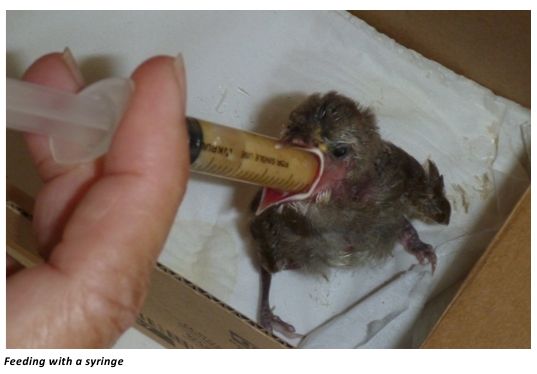
Hand-feeding baby birds takes patience and a steady hand. Use a soft, small syringe or dropper to control the amount of food you offer. Avoid forcing the food into their mouths; instead, let the baby bird open its beak naturally.
Keep the feeding environment calm and quiet to prevent stress. Warm the food to about body temperature before feeding—it helps digestion and keeps the baby comfortable. Have you noticed how sensitive these little birds are to temperature changes?
Feeding Frequency
Baby minor birds need frequent feedings because their stomachs are tiny and digest food quickly. Generally, feeding every 2 to 3 hours during daylight is ideal. As they grow, you can gradually increase the interval between feedings.
Pay attention to the bird’s behavior—if it’s restless or chirping, it might be hungry. Do you find it challenging to keep up with the feeding schedule? Setting alarms can help you stay consistent.
Tools And Equipment
Having the right tools makes feeding easier and safer for both you and the bird. A small syringe or eyedropper is perfect for delivering food gently. Use a shallow bowl or small container to mix and warm the formula.
Keep all equipment clean to prevent infections—rinse thoroughly after each feeding session. You might also want to keep a soft cloth or paper towel nearby for wiping spills and cleaning the baby’s beak. What tools have you found most helpful in your feeding routine?
Credit: besgroup.org
When To Seek Expert Help
Knowing when to seek expert help is crucial for the wellbeing of baby minor birds. Some situations need professional care beyond home feeding and care. Prompt action can save the bird’s life and improve its chances of survival. Learning the signs of illness, understanding rehabilitation centers, and following legal rules helps ensure the best care for these delicate creatures.
Signs Of Illness
- Weakness or lack of movement
- Labored or noisy breathing
- Fluffed-up feathers for long periods
- Refusal to eat or drink
- Visible wounds or bleeding
- Discharge from eyes or beak
- Unusual droppings or diarrhea
Notice these signs early. Sick birds cannot recover well without proper treatment.
Rehabilitation Centers
These centers specialize in caring for injured or orphaned birds. They have trained staff and medical equipment. They provide proper food, warmth, and medical care. Experts can prepare the birds for release back into the wild. Contact a local wildlife rehabilitation center when you find a baby bird in trouble.
Legal Considerations
Many countries protect wild birds by law. Handling or keeping wild birds may require permits. Some species are fully protected and must not be disturbed. Check local wildlife laws before intervening. Following the law helps protect both the birds and you from legal trouble.

Credit: www.youtube.com
Frequently Asked Questions
What Is The Best Food For Baby Minor Birds?
Baby minor birds thrive on soft, protein-rich foods like soaked seeds, insects, and finely chopped fruits. Avoid hard seeds until they mature. A balanced diet supports healthy growth and development.
How Often Should Baby Minor Birds Be Fed Daily?
Feed baby minor birds every 2 to 3 hours during daylight. Frequent feeding mimics natural parental care. Consistent meals ensure proper nutrition and energy for growth.
Can I Feed Baby Minor Birds With Commercial Bird Formula?
Yes, commercial bird formula is a safe, nutritious option. Choose formulas designed for baby songbirds. Follow package instructions carefully to avoid overfeeding or malnutrition.
When Can Baby Minor Birds Start Eating Solid Food?
Introduce solid food gradually at 2 to 3 weeks old. Start with soft fruits and soaked seeds. Monitor their ability to eat independently before reducing soft foods.
Conclusion
Feeding baby minor birds needs care and patience. Offer soft, easy-to-eat foods often. Fresh water helps them stay healthy and strong. Watch their eating habits to spot any problems early. Feeding them right supports their growth and survival. Small steps make a big difference for these tiny birds.
Caring for baby birds brings joy and helps nature thrive. Keep learning and enjoy the process of helping them grow.