
Finding a baby bird that has fallen out of its nest can be upsetting, and you might wonder, “What do I feed it?” You want to help, but feeding a tiny, fragile bird isn’t as simple as it seems. Giving the wrong food can do more harm than good.
If you want to make sure your little feathered friend gets the right care and nutrition, keep reading. This guide will show you exactly what to feed a baby bird that’s fallen from its nest—and how to do it safely.
Your quick actions could make all the difference.
Identifying Baby Bird Needs
Finding a baby bird that has fallen from its nest can be alarming. Before deciding what to feed it, you need to understand its specific needs. Identifying these needs helps you provide the right care and increases the bird’s chances of survival.
Age And Species Considerations
Baby birds have different dietary needs depending on their age and species. Nestlings—those with little or no feathers—require frequent feedings of protein-rich food like insects. Older fledglings can handle softer solids, such as soaked dog food or small fruits.
Species matters too. For example, songbirds eat mostly insects, while pigeons need a diet richer in seeds and grains. Research the species if you can, or consult a local wildlife expert to avoid feeding the wrong food.
Signs Of Distress
Look closely at the baby bird for signs of distress before feeding. Is it lethargic, shivering, or breathing rapidly? These signs may mean the bird is dehydrated or injured and needs immediate help beyond feeding.
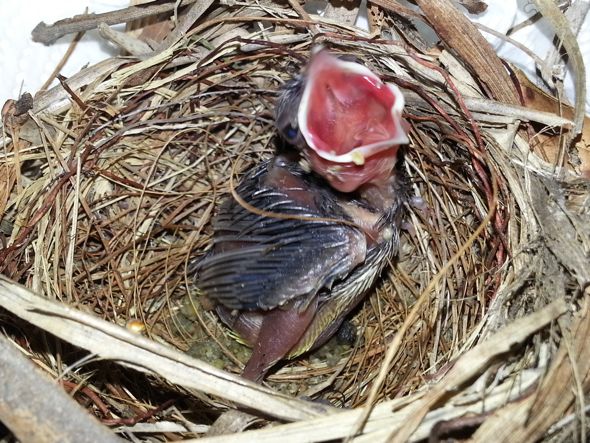
Sometimes, the bird may chirp loudly or open its mouth wide, signaling hunger. If the bird seems calm and alert, you can cautiously proceed with feeding after ensuring it’s safe.
Assessing Nest Status
Check if the nest is nearby and intact. Sometimes, baby birds fall out but the parents are still caring for them. If the nest is reachable and safe, gently returning the bird might be the best option.
If the nest is destroyed or the parents are absent, feeding and shelter become critical. Ask yourself: Is this bird truly orphaned, or is it just exploring? Your decision should protect the bird without disrupting natural care.
Safe Handling Tips
Handling a baby bird that has fallen out of its nest requires care and attention. Your actions can either help the bird recover or cause it additional harm. Understanding how to handle the bird safely ensures you provide the best chance of survival while minimizing stress and injury.
Minimizing Stress
Baby birds can become very stressed when handled by humans. Keep your movements slow and calm to avoid frightening the bird. Speak softly or remain silent to prevent adding to its anxiety.
Limit the amount of time you hold the bird. The less time away from its natural environment, the better. Stress can weaken the bird’s immune system, so quick and gentle handling is key.
Proper Holding Techniques
Hold the baby bird gently but firmly to prevent it from flapping or escaping. Use your fingers to support its body while avoiding squeezing its chest, which can interfere with breathing.
Cradle the bird with one hand, letting its feet rest against your palm or fingers. This gives the bird a sense of stability and security. Avoid holding the bird by its wings or legs, which can cause injury.
When To Wear Gloves
Wearing gloves can protect both you and the bird, but it’s not always necessary. Use gloves if the bird is wild and you are concerned about diseases or parasites. Thin, breathable gloves work best to maintain your sense of touch.
If you choose not to wear gloves, wash your hands thoroughly before and after handling the bird. This helps prevent the transfer of germs and keeps the bird safe. Have you considered how your hygiene habits impact the bird’s health?
Feeding Essentials
Feeding a baby bird that has fallen out of its nest requires careful attention and understanding. The right food can make a huge difference in its survival and growth. Here’s what you need to know about feeding essentials to give your little feathered friend the best start.
Diet Basics For Baby Birds
Baby birds need a diet rich in protein and moisture to support their rapid growth. Their digestive systems are sensitive, so feeding them soft, easily digestible food is key. You should aim to mimic what the parent birds would naturally provide, focusing on insects, worms, or soft fruits depending on the species.
Feeding frequency is just as important as the diet itself. Most baby birds require feeding every 15 to 20 minutes from dawn until dusk. Skipping meals can lead to dehydration and weakness quickly.
Suitable Foods By Species
Different species have different dietary needs. For insect-eating birds like robins or bluebirds, small insects such as mealworms, crickets, or finely chopped boiled egg work well. Seed-eating birds, such as finches or sparrows, benefit from soaked seeds or a mash made from bird seed mixed with water.
If you’re unsure about the species, ask a local wildlife rehabilitator for advice. Offering the wrong food can do more harm than good.
Foods To Avoid
Never feed baby birds bread or milk. Bread offers no nutritional value and can cause digestive issues, while milk is difficult for birds to digest. Avoid processed or seasoned human foods altogether.
Also, stay away from honey and salt, which can be toxic. Raw meat or fish might seem natural but can carry bacteria harmful to the baby bird. Stick with natural, species-appropriate options to keep your bird safe and healthy.
Feeding Methods
Feeding a baby bird that fell out of its nest requires care and the right techniques. The feeding method affects the bird’s health and growth. Proper feeding helps the baby bird stay strong and develop well. Different tools and schedules help meet the baby bird’s needs effectively.
Hand-feeding Techniques
Use gentle hands to feed the baby bird. Hold the bird securely but softly. Support its body without squeezing. Offer food slowly to avoid choking. Let the bird open its beak naturally. Avoid forcing food inside.
Use a small spoon or your finger for feeding. Place food near the bird’s beak. Wait for the bird to swallow before offering more. Keep the bird calm during feeding times. Speak softly to reduce stress.
Using Feeding Tools
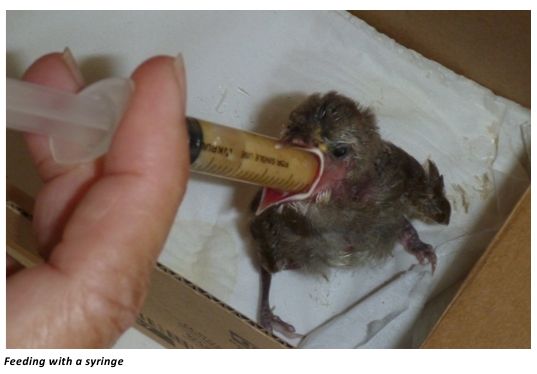
- Use a syringe with a soft tip for liquid food.
- Feeding spoons work well for semi-solid food.
- Tweezers help feed small insects or worms.
- Choose tools that fit the bird’s size and beak shape.
- Clean all tools before and after use to prevent infection.
Tools help control the amount and speed of feeding. They also reduce the risk of injury. Be patient while using tools to feed gently.
Feeding Frequency And Amounts
Feed baby birds often to match their natural needs. Young birds eat every 15 to 20 minutes. Gradually increase time between feedings as they grow. Offer small amounts to avoid overfeeding.
Observe the bird’s hunger cues like opening its mouth wide. Stop feeding when the bird turns away or closes its beak. Keep track of feeding times and amounts daily. Adjust feeding based on the baby bird’s weight and activity.
Hydration Needs
Hydration is vital for a baby bird that fell out of its nest. Young birds can quickly become weak without enough water. Their tiny bodies lose fluids fast, so providing proper hydration is key. Water supports their digestion, temperature control, and overall health. Careful attention to hydration helps the bird stay strong and recover well.
Providing Water Safely
Offer water in a shallow dish or drop it on the bird’s beak. Avoid forcing water directly into its mouth to prevent choking. Use a small syringe or dropper for precise control. Keep the water clean and fresh. Room temperature water works best, neither too hot nor too cold.
Signs Of Dehydration
- Sunken or dull eyes
- Dry or wrinkled skin
- Weakness or lethargy
- Sticky or dry mouth
- Loss of appetite
Spotting these signs early helps prevent serious health issues. Act fast by offering water and seeking expert care if needed.
Hydration Alternatives
If the bird refuses plain water, try diluted fruit juice with no sugar. Electrolyte solutions made for animals also help restore fluids. Moistening its food with water adds hydration during feeding. Avoid giving milk or human drinks that can harm the bird.
Credit: besgroup.org
Nesting And Warmth
Keeping a baby bird warm and secure after it falls out of the nest is one of the most crucial steps to ensure its survival. Nesting and warmth provide the foundation for the chick’s health and comfort, especially when it’s vulnerable and unable to regulate its own body temperature. Your quick action in creating a safe, warm environment can make all the difference.
Creating A Temporary Nest
You can make a simple, cozy nest using items around your home. A small basket, bowl, or even a sturdy cardboard box works well as a base.
- Line it with soft materials such as clean tissues, paper towels, or cloth scraps.
- Make sure the lining is thick enough to cushion the bird but not so deep that it could get trapped.
- Place the nest in a quiet, sheltered spot away from pets and loud noises.
I once used a small shoebox and filled it with cotton pads to keep a fallen chick warm. The bird stayed calm and safe until I could contact a wildlife rehabilitator.
Maintaining Proper Temperature
Baby birds need warmth similar to what their mother provides. A temperature around 95°F (35°C) is ideal for very young chicks, slowly decreasing as they grow.
If you don’t have a heat lamp, use a heating pad set on low. Place it under half of the nest, so the bird can move to a cooler side if needed.
Check the bird often for signs of overheating like panting or spreading wings. Keeping the right temperature prevents stress and supports healthy development.
Materials To Use
Choosing the right materials for the temporary nest is key. Avoid anything that can unravel or trap the bird’s toes.
- Soft cloths:Use old cotton t-shirts or fleece scraps.
- Paper towels or tissues:These provide softness and are disposable for easy cleaning.
- Natural fibers:Dry grass or shredded leaves can work, but ensure they’re clean and free from pesticides.
Steer clear of materials like wool or yarn, which can tangle around the bird’s legs. Always prioritize safety and comfort to keep your little feathered friend secure.
When To Seek Professional Help
Knowing when to seek professional help for a baby bird that has fallen out of its nest can make all the difference in its chances of survival. Some situations require expert care beyond what you can provide at home. Recognizing these moments is crucial to give the bird the best possible outcome.
Wildlife Rehabilitators
If the baby bird appears injured, weak, or cold, reaching out to a wildlife rehabilitator is essential. These professionals have experience in caring for wild birds and understand their specific dietary and environmental needs.
Wildlife rehabilitators can provide a safe space for the bird to recover and prepare it for release back into the wild. You might find local rehabilitators through online searches or by contacting animal rescue organizations in your area.
Veterinary Care
Injuries such as broken wings, swollen eyes, or bleeding require immediate veterinary attention. A vet can assess the bird’s health and treat conditions that are impossible for you to handle at home.
Even if the bird seems fine, a vet visit is wise if you are unsure about its condition. Early medical intervention can prevent infections and complications that reduce survival chances.
Legal Considerations
Keep in mind that in many places, it is illegal to keep wild birds without a permit. Handling certain species may require special authorization to avoid legal trouble.
Before attempting to care for a baby bird yourself, check local wildlife laws. This ensures you are protecting both the bird and yourself.
Credit: besgroup.org
Preventing Future Falls
Preventing future falls is key to keeping baby birds safe. Ensuring their nests are secure helps reduce accidents. Observing and supporting the natural care from parent birds can also make a big difference. Simple actions can protect young birds and help them grow strong.
Nest Safety Tips
- Place nests in sheltered spots away from strong wind and rain.
- Use soft materials like grass or feathers to cushion the nest.
- Secure the nest firmly so it does not wobble or fall easily.
- Keep the area around the nest free from predators and pets.
Monitoring Nesting Areas
Check nests regularly to spot any damage or danger early. Watch from a distance to avoid scaring the birds. Note any signs of weakness or instability in the nest structure. Early action can prevent baby birds from falling out.
Helping Parents Care
Encourage natural feeding and care by minimizing human interference. Avoid touching baby birds unless absolutely necessary. Provide clean water nearby for the parents to drink. Keep pets and loud noises away to reduce stress on the family.

Credit: www.petsradar.com
Frequently Asked Questions
What Should I Feed A Baby Bird That Fell Out?
Feed a baby bird small, soft insects like mealworms or finely chopped boiled egg. Avoid bread or milk. Use a dropper for easy feeding.
Can I Give Water To A Baby Bird?
Yes, but only a few drops of water using a dropper. Avoid forceful water feeding to prevent choking or drowning.
How Often Should I Feed A Baby Bird?
Feed every 15-20 minutes during daylight hours for very young birds. Older nestlings need feeding every 30-60 minutes.
Should I Try To Return The Baby Bird To Its Nest?
Yes, if the nest is reachable and intact. Parents usually accept their babies back and continue feeding them.
Conclusion
Feeding a baby bird fallen from its nest needs care and patience. Offer soft, small foods like insects or soaked dog food. Keep feeding often, every 15-20 minutes during the day. Avoid giving milk or bread, as they can harm the bird.
Always keep the bird warm and safe. Contact a wildlife expert for best help. Your quick action can save the baby bird’s life. Remember, gentle care makes a big difference. Every little effort counts.