
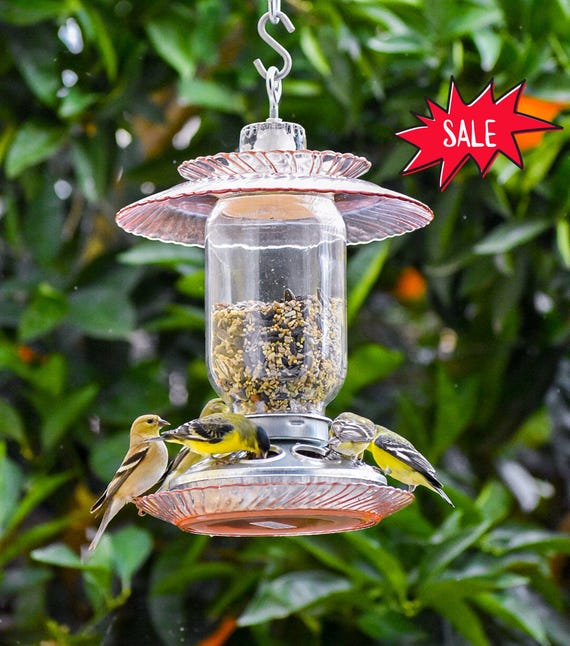
If you love watching birds visit your yard, you know a bird feeder can bring endless joy. But have you ever wondered what the best way is to hang a bird feeder?
Choosing the right method makes a big difference. It keeps your feeder safe, steady, and easy to refill. Plus, it helps attract more birds to your space. You’ll discover simple, effective ways to hang your bird feeder so you get the most out of every visit.
Keep reading, and soon you’ll have your feathered friends coming back again and again.
Choosing The Right Hanging Tools
Choosing the right hanging tools for your bird feeder affects both its safety and accessibility for birds. The tool you pick should fit the location, feeder type, and weather conditions. It’s not just about convenience; the right hanger can keep your feeder stable and attract more feathered visitors.
Types Of Hooks For Bird Feeders
Hooks are the classic choice for hanging bird feeders. They come in various shapes like S-hooks, shepherd’s hooks, and ceiling hooks. Each type has its strengths; for instance, shepherd’s hooks offer sturdy ground placement, while S-hooks work well on branches or poles.
Think about the weight of your feeder and where you want to hang it. A heavy feeder needs a strong metal hook, preferably rust-resistant. Have you ever seen a feeder swing wildly in the wind? A secure hook can prevent that wobbling.
Using Chains And Cords
Chains and cords give you flexibility in height and position. Chains are durable and can support heavier feeders, while cords are lighter and easier to adjust. Using a chain can also add a decorative touch if you prefer a rustic look.
Consider nylon cords for weather resistance or metal chains for strength. If you want to change feeder height with the seasons, cords with adjustable knots work well. What if you could make your feeder more accessible to different bird species just by tweaking its height?
Suction Cups And Window Mounts
Suction cups and window mounts are perfect if you want birds close to your window for better viewing. These tools usually attach directly to glass surfaces, saving yard space. They’re easy to install but work best with lightweight feeders.
Make sure the suction cups are strong and clean before use to avoid falls. These mounts let you watch birds in action without stepping outside. How often do you get to enjoy birdwatching right from your couch?

Credit: feedsnneeds.ca
Materials For Durability And Safety
Choosing the right materials to hang a bird feeder is important for its durability and safety. The materials must withstand weather changes and keep birds safe. Proper materials also support the feeder’s weight without breaking or bending.
Weather-resistant Options
Materials that resist rain, sun, and wind last longer outdoors. Stainless steel hooks and chains do not rust easily. Heavy-duty nylon cords can handle wet conditions without rotting. Plastic-coated cables offer extra protection against moisture. Avoid materials that weaken or break quickly in bad weather.
Non-toxic Materials For Birds
Birds are sensitive to harmful chemicals. Use natural fibers like cotton or jute for hanging. Metal parts should be free from lead and zinc. Avoid painted or coated materials that may peel or chip. Safe materials protect birds from poisoning and irritation.
Strength And Weight Considerations
The material must hold the feeder’s weight plus birds landing on it. Strong metal chains or cables work well for heavy feeders. Lightweight feeders can hang on sturdy nylon or natural ropes. Check the weight limit before buying any hanging material. Secure knots and fasteners improve safety and stability.
Installation Tips For Stability
Ensuring your bird feeder stays stable can make a big difference in attracting more birds and keeping the feeder safe from wind or curious animals. Stability means less frustration for you and a safer feeding spot for your feathered visitors. Let’s look at practical ways to secure your feeder firmly in place.
Securing Feeders To Trees
Attaching a feeder directly to a tree can be convenient, but you need to be gentle to avoid harming the tree. Use adjustable straps or bungee cords instead of nails or screws to protect the bark and allow for tree growth.
Wrap the strap securely around the branch or trunk and check regularly to prevent tightening too much. This method keeps your feeder stable and reduces damage to the tree, which benefits both your garden and the birds.
Mounting On Poles And Posts
Poles and posts offer a flexible and sturdy option for feeders. Choose a metal or wooden pole that can withstand weather and anchor it deep into the ground for maximum stability.
Consider adding a baffle below the feeder to deter squirrels and other pests. This setup lets you place the feeder anywhere you want and keeps it steady even during strong winds.
Hanging From Porch Ceilings
Hanging a feeder from a porch ceiling can bring birds close to your living space for easy watching. Use a strong hook or eye bolt anchored into a ceiling joist to ensure the feeder won’t fall.
Check the hook’s weight limit and the feeder’s weight before hanging to avoid accidents. This method offers both stability and convenience, making bird feeding a part of your daily routine.
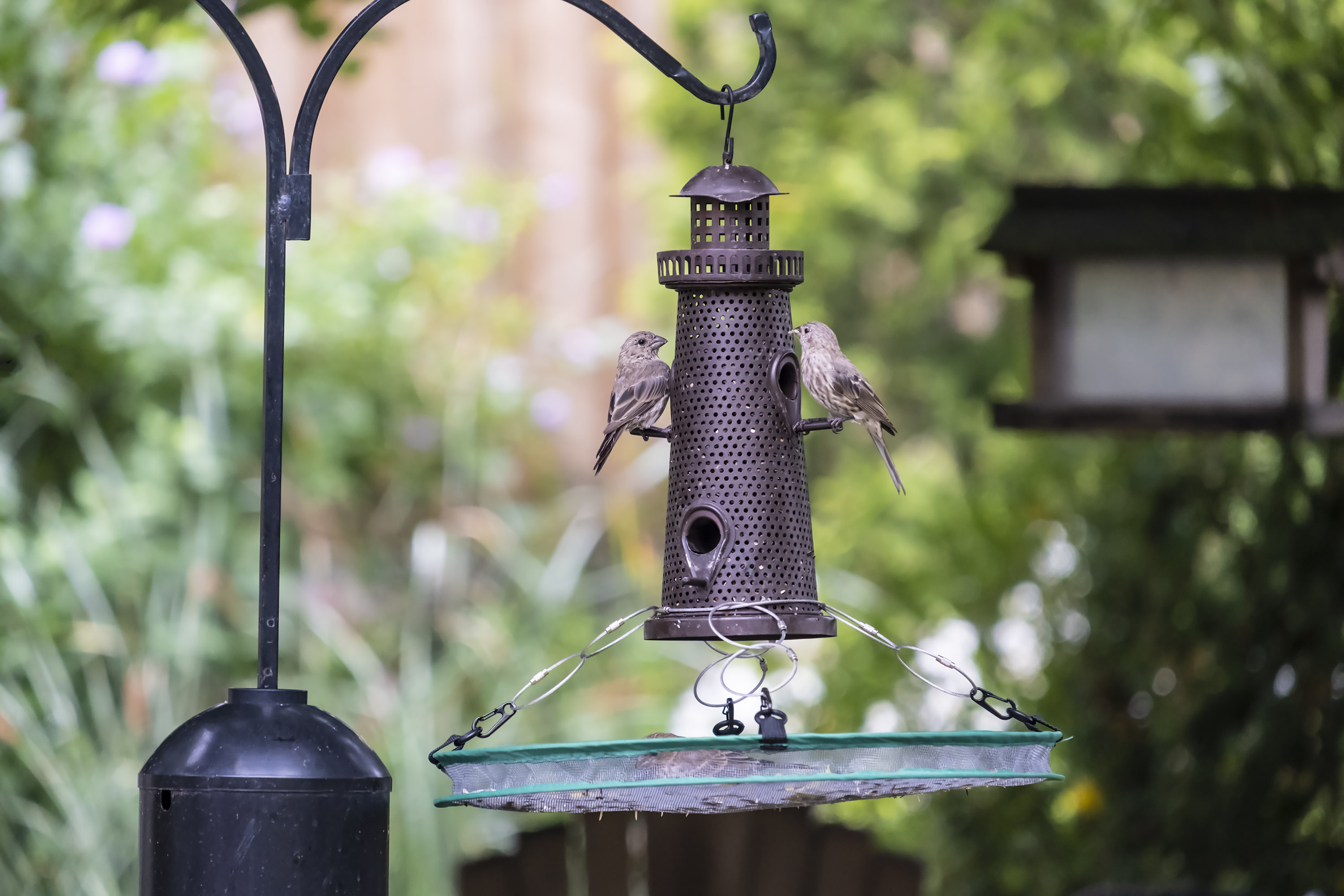
Credit: dengarden.com
Avoiding Common Hanging Mistakes
Hanging a bird feeder might seem simple, but many make avoidable mistakes that affect both the birds and your enjoyment. Small details can change how stable the feeder is, how safe it stays from predators, and how easy it is to clean. Paying attention to these points helps you create a welcoming spot for birds that’s easy to maintain.
Preventing Swinging And Swaying
Bird feeders that swing too much can scare birds away and spill seeds everywhere. Use sturdy, non-stretchy materials like metal chains or thick nylon cords to hang your feeder. Attaching a weight or stabilizer beneath the feeder can reduce movement during wind or when birds land.
Have you noticed feeders swaying wildly in your yard? Try hanging it closer to a solid structure like a fence or tree branch. This limits its range of motion without trapping the birds.
Keeping Feeders Away From Predators
Placement matters. Hanging your feeder too close to a jumping-off point gives squirrels or cats easy access. Aim to place feeders at least 10 feet away from branches or structures that predators can use as launchpads.
Think about the predators common in your area. If raccoons are a problem, hanging feeders higher or using baffles can block their climb. It’s about creating a safe zone where birds feel secure to feed.
Ensuring Easy Access For Cleaning
Regular cleaning keeps birds healthy but is often overlooked. Hang your feeder where you can reach it comfortably without climbing dangerously or using awkward tools.
Consider a spot near your door or on a sturdy hook that allows quick removal. This convenience encourages you to clean more often, preventing mold and disease buildup.
Enhancing Feeder Placement
Enhancing feeder placement is key to attracting more birds and keeping them safe. Proper placement makes feeding easier for birds. It also helps you enjoy watching them. Thoughtful positioning prevents feeder damage and keeps the seeds fresh.
Ideal Height For Bird Feeders
Place feeders 5 to 6 feet above the ground. This height keeps birds away from predators. It also helps you see them clearly. Avoid hanging feeders too low, where cats or squirrels can reach. Too high can make refilling difficult.
Choosing Sunny Vs. Shady Spots
Sunny spots warm the feeder and help seeds stay dry. Birds enjoy basking in sunlight while feeding. Shady spots protect seeds from spoiling quickly in hot weather. Choose spots that balance sun and shade throughout the day.
Blending Feeders With Garden Decor
Match feeders with your garden style for a natural look. Use colors and materials that fit your outdoor space. Position feeders near flowers or shrubs to offer birds cover. This also makes your garden feel inviting and lively.
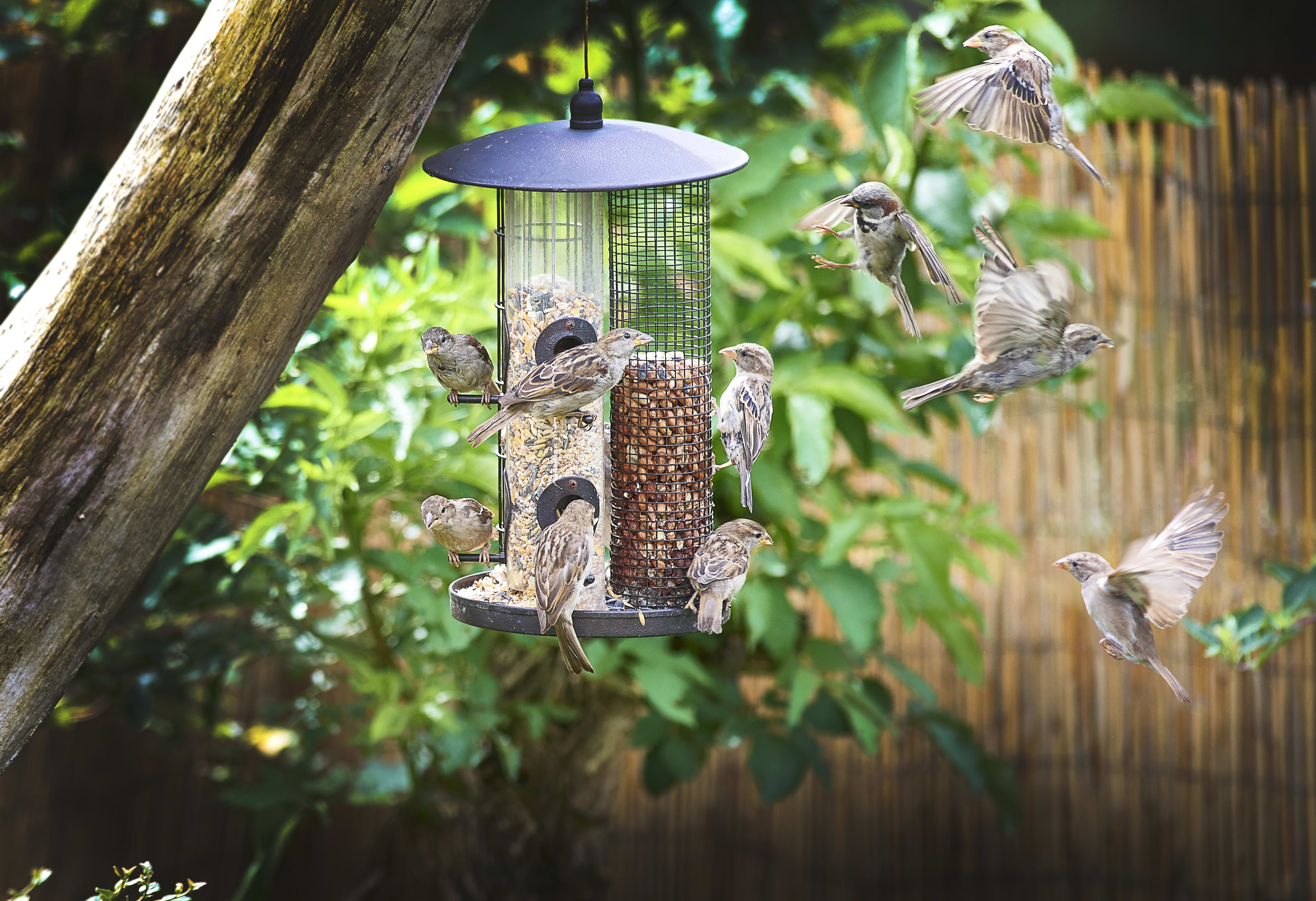
Credit: dengarden.com
Frequently Asked Questions
What Materials Are Best To Hang A Bird Feeder With?
Strong, weather-resistant materials like coated wire, nylon rope, or sturdy chains are ideal. They ensure durability and safety for birds. Avoid weak or rust-prone materials to prevent feeder damage or bird injury.
How Do I Securely Hang A Bird Feeder?
Use a reliable hook or bracket attached to a stable structure. Ensure the hanging material is tight and can support the feeder’s weight. Regularly check for wear and adjust as needed to keep the feeder secure.
Can I Hang A Bird Feeder Without A Tree?
Yes, you can use poles, shepherd hooks, or ceiling mounts. These options provide flexible placement and easy maintenance. Choose a spot visible to birds and safe from predators for the best results.
What Length Should I Use To Hang A Bird Feeder?
A hanging length of 3 to 6 feet is ideal. It keeps the feeder accessible for refilling and cleaning while keeping birds safe from ground predators. Adjust length based on your specific location and needs.
Conclusion
Choosing the right way to hang a bird feeder makes a big difference. Use strong hooks or sturdy poles to keep it safe. Make sure the feeder is easy to reach for refilling. Place it where birds feel safe and you can enjoy watching them.
Remember, a well-hung feeder invites more birds to visit your yard. Small steps like these help create a happy space for birds. Enjoy the simple joy of feeding and watching your feathered friends.