
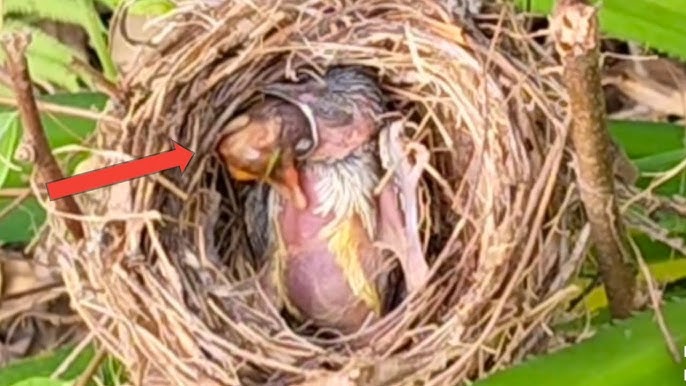
Have you ever found a baby bird and wondered what to feed it? You might be asking yourself, “Can you feed a baby bird eggs?” It’s a natural question, especially when you want to help but aren’t sure what’s safe or healthy.
What if giving eggs could actually harm the little bird instead of helping it grow? You’ll discover the truth about feeding baby birds eggs and learn what you should offer to give them the best chance of survival. Keep reading—your new feathered friend depends on it.

Credit: www.reddit.com
Feeding Baby Birds
Feeding baby birds requires careful attention to their specific nutritional needs. If you’ve ever found a tiny nestling, you might wonder what’s best to feed it. Understanding what baby birds need can help you provide the right care and improve their chances of survival.
Diet Needs Of Nestlings
Baby birds, or nestlings, need a diet rich in protein to grow strong. Their bodies develop quickly, so they require frequent feeding with easily digestible food. Water content is also crucial since they can’t drink on their own yet.
Each species has unique requirements, but most baby birds rely on insects and soft foods. Too much fat or hard-to-digest items can harm them. Have you noticed how parent birds bring specific prey types? They instinctively know what their chicks need to thrive.
Common Foods For Baby Birds
Common foods include small insects like mealworms, caterpillars, and soft-bodied larvae. These are packed with protein and moisture. You can also offer finely chopped boiled eggs, which provide good nutrition if fed in moderation.
However, avoid feeding whole eggs or eggshells directly. Baby birds can choke or have difficulty digesting them. Instead, mash cooked egg yolks into a smooth paste to mimic the texture of natural food.
- Soft insects (mealworms, caterpillars)
- Mash of boiled egg yolk
- Moist, finely chopped fruits in small amounts (depending on species)
- Specialized commercial formulas designed for nestlings
Have you ever tried feeding a baby bird and wondered if your choices were right? Paying attention to their reactions can guide you. If they refuse food or seem weak, it’s a sign to adjust the diet or seek expert advice.

Credit: www.reddit.com
Eggs As Food
Eggs can be a helpful food source for baby birds. They offer important nutrients that support growth and development. Feeding eggs to baby birds requires care to ensure safety and health. Understanding the nutritional value and the types of eggs suitable is key to proper feeding.
Nutritional Value Of Eggs
Eggs are rich in protein, which helps build strong muscles and tissues. They also contain essential fats that provide energy for baby birds. Vitamins like A, D, and E found in eggs support immune health and bone development. Minerals such as calcium and iron aid in healthy blood and bone growth. Overall, eggs supply a balanced mix of nutrients needed for young birds to thrive.
Types Of Eggs Suitable For Birds
Choose eggs that are safe and natural for baby birds. Chicken eggs are the most common and widely used. Quail eggs are smaller and easier for tiny birds to eat. Avoid eggs with added salts, spices, or preservatives. Always use fresh, raw, or lightly cooked eggs to reduce the risk of bacteria. Never feed eggs from unknown or unsafe sources.
Feeding Eggs To Baby Birds
Feeding eggs to baby birds can offer a rich source of protein and nutrients. Birds in the wild sometimes consume eggs to meet their dietary needs. Providing eggs to baby birds requires careful timing and preparation to ensure safety and health. Understanding the proper way to feed eggs helps support their growth and development effectively.
When To Feed Eggs
Eggs are suitable for baby birds that are past the very early stages. Usually, this means after the first week or two of life. At this point, their digestive system can handle more complex foods. Feeding eggs too early might cause digestive problems. Observe the bird’s size and behavior before introducing eggs.
How To Prepare Eggs Safely
Cooking eggs thoroughly reduces the risk of bacteria. Boiled or scrambled eggs without seasoning work best. Avoid adding salt, butter, or spices. Let the egg cool before feeding. Chop or mash the egg into small pieces for easy eating. Use clean utensils and containers to prevent contamination. Fresh eggs are always safer than old ones.
Risks Of Feeding Raw Or Cooked Eggs
Raw eggs may carry harmful bacteria like Salmonella. This can cause illness in baby birds. Cooked eggs lower this risk but still need caution. Overfeeding eggs can upset the bird’s diet balance. Some baby birds might have allergies or sensitivities. Always watch for signs of distress after feeding eggs. Consult a wildlife expert if unsure about feeding eggs.
Alternatives To Eggs
Feeding a baby bird eggs might seem like a natural choice, but there are several alternatives that provide the right nutrients without the risks. Baby birds need a balanced diet rich in protein and other essentials for healthy growth. Let’s look at some practical substitutes that you can offer your feathered friend.
Insects And Protein Sources
Insects are a fantastic source of protein that baby birds naturally consume in the wild. You can offer mealworms, crickets, or small caterpillars, which are easy to find at pet stores or even in your backyard.
Besides insects, finely chopped cooked chicken or fish can be used as a protein-rich option. Just make sure to avoid seasoning or additives that could harm the baby bird. Have you tried feeding insects to a baby bird before? You might be surprised at how readily they accept this natural food source.
Commercial Bird Formulas
Commercial bird formulas are specially designed to meet the nutritional needs of baby birds. These formulas come in powder or paste form and are mixed with water to create a soft, easily digestible meal.
Using a commercial formula takes the guesswork out of feeding. It ensures your baby bird gets the right balance of vitamins and minerals. If you’re caring for an orphaned bird, this might be your safest and most reliable option.
Caring For Orphaned Birds
Caring for orphaned birds is a responsibility that demands attention to detail and patience. These fragile creatures depend entirely on you for survival, making every action crucial. Understanding their unique needs ensures they grow healthy and strong, ready to thrive in the wild.
Identifying Baby Bird Species
Knowing the species of the baby bird you’re caring for is essential. Different birds have specific diets and care routines. You can identify species by looking at feather patterns, size, and beak shape, or by consulting local wildlife guides or experts.
For example, a hummingbird chick requires a completely different diet from a robin. Mistakes in identification can lead to feeding the wrong food, which might harm the bird. Have you ever tried to care for a bird without knowing its species? It’s challenging and risky.
Proper Feeding Schedule
Baby birds need feeding several times a day, depending on their age and species. Very young birds may require feeding every 15 to 20 minutes from dawn to dusk. As they grow, feedings become less frequent but still regular.
Use a small syringe or dropper for precise feeding, and ensure the food is at the right temperature—neither too hot nor cold. Overfeeding or underfeeding can cause serious health issues, so watch the bird closely. What feeding routine fits the baby bird you’re caring for?
Signs Of Health And Growth
Healthy baby birds are alert, have clean feathers, and show steady weight gain. Look for strong movements and regular begging for food as signs they’re thriving. Conversely, lethargy, fluffed-up feathers, or a constant open mouth without energy can indicate illness.
Track their growth by weighing them daily if possible. This practice helps you catch problems early and adjust care accordingly. Are you ready to notice the subtle signs that show your baby bird is doing well?

Credit: swibirds.org
When To Seek Expert Help
Knowing when to seek expert help is crucial for the baby bird’s survival. Feeding a baby bird eggs might seem simple, but mistakes can cause harm. Some signs mean the baby bird needs professional care immediately.
Never hesitate to contact experts if the bird is injured, weak, or cold. Experts have the right tools and knowledge to care for fragile birds. Acting fast can save the bird’s life.
Wildlife Rehabilitation Centers
Wildlife rehabilitation centers specialize in caring for wild birds. They offer a safe place for injured or orphaned birds. These centers provide proper food, shelter, and medical care.
Staff at these centers understand the bird’s dietary needs well. They avoid feeding foods that can harm young birds. They also teach how to release birds back into nature safely.
Veterinary Guidance
Veterinarians with wildlife experience help diagnose health problems. They can treat infections, injuries, or nutritional deficiencies. Vets guide proper feeding methods for baby birds.
Consulting a vet ensures the baby bird gets balanced nutrition. Vets can recommend special supplements or medications if needed. Their advice improves the bird’s chances of survival and growth.
Frequently Asked Questions
Can Baby Birds Safely Eat Eggs?
Yes, baby birds can eat eggs in small amounts. Eggs provide protein and essential nutrients that support growth. However, eggs should be cooked and given carefully to avoid digestive issues or choking hazards.
How Often Should Baby Birds Eat Eggs?
Eggs should be given sparingly to baby birds, about once or twice a week. Their main diet should consist of insects and specialized bird formula for balanced nutrition.
Are Raw Eggs Safe For Baby Birds?
Raw eggs are not safe for baby birds. They can carry bacteria like Salmonella, which may cause illness. Always cook eggs thoroughly before feeding them to baby birds.
What Nutrients Do Eggs Provide Baby Birds?
Eggs supply protein, vitamins, and minerals vital for baby birds’ development. These nutrients help build feathers, muscles, and overall health during early growth stages.
Conclusion
Feeding baby birds eggs can be helpful but needs care. Eggs provide protein and nutrients birds need to grow. Too many eggs or wrong preparation may harm them. Always check what type of bird you help. Nature often gives the best food for baby birds.
Offering balanced meals keeps them strong and healthy. Remember, patience and gentle care make a big difference. Feeding baby birds is a delicate task worth learning. Stay kind and watch them thrive day by day.