
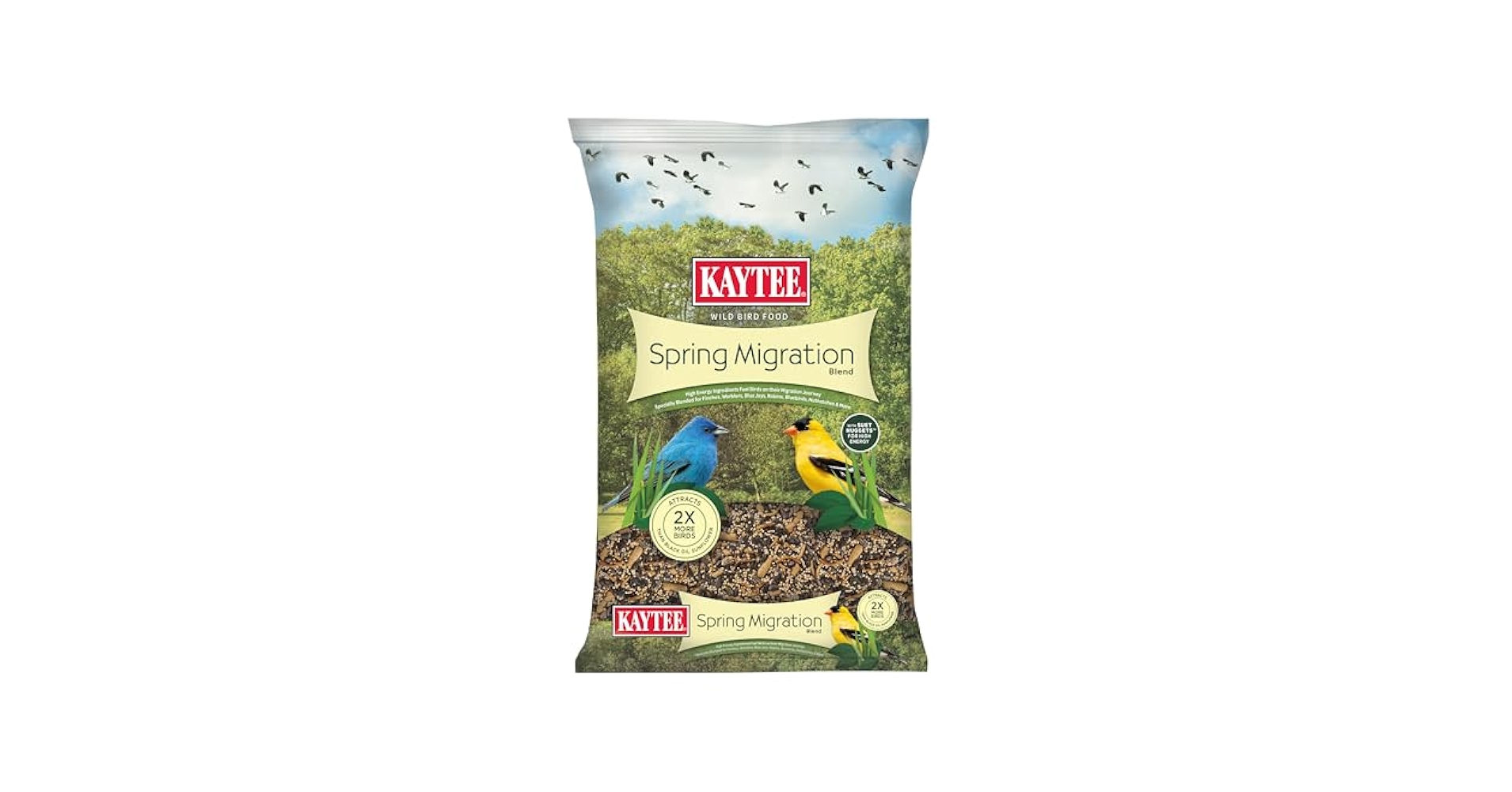
Spring is the perfect time to welcome wild birds to your backyard. But do you know what to feed them to keep them healthy and happy?
Choosing the right food can make a big difference in attracting a variety of birds and helping them thrive after a long winter. You’ll discover simple, effective tips on what to feed wild birds in spring. Whether you’re a beginner or want to improve your bird-feeding routine, this guide will help you create a safe and inviting space for your feathered friends.
Keep reading to learn how to make your garden a springtime haven for wild birds!
Credit: www.gianteagle.com
Best Foods For Spring Birds
Spring is a season full of life, and wild birds are no exception. Providing the right food helps them thrive after the harsh winter months. You can support their energy needs and encourage a variety of species to visit your yard by choosing the best foods tailored for spring birds.
Seeds That Attract Spring Birds
Seeds are a reliable choice for feeding wild birds in spring. Black oil sunflower seeds are especially popular because they offer high fat content and thin shells, making them easy to eat.
Nyjer seeds attract finches and siskins, adding more color to your birdwatching experience. Adding a mix of millet can also bring ground-feeders like sparrows and juncos right to your feeder.
Fruits And Berries To Offer
Many birds enjoy fresh fruits and berries during spring. Try offering chopped apples, oranges, or berries like blueberries and raspberries. These provide natural sugars and vitamins that boost their energy.
Have you noticed how robins flock around berry bushes? Adding fruits to your feeding station can attract similar birds, enriching your garden’s wildlife diversity.
Nectar For Hummingbirds
Hummingbirds become more active in spring, and they rely heavily on nectar. You can make a simple nectar mix by dissolving four parts water to one part white granulated sugar—avoid honey or artificial sweeteners.
Keep your nectar fresh by changing it every few days to prevent mold. Position your feeders in shaded areas to keep the nectar cool and inviting for these tiny visitors.
Feeding Tips For Different Bird Species
Different bird species prefer different foods. Offering the right food attracts a variety of birds to your garden. Feeding birds with specific diets helps them stay healthy during spring.
Understanding each bird’s favorite food improves your chances of seeing them regularly. Use proper feeders and food types to support their natural eating habits.
Feeding Songbirds
Songbirds enjoy seeds, nuts, and fruits. Black oil sunflower seeds are a favorite. They have thin shells that are easy to crack.
Offer a mix of millet, cracked corn, and safflower seeds. Fresh fruits like chopped apples or berries attract them too. Use platform feeders or tube feeders with small perches.
Feeding Woodpeckers
Woodpeckers like suet, nuts, and insects. Suet cakes with seeds or berries work well. Peanut butter mixed with seeds also attracts them.
Hang suet cages on tree trunks or poles. Provide shelled peanuts or sunflower seeds in mesh feeders. Avoid oily seeds, which can harm woodpeckers.
Feeding Orioles And Hummingbirds
Orioles and hummingbirds enjoy nectar and fruit. Use sugar water nectar feeders for hummingbirds. Mix four parts water to one part sugar. Do not add red dye.
Offer orange halves or grape jelly for orioles. They also like mealworms. Hang feeders in shaded, quiet spots. Clean feeders regularly to prevent mold and bacteria.
Setting Up A Spring Bird Feeding Station
Setting up a bird feeding station in spring creates a lively spot that attracts a variety of wild birds to your yard. It’s more than just putting out food; it’s about creating a safe, inviting environment that encourages birds to visit regularly. Paying attention to the type of feeders, their placement, and maintenance can make a big difference in the number and species of birds that come by.
Choosing The Right Feeder Types
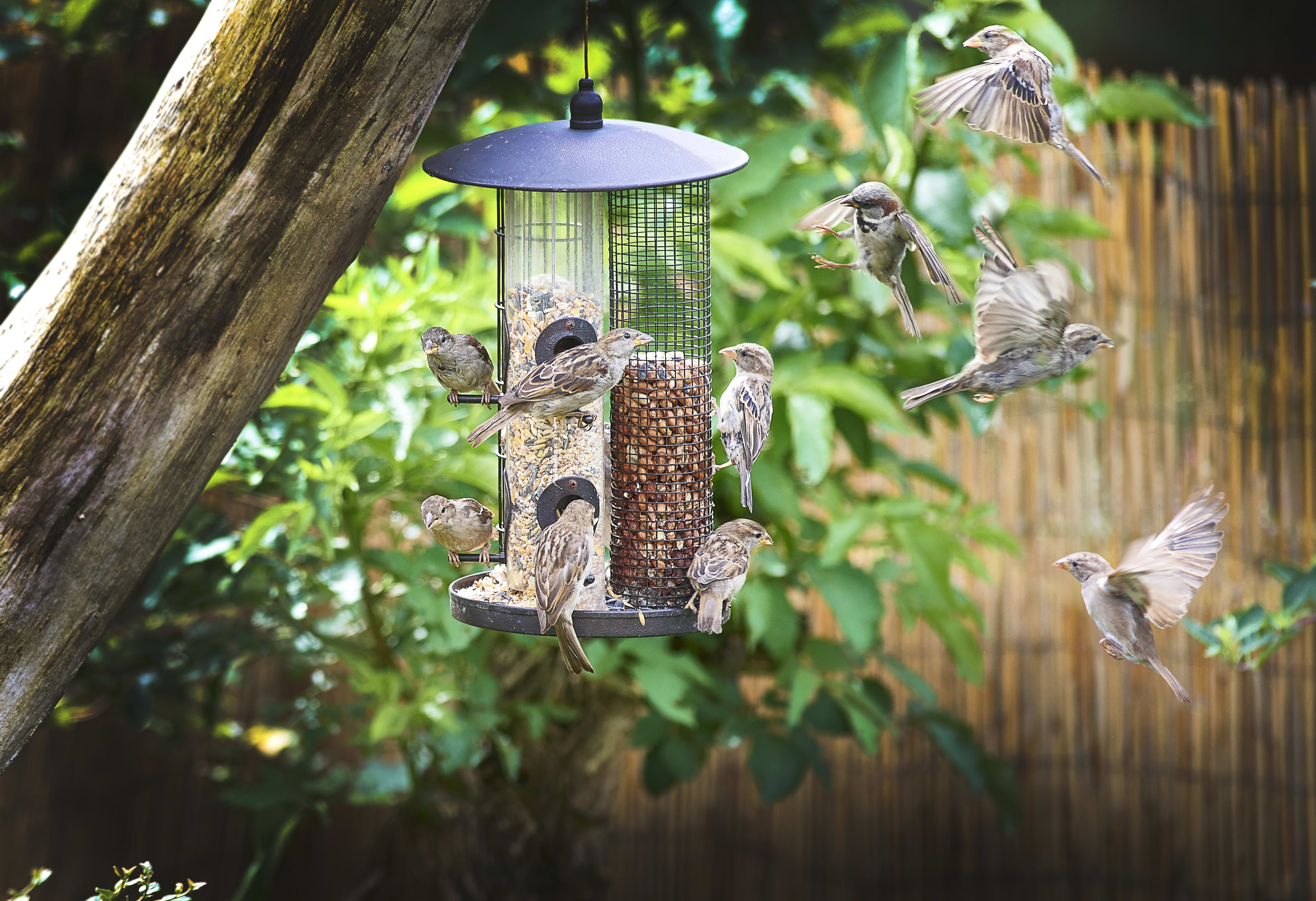
Different birds prefer different feeders. Tube feeders are great for small songbirds like finches and chickadees. Platform feeders attract a wider variety but can be vulnerable to squirrels.
Consider a suet feeder to bring in insect-eating birds like woodpeckers. If you want to attract hummingbirds, a nectar feeder is essential. Offering a mix of feeder types increases your chances of seeing diverse birds.
Best Locations For Feeders
Place feeders near natural cover such as shrubs or trees. This provides birds a quick escape route if they sense danger. Avoid spots that are too exposed, where cats or other predators can easily reach.
Think about visibility from your window so you can enjoy watching the birds. Also, placing feeders at varying heights encourages different species to visit your station. Have you noticed how birds behave differently depending on feeder placement?
Keeping Feeders Clean And Safe
Clean feeders regularly to prevent mold and disease. Use hot, soapy water and rinse thoroughly before refilling. Dirty feeders can harm birds and discourage visits.
Check for damaged parts that could injure birds or let in moisture. Consider adding squirrel baffles or other deterrents to keep food safe. How often do you inspect your feeding station for safety?
Credit: www.walmart.com
Timing And Frequency Of Feeding
Knowing the right timing and frequency to feed wild birds in spring can make a big difference in attracting and supporting them. Birds’ needs change with the seasons, and so should your feeding habits. Paying attention to these details helps you create a safe and reliable food source when birds need it most.
When To Start Feeding In Spring
Start feeding wild birds as soon as you notice the weather warming up but still cool enough that natural food sources are limited. Early spring can be a tricky time because birds are emerging from winter and beginning their breeding season. If you see fewer insects or buds around, it’s a good signal to keep the feeders stocked.
In my backyard, I begin feeding in mid-March when the last frost passes but before trees fully leaf out. This timing gives birds a vital boost during migration and nesting preparation. Are you observing your local environment closely enough to pick the right moment?
How Often To Refill Feeders
The frequency of refilling depends on how many birds visit and the type of food you offer. Busy feeders can empty in a day or two, so check them every 1-3 days. Regular refills ensure birds get fresh food and avoid hunger.
Keep in mind that wet or moldy seed can harm birds. If rain is frequent, you might need to refill more often or switch to feeders that protect the food better. What does your feeder traffic look like, and could you adjust your schedule to match?
Avoiding Common Feeding Mistakes
Feeding wild birds in spring helps them stay strong during breeding season. Avoiding common feeding mistakes keeps birds safe and healthy. Proper feeding supports their natural diet and behavior.
Wrong foods or poor feeder care may harm birds. Pests and predators can cause trouble at feeding spots. Careful choices create a safe, welcoming space for birds.
Foods To Avoid
- Moldy or spoiled seeds can make birds sick.
- Salted or flavored snacks are harmful to birds.
- Bread offers no nutrition and can cause health issues.
- Unnatural foods like processed grains confuse their diet.
- Avocado is toxic to many bird species.
Preventing Pests And Predators
- Clean feeders regularly to stop mold and bacteria.
- Use squirrel-proof feeders to reduce pest visits.
- Place feeders away from windows to prevent collisions.
- Keep feeding areas clear of spilled seeds.
- Check feeders for signs of predators nearby.
Credit: dengarden.com
Frequently Asked Questions
What Foods Attract Wild Birds In Spring?
Wild birds prefer seeds like sunflower, millet, and nyjer in spring. Fresh fruits, suet, and mealworms also attract them. Providing clean water enhances their visit.
Can I Feed Bread To Wild Birds In Spring?
Avoid feeding bread to wild birds. It lacks nutrients and can harm their health. Offer natural seeds and fruits instead for better nutrition.
How Often Should I Refill Bird Feeders In Spring?
Refill feeders daily or when empty. Spring birds eat frequently due to breeding needs. Consistent food supply helps them thrive.
Is It Safe To Feed Baby Birds In Spring?
Feeding baby birds is risky without expertise. Parents provide proper diet. Support by offering quality food to adult birds nearby.
Conclusion
Feeding wild birds in spring helps them stay strong and healthy. Seeds like millet and sunflower attract many bird types. Fresh water nearby keeps birds hydrated and happy. Avoid salty or spoiled food to protect their health. Watching birds visit your yard brings joy and peace.
Small actions make a big difference for nature’s friends. Enjoy the sights and sounds of spring with wild birds. Keep feeding them regularly to support their busy season. Nature rewards kindness with beautiful bird visits every day.