

Have you ever stood in the pet food aisle, pondering if the wild bird food could double as a treat for your chickens? You’re not alone.
Many backyard chicken owners have wondered if they can mix things up by offering their feathery friends a bite of something different. But is it safe? Does it offer the right nutrients? Before you toss those seeds into the coop, let’s uncover the truth.
Your chickens’ health and happiness might just depend on it. Dive into this article, where we unravel the mystery of feeding wild bird food to chickens and ensure you’re making the best choice for your flock.
Wild Bird Food Basics
Wild bird food is designed to attract and nourish various wild birds. It contains a mix of seeds, grains, and other ingredients that suit small birds’ needs. Understanding its basics helps decide if it fits a chicken’s diet.
Wild bird food is easy to find and often used outdoors. It comes in many blends, each made for different bird species. Knowing what is inside helps ensure safety and health for chickens.
Common Ingredients In Bird Food
- Sunflower seeds: popular and rich in fat
- Millet: small seeds favored by many birds
- Safflower seeds: less popular with squirrels
- Cracked corn: provides energy and carbohydrates
- Peanuts: high in protein and fat
- Nyjer seeds: tiny, oil-rich seeds for finches
- Oats: sometimes included for fiber
Nutritional Profile
Wild bird food offers a mix of fats, proteins, and carbohydrates. Seeds like sunflower and peanuts supply good fats and protein. Grains such as millet and cracked corn give energy through carbohydrates.
The food lacks some nutrients chickens need, like calcium and certain vitamins. It is lower in essential minerals compared to commercial chicken feed. Wild bird food is not balanced for a chicken’s complete diet.
Chicken Dietary Needs
Understanding your chickens’ dietary needs is key to keeping them healthy and productive. Chickens require a balanced diet filled with specific nutrients to support growth, egg production, and overall well-being. Feeding them the wrong type of food, even if it seems natural like wild bird food, might leave gaps in their nutrition.
Essential Nutrients For Chickens
Chickens need a mix of proteins, carbohydrates, fats, vitamins, and minerals to stay strong and lay eggs regularly. Protein helps build muscles and feathers, while carbohydrates and fats provide energy for daily activities. Vitamins like A, D, and E support immune function and bone health.
Minerals such as calcium are crucial for eggshell strength. Without enough calcium, you might notice thin or brittle eggshells. Ever wondered why your chickens stop laying eggs suddenly? A deficiency in these essential nutrients could be the reason.
Typical Chicken Feed Components
Most commercial chicken feeds are designed to provide all necessary nutrients in the right proportions. They usually contain:
- Grains:Corn, wheat, or barley for energy.
- Protein sources:Soybean meal, fish meal, or other legumes.
- Vitamins and minerals:Added to meet specific dietary needs.
- Calcium supplements:Often from crushed oyster shells or limestone.
While wild bird food includes seeds and grains, it often lacks adequate protein and calcium levels required by chickens. Have you checked the ingredient list on your wild bird food? It might surprise you how different it is from chicken feed.
Comparing Bird Food And Chicken Feed
Wild bird food and chicken feed share some common features but serve different animals. Understanding their differences helps in choosing the right diet for your chickens. Both types of feed provide energy and nutrients but vary in specific content and balance.
Similarities In Ingredients
Both bird food and chicken feed often contain seeds like sunflower, millet, and cracked corn. These ingredients offer carbohydrates and fats for energy. Some mixes include grains such as wheat or oats. Both feeds may also have some protein sources, like peas or beans.
Bird food and chicken feed contain vitamins and minerals. These nutrients help maintain health and support growth. Both types of feed are designed to attract birds with appealing textures and flavors.
Potential Nutritional Gaps
Wild bird food usually lacks certain nutrients chickens need daily. It often misses balanced protein levels and essential vitamins like vitamin D and calcium. These nutrients are vital for egg production and strong bones.
Chicken feed is specially formulated to fill these gaps. It includes precise amounts of protein, calcium, and other minerals. Feeding chickens only wild bird food may cause nutritional deficiencies over time.
Relying solely on wild bird food can lead to weak eggshells and poor growth. It is best used as a treat, not a main diet. A balanced chicken feed supports their health and productivity better.
Benefits Of Feeding Wild Bird Food To Chickens
Feeding wild bird food to chickens offers several benefits that support their health and happiness. Chickens enjoy a mix of seeds and grains found in wild bird mixes. This variety can keep their diet interesting and more natural. Wild bird food also adds nutrients that might be missing from their regular feed.
Variety In Diet
Wild bird food contains many types of seeds and grains. This variety helps prevent boredom from eating the same food daily. Chickens peck at different seeds, which makes mealtime fun. A diverse diet can improve their overall well-being. It supports natural foraging behavior, which keeps chickens active and engaged.
Supplemental Nutrition
Wild bird food provides extra vitamins and minerals. Seeds like sunflower, millet, and safflower are rich in nutrients. These nutrients support strong bones, healthy feathers, and good digestion. Chickens benefit from the added protein and healthy fats found in these seeds. Supplemental nutrition can boost their immune system and energy levels.
Risks And Concerns
Feeding wild bird food to your chickens might seem like a convenient option, but it comes with several risks and concerns you should consider carefully. Not all seeds and mixes meant for wild birds are safe or healthy for chickens. Understanding these risks can help you protect your flock and maintain their wellbeing.
Toxic Ingredients To Avoid
Some wild bird foods contain ingredients that are harmful to chickens. For example, sunflower seeds with shells can cause choking or digestive blockages. Also, certain mixes include flavored or coated seeds that contain chemicals or preservatives toxic to poultry.
Watch out for:
- Peanuts or tree nuts, which can cause allergic reactions.
- Moldy or spoiled seeds, which may carry mycotoxins.
- Seeds treated with pesticides or fungicides.
Have you ever checked the labels closely before feeding your chickens? Skipping this step can lead to serious health problems.
Digestive Issues
Chickens have different digestive systems compared to wild birds. Some seeds in wild bird mixes are too hard or oily, which can upset their digestion. Over time, this may cause diarrhea, bloating, or even impact nutrient absorption.
Feeding wild bird food occasionally might not cause immediate harm, but regular feeding could lead to chronic digestive discomfort. Your chickens need a balanced diet tailored to their needs, not just random seeds.
Impact On Egg Quality
What your hens eat directly affects the quality of their eggs. Wild bird food often lacks essential nutrients chickens require for strong shells and vibrant yolks. Relying on such food can result in thinner shells and paler yolks.
Have you noticed changes in your eggs after switching feeds? Monitoring egg quality is an easy way to spot dietary issues early and adjust your flock’s diet accordingly.

Credit: grubblyfarms.com
Expert Recommendations
Experts share clear advice on feeding wild bird food to chickens. Understanding their recommendations helps keep chickens healthy and happy. Careful feeding protects chickens from nutritional problems and digestive issues. Knowing what is safe and when to offer treats makes a difference.
Safe Feeding Practices
Choose bird food without artificial colors or preservatives. Avoid mixes with dried fruits containing sulfur or salt. Offer seeds that match chicken diets, like sunflower or millet. Always check the ingredients list for harmful additives. Provide fresh water alongside any bird food given. Clean feeders regularly to prevent mold and bacteria. Store bird food in a cool, dry place to keep it fresh. Watch chickens for any signs of digestive upset after feeding new foods.
When To Use Bird Food As Treats
Use wild bird food only as an occasional treat. Treats should not replace a balanced chicken feed. Offer small amounts to avoid weight gain or nutrient imbalance. Best times for treats include during training or to reward good behavior. Treats help keep chickens interested and active. Avoid feeding treats every day to maintain health. Treat portions should be less than 10% of total daily feed. Observe how chickens respond to treats and adjust accordingly.
Alternative Treat Options
Chickens enjoy treats beyond their regular feed. Offering a variety of snacks supports their health and happiness. Choosing safe and nutritious alternatives helps avoid harm from unsuitable foods. Here are some great options to consider for your flock’s treats.
Safe Snacks For Chickens
- Vegetables like peas, corn, and lettuce
- Fruits such as apples, berries, and melons
- Grains like oats, barley, and cracked corn
- Cooked eggs, which provide extra protein
- Mealworms or small insects for natural protein
These snacks are easy to digest and provide nutrients. Avoid salty, sugary, or processed foods to keep chickens healthy.
Homemade Treat Ideas
- Mix plain yogurt with chopped fruits for a cool snack
- Make vegetable fritters using grated carrots and zucchini
- Freeze small portions of mashed pumpkin or squash
- Create seed balls with birdseed and natural peanut butter
- Bake oats with honey and dried fruits for a crunchy treat
Homemade treats allow control over ingredients and freshness. Always introduce new foods slowly to watch for any reactions.
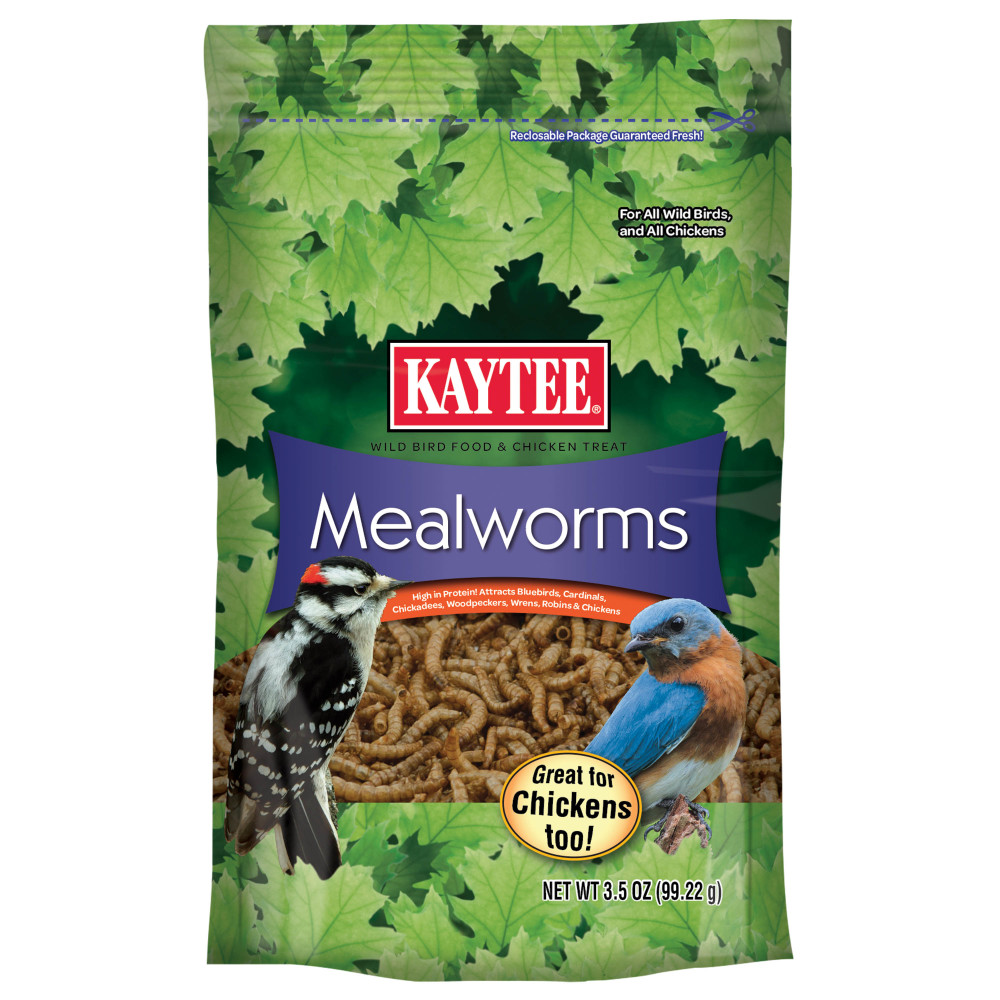
Credit: www.kaytee.com
Credit: www.petsradar.com
Frequently Asked Questions
Can Chickens Safely Eat Wild Bird Food?
Yes, chickens can eat wild bird food, but it should be free of mold and harmful additives. Some seeds may lack essential nutrients, so wild bird food should supplement, not replace, their regular feed.
Is Wild Bird Seed Nutritious For Chickens?
Wild bird seed offers some nutrition, like seeds and grains, but it often lacks balanced protein and vitamins. It’s best used as a treat alongside a complete chicken feed for optimal health.
Will Feeding Wild Bird Food Harm Chickens?
Feeding wild bird food occasionally won’t harm chickens if it’s clean and fresh. Avoid seeds with mold, preservatives, or salt, which can be harmful. Always monitor chickens for any adverse reactions.
How Often Can Chickens Eat Wild Bird Seed?
Chickens can eat wild bird seed as an occasional treat, not a daily meal. Limit it to a few times per week to ensure they get balanced nutrition from their regular feed.
Conclusion
Feeding wild bird food to chickens can work, but with care. Wild bird mixes may contain seeds that chickens like. Watch out for ingredients that could harm them. Always provide fresh water and a balanced diet too. Treat wild bird food as a snack, not a meal.
Healthy chickens stay strong and lay good eggs. Keep their main food consistent and safe. This helps your flock grow happy and healthy every day.