
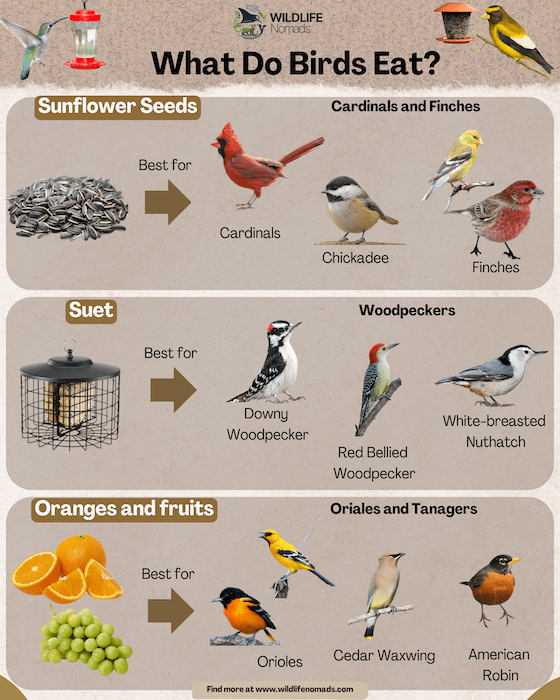
Have you ever wondered what to feed Birds of Paradise to keep them healthy and vibrant? If you have these stunning plants in your garden or home, knowing the right food can make all the difference.
Feeding them properly helps your plants grow strong, bloom beautifully, and stay lush. You’ll discover simple, effective tips to nourish your Birds of Paradise so they thrive like never before. Keep reading to unlock the secrets to feeding these tropical beauties with ease!
Birds Of Paradise Diet Basics
Understanding the diet basics of Birds of Paradise is key to keeping these stunning creatures healthy and vibrant. Their food choices in the wild give us valuable clues about what to offer in captivity or in your garden. Knowing what they naturally eat and their nutritional needs helps you provide a balanced diet that supports their unique lifestyle.
Natural Food Sources
Birds of Paradise mainly feed on a variety of fruits, insects, and small animals found in their rainforest habitats. They often pick ripe fruits like figs, berries, and bananas, which supply essential sugars and vitamins.
Insects such as beetles, ants, and caterpillars provide crucial protein for growth and energy. Sometimes, they also eat small reptiles or amphibians, adding diversity to their diet.
Have you noticed how they carefully select fruit with vibrant colors? This behavior ensures they get the most nutritious and ripe options available.
Nutritional Needs
Protein is vital for Birds of Paradise, especially during breeding seasons when energy demands rise. It helps with feather development and overall vitality.
Fruits supply carbohydrates and vitamins like A and C, which support their immune system and bright plumage. Without enough vitamins, their colors can fade, making it harder to attract mates.
Fat and minerals, though needed in smaller amounts, are still important for maintaining energy and bone health. Calcium, for example, is critical for egg-laying females.
When feeding these birds in captivity, balancing these nutrients can be tricky but rewarding. Have you tried offering a mix of fresh fruits and live insects to mimic their natural diet?
Types Of Food To Offer
Birds of paradise have diverse diets in the wild. Their food choices depend on the species and habitat. Offering a variety of foods helps keep them healthy and active. It also mimics their natural diet and supports their vibrant colors.
Their diet mainly includes fruits, insects, and nectar. Each type provides essential nutrients like vitamins, proteins, and sugars. Feeding birds of paradise a balanced diet ensures their well-being and longevity.
Fruits And Berries
Fruits and berries are a vital part of birds of paradise diets. They enjoy sweet fruits like papaya, mango, and banana. Berries such as blueberries and raspberries also attract them.
- Offer fresh, ripe fruits in small pieces.
- Avoid citrus fruits as they can be too acidic.
- Remove seeds and pits before feeding.
Fruits provide vitamins and natural sugars for energy. They also help maintain the birds’ bright plumage.
Insects And Protein
Insects are an important protein source for birds of paradise. They feed on crickets, mealworms, and small beetles. Protein supports muscle growth and feather development.
- Provide live or dried insects as treats.
- Ensure insects are pesticide-free and safe.
- Mix protein with other foods for a balanced diet.
Protein-rich foods keep birds strong and healthy. They also boost the immune system against diseases.
Nectar And Sap
Nectar and tree sap form part of the natural diet for some species. Birds of paradise sip nectar from flowers using their long bills. Nectar provides quick energy from sugars.
- Use a sugar-water mix to mimic nectar.
- Change nectar regularly to avoid fermentation.
- Offer sap substitutes if natural sap is unavailable.
Nectar feeding supports high activity levels. It also encourages natural foraging behavior in captive birds.
Feeding Birds Of Paradise In Captivity
Feeding Birds of Paradise in captivity requires careful attention to their unique dietary needs to keep them healthy and vibrant. These birds thrive on a diet that mimics what they would find in the wild, which includes a mix of fruits, insects, and nectar. Understanding how to balance these elements can make a big difference in their overall well-being.
Creating A Balanced Diet
Your Birds of Paradise need a mix of proteins, vitamins, and minerals daily. Fresh fruits like papaya, mango, and berries provide essential vitamins and antioxidants. Alongside fruits, offer live or dried insects such as mealworms and crickets to supply necessary protein.
Including a small amount of nectar or a sugar solution simulates their natural feeding habits. Avoid feeding only fruits or only insects; a mix is key to prevent nutritional gaps. Have you noticed how picky your birds can be? Experiment with different fruit types to find what they enjoy the most.
Supplementing With Vitamins
Even a well-rounded diet might miss some nutrients, so vitamin supplements are often needed. Choose supplements designed specifically for exotic birds to ensure safety and effectiveness. Adding calcium and vitamin D3 supports strong bones and healthy feathers.
Always follow dosage instructions carefully—too much can be harmful. I once overlooked supplement amounts and saw a drop in my birds’ energy levels. It taught me to measure supplements precisely and watch for changes in their behavior.
Safe Feeding Practices
Cleanliness is crucial when feeding Birds of Paradise. Wash fruits thoroughly to remove pesticides and bacteria before offering them. Use separate bowls for different food types to avoid contamination and change water daily.
Never feed birds processed or salty human foods, which can be toxic. Also, remove uneaten food promptly to prevent mold growth. Have you checked your feeding routine lately to make sure it’s safe and clean?

Credit: plantologyusa.com
Seasonal Variations In Diet
Birds of Paradise change their diet depending on the season. Their food choices vary to meet energy needs and availability. These shifts help them stay healthy and active all year round.
Breeding Season Adjustments
During breeding, birds need more protein and energy. They eat more insects, small animals, and nutrient-rich fruits. This helps them build strength for mating and raising chicks. Parents feed high-energy foods to their young for quick growth.
Availability Of Food Sources
Food changes with weather and plant cycles. In wet seasons, fruits and insects are plentiful. Birds eat more fresh fruits and insects then. Dry seasons bring fewer fruits and insects. Birds rely on seeds and tougher plants during this time. They adapt quickly to what is available.
Common Feeding Mistakes
Feeding Birds of Paradise might seem straightforward, but several common mistakes can harm your plant’s health. These errors often come from good intentions but end up causing nutrient imbalances or even toxicity. Understanding what to avoid is key to keeping your Birds of Paradise vibrant and thriving.
Avoiding Toxic Foods
Not all foods are safe for Birds of Paradise. Certain substances like caffeine, alcohol, and foods high in salt or sugar can damage the plant’s roots and leaves. Even some kitchen scraps, such as onion or garlic, can introduce harmful compounds.
Have you ever thought that just because a plant is tough, it can handle anything you feed it? I once used leftover pizza crust to mulch around my Birds of Paradise, thinking it would add nutrients. Instead, the salt content stressed the plant, showing that careful selection of plant food matters.
Stick to natural fertilizers and avoid additives with chemicals or artificial ingredients. Always research before trying a new feeding method to prevent accidental harm.
Overfeeding Risks
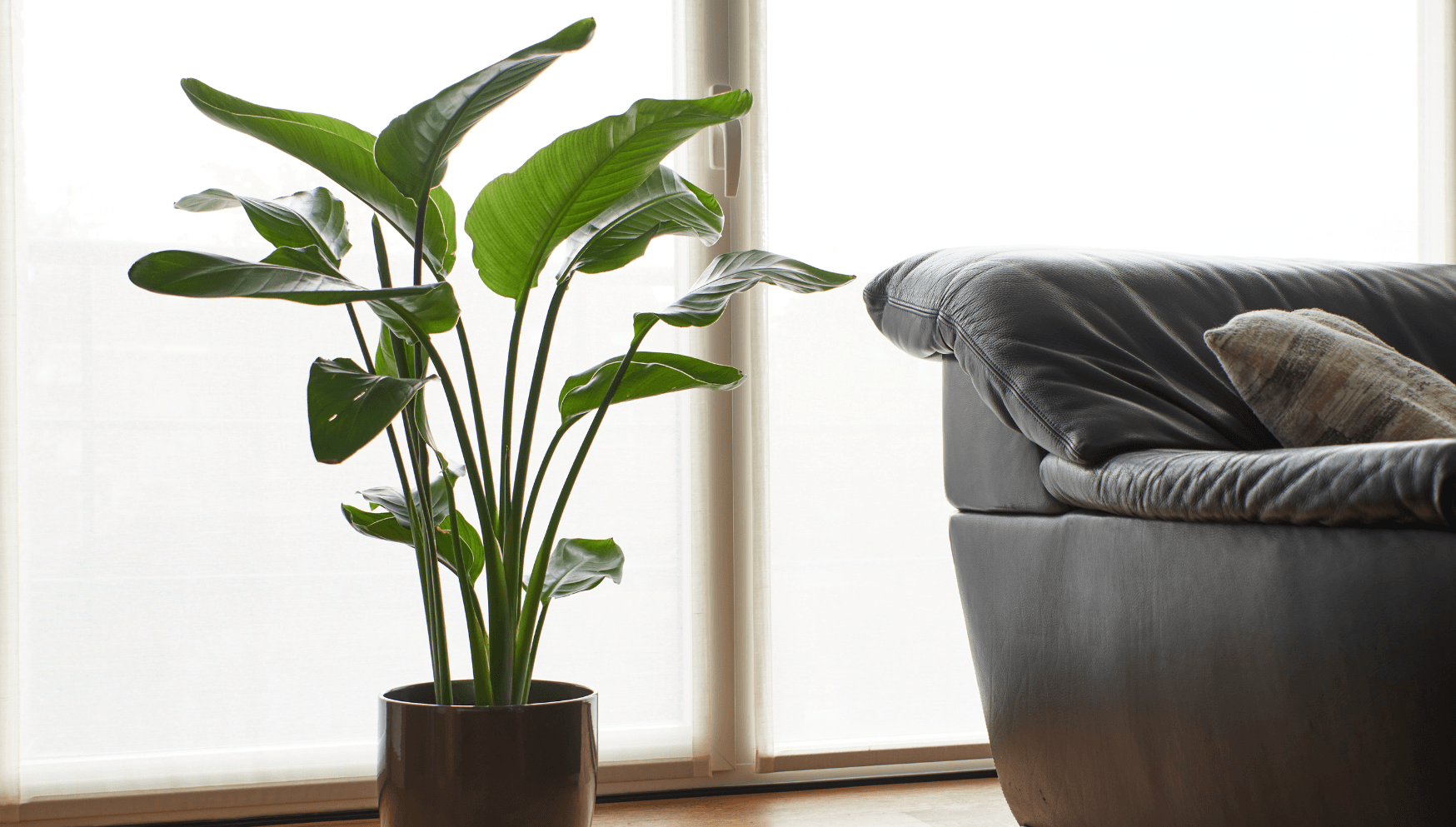
Overfeeding is a common trap. It might seem helpful to add fertilizer frequently, but too much can burn roots and stunt growth. Plants like Birds of Paradise need a balanced feeding schedule, not constant feeding.
Imagine pouring water into a glass nonstop. Eventually, it overflows. The same principle applies to nutrients; excess causes buildup in the soil, leading to root damage. If your plant’s leaves turn yellow or brown, consider whether you’ve been feeding it too much.
Monitor your plant’s response closely. Adjust the frequency and amount based on its health rather than sticking rigidly to a schedule. This responsiveness keeps your Birds of Paradise healthy and flourishing.
Credit: plnts.com
Tips For Attracting Birds Of Paradise
Attracting Birds of Paradise to your garden can be a rewarding experience. These vibrant birds are drawn to specific plants and feeding setups that match their natural preferences. Understanding what appeals to them helps you create an inviting space that keeps them coming back.
Choosing The Right Plants
Birds of Paradise love plants that provide both food and shelter. Choose native flowering plants with bright colors like red, orange, or yellow to catch their attention. Plants such as hibiscus, lantana, and bottlebrush offer nectar that these birds find irresistible.
Consider adding fruit-bearing plants like fig trees or mulberries. These provide a natural food source that encourages longer visits. Have you noticed how birds flock around fruiting trees? It’s because they offer easy and nutritious meals.
Also, dense shrubs or trees give them safe spots to rest and hide from predators. Think about layering your garden with tall trees and lower bushes. This variety creates a comfortable habitat that feels secure.
Setting Up Feeding Stations
Feeding stations can boost your chances of attracting Birds of Paradise. Use nectar feeders filled with sugar water to mimic the natural nectar from flowers. Make sure to clean these feeders regularly to prevent mold and bacteria buildup.
Place feeders in open areas but near some cover like shrubs or branches. This allows birds to spot the food easily and quickly retreat if they feel threatened. Have you tried positioning feeders at different heights? It helps identify their preferred feeding level.
Adding fruit trays with sliced fruits such as bananas, papayas, or oranges also works well. These fruits provide essential vitamins and are a favorite snack. Keep the trays shaded to prevent the fruit from spoiling too fast.
With the right plants and feeding setups, you turn your garden into a bird paradise that these stunning creatures won’t resist visiting.
Credit: www.gardeningknowhow.com
Frequently Asked Questions
What Is The Ideal Diet For Birds Of Paradise Plants?
Birds of Paradise thrive on balanced, slow-release fertilizers rich in nitrogen. Use a 10-10-10 or 20-20-20 formula. Feed them every 6-8 weeks during growing seasons for optimal growth and vibrant blooms.
Can Birds Of Paradise Eat Organic Fertilizers?
Yes, organic fertilizers like compost and manure benefit Birds of Paradise. They improve soil health and provide essential nutrients naturally. Apply organic matter in spring and summer for best results.
How Often Should You Feed Birds Of Paradise Plants?
Feed Birds of Paradise every 6-8 weeks during spring and summer. Reduce feeding in fall and winter as growth slows. Regular feeding supports strong stems and bright flowers.
What Nutrients Do Birds Of Paradise Need Most?
Birds of Paradise require nitrogen, phosphorus, and potassium. Nitrogen promotes foliage growth, phosphorus aids blooming, and potassium strengthens roots. A balanced fertilizer ensures healthy, vibrant plants.
Conclusion
Birds of Paradise need a balanced diet to thrive. Offer them fresh fruits, nectar, and insects often. These foods provide energy and keep birds healthy. Avoid feeding them processed or sugary foods. Clean water is also important for their well-being.
Watching them enjoy proper food is rewarding. Healthy birds show bright colors and active behavior. Feeding them right helps you support nature better. Keep their diet simple and natural for best results. Careful feeding makes Birds of Paradise happy and strong.