

Have you ever wanted to bring more life and color to your garden? Building a bird feeder is a simple way to attract beautiful birds right to your backyard.
Not only will you enjoy watching them up close, but you’ll also help local wildlife thrive. In this guide, you’ll discover easy steps to create your own bird feeder using materials you may already have. By the end, you’ll have a unique feeder that invites nature’s charm to your outdoor space.
Ready to start? Let’s dive in!

Credit: www.youtube.com
Choosing Materials
Choosing the right materials for your bird feeder is crucial for durability, safety, and attracting birds. The materials you pick affect how long your feeder lasts outdoors and how comfortable it is for the birds. Let’s look at some practical options you can consider to build a feeder that stands the test of time and invites feathered friends.
Wood Options
Wood is a popular choice because it looks natural and provides good insulation from weather changes. Cedar and redwood stand out as excellent options since they resist rot and insects without needing chemical treatments that could harm birds.
Pine is cheaper and easy to work with but usually requires sealing to last longer outside. Think about how much maintenance you’re willing to do. Would you prefer a natural look that ages gracefully, or something that stays fresh with a bit of upkeep?
Recycled Materials
Using recycled materials not only saves money but also reduces waste. Old pallets, scrap wood, or even repurposed plastic containers can make unique and functional feeders.
I once used an old wooden drawer and some leftover plexiglass to build a feeder—it turned out sturdy and charming. Just make sure any recycled material is clean and safe for birds. Avoid anything treated with harmful chemicals or paint that could chip off.
Tools Needed
Gathering the right tools makes the building process smoother and more enjoyable. Essential tools include a saw, drill, screwdriver, measuring tape, and sandpaper.
- A hand saw or jigsaw works well for cutting wood.
- A cordless drill speeds up assembly and helps with precise holes for screws.
- Sandpaper smooths edges to prevent injuries to birds and yourself.
Do you have these tools handy, or will you need to borrow or buy them? Planning ahead saves frustration during your build.
Design Ideas
Choosing the right design for a bird feeder affects which birds visit and how easy it is to maintain. Designs vary in complexity and function. Some are simple and open, while others protect seeds from rain and squirrels. The design also impacts seed type and bird species attracted. Here are three popular bird feeder styles to consider.
Simple Tray Feeder
A simple tray feeder is a flat platform with edges to hold seeds. It lets many birds feed at once. You can build it from wood or recycled materials. The open design works well for birds that like to perch or feed on the ground. Keep it clean to avoid mold and pests. Place it where birds feel safe, like near trees or bushes.
Tube Feeder
Tube feeders are long, narrow cylinders with small feeding ports. They keep seeds dry and reduce waste. These feeders attract small birds like finches and chickadees. Use clear plastic or glass tubes to watch the seeds level. Hang the feeder from a tree branch or hook. Make sure the tube is easy to refill and clean regularly.
Hopper Feeder
A hopper feeder looks like a small house with a roof. It stores a large amount of seed and dispenses it as birds eat. This design protects seeds from rain and snow. It attracts various birds, including larger species. Build it from wood with a sloped roof to keep water out. Place it on a pole or hang it securely for stability.
Step-by-step Assembly
Building your own bird feeder can be a rewarding project that invites nature closer to your home. The key to success lies in careful assembly. Taking your time with each step ensures a sturdy feeder that birds will love.
Cutting Pieces
Start by preparing all your wooden parts. Use a saw to cut the base, roof, sides, and any additional panels to the exact sizes specified in your plan. Precise cuts make assembly much easier and improve the final look of your feeder.
Keep safety in mind—wear goggles and gloves while cutting. If you’re not confident with power tools, ask for help or use pre-cut wood from a hardware store. Have you ever struggled with uneven cuts? Measuring twice before cutting saves frustration.
Assembling Parts
Lay out all the pieces on a flat surface before joining them. This helps you visualize how they fit together and avoid mistakes. Use wood glue along edges for extra hold and secure parts with nails or screws.
Clamp parts together if possible to keep them steady while the glue dries. Remember, a firm frame supports the feeder against weather and curious squirrels. Don’t rush this step—accuracy now prevents wobbly feeders later.
Adding Perches
Perches give birds a comfortable spot to land and feed. Use small dowels or sticks and attach them just below the feeding area. Drill holes slightly smaller than the dowel diameter to ensure a snug fit.
Think about perch placement: too close to the feeding holes, and birds might crowd each other; too far, and they may struggle to reach seeds. Have you noticed how different birds prefer different perch sizes? Experiment with thickness to attract a variety of visitors.
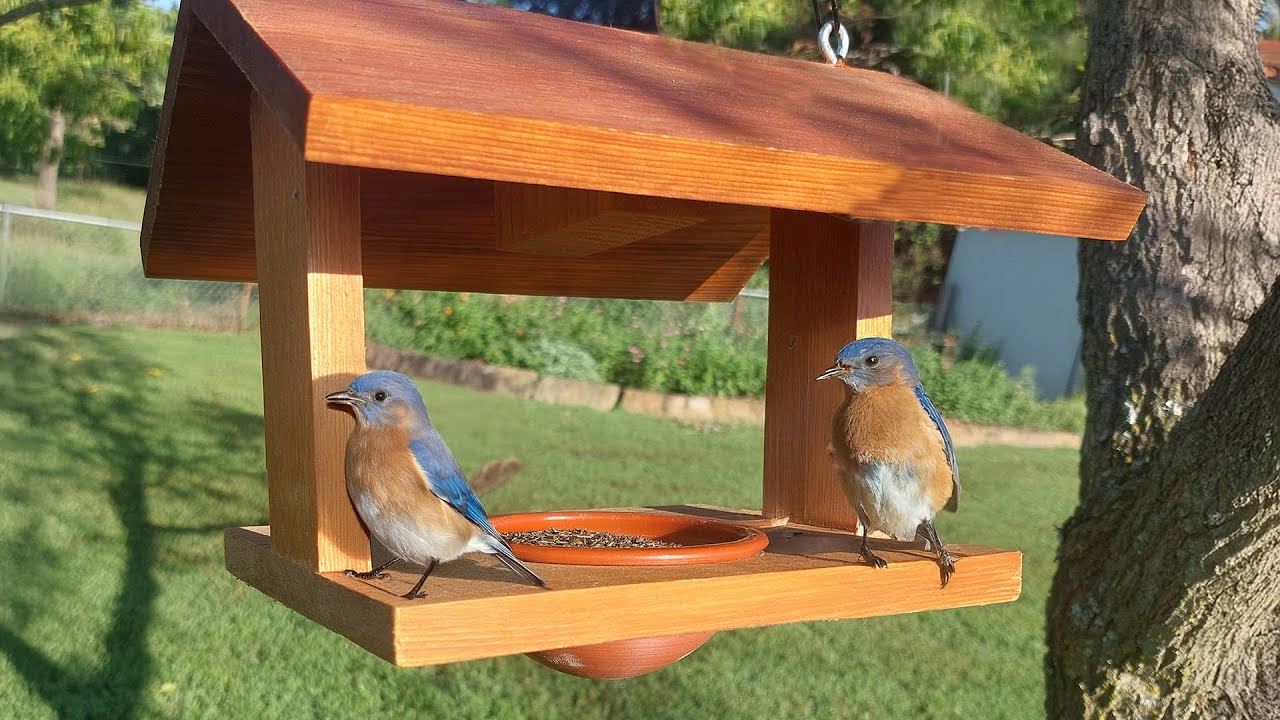
Credit: www.youtube.com
Finishing Touches
Finishing touches make your bird feeder ready for the outdoors. These details protect it and attract birds. Small steps at the end improve durability and bird visits. Follow these tips to complete your project perfectly.
Painting And Sealing
Choose non-toxic paint safe for birds. Bright colors attract more birds to your feeder. Apply thin, even coats for best results. Let each coat dry completely before the next one.
Seal the wood with a clear, waterproof sealant. This protects the feeder from rain and sun damage. Make sure the sealant is bird-safe and odorless. Allow the sealant to dry fully outside.
Attaching Hanging Hardware
Use strong hooks or eye screws for hanging. Attach hardware firmly to hold the feeder’s weight. Check that all screws are tight and secure. Use sturdy wire or rope to hang the feeder from a tree or hook.
Ensure the feeder hangs level to keep the seed inside. Avoid swaying too much in the wind. Test the hanging setup before filling with seed.
Choosing Birdseed
Select seeds based on local bird species. Black oil sunflower seeds attract many common birds. Mix in millet or cracked corn for variety. Avoid seeds that spoil quickly or attract pests.
Keep seed fresh by storing it in a cool, dry place. Fill the feeder regularly to encourage repeat visits. Clean the feeder often to prevent mold and disease.
Placement Tips
Choosing the right spot for your bird feeder can make all the difference in attracting feathered friends and keeping them safe. Placement affects how often birds visit and how comfortable they feel while feeding. Let’s look at key tips to help you find the perfect location for your bird feeder.
Safe Locations
Pick a spot where birds can easily find shelter nearby, like trees or shrubs. This gives them a quick escape if danger approaches. Avoid placing feeders too close to windows to reduce the risk of collisions.
Think about the weather too. A spot shielded from strong winds and heavy rain will keep seeds dry and birds more comfortable. Have you noticed birds avoiding feeders in exposed, windy spots?
Visibility For Birds
Birds need to see your feeder clearly to find it. Place it in an open area, but not too far from cover. A clear line of sight helps birds spot food without feeling vulnerable.
Reflect on your own experience: where do you tend to notice birds gathering? That’s a good hint for feeder placement. Bright colors on your feeder can also catch their attention.
Avoiding Predators
Keep feeders away from places where cats, squirrels, or other predators can hide. A feeder too close to dense bushes or fences can turn into a hunting ground. Think about how you can create a safe feeding zone.
Use baffles or place feeders high enough to deter ground predators. Ask yourself: can a predator easily leap or climb onto this feeder? If yes, move it to a safer spot.
Maintenance Advice
Maintaining your bird feeder helps keep birds safe and attracts more visitors. Clean and care for it regularly. This ensures the feeder stays in good shape and lasts longer. Follow these simple tips for easy maintenance.
Regular Cleaning
Clean the feeder every two weeks or more often during wet weather. Remove old seeds and debris to prevent mold and bacteria growth. Use warm water and mild soap. Rinse thoroughly to remove soap residue. Dry the feeder before refilling to keep seeds fresh.
Seasonal Care
Adjust your maintenance routine with the seasons. In winter, check for ice buildup and clear it gently. In summer, watch for mold and clean more frequently. Protect wooden feeders with a sealant before the rainy season. Store feeders indoors if the weather is severe.
Repairing Damage
Inspect the feeder for cracks, loose parts, or broken hooks regularly. Fix small cracks with waterproof glue or wood filler. Tighten screws or replace missing hardware quickly. Replace worn-out parts to avoid injuries to birds. A well-maintained feeder lasts through many seasons.

Credit: www.youtube.com
Frequently Asked Questions
What Materials Are Best For Building A Bird Feeder?
Wood, recycled plastic, and metal are ideal materials. They are durable, weather-resistant, and safe for birds. Avoid toxic or treated materials that can harm birds.
How Do I Attract Birds To My Feeder?
Use birdseed types like sunflower, millet, and nyjer. Place feeders in quiet, sheltered areas with nearby trees or shrubs for safety.
How Often Should I Clean A Bird Feeder?
Clean your bird feeder every two weeks. Use warm, soapy water and rinse well. This prevents mold and bird diseases.
What Is The Easiest Bird Feeder Design To Build?
A simple platform or tube feeder is easiest. These designs require minimal tools and materials and attract various bird species.
Conclusion
Building a bird feeder brings nature closer to your home. It’s simple and fun to make. You can enjoy watching birds visit every day. Using easy materials saves time and money. Keep your feeder clean for healthy birds. Place it where birds feel safe and comfortable.
Feeding birds helps them through cold seasons. Try different seeds to attract many species. This small project creates joy and peace outside. Start building today and enjoy bird songs soon.