
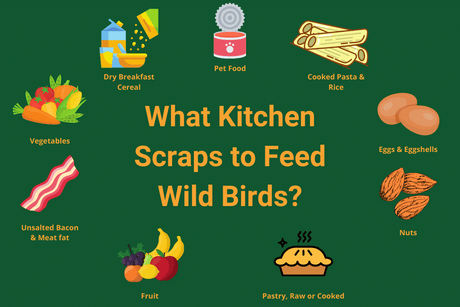
Have you ever wondered what scraps you can safely feed the birds visiting your backyard? Knowing the right foods to offer can make a big difference in attracting healthy, happy birds while keeping them safe.
You’ll discover simple, everyday scraps that birds love and why some common foods should be avoided. By the end, you’ll feel confident about turning your kitchen leftovers into a bird-friendly feast that supports your feathered friends all year round. Keep reading to learn how easy it is to make a positive impact on your local bird community!

Credit: www.yahoo.com
Common Kitchen Scraps For Birds
Many kitchen scraps can become tasty treats for birds. These scraps provide extra nutrition and variety to their diet. Offering safe foods helps birds stay healthy and active. Knowing which scraps to share makes feeding birds enjoyable and safe.
Fruits Birds Enjoy
- Apples (cut into small pieces, no seeds)
- Bananas (ripe and sliced)
- Berries like strawberries, blueberries, and raspberries
- Grapes (halved to avoid choking)
- Melon chunks without seeds
Fruits give birds vitamins and natural sugars. Always remove seeds and pits before offering.
Vegetables Suitable For Birds
- Carrot slices or shreds
- Peas, fresh or thawed from frozen
- Leafy greens like spinach, kale, and lettuce
- Broccoli florets in small pieces
- Cucumber slices without seeds
Vegetables offer fiber and essential nutrients. Serve raw or lightly steamed for easier eating.
Grains And Seeds Options
- Cooked rice or pasta (plain, no sauce)
- Oats, uncooked or cooked
- Sunflower seeds (unsalted and shelled)
- Cooked corn kernels
- Small amounts of bread, preferably whole grain
Grains and seeds provide energy and protein. Avoid salted or flavored varieties that harm birds.

Credit: gratefulprayerthankfulheart.com
Avoid Feeding These Scraps
Feeding birds can be a rewarding experience, but not all scraps are safe for them. Some foods can harm birds, leading to health problems or even fatal consequences. Knowing which scraps to avoid will help you protect your feathered friends while still enjoying the joy of feeding them.
Toxic Foods For Birds
Many common kitchen scraps are toxic to birds, including chocolate, caffeine, and avocado. Even small amounts of these can cause serious health issues like seizures or heart problems. It’s easy to overlook these dangers because they seem harmless to us, but birds process them very differently.
Did you know that onions and garlic can also be harmful? They can cause digestive upset and damage red blood cells in birds. Avoid feeding any scraps containing these ingredients, no matter how small the portion.
Foods That Cause Digestive Issues
Some scraps might not be toxic but can still upset a bird’s stomach. Dairy products like cheese and milk often cause diarrhea because many birds can’t digest lactose. Bread, especially white bread, offers little nutritional value and can fill up a bird without providing the energy it needs.
Greasy or salty foods from your leftovers can also lead to dehydration or kidney problems in birds. Instead of sharing those tasty but unhealthy snacks, try offering seeds or fresh fruits that truly benefit your garden visitors.
Moldy Or Spoiled Scraps
Never feed birds scraps that show signs of mold or spoilage. Mold produces toxins that are dangerous to birds, even in tiny amounts. I once fed stale bread to some garden sparrows, only to see them avoid it completely—nature often warns us when food is bad.
Always check your scraps carefully before offering them. If you’re unsure about freshness, it’s better to discard the food than risk harming your winged guests. Would you want to eat something questionable? Birds feel the same way.
Preparing Scraps Safely
Preparing scraps safely is key to keeping birds healthy and happy. Birds have sensitive stomachs and can get sick from harmful foods or bacteria. Taking simple steps before feeding scraps helps protect birds and the environment. It also makes scraps easier for birds to eat and digest.
Cleaning And Cutting Tips
Wash all scraps thoroughly to remove dirt and chemicals. Use fresh water and avoid soaps or detergents. Cut scraps into small, bite-sized pieces. This helps birds eat without choking or struggling. Remove any seeds, pits, or shells that could be harmful. Soft fruits, cooked vegetables, and grains work well.
Portion Sizes And Frequency
Feed scraps in small amounts only. Overfeeding can cause birds to depend too much on human food. Offer scraps a few times a week, not daily. Watch how birds respond. Stop feeding if you see leftover scraps or changes in bird behavior. Balance scraps with natural food sources.
Storage Guidelines
Store scraps in clean containers with lids. Keep them in the refrigerator if not feeding right away. Avoid leaving scraps outside for long periods to prevent mold and pests. Dispose of spoiled food immediately. Fresh, safe scraps help maintain a healthy feeding spot for birds.
Feeding Tips For Different Bird Species
Feeding birds can be a rewarding way to connect with nature right outside your window. Different bird species have unique dietary needs, so knowing what scraps to offer is key to keeping them healthy and coming back for more. Let’s look at tailored tips for feeding various types of birds you might encounter around your home or local park.
Backyard Songbirds
Backyard songbirds love a variety of seeds, fruits, and even some kitchen scraps. You can safely offer:
- Small pieces of unsalted nuts
- Apple slices and berries
- Cooked rice or pasta, plain and unsalted
- Oatmeal or crushed cereal without sugar
Avoid offering bread, as it fills them up but lacks nutrients. Have you noticed how a simple handful of sunflower seeds can attract a chorus of colorful finches and cardinals?
Waterfowl And Aquatic Birds
Ducks, geese, and other waterfowl thrive on natural grains and vegetation rather than processed foods. Good scraps include:
- Chopped lettuce, spinach, or kale
- Grains like cracked corn or barley
- Cooked peas or corn kernels
Feeding bread to ducks is common but harmful—it can cause malnutrition and water pollution. Instead, think about what you would want to eat if you were by the pond. What fresh, simple snacks would keep you energized and healthy?
Birds Of Prey Considerations
Birds of prey like hawks and owls need a different approach since they hunt live prey. Feeding scraps to these birds requires caution:
- Offer only fresh, whole meat scraps without seasoning
- Avoid processed meats or anything with preservatives
- Never feed them cooked bones or fatty scraps
Providing these scraps in a clean, quiet spot helps keep them safe and healthy. Have you ever wondered how feeding these birds might affect their natural hunting skills? It’s best to support them with natural prey availability whenever possible.
Benefits Of Feeding Birds Scraps
Feeding birds scraps offers more than just a way to reuse leftover food—it creates a positive impact on your local environment and personal well-being. When you share safe, appropriate scraps with birds, you help maintain the balance of local wildlife and promote a healthier ecosystem. It also turns simple moments in your backyard into opportunities for connection and learning.
Supporting Local Wildlife
Providing scraps to birds helps them find extra food sources, especially during tough seasons like winter or drought. Many birds struggle to find enough natural food when the weather is harsh, so your scraps can make a real difference in their survival.
Have you noticed how certain scraps, like unsalted nuts or cooked rice, attract different bird species? Offering these can support a variety of birds, from sparrows to jays, enriching your local biodiversity right outside your window.
Reducing Food Waste
Feeding birds with appropriate kitchen scraps reduces the amount of food you throw away each day. Instead of tossing out stale bread or fruit peels, you give them a second life as nourishment for wildlife.
Think about how much food you discard weekly. Could you save a portion to share with birds? This small habit not only cuts waste but also lessens the environmental footprint of your household.
Encouraging Birdwatching
Scraps bring birds closer to your home, turning your garden or balcony into a lively viewing spot. Watching birds gather and interact can be both relaxing and educational.
Have you ever paused to observe the different behaviors or colors of birds that visit when you feed them? This simple activity can deepen your appreciation for nature and inspire you to learn more about local species.

Credit: www.youtube.com
Alternatives To Kitchen Scraps
Feeding birds with kitchen scraps is a common practice, but there are plenty of alternatives that can provide better nutrition and attract a wider variety of birds. These options not only support the birds’ health but also make your backyard a lively, vibrant space to enjoy. Let’s look at some practical alternatives that go beyond your kitchen waste.
Commercial Bird Feeders
Commercial bird feeders offer a reliable and balanced diet for birds. You can find mixes tailored to specific bird types, such as sunflower seeds for cardinals or nyjer seeds for finches. Using feeders also helps prevent feeding birds harmful or spoiled scraps from your kitchen.
Setting up a feeder is easy, and it allows you to control what the birds eat. Have you noticed how quickly birds learn to visit your feeders once you fill them? It’s rewarding to watch a variety of species gather, each drawn by different seeds and treats you provide.
Natural Food Sources
Think about the natural foods birds would find in the wild. Berries, nuts, and native seeds offer birds essential nutrients while encouraging natural foraging behavior. You can supplement these by growing plants like sunflowers, elderberries, or coneflowers in your garden.
By providing natural food sources, you create a more sustainable and attractive habitat. Ever wondered why some birds visit certain yards but ignore others? Often, it’s about the availability of familiar and nutritious natural foods.
Creating Bird-friendly Habitats
Beyond food, birds need shelter and water. Planting shrubs, trees, and ground cover offers safe places for nesting and protection from predators. Adding a birdbath or small water feature invites birds to stay longer and visit more frequently.
Think about your outdoor space—are there spots where birds can hide and rest? Creating diverse habitats turns your yard into a bird magnet, supporting their needs year-round. What small changes could you make to welcome more feathered friends?
Frequently Asked Questions
What Kitchen Scraps Are Safe For Feeding Birds?
Safe kitchen scraps include unsalted nuts, cooked rice, and fruit peels. Avoid salty, sugary, or processed foods to protect birds’ health and ensure they receive natural nutrition.
Can I Feed Birds Leftover Bread Or Crackers?
Feeding birds bread or crackers is not recommended. These foods lack nutrients and can cause health problems for birds, leading to malnutrition and digestive issues.
Which Fruit Scraps Attract The Most Birds?
Fruit scraps like apple cores, berries, and melon rinds attract many birds. These provide natural sugars and hydration, making them a healthy and appealing food source.
Are Vegetable Scraps Good For Wild Birds?
Yes, small amounts of vegetable scraps like corn, peas, or leafy greens are good. Avoid onions and garlic, as they can be harmful to birds.
Conclusion
Feeding birds with safe scraps helps them stay healthy and strong. Avoid giving foods that can harm or upset their stomachs. Offer seeds, fruits, and small amounts of grains instead. Clean feeding areas often to keep birds safe from disease.
Watching birds enjoy your scraps brings joy and connects you with nature. Simple, thoughtful feeding makes a big difference for wild birds nearby. Try these tips to support your feathered friends every day.