
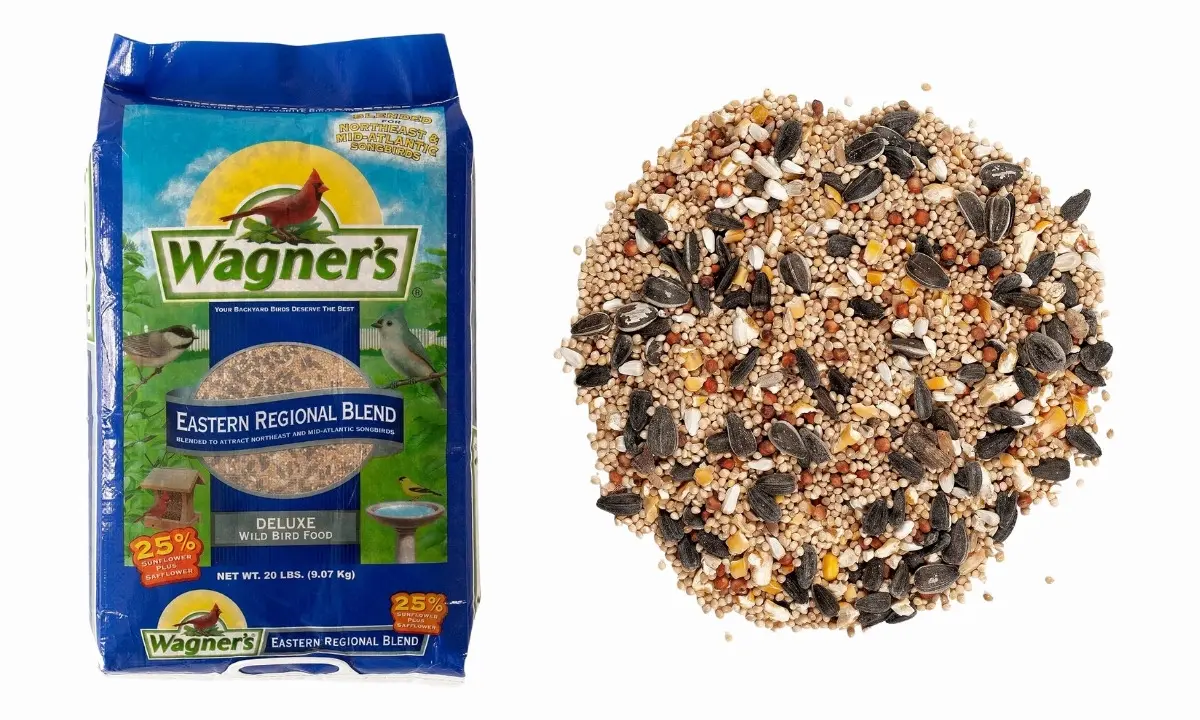
If you love watching wild birds visit your yard, you probably want to give them the best food possible. But with so many options out there, it can be hard to know what’s truly good for them.
What if you could choose the perfect food that keeps birds healthy, happy, and coming back day after day? You’ll discover exactly what to feed wild birds to attract a colorful, lively flock right to your window. Keep reading to find simple, effective tips that will make your backyard a bird paradise.

Credit: www.o-natureobserver.com
Top Seeds For Wild Birds
Choosing the right seeds can make a huge difference in attracting a variety of wild birds to your backyard. Different seeds appeal to different bird species, and offering the best options ensures you provide both nutrition and enjoyment for your feathered visitors. Let’s look at some top seed choices that consistently draw wild birds and keep them coming back.
Black Oil Sunflower Seeds
Black oil sunflower seeds are a favorite among many wild birds. Their thin shells make them easy to crack open, even for smaller birds like chickadees and finches.
These seeds are packed with fat and protein, providing the energy birds need, especially during colder months. If you want to attract a wide variety of species, this seed is a reliable choice to keep in your feeder.
Nyjer Seeds
Nyjer seeds are tiny but mighty in attracting finches, such as goldfinches and redpolls. Their small size and high oil content make them perfect for these small-beaked birds.
Because nyjer seeds are so small, you’ll need a special feeder with tiny holes to prevent the seeds from spilling out. Offering nyjer can turn your yard into a hotspot for colorful finches.
Millet And Mixed Seeds
Millet is a favorite for ground-feeding birds like sparrows and doves. White proso millet, in particular, is easy to digest and offers good nutrition.
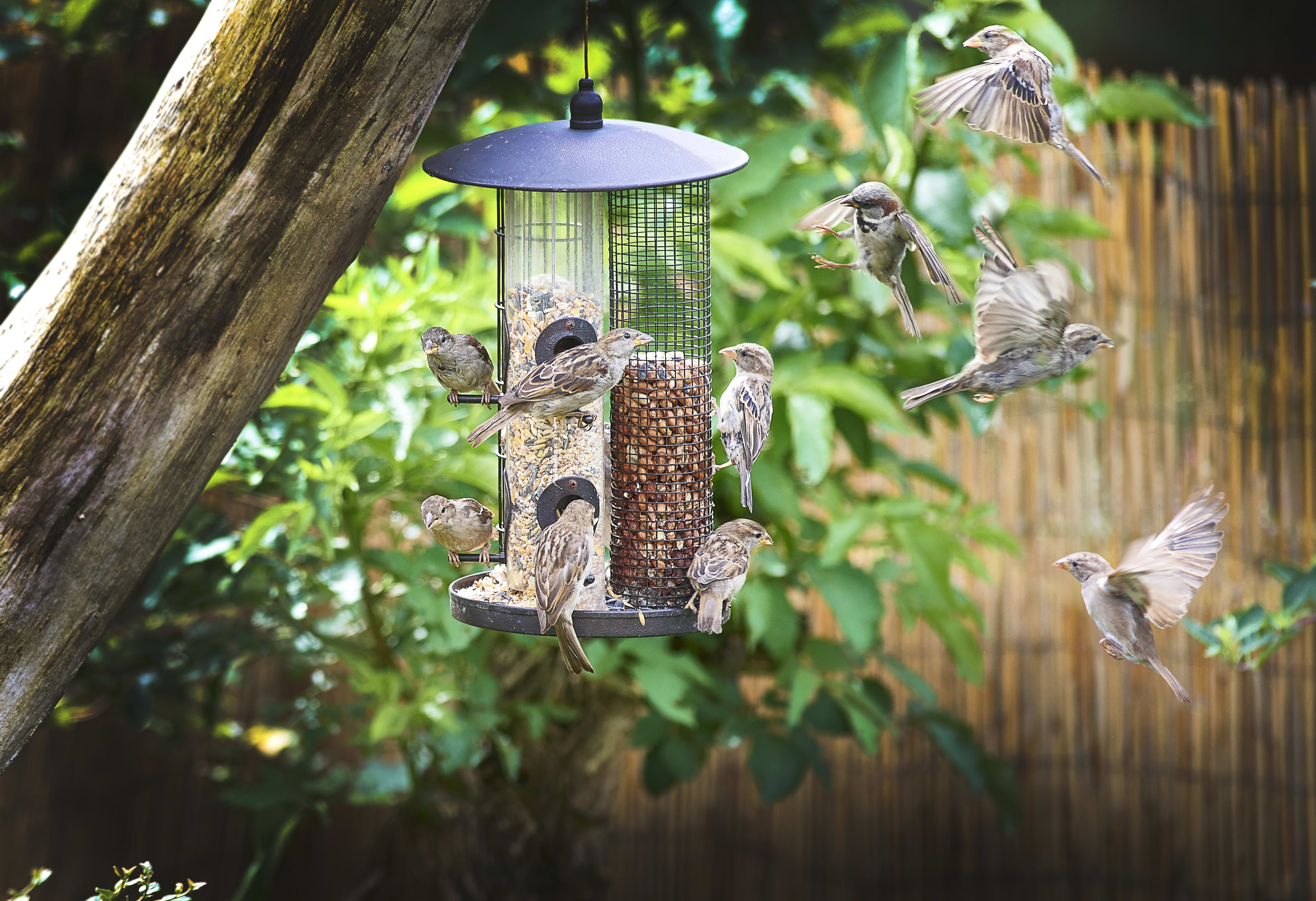
Mixed seed blends often include millet, cracked corn, and sunflower seeds, attracting a broader range of birds. If you want to see variety, try offering mixed seeds, but watch for leftover seeds to avoid waste and pests.
Credit: dengarden.com
Fruits And Suet Options
Fruits and suet offer excellent nutrition for wild birds. Both provide energy and essential nutrients that birds need, especially during colder months. These food options attract a variety of bird species, adding more life to your garden or yard.
Berries And Apples
Berries are a favorite food for many wild birds. They contain natural sugars that give quick energy and vitamins that support bird health. Common berries to offer include:
- Blueberries
- Raspberries
- Blackberries
- Mulberries
Apples are another great fruit to feed birds. Cut them into small pieces for easy eating. Avoid using apples with seeds as they can be harmful. Birds like robins, thrushes, and waxwings enjoy these fruits the most.
Suet Cakes And Fat Balls
Suet is a high-energy food made from animal fat. It is especially good for birds during cold weather. Suet cakes and fat balls provide essential calories to keep birds warm and active.
- Suet cakes often contain seeds, nuts, and dried fruits.
- Fat balls are easy to hang in feeders or trees.
- Woodpeckers, nuthatches, and chickadees love suet.
Keep suet fresh by storing it in a cool place. Replace it regularly to avoid spoilage and attract more birds.
Foods To Avoid
Feeding wild birds can be a rewarding experience, but it’s important to know which foods can harm them. Certain items, though commonly found in our kitchens, can be dangerous or even deadly to birds. Avoiding these foods helps keep your feathered visitors healthy and thriving.
Salted And Processed Foods
Salted snacks like chips, pretzels, or nuts are harmful to birds. Birds have a low tolerance for salt, and even small amounts can cause dehydration or kidney damage.
Processed foods often contain additives and preservatives that birds can’t digest. These chemicals might seem harmless to us but can disrupt a bird’s natural diet and lead to health problems.
Think about this: Would you eat something with too much salt every day? Your birds shouldn’t either.
Bread And Junk Food
Bread might seem like a friendly, harmless treat, but it offers little nutritional value to birds. Feeding birds bread can fill their stomachs without providing essential nutrients, which can harm their growth and energy levels.
Junk food, including candy, cookies, and fried snacks, contains sugar and unhealthy fats. These can upset a bird’s digestive system and reduce their ability to find natural food.
Instead of offering these items, try feeding seeds, nuts, or fruits that support your birds’ health. What would you prefer—empty calories or a balanced meal?
Feeding Tips For Different Bird Species
Feeding wild birds requires understanding their unique needs. Different species prefer different foods and feeding styles. Offering the right food attracts a variety of birds. It also helps them stay healthy and active. Here are some helpful tips for feeding common bird groups.
Attracting Songbirds
Songbirds enjoy seeds, fruits, and insects. Black-oil sunflower seeds attract many species like finches and chickadees. Suet cakes provide energy, especially in cold weather. Fresh fruits such as berries can also draw birds like robins and thrushes. Offer food in tube feeders or platform feeders to suit different birds. Keep feeders clean to prevent disease.
Feeding Waterfowl
Waterfowl like ducks and geese eat grains, seeds, and aquatic plants. Offer cracked corn, oats, or birdseed blends on the ground or near water. Avoid bread, as it lacks nutrition and pollutes water. Feeding near ponds or lakes helps waterfowl find food easily. Change feeding spots to avoid crowding and stress among birds.
Helping Hummingbirds
Hummingbirds need nectar for energy. Use a simple sugar-water mix: four parts water to one part white sugar. Boil water before mixing to dissolve sugar and kill bacteria. Avoid honey or artificial sweeteners, which harm these birds. Hang red feeders to attract hummingbirds. Clean feeders weekly to prevent mold growth.
Seasonal Feeding Advice
Feeding wild birds requires adjusting your approach as the seasons change. Birds have different nutritional needs depending on the weather and the availability of natural food sources. Paying attention to these shifts can help you support local bird populations effectively year-round.
Winter Feeding Strategies
Cold weather means birds need more energy to stay warm. Offer high-fat foods like sunflower seeds, suet, and peanuts to help them build fat reserves. These foods provide the calories birds need to survive freezing temperatures.
Keep your feeders clean and stocked regularly during winter. Ice and snow can cover natural food sources, so your feeders become a vital resource. Have you noticed which birds visit your feeder most often on chilly days?
Spring And Summer Tips
As temperatures rise, birds shift their focus to raising young and finding insects. Offer foods that support this, such as mealworms and fresh fruit pieces like apple slices or berries. These provide protein and hydration, which are essential during breeding season.
Consider reducing high-fat foods and increasing fresh options. Also, clean feeders frequently to prevent mold growth in warm weather. What changes have you observed in bird behavior around your feeders during these months?
Credit: www.youtube.com
Maintaining Clean Feeding Areas
Maintaining clean feeding areas is vital for the health of wild birds. Dirty feeders can attract pests and spread diseases quickly. Keeping the feeding spot tidy helps birds stay safe and encourages regular visits. Regular cleaning also prevents mold and bacteria buildup on seeds and feeders. Simple habits can make a big difference in protecting wild birds.
Preventing Disease Spread
Clean feeders reduce the risk of disease among birds. Remove old or wet seeds daily. Wash feeders with warm, soapy water every two weeks. Use a mild bleach solution to disinfect feeders. Rinse well and let them dry before refilling. Avoid crowding birds by offering plenty of feeding spots. Healthy birds mean a lively and beautiful garden.
Safe Feeder Placement
Place feeders in safe, quiet areas away from predators. Keep feeders at least five feet from windows to prevent collisions. Position feeders near shrubs or trees for quick bird shelter. Avoid placing feeders too close to ground to reduce rodent access. Good placement helps birds feel secure and lowers stress. A safe feeding area attracts more birds to your yard.
Frequently Asked Questions
What Seeds Attract The Most Wild Birds?
Black oil sunflower seeds attract the widest variety of wild birds. These seeds are high in oil, providing energy. They appeal to cardinals, finches, chickadees, and more. Their thin shells make them easy to eat, making them the best choice for feeding wild birds.
Can I Feed Wild Birds Bread Or Leftovers?
Feeding bread or human leftovers to wild birds is harmful. Bread lacks nutrients and can cause malnutrition. Leftovers may contain salt or spices, which are unsafe. It’s best to provide natural, bird-friendly foods like seeds, nuts, or fruits instead.
How Often Should I Refill Wild Bird Feeders?
Refill bird feeders every two to three days, depending on usage. Keeping feeders full encourages regular visits. Clean feeders weekly to prevent mold and disease. Consistent feeding helps birds during harsh weather and supports their energy needs.
What Fruits Are Safe For Wild Birds To Eat?
Wild birds enjoy fruits like apples, berries, and oranges. Remove seeds and pits before offering. These fruits provide essential vitamins and hydration. Avoid citrus in large amounts, as it can be acidic. Offer fresh, pesticide-free fruits for best results.
Conclusion
Feeding wild birds helps them stay healthy and strong. Seeds like sunflower and millet attract many bird types. Fresh water nearby makes your feeding spot better. Avoid feeding birds bread or salty foods. Keep feeders clean to stop bird sickness.
Enjoy watching birds visit your garden daily. Small efforts can make a big difference for birds. Choose the right food and watch nature thrive.