
Have you ever wondered if it’s okay to feed birds during the summer? You might think birds only need your help in winter, but summer brings its own challenges for them.
What you do now can make a big difference in their health and happiness. Keep reading to discover why feeding birds in summer can be a good idea—and what you need to know to do it right. Your backyard could become a safe haven for these beautiful creatures all year long.

Credit: www.allaboutbirds.org
Reasons To Feed Birds In Summer
Feeding birds in the summer helps them survive through tough conditions. Birds need extra energy for raising their young. The natural food supply may not be enough during hot months. Providing food supports their health and growth. It also helps maintain local bird populations.
Nutritional Needs During Breeding Season
Birds work hard to build nests and feed chicks. This time requires more protein and energy. Young birds need food rich in nutrients to grow strong. Insects and seeds alone may not meet their needs. Supplemental feeding gives birds a reliable food source.
Impact Of Hot Weather On Food Availability
Hot weather can dry out plants and reduce insects. Water scarcity lowers insect activity and seed production. Birds may struggle to find enough food on their own. Feeding stations can fill this gap during dry spells. It ensures birds get enough nourishment to stay healthy.
Best Foods For Summer Feeding
Feeding birds during the summer can be a rewarding experience, but choosing the right foods is key. Birds have different dietary needs in warmer months, and offering appropriate options helps them stay healthy and energetic. Let’s look at what you should include in your summer bird feeding routine.
Suitable Seeds And Fruits
Sunflower seeds are a favorite for many birds, especially black oil sunflower seeds. They are high in fat and easy to crack open, giving birds a quick energy boost. You can also add millet and nyjer seeds, which attract smaller birds like finches.
Fresh fruits are excellent for summer feeding. Try slices of apples, pears, or berries like blueberries and strawberries. These provide hydration and natural sugars, which are perfect for hot days.
Have you noticed birds flocking to your garden more when you offer fresh fruits? It’s a clear sign you’re giving them what they need.
Avoiding Harmful Foods
Not all food is safe for birds, especially during summer. Avoid bread and processed snacks, as they lack nutrients and can cause health problems. Salt and sugar are harmful, so steer clear of any salty or sweet human foods.
Milk and dairy products should never be given to birds. Most birds cannot digest lactose, which can upset their stomachs. Also, avoid feeding birds any moldy or spoiled food, as it can be toxic.
Remember, your goal is to support their natural diet, not replace it. What foods have you seen birds reject or avoid in your feeding spots?
Feeding Tips For Hot Weather
Feeding birds during the summer requires a bit more care than in cooler months. The hot weather can quickly affect the quality of food and water you provide. Paying attention to simple details can keep your feathered friends safe and happy through the heat.
Maintaining Clean Water Sources
Birds need fresh water, especially when temperatures rise. Stagnant water can become a breeding ground for bacteria and mosquitoes, which harm both birds and your outdoor space.
Change water daily to keep it fresh and cool. If possible, place water dishes in shaded areas to slow down evaporation and warming. You might notice birds prefer shallow dishes—they allow easy access and help them cool off.
Have you ever seen a bird take a quick splash? It’s their way to beat the heat. Providing a birdbath with clean water can invite this refreshing behavior, helping them stay cool and hydrated.
Preventing Mold And Spoilage
Heat speeds up spoilage, so keep an eye on the food you offer. Seeds and fruits can quickly develop mold or ferment, which can harm birds.
Remove leftover food daily to avoid attracting pests and prevent mold growth. Use feeders with good ventilation and consider smaller amounts of food more frequently instead of large quantities at once.
Have you noticed a sour smell around your feeder? That’s a sign to clean it thoroughly and replace the food. Regular cleaning with mild soap and water prevents health risks and keeps birds coming back safely.
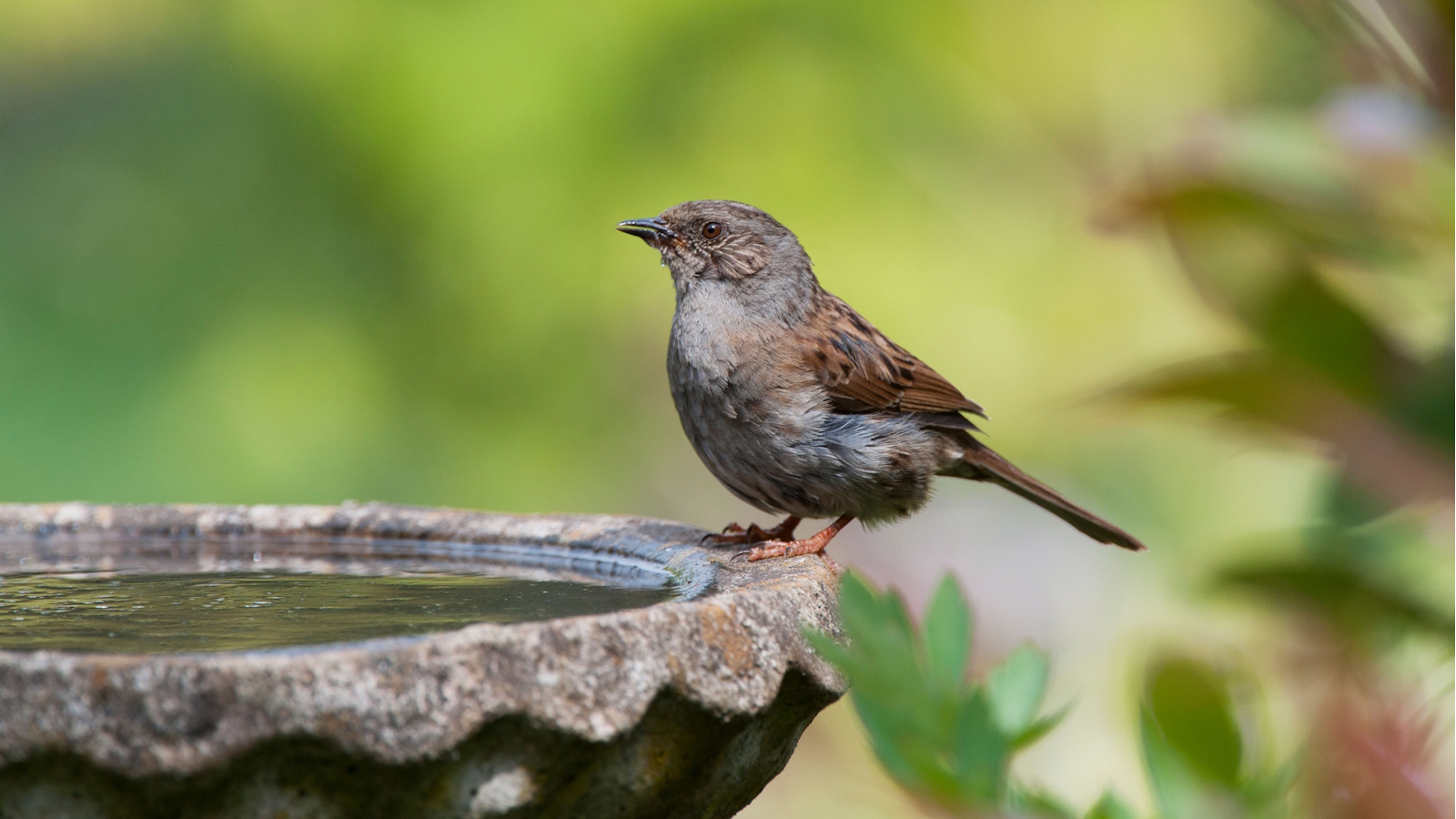
Credit: www.homesandgardens.com
Common Concerns And Risks
Feeding birds during summer raises important concerns. These concerns focus on the safety and well-being of the birds. Understanding these risks helps make better choices about feeding.
Attracting Predators
Bird feeders can attract predators like cats and hawks. Predators watch feeders as easy hunting spots. This increases danger for small birds visiting feeders. Placing feeders too close to bushes or trees can hide predators. Clear, open spaces reduce these risks and keep birds safer.
Dependency On Feeders
Birds may rely too much on feeders in summer. Natural food is often still available during warm months. Dependence on feeders might reduce birds’ ability to find food naturally. This can affect their survival skills and health. It is best to offer feeders only occasionally in summer.
Alternative Ways To Support Birds
Feeding birds in the summer can be tricky, but supporting them does not end there. Birds need more than just food to thrive. Offering natural help can make a big difference in their survival and happiness. Simple changes in your garden or yard can create a safe and welcoming space for birds.
Planting Native Flora
Native plants attract insects that birds love to eat. They also provide fruits, seeds, and nectar for many bird species. These plants fit well with the local climate and soil. They need less water and care, making them easy to maintain. Planting native trees, shrubs, and flowers creates a natural food source all year.
Choose plants that bloom at different times to offer food through seasons. Flowers with bright colors can attract hummingbirds and butterflies. Berry-producing bushes give birds a tasty treat in late summer and fall. This natural food supports birds without artificial feeders.
Providing Natural Shelter
Birds need safe places to rest and hide from predators. Trees and thick bushes offer perfect shelter from sun and rain. Leaving dead trees or branches can create homes for woodpeckers and other cavity-nesting birds. Dense shrubs also protect nests from wind and harsh weather.
Build brush piles or small log stacks to give birds extra cover. Avoid clearing all vegetation in your yard. This shelter helps birds feel safe and encourages them to visit often. Natural shelter also supports bird families during breeding season and harsh weather.

Credit: dengarden.com
Frequently Asked Questions
Is It Safe To Feed Birds In Summer?
Yes, feeding birds in summer is safe if done properly. Provide fresh water and avoid moldy food. Use suitable seeds and clean feeders regularly to prevent disease.
What Foods Are Best For Birds In Summer?
Offer high-energy foods like seeds, nuts, and fruit. Avoid bread and processed foods. Fresh fruits and mealworms help birds stay healthy and hydrated during hot months.
How Often Should I Clean Bird Feeders In Summer?
Clean feeders at least once a week in summer. Warm weather promotes mold and bacteria growth. Regular cleaning keeps birds healthy and prevents diseases.
Can Feeding Birds In Summer Disrupt Their Natural Habits?
Feeding birds moderately won’t harm their natural habits. It supports them during hot, dry periods when food is scarce. Avoid overfeeding to encourage natural foraging behavior.
Conclusion
Feeding birds in summer can help them stay healthy and strong. Birds find food on their own but extra snacks can support them during hot, dry days. Choose fresh, safe foods like seeds and fruits. Avoid giving bread or spoiled items.
Keep feeders clean to stop germs. Watch birds enjoy and stay safe. Small acts like this help nature thrive near your home. Think about birds’ needs and enjoy their visit all summer long.