

If you love watching birds visit your feeder, you probably wonder how often you should change the bird feeder. Keeping your feeder clean and fresh is key to attracting more birds and keeping them healthy.
But how do you know when it’s time to clean or replace it? You’ll discover simple tips that make sure your feeder stays safe and inviting for your feathered friends. Read on to learn exactly how often you should change your bird feeder and why it matters for the birds you care about.
Credit: www.familyhandyman.com
Signs To Change Feeder
Knowing when to change your bird feeder is key for healthy birds and clean feeding areas. Watch for clear signs that the feeder needs attention. These signs help keep your feeder safe and inviting for birds.
Visible Dirt And Mold
Dirt and mold on feeders are warning signs. Mold grows quickly in damp conditions. It can harm birds and stop them from eating. Clean feeders often to avoid mold buildup. Replace feeders if mold cannot be fully removed. Look for faded or cracked surfaces, too.
Bird Activity Drops
Notice fewer birds visiting your feeder? This drop in activity can mean the feeder is dirty or damaged. Birds avoid feeders that are unsafe or unclean. Changing the feeder or cleaning it can bring birds back. Keep an eye on bird visits regularly.
Weather Impact
Harsh weather affects feeders. Rain, snow, and strong sun can cause damage. Wood feeders may rot, and plastic can crack. Wind can scatter seeds, making a mess. Change feeders if weather damage is visible. Protect feeders by placing them in sheltered spots.
Cleaning Frequency
Cleaning frequency is key to keeping bird feeders safe and attractive. Dirty feeders can spread germs and harm birds. Regular cleaning helps prevent mold, bacteria, and old seeds buildup. This keeps birds healthy and encourages them to visit often.
Daily Maintenance
Check feeders every day for wet or moldy seeds. Remove any spoiled food quickly. Wipe down surfaces with a dry cloth to clear dirt and debris. This simple step keeps the feeder fresh and reduces disease risk.
Weekly Deep Cleaning
Once a week, give your feeder a thorough wash. Use warm water and mild soap or a vinegar solution. Scrub all parts, including trays and perches. Rinse well to remove soap residue. Let it dry completely before refilling.
Seasonal Considerations
Adjust cleaning frequency based on weather and seasons. In wet or cold months, clean feeders more often to prevent mold. During dry and warm times, fewer cleanings may be needed. Watch for signs of wear and replace feeders if damaged.
Type Of Bird Feeder
The type of bird feeder you use plays a big role in how often you need to change the seed. Different feeders attract different birds and have varying levels of exposure to moisture and dirt. Knowing these differences can help you keep your feeder clean and your feathered visitors healthy.
Tube Feeders
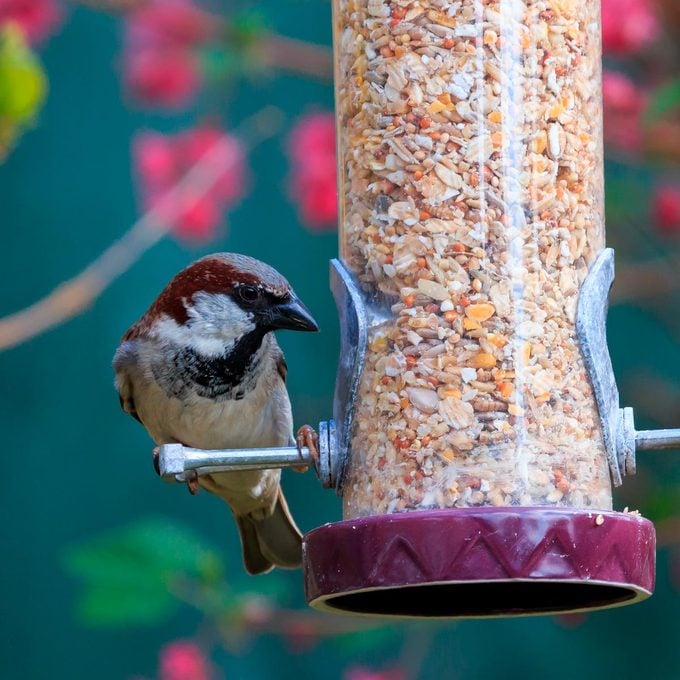
Tube feeders are narrow, cylindrical containers that hold seed and have small perches for birds to sit on. They usually protect seeds well from rain and wind, which slows down spoilage. You can often go a week or more before changing the seed, but watch for mold or clumping if the weather is humid.
If you notice fewer birds visiting, it might mean the seed is old or damp. Cleaning tube feeders regularly keeps seeds fresh longer and reduces disease risk.
Platform Feeders
Platform feeders are flat trays that hold seed openly. Because seeds are fully exposed, they get wet quickly and can attract pests like squirrels and rodents. You’ll want to change the seed every 2-3 days, especially after rain or damp weather.
Platform feeders are great for attracting a variety of birds, but the open design means you need to be extra vigilant about freshness. Have you checked your platform feeder lately for mold or leftover seed?
Hopper Feeders
Hopper feeders store a large amount of seed in a covered container and dispense it gradually onto a tray below. The cover shields seeds from rain, so they stay fresher longer. Changing the seed every week is usually enough, but inspect the tray often for wet seeds or debris.
I once left seed in a hopper feeder too long during a damp spring. The birds stopped coming until I cleaned out the old seed. Your feeder’s condition directly affects how often you should refresh it.
Seed Freshness Tips
Keeping bird seed fresh helps attract more birds to your feeder. Fresh seeds have better taste and nutrition. Birds avoid old or moldy seeds. Proper seed freshness extends the life of your feeder and keeps birds healthy.
Choosing Quality Seeds
Pick seeds that look clean and dry. Avoid seeds with dust or broken shells. Sunflower seeds, millet, and safflower are popular choices. Buy seeds from trusted stores with good turnover. Fresh seeds have a rich color and natural smell.
Storage Best Practices
Store seeds in a cool, dry place. Use airtight containers to keep moisture out. Avoid storing seeds in sunlight or damp areas. Small batches prevent seeds from staying too long. Label containers with purchase dates to track freshness.
Avoiding Seed Spoilage
Remove wet or clumped seeds quickly. Clean feeders regularly to prevent mold growth. Check seeds for bugs or strange smells. Replace seeds every two weeks or sooner if wet. Dry seeds attract more birds and prevent illness.
Health And Safety
Keeping your bird feeder clean and fresh is essential for the health and safety of visiting birds. Dirty feeders can become breeding grounds for harmful bacteria and mold, which can spread disease quickly among bird populations. Understanding how often to change and clean your feeder protects not only your feathered friends but also keeps your garden vibrant with healthy visitors.
Preventing Disease Spread
Birds gather at feeders, making these spots ideal for germs to pass from one bird to another. Diseases like salmonella and avian pox can easily spread through contaminated seed and droppings. Changing the seed regularly, ideally every few days, reduces the risk of infection.
Have you noticed birds avoiding your feeder? It might be a sign of disease buildup. Removing old seed and droppings promptly helps prevent outbreaks and keeps your birds coming back safely.
Safe Cleaning Methods
Cleaning your feeder with soap and water is a good start, but disinfecting it is crucial. Use a solution of one part bleach to nine parts water and soak the feeder for at least 10 minutes. Rinse thoroughly and let it dry completely before refilling.
Never use harsh chemicals or detergents that could harm birds. Also, avoid metal scrubbers that can damage feeder surfaces and create hiding spots for bacteria. Soft brushes or cloths work best for gentle yet effective cleaning.
Encouraging Healthy Bird Visits
Fresh seed and a clean feeder attract more birds and encourage longer visits. By changing seed every few days and cleaning weekly, you create a safe dining spot that birds trust. Watching a variety of species gather can become a rewarding part of your day.
Think about how your feeder’s condition affects the birds’ health. Are you ready to make small changes that ensure your backyard remains a safe haven for these beautiful creatures?

Credit: www.reddit.com
Seasonal Adjustments
Adjusting your bird feeder with the seasons keeps it inviting and safe for birds year-round. Each season brings unique challenges and opportunities for feeding wild birds. Paying attention to these changes helps you decide how often to clean and refill your feeder, and what type of feed to offer.
Winter Feeding Tips
Winter demands extra care because food freezes and feeders can get clogged. You should check your feeder every few days to remove ice and refill fresh seed. High-energy foods like suet, peanuts, and sunflower seeds attract birds needing extra calories to stay warm.
Have you noticed some birds avoiding your feeder in winter? It might be time to move the feeder to a sheltered spot to protect it from harsh winds and snow. A well-placed feeder can make a big difference in how often you need to maintain it.
Spring And Summer Care
During warmer months, feeders need more frequent cleaning to prevent mold and bacteria growth. Check your feeder twice a week, especially after rain. Wet seeds can spoil quickly and harm birds.
Try offering foods that suit the season, such as nectar for hummingbirds or fruit for orioles. These options attract a variety of species and keep your feeder interesting. Have you thought about adding a water source nearby? Birds often visit feeders more if fresh water is available.
Fall Preparation
Fall is a transition time when birds are preparing for migration or colder weather. Clean your feeder thoroughly before refilling it with hearty seeds like safflower or cracked corn. This helps birds build energy reserves for their journey or the coming winter.
Consider how often you’ve cleaned your feeder during the year. A deep clean in fall prevents disease and keeps the feeder in top shape. What changes could you make now to ensure your feeder supports birds through the colder months?
Credit: edis.ifas.ufl.edu
Frequently Asked Questions
How Often Should I Clean My Bird Feeder?
Clean your bird feeder every two weeks to prevent mold and bacteria. In wet or humid climates, clean more often. Regular cleaning keeps birds healthy and attracts more visitors.
When Is The Best Time To Change Bird Seed?
Change bird seed every two weeks or when it looks stale. Fresh seed attracts more birds and reduces waste. Avoid letting seed sit too long to prevent mold growth.
How Can I Tell If My Bird Feeder Needs Replacement?
Replace your bird feeder if it’s cracked, rusted, or moldy. Damaged feeders can harm birds or spread diseases. Regularly inspect your feeder for wear and tear to keep it safe.
Does Feeder Location Affect How Often I Should Clean It?
Yes, feeders near trees or water need more frequent cleaning. These spots attract more debris and moisture, increasing contamination risk. Adjust cleaning frequency based on feeder placement.
Conclusion
Changing your bird feeder regularly keeps birds healthy and happy. Clean feeders stop mold and bacteria from growing. Fresh seed attracts more birds and prevents waste. Check your feeder every few days or at least once a week. A little care goes a long way in bird feeding.
Enjoy watching birds visit a clean, fresh feeder often. Simple steps make a big difference for your feathered friends. Keep your feeder safe, and birds will keep coming back.