
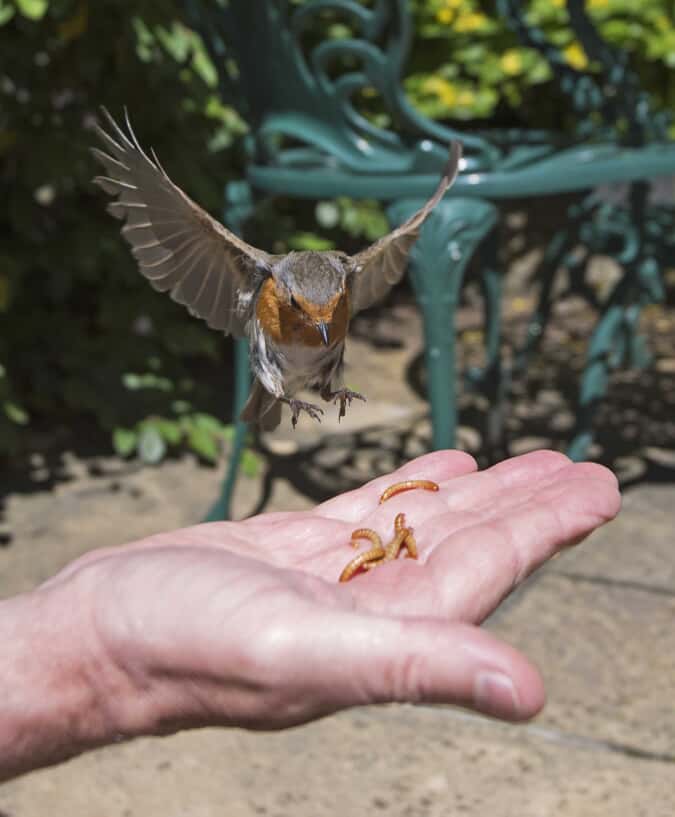
If you want to keep your bird healthy and happy, feeding it worms can be a great choice. Worms are packed with protein and nutrients that many birds love.
But you might be wondering how to do it safely and effectively. You’ll discover simple steps to feed worms to your bird without any hassle. Whether you’re a new bird owner or looking to improve your pet’s diet, this guide will give you the confidence to make the best decisions for your feathered friend.
Keep reading, and you’ll learn everything you need to know to get started today.
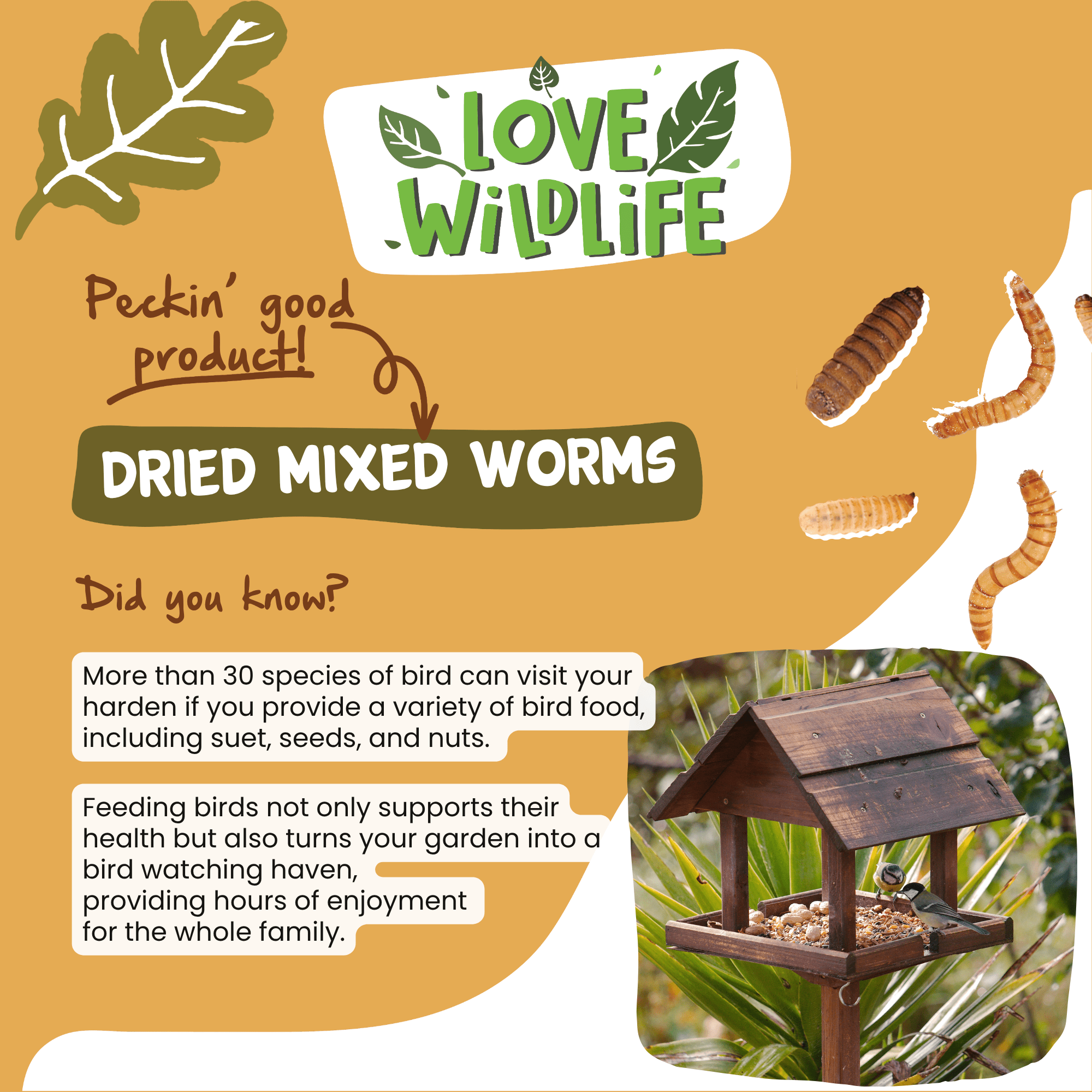
Credit: thebirdfoodwarehouse.co.uk
Benefits Of Feeding Worms To Birds
Feeding worms to birds offers more than just a tasty treat. It provides key benefits that support their overall well-being and natural behaviors. Understanding these benefits can help you make better feeding choices for your feathered friends.
Nutritional Value Of Worms
Worms are packed with protein, essential fats, and vitamins that birds need for energy and growth. They contain important nutrients like iron and calcium, which help build strong bones and feathers.
Adding worms to your bird’s diet can fill nutritional gaps often missing in seeds or pellets. Have you noticed how birds become more active after eating worms? That’s the power of nutrition at work.
Enhancing Bird Health
Worms support a healthy immune system and improve digestion due to their natural enzymes. Birds that eat worms regularly tend to have shinier feathers and better resistance to diseases.
Feeding worms can also aid in molting, helping birds replace old feathers faster and more effectively. If you want your bird to look vibrant and feel strong, worms are a great food choice to consider.
Encouraging Natural Foraging
Offering worms stimulates birds to use their natural foraging instincts. Watching birds dig and hunt for worms can be fascinating and adds enrichment to their environment.
This activity keeps birds mentally sharp and physically active, reducing boredom and stress. Have you thought about how this simple feeding habit can mimic wild behaviors and improve your bird’s happiness?
Choosing The Right Worms
Choosing the right worms is key to feeding birds safely and effectively. Not all worms suit birds, and some can cause harm. Knowing which types are best and where to find them ensures healthy feeding habits.
Types Of Worms Suitable For Birds
Birds enjoy various worms as part of their diet. Common types include:
- Earthworms – rich in protein and easy to digest.
- Mealworms – popular feeder worms, high in nutrients.
- Red wigglers – often used in composting but safe for birds.
These worms provide essential nutrients and support bird health.
Avoiding Harmful Worms
Some worms carry parasites or toxins harmful to birds. Avoid worms found in polluted soil or near chemical use. Do not feed worms that look sick or have unusual colors. Always check for signs of decay or mold before offering worms.
Sourcing Safe Worms
Buy worms from trusted pet stores or reputable breeders. Wild-caught worms can carry diseases or pesticides. If collecting worms yourself, choose clean, pesticide-free areas. Rinse worms thoroughly before feeding to remove dirt and contaminants.
Preparing Worms For Feeding
Preparing worms before feeding them to birds ensures safety and nutrition. Clean, handle, and store worms properly to keep them fresh. Different birds need different portion sizes. Proper preparation helps birds enjoy their meal without harm.
Cleaning And Handling Worms
Rinse worms gently under cool water to remove dirt. Avoid using soap or chemicals. Handle worms with clean hands or gloves. Do not squeeze or harm them. Use fresh, healthy worms only. Remove any dead or damaged worms before feeding.
Portion Size For Different Birds
| Bird Type | Recommended Portion Size |
|---|---|
| Small Birds (e.g., finches, canaries) | 1-3 worms per feeding |
| Medium Birds (e.g., robins, thrushes) | 3-7 worms per feeding |
| Large Birds (e.g., crows, hawks) | 7-15 worms per feeding |
Feed birds smaller portions several times a day. Observe their appetite and adjust accordingly. Avoid overfeeding to prevent waste and health issues.
Storing Worms Safely
Keep worms in a cool, dark place. Store them in moist bedding like damp soil or shredded newspaper. Avoid direct sunlight or extreme temperatures. Change bedding regularly to prevent mold. Use worms within one week for best freshness. Do not freeze worms, as it kills them.

Credit: www.livingwithbirds.com
Feeding Techniques
Feeding worms to your bird can be both rewarding and fun, but how you present the worms matters a lot. The right feeding technique not only ensures your bird gets the nutrition it needs but also encourages natural foraging behavior. Let’s look at some practical ways to offer worms that keep your bird interested and healthy.
Hand-feeding Methods
Hand-feeding worms can build trust between you and your bird. Start by holding a worm gently between your fingers and offering it close to your bird’s beak.
Be patient—some birds need time to feel comfortable taking food from your hand. If your bird seems hesitant, try wiggling the worm slightly to catch its attention.
This method works well for tame birds and helps you monitor exactly how much your bird eats. Have you noticed how some birds get excited just by the movement of the worm in your hand?
Using Feeders And Trays
If hand-feeding feels tricky or your bird prefers independence, feeders and trays are great options. Place worms in a shallow dish or on a flat tray where your bird can easily access them.
To keep worms fresh, consider using a small container with a lid or covering the tray with a mesh screen to prevent escapes. You can even scatter the worms across the tray to encourage your bird’s natural foraging instincts.
Have you tried mixing worms with other treats in a tray? It often makes feeding time more engaging for your bird.
Timing And Frequency
Feeding worms at the right times can boost your bird’s energy and health. Offer worms during active periods, such as early morning or late afternoon, when your bird is most likely to eat.
Keep the frequency moderate; feeding worms two to three times a week usually balances nutrition without overdoing protein. Overfeeding can upset your bird’s diet and digestion.
Notice how your bird reacts to worm feeding—does it become more lively or seem full? Adjust timing and amounts based on these clues to meet your bird’s specific needs.
Monitoring Bird Reactions
Monitoring your bird’s reactions after feeding it worms is crucial for ensuring its health and comfort. Birds can respond differently to new foods, so watching closely helps you understand how well they accept the worms and if any problems arise. This attention also allows you to make timely changes to their diet, keeping your feathered friend happy and thriving.
Signs Of Acceptance
Look for eagerness when you offer worms. If your bird approaches quickly and starts eating without hesitation, that’s a strong sign it enjoys the new food. You might notice your bird vocalizing happily or showing increased energy after feeding time, which also indicates acceptance.
Some birds may take a little time to warm up to worms. Keep offering small amounts and watch if they pick at the worms or hold them in their beak. These subtle signs suggest curiosity and potential acceptance, even if they don’t eat immediately.
Detecting Allergies Or Issues
Pay attention to any unusual behavior or physical changes after feeding worms. Symptoms like swelling around the eyes or beak, excessive scratching, or changes in droppings could indicate an allergy or digestive upset. If your bird suddenly becomes lethargic or refuses food, it might be reacting poorly to the worms.
It’s important to observe your bird for at least a few hours after feeding worms. Sometimes reactions aren’t immediate but develop over time. Keeping a food diary can help you track any patterns related to worm feeding and spot issues early.
Adjusting Feeding Practices
If you notice signs of discomfort or rejection, reduce the amount of worms you give or pause feeding them altogether. Try mixing worms with familiar foods to make the transition smoother. Gradually increase the worm portion as your bird gets used to the taste and texture.
Consider the type and size of worms as well. Smaller or different species of worms might be easier for your bird to digest. Always ensure worms are fresh and sourced from safe environments to avoid introducing parasites or toxins.
Are you ready to tune in to your bird’s unique preferences and needs? Watching closely and adjusting based on real reactions can make feeding worms a rewarding experience for both of you.
Common Mistakes To Avoid
Feeding worms to your bird can be a great way to boost its nutrition, but it’s easy to make mistakes that could harm your feathered friend. Avoiding common pitfalls ensures your bird stays healthy and happy while enjoying its treat. Let’s look at some frequent errors and how you can prevent them.
Overfeeding Worms
Worms are packed with protein and fat, which is good in moderation but can cause problems if given in excess. Too many worms can lead to digestive issues or obesity in birds.
Think about how much your bird normally eats and adjust the worm portion accordingly. Try offering worms as a small part of a varied diet, not the main meal.
Have you noticed your bird becoming less active or gaining weight after feeding worms? That’s a sign to cut back and balance its meals better.
Feeding Contaminated Worms
Worms sourced from dirty or unsafe environments can carry harmful bacteria or pesticides. Feeding contaminated worms puts your bird at risk of infections or poisoning.
Always get worms from trusted suppliers or raise them yourself in clean conditions. Rinse worms thoroughly before feeding them to your bird to reduce any surface contaminants.
Ask yourself: Where did these worms come from? If you can’t answer confidently, it’s safer not to feed them.
Ignoring Bird Preferences
Not all birds like worms, and some might prefer certain types or sizes over others. Forcing a bird to eat worms it dislikes can cause stress or refusal to eat.
Observe your bird’s reaction when you offer worms. If it shows hesitation, try smaller pieces or mix worms with other favorite foods.
Have you tried varying the worm types or presentation? Sometimes a simple change can make all the difference in acceptance.

Credit: www.tassiebirdandpoultrysupplies.com
Frequently Asked Questions
How Often Should I Feed Worms To A Bird?
Feed worms to birds once or twice a day. Adjust the quantity based on the bird’s size and dietary needs. Always ensure worms are fresh and free from harmful chemicals. Variety in diet is essential, so complement worms with seeds, fruits, and vegetables for balanced nutrition.
What Types Of Worms Are Safe For Birds?
Mealworms and earthworms are safe and nutritious for birds. Ensure they are sourced from reputable suppliers to avoid harmful chemicals. Avoid using worms caught from pesticide-treated areas. Live or dried worms can be offered, but always ensure they are clean and free from parasites.
Can Feeding Worms Harm My Bird?
Feeding worms is generally safe, but moderation is key. Overfeeding worms can lead to nutritional imbalances. Ensure worms are clean and free from pesticides. Always complement worms with other food types for balanced nutrition. Monitor the bird’s health and adjust the diet as needed.
How Do I Prepare Worms For Feeding?
Rinse worms thoroughly to remove any dirt or chemicals before feeding. Offer them whole or cut into smaller pieces for smaller birds. Ensure they are fresh and alive, if possible, to maintain nutritional value. Consider offering dried worms as an alternative, ensuring they are rehydrated if necessary.
Conclusion
Feeding worms to birds helps keep them healthy and strong. Birds enjoy worms as a natural treat. Always offer fresh, clean worms in small amounts. Watch your bird’s reaction to ensure it likes the food. Keep feeding safe by avoiding harmful worms or chemicals.
Feeding worms can be a fun way to bond with your bird. Try this simple method to support your bird’s diet and happiness.