
Have you ever wondered if feeding garden birds in spring is really a good idea? As the season changes, your garden comes alive with new sounds and colors, and those little visitors might need your help more than you think.
But should you step in and offer food, or let nature take its course? Keep reading to discover surprising facts that could change the way you care for your feathered friends—and your garden too. Your next decision might just make a big difference.

Credit: www.calloways.com
Spring Feeding Benefits
Feeding garden birds in spring offers many benefits. This season is full of life and growth. Birds need extra support during this busy time. Food helps them stay strong and healthy. It also encourages more birds to visit your garden.
Boosting Bird Energy
Spring is a busy season for birds. They build nests, find mates, and raise chicks. These activities use a lot of energy. Providing extra food helps birds keep their strength. Seeds, nuts, and suet are great energy sources. This support helps birds stay active and healthy.
Supporting Nesting Birds
Nesting birds need extra care and food. They must feed their young often. Fresh food helps them grow strong chicks. Feeding birds near nests reduces their search time. This means less stress and more time for care. Your garden becomes a safe place for new life.
Encouraging Local Wildlife
Feeding birds helps local wildlife thrive. It attracts many bird species to your garden. This creates a lively and diverse environment. Birds spread seeds, helping plants grow. They also control insects, balancing nature. Feeding birds supports a healthy ecosystem around you.
Credit: www.homesandgardens.com
Best Foods For Spring
Spring is a crucial time for garden birds as they prepare for nesting and raising their young. Offering the right foods can help support their energy needs and overall health during this busy season. Choosing appropriate foods not only attracts a variety of birds but also ensures you’re contributing positively to their diet.
Seeds And Grains
Seeds and grains remain a staple for many garden birds in spring. Black sunflower seeds are especially popular because they are high in fat and easy for birds to crack open. Millet and cracked corn also provide essential nutrients and energy.
If you want to see a mix of finches, sparrows, and doves, scatter these seeds on a platform feeder or directly on the ground. Keep your feeder clean and refill regularly to avoid mold and spoilage, which can harm birds.
Fruits And Mealworms
Adding fresh fruits can attract species like thrushes and waxwings who enjoy berries and soft fruit. Apples, pears, and berries work well, but make sure the fruit is fresh and not moldy. Mealworms are another excellent choice, packed with protein that’s vital for breeding birds and their chicks.
I noticed that after adding mealworms to my garden feeder, the number of robins visiting increased significantly. Try offering dried or live mealworms in a shallow dish and watch how quickly birds come for this protein boost.
Avoiding Harmful Foods
Not all foods are safe for birds, especially in spring when they’re more vulnerable. Avoid offering bread, salty snacks, or anything processed, as these can cause malnutrition or illness. Also, stay clear of moldy or stale food, which can be toxic.
Have you ever wondered if your bird feeding habits might harm more than help? Paying attention to what you feed can make a big difference in supporting healthy bird populations during spring.
Feeding Tips For Spring
Feeding garden birds in spring can be a rewarding experience, but it requires some thoughtful planning. Birds are shifting their diets as they prepare for nesting and raising young, so your feeding strategy needs to reflect these changes. Here are some practical tips to help you support your feathered friends effectively this season.
Choosing The Right Feeder
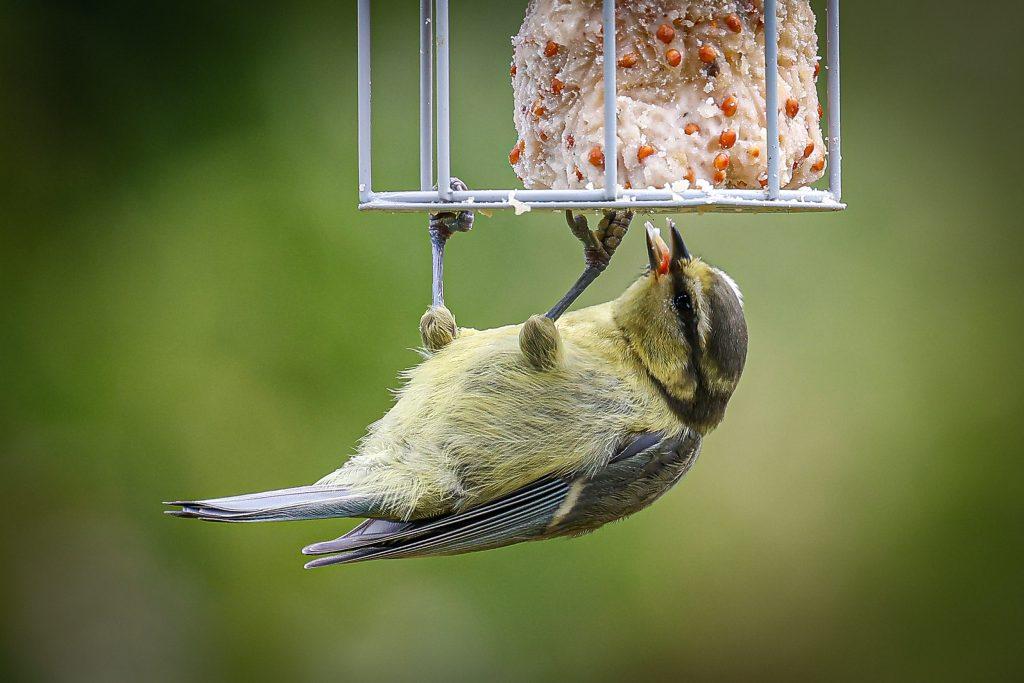
The type of feeder you choose can influence which birds visit your garden. Tube feeders with small perches attract finches and tits, while platform feeders are great for larger birds like blackbirds and thrushes.
Consider a feeder that offers multiple compartments or feeding options. This way, you can provide a variety of seeds, suet, or mealworms, catering to different bird preferences in spring.
Keeping Feeders Clean
Spring rains and warmer weather can cause feeders to get dirty quickly, which risks spreading disease among birds. Clean your feeders at least once a week using warm, soapy water and rinse thoroughly.
Regular cleaning helps prevent mold and bacteria buildup. You might be surprised how much more birds visit a well-maintained feeder compared to a neglected one.
Safe Feeding Locations
Where you place your feeders affects both bird safety and your viewing pleasure. Position feeders near natural cover like bushes or trees, giving birds a quick escape route from predators.
Avoid placing feeders too close to windows to reduce the risk of bird collisions. Have you noticed how birds often prefer feeders near shrubs? This natural protection can make them feel safer and more likely to stay longer.
Credit: help.gardeningexpress.co.uk
Common Mistakes To Avoid
Feeding garden birds in spring can be a rewarding experience, but it’s easy to make mistakes that might harm the birds or reduce the benefits of your efforts. Avoiding common errors helps keep your feathered visitors healthy and happy. Let’s look at some pitfalls you should watch out for.
Overfeeding Risks
It might seem like a good idea to keep feeders full all the time, but overfeeding can cause problems. Birds may become dependent on your food and stop searching for natural sources, which can affect their survival skills.
Too much food also attracts unwanted pests such as rats and squirrels. Have you ever noticed how a constantly full feeder sometimes turns your garden into a wildlife hotspot in ways you didn’t expect? Moderation is key to avoid these issues.
Feeding Inappropriate Foods
Not all foods are safe for birds. Bread, for example, is a common but harmful choice. It offers little nutrition and can cause health problems like malnutrition and digestive issues.
Stick to seeds, nuts, and fruits that are known to be safe for birds. Before adding anything new to your feeder, ask yourself if it’s something birds would naturally eat in the wild. Your choice affects their health directly.
Ignoring Hygiene
Dirty feeders can spread diseases among birds. Moldy food and droppings create a breeding ground for bacteria and fungi.
Clean your feeders regularly with hot water and a mild detergent. Consider setting a reminder to do this weekly. Would you eat from a dish that’s never been cleaned? Birds deserve the same care to stay healthy.
Encouraging Bird Activity
Spring is a lively time for birds. They search for food, water, and safe places. Encouraging bird activity helps them thrive during this busy season. Gardens can become a sanctuary for many bird species. Simple actions create a welcoming space for birds to visit often.
Planting Bird-friendly Plants
Choose plants that offer seeds, berries, or nectar. Native plants suit local birds best. They provide natural food and attract insects for birds to eat. Trees and shrubs offer shelter and nesting spots. Colorful flowers draw hummingbirds and other nectar feeders.
Providing Water Sources
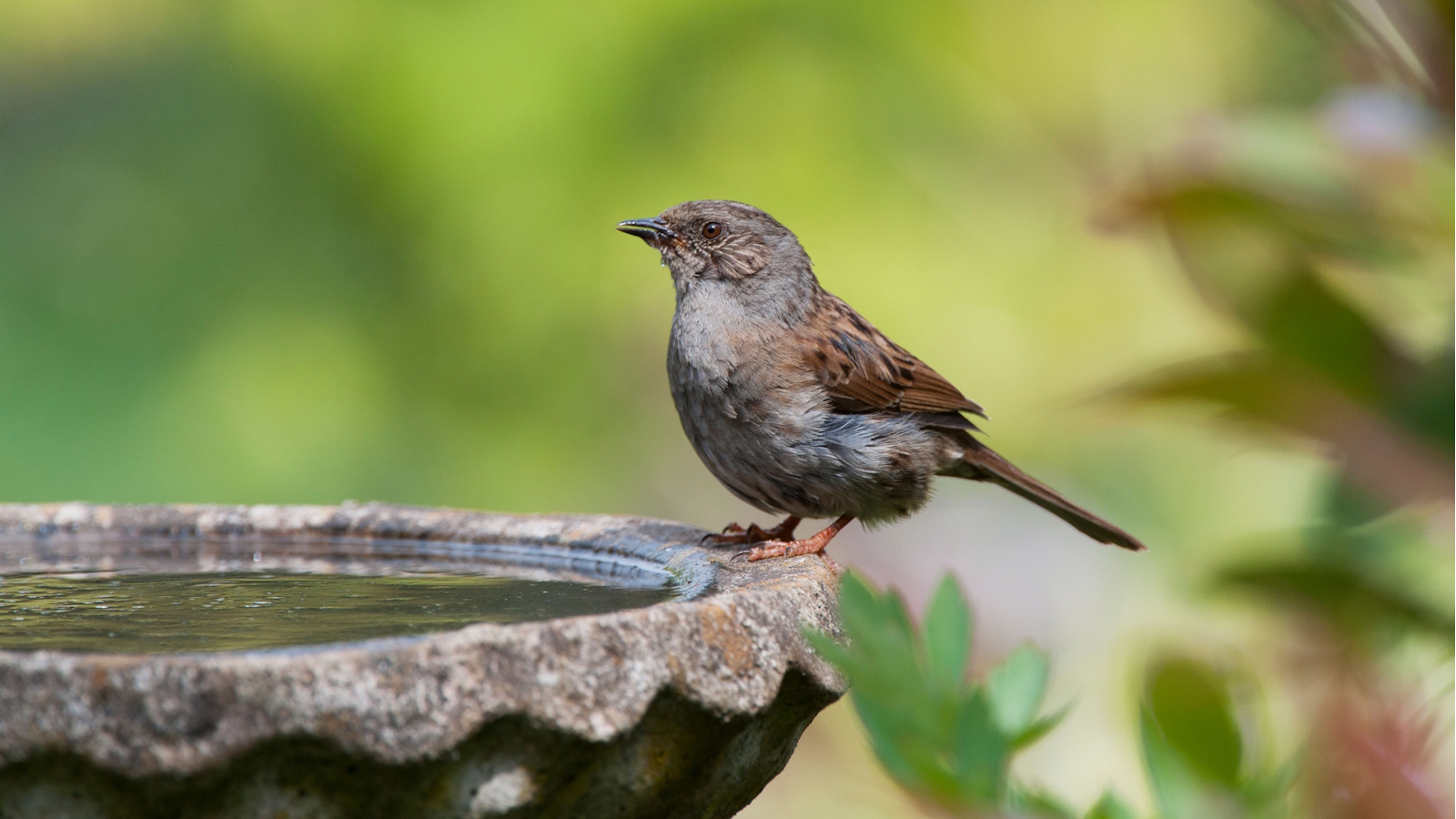
Birds need fresh water for drinking and bathing. A shallow birdbath works well. Keep the water clean and change it regularly. Moving water, like a small fountain, attracts more birds. Water sources also help birds cool down on warm days.
Creating Shelter Spots
Safe places protect birds from predators and bad weather. Dense bushes and hedges offer good cover. Nesting boxes encourage birds to raise their young. Piles of leaves or logs provide hiding spots for small birds. Shelter spots make birds feel secure and more likely to stay.
Frequently Asked Questions
Is It Safe To Feed Garden Birds In Spring?
Yes, it is safe to feed garden birds in spring. During this season, natural food sources may be scarce. Providing supplementary food helps them thrive. It supports their breeding efforts and ensures their young have enough nourishment. Ensure the food is fresh and suitable for local bird species.
What Type Of Food Is Best For Spring Feeding?
In spring, offer a variety of seeds, suet, and mealworms. These foods provide essential nutrients for birds during nesting season. High-energy foods are especially beneficial. They support birds in maintaining their energy levels. Always avoid feeding birds stale or moldy food, which can be harmful.
How Often Should I Feed Garden Birds In Spring?
Feed garden birds regularly, ideally every day. Consistent feeding helps birds rely on your garden as a food source. This is especially important during colder spring days. Keeping feeders full ensures birds have a reliable food supply. Clean feeders regularly to prevent the spread of diseases.
Can Feeding Birds In Spring Attract Pests?
Yes, feeding birds can attract pests if not managed properly. To minimize pests, clean up spilled seeds promptly. Use feeders designed to deter squirrels and other unwanted guests. Regular maintenance and careful placement of feeders can help reduce pest issues.
Proper hygiene is crucial for a healthy feeding environment.
Conclusion
Feeding garden birds in spring helps them stay strong and healthy. Birds need extra energy during nesting and raising chicks. Offering food supports their natural diet and encourages visits. Keep feeders clean and filled with suitable seeds or fruits. Watch birds enjoy your garden and bring life to your outdoor space.
Small actions can make a big difference for local wildlife. Try feeding birds this spring and see the joy it brings.