
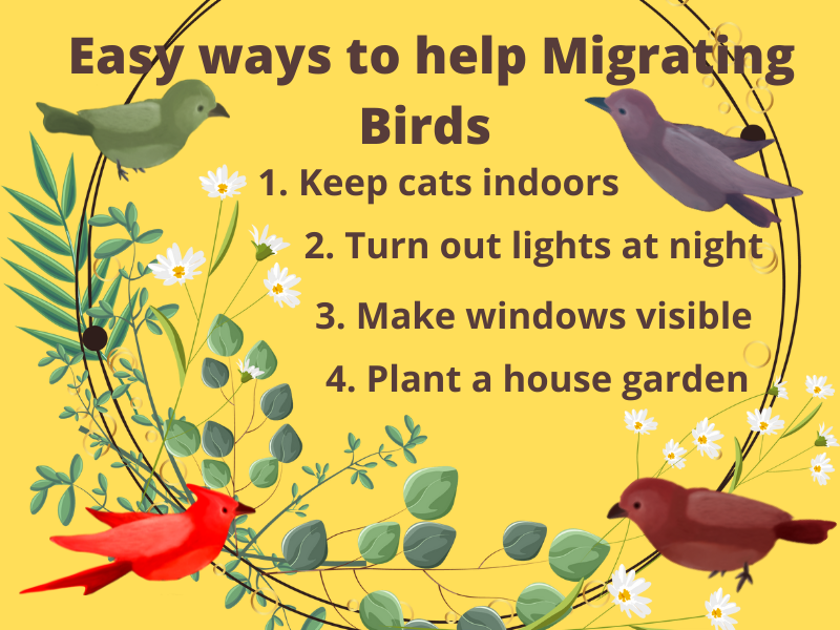
Have you ever wondered if feeding birds in your backyard could stop them from flying away for the season? It’s a question many nature lovers ask as they watch their feathered friends flock around the feeders.
You might think that offering extra food could keep birds close all year long. But is that really how migration works? Understanding what drives birds to migrate—and whether your feeding habits can change that—will surprise you. Keep reading to discover the truth behind bird migration and how your actions might affect these incredible travelers.
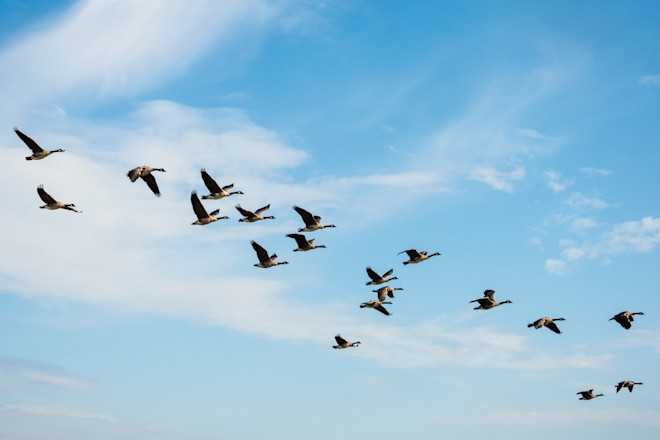
Credit: www.discovermagazine.com
Bird Migration Basics
Understanding bird migration is key if you’re curious whether feeding birds affects their natural journey. Migration is a complex, instinct-driven behavior that has evolved over thousands of years. Knowing the basics helps you appreciate why birds leave and how they navigate vast distances.
Why Birds Migrate
Birds migrate primarily to find food and suitable breeding grounds. Seasonal changes in temperature and food availability push them to move from one region to another. Imagine waking up one day to find your pantry empty—that’s what drives birds to seek better places.
Many birds also migrate to avoid harsh weather that could threaten their survival. Migration increases their chances of living longer and raising healthy chicks.
Migration Patterns
Bird migration isn’t random; it follows specific routes known as flyways. These paths often align with natural landmarks like rivers, coastlines, and mountain ranges. Birds rely on these routes year after year, sometimes traveling thousands of miles.
Different species use different patterns. Some fly non-stop for hours, while others rest frequently. Have you ever wondered how they know when and where to stop? It’s a remarkable mix of instinct and learned behavior.
Triggers For Migration
Several triggers signal birds it’s time to migrate. Shorter daylight hours and cooler temperatures tell their bodies to prepare for the journey. Hormonal changes kick in, making them restless and ready to fly.
Food scarcity also plays a big role. When your backyard feeder runs dry, would you stay put or move on? Birds react similarly, driven by survival instincts to move when resources dwindle.
Impact Of Feeding On Migration
Feeding birds has become a popular activity in many backyards. Some wonder if this practice might stop birds from migrating. Migration is a natural behavior that helps birds survive seasonal changes. Understanding how feeding affects migration can guide us to support birds wisely.
Does Food Availability Affect Migration?
Birds migrate to find food and suitable climates. Food availability is a key factor in their decision to move. If food is plentiful in one area, some birds might delay migration. Still, most birds depend on other signals like daylight and temperature. Food alone rarely stops migration but can influence its timing.
Studies On Feeding And Migration Behavior
Research shows mixed results about feeding and migration. Some studies find that feeding can reduce migration distance for certain species. Others show no change in migration patterns despite feeding. Scientists suggest that feeding provides extra energy but does not replace natural instincts. Birds often continue migration even with regular food sources nearby.
Seasonal Feeding And Bird Habits
Seasonal feeding can help birds during cold months. Offering food in late fall and winter supports birds when natural food is scarce. This feeding does not usually prevent migration but helps birds survive harsh conditions. Feeding year-round may affect habits more, encouraging some birds to stay longer. Careful timing of feeding matches birds’ natural needs best.
Feeding Birds Responsibly
Feeding birds can be a joy and a way to connect with nature. Doing it responsibly helps birds stay healthy and safe. It also supports their natural behaviors without causing harm. Careful feeding does not stop migration or cause birds to rely too much on humans.
Best Practices For Bird Feeding
- Place feeders in safe, quiet areas away from predators.
- Clean feeders regularly to prevent disease spread.
- Offer food during natural feeding times like early morning and late afternoon.
- Provide fresh water for drinking and bathing nearby.
- Limit feeding to colder months or when natural food is scarce.
Types Of Food That Help
- Black oil sunflower seeds attract many bird species.
- Nyjer seeds are great for finches and small birds.
- Suet cakes provide high energy, especially in winter.
- Fruit slices like apples and oranges feed fruit-eating birds.
- Avoid bread or processed foods that offer little nutrition.
Avoiding Negative Effects
- Do not overfeed to prevent birds from losing natural foraging skills.
- Avoid feeding near windows to reduce collision risks.
- Keep feeders clean to stop mold and bacteria buildup.
- Watch for aggressive birds and separate feeders if needed.
- Stop feeding during migration peaks to encourage natural travel.

Credit: www.birdsandblooms.com
Surprising Facts About Bird Migration
Bird migration is a natural marvel that often surprises even the most avid bird watchers. You might think feeding birds in your backyard could keep them from migrating, but the reality is far more complex. Understanding the surprising facts about bird migration can change how you view these seasonal travelers and your role in their journey.
Unexpected Migration Patterns
Not all birds follow the classic north-to-south migration route. Some species move in unusual directions or even skip migration altogether in certain years. For example, some robins stay put if the winter food supply is enough, while others head south.
Have you noticed birds lingering longer in your area? This could be part of a flexible pattern based on weather and food availability. These shifts show that migration isn’t a fixed plan but a responsive behavior.
How Climate Change Alters Migration
Climate change is shifting migration timelines and routes. Birds are arriving earlier or later than usual, sometimes missing peak food supplies on their traditional paths. This mismatch can affect their survival and breeding success.
Your backyard feeders might help some birds cope with these changes, but they won’t stop migration. Instead, think about how you can create a habitat that supports birds throughout the year, especially during these uncertain times.
Role Of Urban Environments
Urban areas provide unique challenges and opportunities for migrating birds. Cities offer food sources like feeders, fruit trees, and insects, which can attract birds that might otherwise keep moving. But urban hazards such as glass windows and pollution create risks.
Have you ever wondered if your city park or garden acts as a rest stop or a permanent home? By planting native shrubs and reducing hazards, you can make urban spaces safer and more welcoming for migratory birds.
Alternatives To Feeding For Supporting Birds
Feeding birds can feel rewarding, but it’s not the only way to support them. In fact, relying solely on feeders might not help birds in the long run, especially when it comes to migration. You can play a bigger role by creating environments that naturally attract and sustain birds throughout the year.
Creating Bird-friendly Habitats
Think about your garden or yard as a mini wildlife sanctuary. You can make it inviting by providing shelter with bushes, trees, and safe nesting spots. Birds need places to hide from predators and harsh weather, so dense shrubs or brush piles work well.
Adding layers of vegetation encourages different species to visit. Have you noticed how birds flock to areas with diverse plants? That’s because such spaces offer food, protection, and nesting options all in one.
Planting Native Flora
Native plants are the best choice for supporting local birds. They produce seeds, berries, and nectar that birds have evolved to eat. Unlike exotic plants, natives thrive without extra care and attract insects that many birds rely on.
You might be surprised how planting a few native shrubs or wildflowers can increase bird visits. For example, adding milkweed or coneflowers can bring in butterflies and hummingbirds, while oak trees provide acorns for many species. What native plants grow naturally in your area that you could add?
Providing Water Sources
Water is essential for birds—not just for drinking but also for bathing. Installing a birdbath or a shallow water dish can attract a variety of birds. Make sure to keep the water clean and fresh to prevent disease.
Moving water, like a small fountain or dripper, can be even more attractive. Birds are drawn to the sound and movement, which signals safety and freshness. How often do you check your water sources to keep them inviting for your feathered friends?

Credit: www.allaboutbirds.org
Frequently Asked Questions
Does Feeding Birds Stop Their Migration?
Feeding birds doesn’t stop their migration. Birds migrate due to instinct, daylight changes, and food availability. Supplemental feeding can help them conserve energy. It provides a reliable food source, especially in urban areas. However, it doesn’t replace their natural instincts and reasons for migrating.
Can Birds Rely Solely On Feeders?
Birds cannot rely solely on feeders. While feeders provide a consistent food source, birds need a varied diet. Natural foods like insects, seeds, and berries are crucial. Feeders supplement their diet, especially in harsh conditions. Birds will still forage for natural foods.
Is It Harmful To Feed Birds In Winter?
Feeding birds in winter is not harmful. In fact, it helps them survive harsh conditions. Natural food sources can be scarce during winter months. Providing food at feeders can give birds the energy they need. It supports their survival and overall health during cold periods.
What Foods Help Migrating Birds?
Migrating birds benefit from high-energy foods. Seeds, suet, and mealworms are excellent choices. These foods provide essential nutrients and energy. High-fat content is crucial for long journeys. Offering a variety of foods can attract different species. It helps them build reserves for migration.
Conclusion
Feeding birds does not stop their natural urge to migrate. Birds follow instincts shaped by seasons and daylight. Food helps them survive but cannot change their journey. Migration keeps bird populations healthy and balanced. Enjoy feeding birds but respect their wild nature.
Watching them prepare for migration is a special experience. Support their habitats to help them thrive year-round. Nature’s rhythms are strong and wise. Let birds fly free, as they were meant to.