
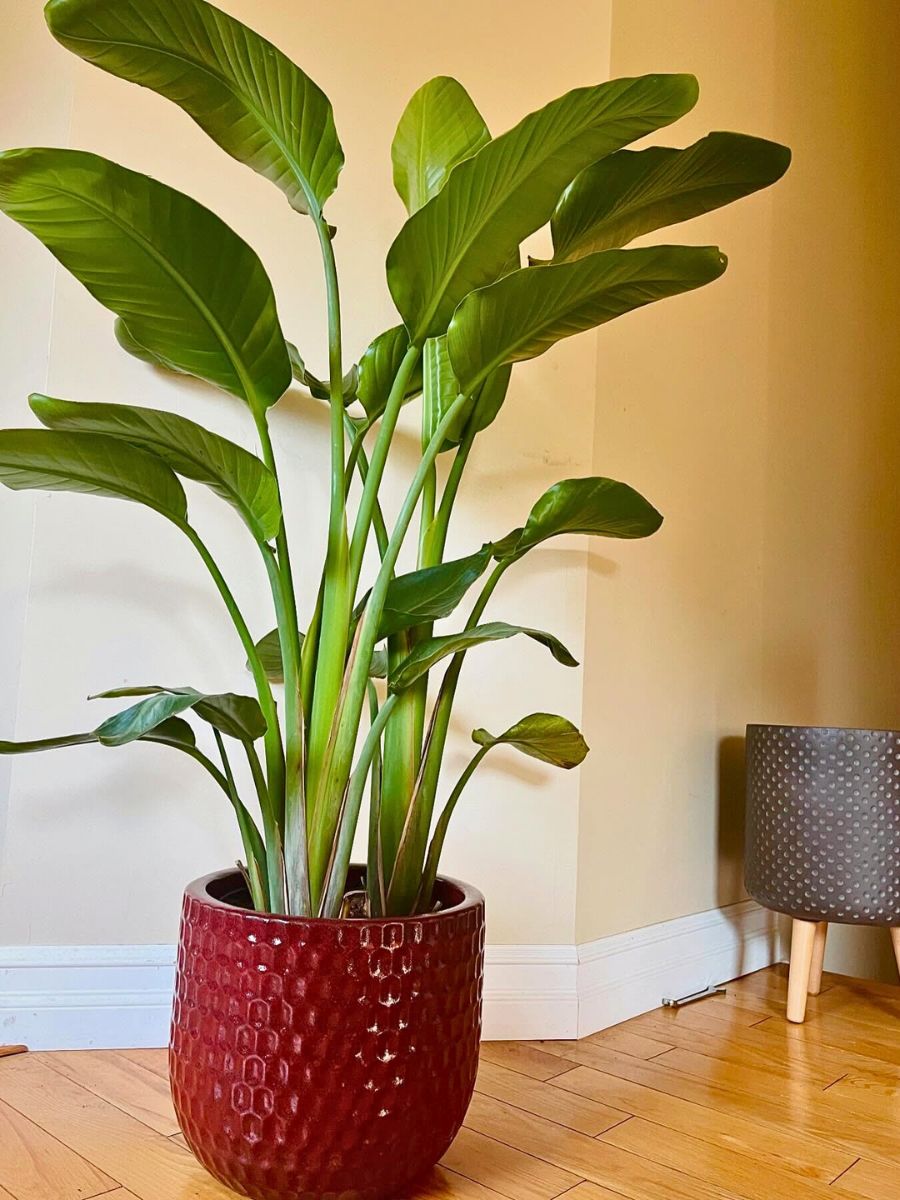
If you want your Bird of Paradise plant to thrive and bloom beautifully, knowing what to feed it is key. You might be wondering which nutrients make this tropical beauty flourish or how often you should nourish it.
Feeding your plant the right way can transform its growth and keep those stunning flowers coming season after season. Keep reading to discover simple, effective tips that will help your Bird of Paradise reach its full potential and brighten up your space like never before.
Nutrient Needs
The Bird of Paradise plant thrives with the right nutrients. These nutrients help it grow strong leaves and bright flowers. Knowing what nutrients your plant needs ensures healthy growth and vibrant colors. Nutrients come in two groups: macronutrients and micronutrients. Each plays a unique role in the plant’s life cycle.
Macronutrients For Growth
Macronutrients are needed in large amounts by the Bird of Paradise. They support basic functions like leaf development and flower production. The main macronutrients include:
- Nitrogen (N):Helps in leaf growth and green color.
- Phosphorus (P):Supports root and flower development.
- Potassium (K):Aids overall plant health and disease resistance.
Balanced amounts of these nutrients promote strong stems and vibrant blooms.
Micronutrients Importance
Micronutrients are needed in smaller amounts but are still vital. They help with enzyme function and chlorophyll production. Some key micronutrients include:
- Iron (Fe)
- Manganese (Mn)
- Zinc (Zn)
- Boron (B)
Even a small shortage can slow growth or cause leaf discoloration.
Role Of Nitrogen
Nitrogen is crucial for the Bird of Paradise. It builds proteins and chlorophyll. Chlorophyll allows the plant to capture sunlight for energy. Nitrogen encourages lush green leaves and new growth. Too much nitrogen causes excessive leaf growth but fewer flowers. Too little nitrogen leads to yellowing leaves and weak stems. Proper nitrogen balance keeps the plant healthy and blooming.
Best Fertilizer Types
Choosing the best fertilizer for your Bird of Paradise plant can make a significant difference in its growth and vibrancy. The right nutrients help support its lush leaves and stunning flowers. Let’s break down the top fertilizer types you can use to keep your plant thriving.
Organic Fertilizers
Organic fertilizers are made from natural materials like compost, bone meal, and seaweed. They slowly release nutrients, improving soil health over time. Using organic options can boost your Bird of Paradise’s root system and overall resilience.
I once switched to fish emulsion for my Bird of Paradise and noticed thicker leaves within weeks. Organic fertilizers also add beneficial microbes to the soil, which synthetic ones often lack. Do you want a natural approach that enriches your garden’s ecosystem?
Synthetic Fertilizers
Synthetic fertilizers provide nutrients in a quick, concentrated form. They are easy to apply and offer a fast nutrient boost when your plant shows signs of deficiency. Look for balanced formulas with nitrogen, phosphorus, and potassium to support leaf and flower growth.
However, frequent use can lead to salt buildup in the soil, which may harm your plant over time. It’s important to follow the recommended doses and flush the soil occasionally. Are you prepared to monitor your plant closely when using synthetic fertilizers?
Slow-release Options
Slow-release fertilizers gradually supply nutrients over several months. They reduce the risk of overfeeding and make maintenance simpler. These are perfect if you want steady growth without frequent feeding sessions.
I found slow-release pellets convenient during busy seasons—they kept my Bird of Paradise healthy without much effort. Just remember to water well after application to activate the nutrient release. Would a low-maintenance feeding schedule work better for your lifestyle?
Feeding Schedule
Understanding the feeding schedule of your Bird of Paradise plant can make a significant difference in its growth and vibrancy. Feeding at the right time and with the right amount gives your plant the nutrients it needs without overwhelming it. Let’s break down the feeding routine into manageable phases to keep your Bird of Paradise thriving year-round.
Growing Season Tips
During the growing season, usually spring through summer, your Bird of Paradise is actively developing leaves and blooms. This is when it benefits most from regular feeding. Use a balanced, water-soluble fertilizer with equal parts nitrogen, phosphorus, and potassium to support healthy growth.
Apply the fertilizer every 2-3 weeks. Always water your plant before feeding to prevent root burn. Have you noticed how your plant perks up after a good feed during this time? That’s the power of proper nutrition in action.
Dormant Period Care
In the fall and winter, your Bird of Paradise enters a dormant phase. Growth slows down, and the plant needs fewer nutrients. Reduce feeding to once every 6-8 weeks or stop altogether if the plant is indoors and not growing much.
This rest period helps your plant conserve energy for the next growth cycle. If you keep feeding heavily during dormancy, you might encourage weak, leggy growth or stress the plant. Have you ever fed your plant too much during winter and seen it struggle? Adjusting feeding during dormancy avoids that problem.
Frequency And Amount
Finding the right balance between frequency and amount is crucial. Overfeeding can cause fertilizer buildup and damage roots, while underfeeding leads to nutrient deficiencies. A good rule is to dilute your fertilizer to half the recommended strength if you feed every 2 weeks.
For example, if the package suggests 1 tablespoon per gallon of water monthly, try 1/2 tablespoon every two weeks instead. This keeps nutrients steady without overwhelming the plant. How often do you check your soil moisture and plant response after feeding? That feedback helps you fine-tune the schedule.
Credit: www.gardeningknowhow.com
Soil And Water Considerations
Proper soil and water conditions play a vital role in feeding your Bird of Paradise plant. Healthy soil provides essential nutrients, while water helps absorb those nutrients effectively. Balancing these factors ensures the plant grows strong and vibrant.
Soil Ph Impact
The ideal soil pH for Bird of Paradise ranges from 5.5 to 7.5. This range allows the plant to absorb nutrients easily. Soil that is too acidic or alkaline can block nutrient uptake. Testing soil pH helps maintain the right balance. You can adjust pH by adding lime to raise it or sulfur to lower it.
Watering Practices
Water the plant deeply but allow the soil to dry slightly between watering sessions. Consistent moisture supports steady nutrient absorption. Avoid letting the soil stay soggy, as this can cause root rot. Use room temperature water to prevent shock. In warmer months, increase watering frequency to meet the plant’s needs.
Avoiding Nutrient Burn
Overfeeding with fertilizers can cause nutrient burn, damaging leaves. Signs include brown tips or yellowing edges. Dilute fertilizers to half strength to reduce risk. Apply fertilizer only during the growing season, usually spring and summer. Flush the soil with water occasionally to wash away excess salts.
Common Feeding Mistakes
Feeding a Bird of Paradise plant seems simple but often involves common mistakes. These errors can harm the plant’s growth and health. Knowing these pitfalls helps keep your plant thriving and vibrant. Careful feeding maintains strong leaves and bright flowers.
Overfertilization Signs
Too much fertilizer causes leaf burn and yellow edges. The soil may become salty and dry out faster. New leaves can appear distorted or stunted. Overfeeding can attract pests and lead to root damage. Watch for these signs to avoid hurting your plant.
Underfeeding Effects
Without enough nutrients, growth slows down noticeably. Leaves turn pale or yellow and may drop early. Flowering can stop or become sparse. The plant becomes weak and more prone to disease. Regular feeding supports healthy development and bright blooms.
Balancing Nutrient Ratios
Bird of Paradise needs a balance of nitrogen, phosphorus, and potassium. Too much nitrogen causes leafy growth but fewer flowers. Excess phosphorus or potassium can harm roots and leaves. Use a balanced fertilizer or one designed for flowering plants. Follow package instructions for best results.

Credit: www.leafenvy.co.uk
Boosting Flower Production
Flower production is the highlight of growing a Bird of Paradise plant. To encourage those iconic, vibrant blooms, your feeding strategy needs to focus on the right nutrients. Targeting specific elements in your plant’s diet can make all the difference between a few flowers and a spectacular display.
Phosphorus Role
Phosphorus is essential for your Bird of Paradise to produce flowers. It helps transfer energy within the plant, which supports bud formation and bloom growth. Without enough phosphorus, your plant might grow leaves but struggle to flower.
Consider using a fertilizer with a higher middle number in the N-P-K ratio, such as 10-30-10. This ensures your plant gets a good supply of phosphorus. Have you noticed fewer blooms after using a balanced fertilizer? That might be why – it’s time to boost phosphorus.
Potassium Benefits
Potassium strengthens the overall health of your Bird of Paradise and enhances flower quality. It helps regulate water and nutrient movement inside the plant, which supports vibrant, long-lasting flowers. A deficiency can lead to weak blooms that drop early.
Look for fertilizers that include potassium, indicated by the last number in the N-P-K ratio. Feeding your plant potassium-rich fertilizer every 6-8 weeks during the growing season can improve bloom size and color. Do you want your flowers to last longer? Potassium is your answer.
Supplemental Feeding
Besides regular fertilizing, supplemental feeding can boost flowering further. Using a liquid fertilizer every 2-4 weeks provides quick nutrient absorption. This is especially useful during active growth periods or if your soil lacks nutrients.
Organic options like compost tea or fish emulsion also work well. They improve soil health and encourage strong flower production without harsh chemicals. Have you tried mixing liquid feeds with your regular schedule? It might be the extra push your Bird of Paradise needs for a stunning bloom show.
Credit: plnts.com
Frequently Asked Questions
What Nutrients Do Bird Of Paradise Plants Need?
Bird of Paradise plants thrive with a balanced fertilizer rich in nitrogen, phosphorus, and potassium. Choose a 10-10-10 or 20-20-20 formula. This ensures vibrant foliage and blooms. Apply the fertilizer every four to six weeks during the growing season. Reduce feeding in winter when growth slows.
Can I Use Organic Fertilizers For Bird Of Paradise?
Yes, organic fertilizers are excellent for Bird of Paradise plants. Compost, fish emulsion, and seaweed extract provide essential nutrients. They improve soil health and encourage robust growth. Organic options are environmentally friendly and reduce the risk of chemical build-up. Apply them according to package instructions for optimal results.
How Often Should I Feed My Bird Of Paradise?
Feed your Bird of Paradise plant every four to six weeks. Do this during the growing season, from spring through summer. During winter, reduce feeding as plant growth slows. Regular feeding ensures healthy foliage and vibrant blooms. Adjust the schedule based on plant needs and growth conditions.
Is Liquid Fertilizer Good For Bird Of Paradise?
Liquid fertilizers are great for Bird of Paradise plants. They provide quick nutrient absorption and are easy to apply. Use a balanced formula diluted to half strength. Apply every two to four weeks during the growing season. Be cautious not to over-fertilize, which can harm the plant.
Conclusion
Feeding your Bird of Paradise plant helps it grow strong and healthy. Use balanced fertilizer with equal nitrogen, phosphorus, and potassium. Water the plant well after feeding to avoid root burn. Feed every two to four weeks during growing seasons.
Avoid overfeeding, as it can harm the plant. Healthy leaves and bright flowers show good care. With simple feeding steps, your plant will thrive beautifully. Keep the routine easy and enjoy your vibrant Bird of Paradise.