

Are you tired of finding water in your bird feeder every time it rains? Wet birdseed can spoil quickly, leaving your feathered friends hungry and frustrated.
Keeping water out of your bird feeder not only protects the food but also attracts more birds to your yard. You’ll discover simple and effective ways to keep your bird feeder dry and inviting. Ready to make your bird feeder a safe, cozy spot for birds no matter the weather?
Let’s dive in!
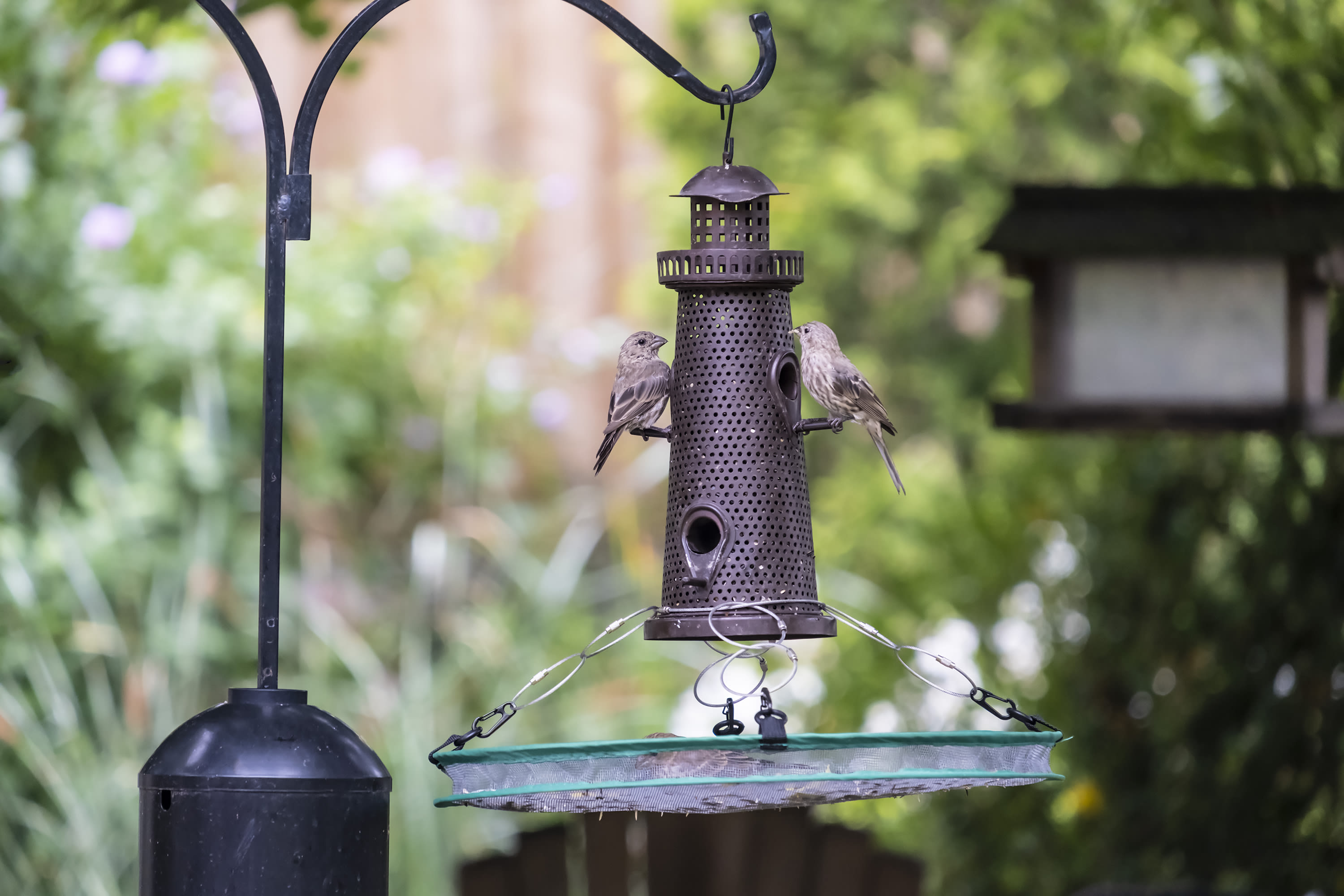
Credit: dengarden.com
Common Causes Of Water In Bird Feeders
Water in bird feeders is a common problem that can spoil the seeds. Wet seeds often mold and become unhealthy for birds. Understanding what causes water to enter feeders helps prevent damage and keeps birds safe. Several natural and design factors lead to water accumulation in feeders.
Rain And Weather Exposure
Rain is the main cause of water in bird feeders. Feeders placed in open areas catch rain easily. Strong winds can blow rain sideways, reaching inside the feeder. Snow and ice can also melt and drip into seed compartments. Keeping feeders under shelter reduces water exposure.
Dew And Condensation
Dew forms early in the morning when air cools down. Moisture collects on surfaces, including bird feeders. Condensation happens inside feeders when warm air meets cooler parts. This moisture slowly builds up and wets the seeds. Ventilation helps lower condensation levels inside feeders.
Leaky Feeder Design
Some feeders have design flaws that let water leak inside. Loose lids, poor seals, and cracks are common weak points. Feeders made of thin plastic or metal may bend and create gaps. Choosing feeders with tight seals and quality materials reduces leaks and water damage.
Choosing The Right Bird Feeder
Choosing the right bird feeder plays a crucial role in keeping water out and protecting the birdseed from getting soggy. A feeder that handles rain well means less waste and healthier birds visiting your garden. Let’s break down what to look for in terms of materials, design, and feeder types that work best in wet conditions.
Materials That Resist Water
Look for feeders made from water-resistant materials like metal, heavy-duty plastic, or glass. These materials don’t absorb water, which helps prevent mold and keeps the seed dry. I once switched from a wooden feeder to a metal one, and the difference was clear—no more soggy seed piles after rain.
Avoid untreated wood or fabric parts, as they soak up moisture quickly. Some feeders come with powder-coated finishes that add extra protection against rust and water damage. This small detail can extend the life of your feeder significantly.
Design Features To Prevent Water Entry
Good design can keep water from reaching the seed. Look for feeders with wide, overhanging roofs that shield the seed ports and trays from rain. A roof that angles sharply will help water run off instead of pooling.
Drainage holes at the bottom are essential—they let any water that does get in escape quickly. Also, sealed seams and tight-fitting lids stop water from sneaking inside. Have you noticed how feeders with open tops or shallow trays quickly fill with rain? Avoid those to keep your seed dry.
Feeder Types Best For Wet Climates
- Hopper feeders:These come with enclosed seed storage and a roof, offering excellent protection from rain.
- Tube feeders with metal caps:When capped properly, these feeders keep moisture out while letting birds access the seed easily.
- Nyjer feeders with fine mesh:Designed to drain well, they prevent water from pooling around tiny seeds.
Choosing feeders that naturally shield seed from water makes your job easier. Have you ever tried a squirrel-proof feeder? Many of those also have water-resistant features that can help in wet weather.
Placement Strategies To Avoid Water
Keeping water out of your bird feeder is essential to ensure the seeds stay dry and fresh. Placement plays a crucial role in preventing water from ruining your feeder’s contents. By choosing the right spot and using simple strategies, you can protect your feeder from rain and moisture effectively.
Sheltered Locations
Placing your bird feeder near natural shelters like trees or shrubs offers great protection. These spots block rain from hitting the feeder directly, keeping the seeds dry longer.
However, make sure the location isn’t too enclosed, or it might discourage birds from visiting. A balance between shelter and accessibility is key to attracting your feathered friends.
Using Overhangs And Covers
Adding an overhang or cover above your feeder works wonders against rain. Even a simple roof or an umbrella-style cover can shield the feeder from water.
I once placed a small wooden roof over my feeder, and the difference was clear—seeds stayed dry, and fewer birds avoided the spot. You don’t need anything fancy; just make sure it extends beyond the feeder edges.
Avoiding Low Or Uneven Surfaces
Setting your feeder on low or uneven ground makes it prone to splashing water and pooling moisture. Water can easily splash up from puddles or run off uneven surfaces into your feeder.
Try to mount your feeder on a sturdy pole or hang it at a height where water can’t reach. Level surfaces also help prevent water from collecting around the feeder base, keeping the area clean and dry.
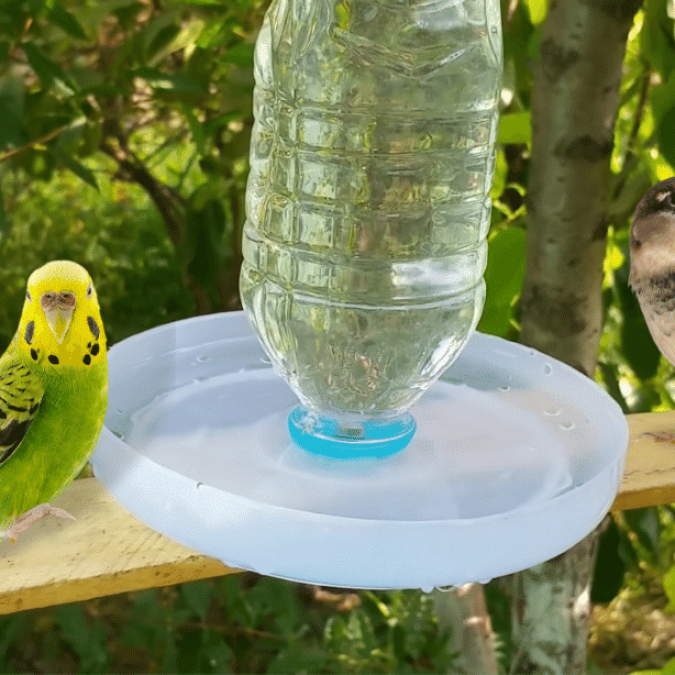
Credit: diyjoy.com
Maintenance Tips For Dry Feeders
Keeping your bird feeder dry is key to attracting happy, healthy birds. Moisture not only ruins the seed but also invites mold and bacteria that can harm your feathered friends. Regular maintenance ensures your feeder stays a safe and welcoming spot all year round.
Regular Cleaning And Drying
Clean your feeder at least once a week. Use warm, soapy water to scrub away old seeds and dirt. Rinse thoroughly and let it dry completely before refilling.
Drying is just as important as cleaning. Leaving your feeder damp encourages mold growth, which can be dangerous for birds. Have you noticed how quickly mold appears on leftover seed? That’s why drying can’t be skipped.
Inspecting For Cracks And Leaks
Take a close look at your feeder for any cracks or holes. Even small leaks let water in, spoiling the seed inside. Run your fingers along edges and joints to feel for moisture or gaps.
Sometimes damage isn’t obvious until you see wet spots under the feeder. Does your feeder drip after rain? Catching leaks early helps you fix problems before they get worse.
Replacing Damaged Parts
If you spot broken perches, cracked seed ports, or warped trays, replace them quickly. Using damaged parts not only lets water in but can also injure birds. Many feeders have replacement parts available, making this an easy fix.
Think about how much easier it is to maintain a feeder that’s in good shape. Have you ever delayed replacing a part only to find the whole feeder spoiled? Don’t wait—small repairs keep your feeder dry and inviting.
Diy Solutions To Keep Feeders Dry
Keeping bird feeders dry is essential to protect birdseed from getting soggy. Wet seed can spoil quickly and attract mold or bacteria. Simple DIY fixes can help keep water out and ensure birds enjoy fresh food. These solutions are easy to do and cost-effective.
Adding Drainage Holes
Drilling small holes at the bottom of the feeder lets water escape. This stops water from pooling inside. Use a drill or a sharp tool to make holes evenly spaced. Make sure the holes are not too big to avoid seed falling out. Drainage holes improve airflow, helping the seed stay dry longer.
Creating Custom Covers
A cover protects the feeder from rain and snow. Use waterproof fabric or plastic to make a simple roof. Attach it above the feeder with string or hooks. The cover should be wide enough to shield the entire feeder. A custom cover blocks water while letting birds access the seed easily.
Using Waterproof Coatings
Applying a waterproof coating adds an extra layer of protection. Use non-toxic, bird-safe sealants or varnish on wooden or metal feeders. Avoid coatings that can harm birds or seed. A waterproof layer helps water slide off the feeder’s surface. This keeps the feeder dry and extends its life.
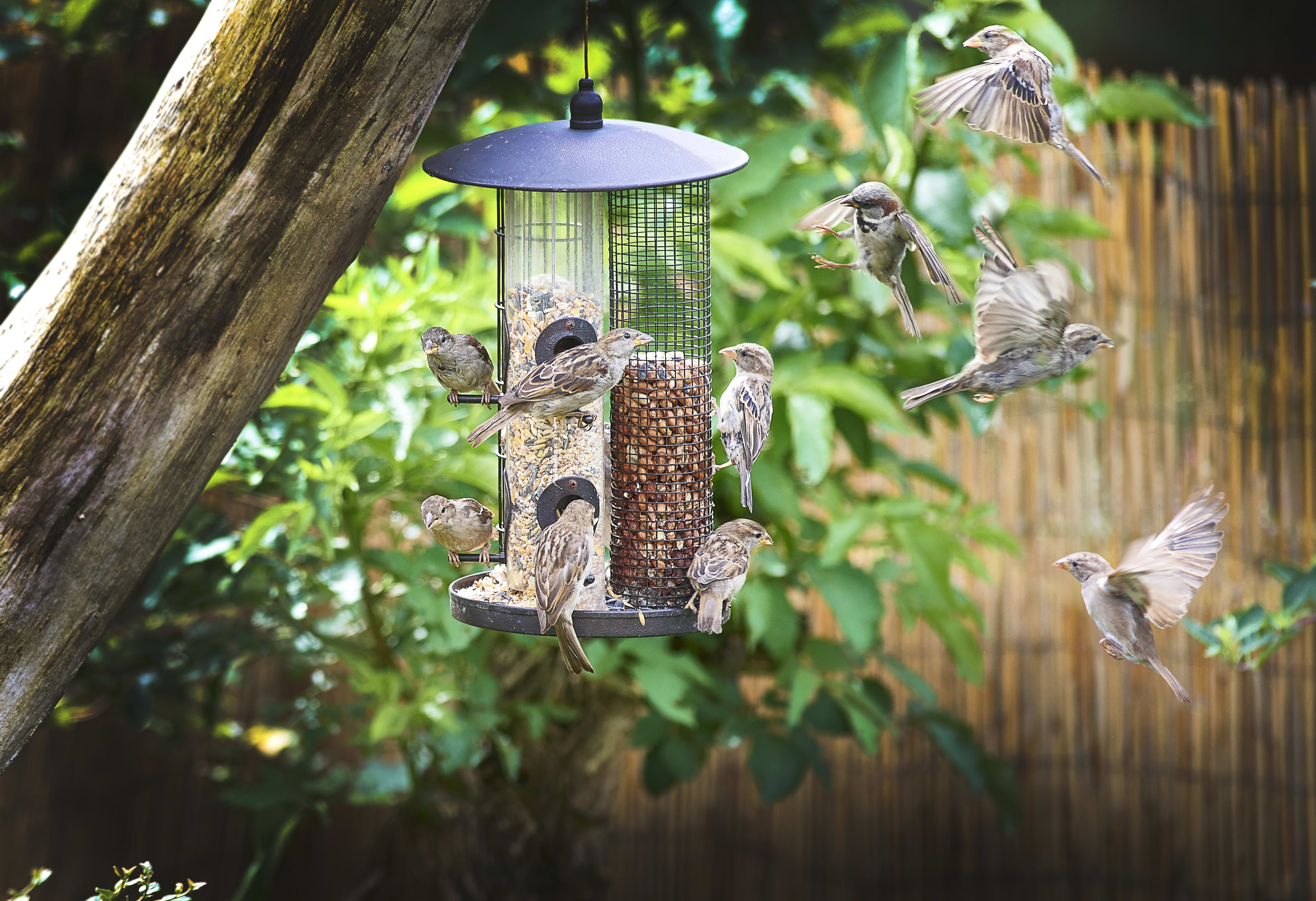
Credit: dengarden.com
Additional Tips For Feeding Birds In Wet Weather
Keeping your bird feeder dry during wet weather can be a challenge. But there are smart ways to protect the seeds and still provide a reliable food source. The following tips will help you maintain a healthy feeding station no matter the weather outside.
Selecting Moisture-resistant Seeds
Choosing the right seeds can make a big difference in wet conditions. Some seeds hold up better against moisture and mold than others. Black oil sunflower seeds are a great choice because their shells protect the inner seed, keeping it dry longer.
Another option is safflower seeds, which resist water damage well and appeal to many bird species. Avoid seeds like millet that tend to clump together when wet, making them less attractive to birds. Have you noticed which seeds your local birds prefer during rainy days?
Refilling Frequency Adjustments
Wet weather means seeds can spoil faster, so you may need to refill your feeder more often. Keeping the seeds fresh encourages more birds to visit and reduces waste. Try checking your feeder daily or every other day during rainy spells.
If you live in a particularly wet area, consider adding smaller amounts of seed more frequently. This approach keeps the seeds dry and tasty. How often do you check your feeder during bad weather?
Attracting Birds Despite Weather Challenges
Wet weather can discourage birds from visiting, but you can still attract them. Providing shelter near your feeder helps birds feel safe and dry. Placing feeders under eaves, tree branches, or adding small windbreaks can make a big difference.
Offering water sources with clean, fresh water is also important since natural water may be scarce in rainy conditions. Have you tried setting up a covered birdbath or shallow dish to keep birds coming back?
Frequently Asked Questions
How Can I Prevent Water From Entering My Bird Feeder?
Use a weather guard or cover to shield the feeder from rain. Position the feeder under eaves or tree branches to minimize exposure to water.
What Materials Repel Water In Bird Feeder Design?
Choose feeders made from waterproof materials like metal or plastic. Avoid wood feeders, as they absorb moisture and degrade faster.
Why Does Water In The Bird Feeder Attract Pests?
Standing water promotes mold growth and attracts insects. Regularly clean and empty the feeder to prevent these issues.
How Often Should I Clean A Wet Bird Feeder?
Clean the feeder at least once a week, or more if wet. Use mild soap and warm water to remove mold and bacteria.
Conclusion
Keeping water out of your bird feeder helps birds stay healthy and happy. Use covers or place feeders under shelter to stop rain from reaching seeds. Regular cleaning prevents mold and keeps food fresh. Simple steps like these protect your feeder and feed birds well.
Enjoy watching birds visit your dry, clean feeder every day. Small efforts make a big difference for your feathered friends.