
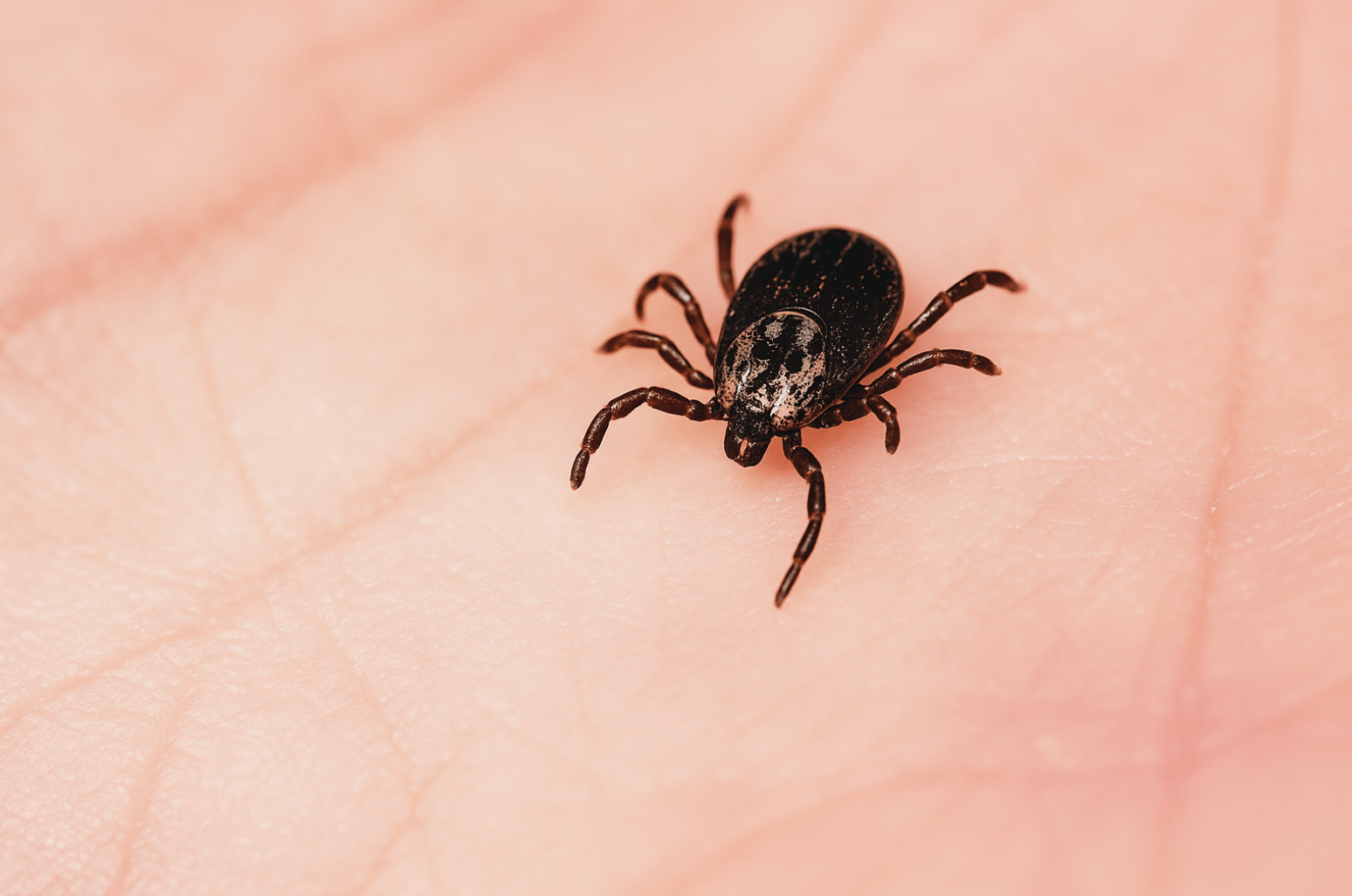
Have you ever wondered what actually feeds on rodent and bird mites? These tiny creatures can cause big problems, but understanding what preys on them could be the key to controlling their numbers naturally.
If you’re struggling with mites invading your space, knowing their natural enemies might give you an unexpected advantage. Keep reading to discover which insects and mites feed on these pests—and how this knowledge can help protect your home and health.
Rodent And Bird Mites Basics
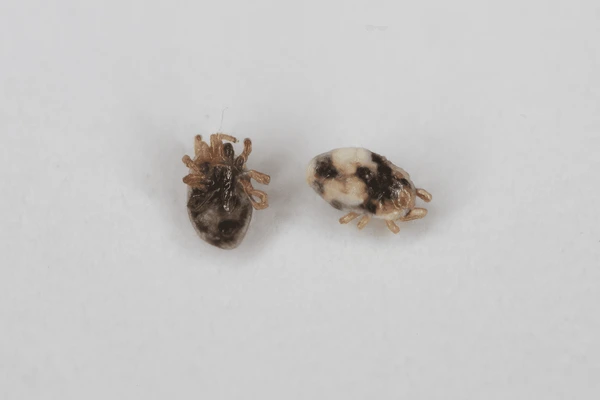
Rodent and bird mites are tiny pests that often go unnoticed until they start causing discomfort. Understanding their basics can help you identify and manage them effectively. These mites feed on rodents and birds but can also bite humans, making it important to know what you’re dealing with.
Types Of Rodent Mites
Rodent mites primarily target rats and mice. The most common types include:
- Ornithonyssus bacoti– Known as the tropical rat mite, it feeds mainly on rats but may bite humans.
- Laelaps echidninus– A fur mite found on rodents, it rarely bites humans but can cause irritation.
- Radfordia ensifera– A hair mite that lives on the fur of rodents, feeding on skin debris.
Have you noticed unexplained itching after being near rodent-infested areas? These mites could be the cause.
Common Bird Mites
Bird mites usually come from nests and feed on birds, especially pigeons and sparrows. The primary species include:
- Dermanyssus gallinae– The red poultry mite, notorious for biting both birds and humans.
- Ornithonyssus sylviarum– Known as the northern fowl mite, it is a common pest in poultry farms.
Bird mites can invade homes when birds abandon their nests. Have you ever found tiny bugs after removing a bird’s nest from your eaves?
Lifecycle And Habits
Both rodent and bird mites have a lifecycle that includes egg, larva, nymph, and adult stages. They thrive in warm, humid environments close to their hosts.
These mites can survive for weeks without a host by feeding on skin flakes and debris. This resilience makes them tough to eliminate once established in your home.
Understanding their habits can help you decide when and where to apply treatments. Would you check bird nests or rodent burrows first to control an infestation?

Credit: www.bedbugbarrier.com.au
Natural Predators Of Mites
Mites face natural threats from many small creatures that help control their numbers. These predators play a key role in keeping mite populations in balance. Understanding these natural enemies helps in managing mites without harsh chemicals.
Predators of rodent and bird mites include various insects, arachnids, and other tiny animals. Each group has unique ways of hunting and eating mites. Their presence benefits both wildlife and humans by reducing mite infestations naturally.
Insects That Consume Mites
- Ladybugs: Feed on soft-bodied mites and other pests.
- Thrips: Small insects that prey on mite eggs and larvae.
- Lacewing larvae: Known as “aphid lions,” they also eat mites.
- Minute pirate bugs: Tiny predators that hunt mites actively.
Arachnids Feeding On Mites
- Predatory mites: Larger mite species that consume smaller mites.
- Spiders: Many spider species catch and eat mites in webs.
- Scorpions: Some small scorpions feed on mites and other insects.
Other Small Creatures As Predators
- Springtails: Tiny soil creatures that consume mite eggs.
- Ants: Some ant species hunt and eat mites for protein.
- Centipedes: Fast hunters that feed on various small arthropods.
Insects Feeding On Rodent Mites
Rodent mites are tiny pests that often affect rodents and sometimes birds. Certain insects naturally feed on these mites, helping control their populations. These insects act as natural predators, keeping mite numbers in check in various environments. Understanding which insects target rodent mites reveals nature’s balance in pest control.
Ant Species Targeting Mites
Several ant species hunt and consume rodent mites. Ants are skilled hunters and use their strong mandibles to catch mites. They help reduce mite infestations around nests and homes. Common ants like the pharaoh ant and fire ant often feed on small arthropods including mites.
Ants patrol actively, searching for tiny prey. They play a crucial role in natural mite control in outdoor and indoor settings.
Beetles That Prey On Mites
Some beetle species are natural predators of rodent mites. Ground beetles and rove beetles often consume mites as part of their diet. These beetles live in soil and leaf litter, where mites are abundant.
Beetles use their strong jaws to crush and eat mites. They help reduce mite populations in gardens and natural areas. These beetles contribute to pest control without harming plants or other animals.
Parasitic Wasps Role
Parasitic wasps target rodent mites by laying eggs inside or on them. The wasp larvae feed on the mites, eventually killing them. This parasitism controls mite numbers effectively.
These wasps are tiny and specific to certain mite species. They act as biological control agents, offering a natural way to manage mite infestations.
Insects Feeding On Bird Mites
Bird mites are tiny pests that feed on birds and sometimes bite humans. Various insects and other small creatures prey on these mites. These natural enemies help control bird mite populations in the environment.
Predatory Bugs
Several predatory bugs hunt bird mites for food. These bugs are small but very effective. They use their sharp mouthparts to pierce and consume mites. Examples include certain species of assassin bugs and minute pirate bugs. These predators reduce mite numbers naturally, keeping their populations in check.
Spiders That Hunt Bird Mites
Spiders catch bird mites using their webs or quick movements. Some spiders specialize in hunting tiny insects and mites. They trap bird mites in sticky webs or grab them with strong legs. Spiders play a key role in controlling mite outbreaks around bird nests.
Other Invertebrate Consumers
Other invertebrates also feed on bird mites. These include tiny beetles, ants, and springtails. They consume bird mites during their search for food in bird habitats. These small creatures form a natural defense against mite infestations.
Environmental Factors Affecting Mite Predators
Environmental factors play a crucial role in shaping the population and effectiveness of predators that feed on rodent and bird mites. These tiny hunters rely heavily on their surroundings to thrive and control mite numbers naturally. Understanding how habitat, climate, and human activities influence these predators can help you manage mite problems more effectively.
Habitat Influence On Predator Presence
The type of habitat directly affects which predators can survive and hunt rodent and bird mites. Predators like certain beetles, spiders, and ants prefer environments with plenty of hiding spots and food sources.
If your property has dense vegetation, woodpiles, or clutter, it may attract these beneficial predators. On the other hand, sterile or overly cleaned areas might lack the resources predators need to live.
Have you noticed fewer spiders or predatory insects in your garden after tidying up? This could reduce natural mite control and allow mite populations to explode.
Climate Impact On Predator Efficiency
Temperature and humidity greatly affect predator activity and survival rates. Many predators become sluggish or inactive during extreme cold or heat, reducing their ability to control mite numbers.
High humidity often favors mites but can also benefit some predators like predatory mites and certain beetles. However, sudden weather changes may disrupt these delicate balances.
Think about how a hot summer or a wet season has influenced pest outbreaks in your area. Could adjusting microclimates around your property help support predator populations?
Human Activity And Predator Populations
Human actions, such as pesticide use and landscaping choices, significantly impact predator communities. Overuse of chemicals can kill beneficial insects along with pests, weakening natural mite control.
Creating habitats that support predators, like planting native flowers or leaving small debris piles, encourages their presence. Even simple steps, like reducing pesticide sprays, can make a big difference.
What changes can you make today to foster a safer environment for these natural mite hunters in your home or garden?
Controlling Mite Populations Naturally
Controlling mite populations naturally offers a safer, eco-friendly alternative to chemical pesticides. You can balance your environment by using nature’s own pest controllers and organic methods that reduce mite numbers without harmful side effects. Understanding these options empowers you to manage rodents and bird mites effectively while protecting your home and garden.
Encouraging Beneficial Predators
Introducing or attracting natural predators can significantly reduce mite populations. Ladybugs, lacewings, and predatory mites feed on harmful mites, keeping their numbers in check. You might notice fewer pests simply by planting flowers that attract these helpful insects, like marigolds or dill.
Consider creating habitats that support these predators. A small water source or undisturbed leaf litter can make your garden more inviting. Have you ever seen how quickly a ladybug colony can clear an infestation? It’s a powerful reminder that nature often knows best.
Organic Pest Management Techniques
Using organic sprays such as neem oil or insecticidal soaps can reduce mite populations without harming beneficial insects. These treatments disrupt mite life cycles and are safer for your family and pets. Regularly cleaning nesting areas and removing debris also limits mite breeding grounds.
Try incorporating diatomaceous earth around problem zones. This natural powder damages mites’ exoskeletons, leading to dehydration. It’s a simple, non-toxic option that many gardeners swear by.
Limitations Of Natural Control
While natural methods are appealing, they may not work as quickly or completely as chemical treatments. Environmental factors like temperature and humidity can affect predator activity and the effectiveness of organic sprays. It’s important to monitor your mite populations closely and be patient with natural solutions.
Sometimes, combining natural and conventional methods might be necessary to fully address severe infestations. Ask yourself: Is maintaining a chemical-free environment worth the extra effort and time? Understanding these trade-offs helps you choose the right approach for your situation.
Chemical Vs Natural Predation
When dealing with rodents and bird mites, choosing between chemical treatments and natural predation can be challenging. Each approach offers unique benefits and drawbacks, influencing how effectively these pests are controlled. Understanding the balance between these methods helps you decide what works best for your situation.
Effectiveness Comparison
Chemical treatments often provide quick results. They can rapidly reduce mite populations, giving immediate relief. However, chemicals may not reach hidden nests or eggs, allowing mites to bounce back.
Natural predators, such as certain beetles and predatory mites, target rodent and bird mites over time. This method is slower but promotes long-term control by disrupting the pest’s life cycle. Have you noticed how some garden pests vanish once natural predators move in?
Risks Of Chemical Control
Chemicals can pose health risks to you, your pets, and beneficial insects. Overuse may lead to resistance, making mites harder to kill in the future. Environmental contamination is another concern, especially in homes near water sources.
It’s important to read labels carefully and avoid frequent, heavy use of pesticides. Do you really want to risk your family’s health just to get rid of mites quickly?
Integrating Methods For Best Results
Combining chemical and natural approaches often yields the best outcome. Start with targeted chemical treatments to reduce large infestations, then introduce or encourage natural predators to maintain control. This reduces chemical use and supports a healthier environment.
Regular cleaning and habitat modification also help, cutting off mite food sources and breeding grounds. Could a balanced approach reduce your reliance on harsh chemicals while keeping mites in check?

Credit: slspestcontrolpeterborough.co.uk
Credit: slspestcontrolpeterborough.co.uk
Frequently Asked Questions
What Insects Feed On Rodent Mites?
Certain predatory insects, like certain beetles, consume rodent mites. These beetles help control mite populations naturally. They are part of a balanced ecosystem. Understanding these predators can aid in effective pest management strategies. Keeping these beneficial insects in your environment can reduce mite infestations.
Do Bird Mites Have Natural Predators?
Yes, bird mites have natural predators, including certain predatory mites and insects. These natural predators help manage bird mite populations. Promoting these beneficial insects can help maintain a balanced ecosystem. This approach can minimize the need for chemical interventions.
How Do Beetles Control Mite Populations?
Beetles consume mites as part of their diet. They are effective natural pest controllers. By preying on mites, beetles help maintain ecological balance. Encouraging beetle presence can be a sustainable way to manage mite infestations.
Are There Insects That Eat Both Rodent And Bird Mites?
Yes, some predatory insects can target both rodent and bird mites. These insects include certain beetle species. They play a crucial role in controlling mite populations. Having these insects in your environment can help reduce mite-related problems.
Conclusion
Rodent and bird mites serve as food for many small insects and mites. These tiny creatures help control mite populations naturally. Understanding what eats rodent and bird mites can help manage infestations safely. Nature keeps a balance through these predator-prey relationships.
Knowing this can guide safer pest control choices at home. Keep observing and learning about your environment. It helps protect your space from unwanted mites without harsh chemicals. A simple approach often works best in keeping pests away.