
If you’ve been feeding birds in your yard, you might wonder how to stop without harming them or causing confusion. Suddenly stopping can leave birds hungry and stressed, but gradually reducing their food helps them adjust smoothly.
In this post, you’ll discover simple, step-by-step ways to ease birds off your feeding routine. Keep reading to learn how to protect your feathered friends while gently encouraging them to find natural food sources on their own.

Credit: www.natureswaybirds.com
Reasons To Stop Feeding Birds
Stopping bird feeding is important for many reasons. It helps protect bird health, the environment, and birds’ independence. Understanding these reasons can guide you to feed birds less over time. This section explains the main reasons to stop feeding birds.
Impact On Bird Health
Feeding birds too much can harm their health. Birds may eat unhealthy foods or get used to human food. This can cause malnutrition or illness. Natural diets help birds stay strong and healthy. Feeding can also spread diseases among birds gathering at feeders.
Environmental Concerns
Bird feeding can disrupt the local environment. Leftover food attracts pests like rats and insects. This can harm plants and other wildlife. Feeding birds in one spot may change their natural habits. It can also cause overcrowding and damage to trees or bushes.
Dependency Issues
Birds may become dependent on humans for food. This weakens their ability to find food naturally. Birds might lose survival skills needed in the wild. Feeding can stop birds from migrating or searching for food. Gradually stopping feeding helps birds regain independence.
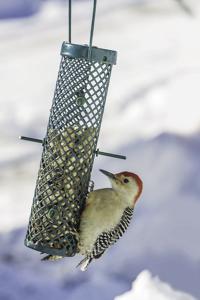
Credit: www.samessenger.com
Signs To Reduce Feeding
Knowing when to reduce feeding birds is just as important as knowing how to start. Watching for specific signs can help you decide the right time to cut back. These signals protect both the birds and the local environment from unintended harm.
Changes In Bird Behavior
You might notice birds becoming overly dependent on your feeding spot. Instead of foraging naturally, they wait around for handouts. This change can make them less healthy and less capable of surviving on their own.
Have you seen birds acting more aggressive or territorial near feeders? This is a red flag that food supplies are causing stress. Reducing feeding encourages birds to spread out and find food naturally.
Overcrowding Problems
If your feeding area looks packed with birds all the time, overcrowding could be an issue. Too many birds in one spot increase competition and spread diseases quickly.
Overcrowding also attracts predators like cats or hawks, putting birds at risk. When you spot these signs, it’s time to cut back on feeding and let the population balance out.
Local Wildlife Impact
Feeding birds doesn’t only affect them—it can disrupt other local wildlife too. Animals like squirrels and rats may swarm feeders, creating new problems for your garden or neighborhood.
Have you noticed more pests or fewer visits from wild pollinators? Excess food can change the whole ecosystem. Reducing feeding helps restore natural balance and protects all the creatures sharing your space.
Methods To Cut Back Feeding
Cutting back on feeding birds can be challenging, especially if you’ve enjoyed watching them flock to your yard. The key is to ease into it slowly, so the birds adjust naturally without feeling abandoned. Here are some practical ways to reduce feeding while still supporting their needs.
Gradual Portion Reduction
Start by slightly reducing the amount of food you offer each day. If you usually fill the feeder completely, try filling it only three-quarters full for a few days. This slow change helps birds adapt without sudden hunger.
Try monitoring the leftover food each day. If you notice it’s disappearing quickly, hold the same portion a bit longer before reducing it further. This approach prevents stressing the birds and keeps your feeding routine balanced.
Switching To Natural Foods
Encourage birds to find more natural food sources by decreasing processed or commercial birdseed. Scatter seeds or nuts in areas with natural cover, like bushes or trees, to simulate their natural feeding habits.
You might notice birds start exploring your garden more, looking for insects or berries. This shift supports their health and fosters independence, reducing their reliance on your feeding.
Limiting Feeding Times
Instead of leaving food out all day, set specific feeding times. For example, offer food only in the morning and late afternoon. Birds quickly learn these schedules and adjust their visits accordingly.
Limiting feeding times helps control how much birds eat and encourages them to forage at other times. It’s a simple way to balance care with promoting natural behaviors. Have you tried timing your feeding sessions to see how the birds respond?
Alternative Bird Support
Supporting birds without relying on feeding requires creating a welcoming environment that meets their natural needs. Alternative bird support helps you encourage wildlife to thrive on their own, reducing dependence on human-provided food. This not only benefits the birds but also helps you enjoy watching more natural behaviors.
Planting Native Vegetation
Native plants offer birds natural food sources like seeds, berries, and insects. They also provide shelter and nesting spots that non-native plants often lack. Have you ever noticed how certain birds only visit gardens with local plants? Adding native shrubs, trees, and flowers creates a steady supply of resources that birds can count on year-round.
Creating Bird Habitats
You can make your yard more bird-friendly by setting up spaces that mimic natural habitats. Think about adding brush piles, nesting boxes, or leaving dead trees standing if safe. These provide safe resting places and breeding spots that attract different species. What kinds of habitats are common in your area, and how can you replicate them?
Providing Water Sources
Birds need fresh water for drinking and bathing, especially during dry periods. A small birdbath, shallow dishes, or a gently flowing fountain can make a big difference. Keep the water clean and change it regularly to avoid attracting pests. Have you tried placing water near cover to help birds feel safer while they drink?
Handling Bird Aggression
Handling bird aggression is a key challenge when you decide to gradually stop feeding them. Birds that are used to regular handouts can become territorial or even aggressive if their food source suddenly disappears. Understanding their behavior and managing your approach carefully can help reduce conflict and keep both you and the birds safe.
Avoiding Sudden Changes
Cutting off food abruptly often triggers aggressive behavior. Birds might perceive this as a threat and act defensively. Instead, reduce the amount of food slowly over several weeks to give them time to adjust.
You can start by mixing less attractive seeds with their favorites or feeding at irregular times. This gradual shift lowers their expectations and lessens their territorial instincts. Have you noticed how even small changes in routine affect animal behavior around you?
Using Deterrents Safely
Sometimes, you need to use deterrents to discourage aggressive birds. Choose humane options like reflective objects or gentle noise makers rather than harmful methods. These tools can create an uncomfortable environment without causing injury.
Place deterrents around feeding spots but avoid areas where birds nest or rest. Monitor their reactions and adjust accordingly. Remember, your goal is to change behavior, not harm wildlife.
Consulting Wildlife Experts
If bird aggression escalates or becomes difficult to manage, don’t hesitate to seek professional advice. Wildlife experts can offer tailored solutions based on the species and environment. They might suggest alternative feeding practices or habitat modifications.
Experts also help ensure that your actions comply with local wildlife regulations. Have you considered how expert guidance might prevent unintended consequences while protecting both you and the birds?

Credit: feedsnneeds.ca
Monitoring Progress
Monitoring progress is essential when you gradually stop feeding birds. It helps you understand how birds react and adjust your approach. Careful observation makes the process smooth and effective. Tracking changes in bird behavior lets you know if you are on the right path.
Tracking Bird Activity
Watch the number of birds visiting your feeding spot daily. Note the time they spend eating and how often they come around. Use a simple notebook or app to record this data. Look for signs of birds searching for food elsewhere. This shows they are adapting to the change.
Adjusting Strategies
Change your feeding schedule based on bird activity records. Slowly reduce food amounts or increase the time between feedings. Try feeding at different times to see if birds adjust better. Be patient; some birds may take longer to adapt. Make small changes to avoid stressing the birds.
Celebrating Success
Recognize when birds visit less often or find natural food sources. Appreciate the balance you helped create for the birds and environment. Share your progress with friends or birdwatching groups. Celebrate your role in helping birds become more independent. Each step forward is a positive achievement.
Frequently Asked Questions
Why Should I Stop Feeding Birds?
Gradually stopping bird feeding helps them rely on natural food sources. It promotes healthier foraging habits. This reduces dependency on human-provided food and encourages birds to maintain their natural behaviors. Additionally, it helps balance local ecosystems and supports biodiversity by allowing birds to adapt to natural seasonal changes.
When Is The Best Time To Stop Feeding Birds?
The best time to stop feeding birds is in late spring. During this period, natural food sources become abundant. Birds can find insects, seeds, and fruits easily. This timing helps birds transition smoothly and supports their natural dietary habits. Ensuring a gradual change is crucial for their adaptation.
How Can I Gradually Stop Feeding Birds?
To gradually stop feeding birds, reduce food amounts slowly. Decrease feeding frequency over several weeks. This allows birds to adjust to finding natural food sources. Gradual reduction minimizes stress and encourages birds to explore their environment. They will adapt to their natural foraging behaviors over time.
Will Stopping Feeding Harm Birds?
Stopping feeding gradually won’t harm birds. They will adapt to natural food sources. Birds are resilient and can find alternative food in nature. A gradual approach ensures a smooth transition. It encourages their natural behaviors and supports their independence. Proper timing ensures they have ample resources available.
Conclusion
Stopping bird feeding slowly helps birds adjust well. Gradual change avoids sudden food loss for birds. Watch birds’ behavior to see how they cope. Offer less food each day to ease transition. This method keeps birds healthy and less dependent.
Remember, patience is key during this process. Birds will find natural food sources again soon. Enjoy watching them thrive in their natural way. Small steps create big changes over time. Keep caring for nature by feeding less carefully.