
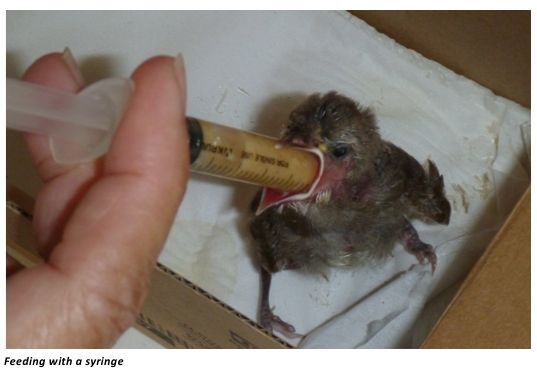
Have you ever found a tiny baby bird on the ground and wondered if feeding it is the right thing to do? You might think helping these little creatures is kind and harmless.
But what if feeding baby birds is actually illegal in some places? Before you reach out with food, it’s important to know the rules and the reasons behind them. Keep reading to discover the truth about feeding baby birds and how you can truly make a difference without breaking the law.
Legal Status Of Feeding Baby Birds
Understanding the legal status of feeding baby birds is crucial before you decide to step in. Laws vary widely, and what may seem like a kind act could unintentionally break important wildlife protection rules. Knowing these regulations helps you protect both the birds and yourself from legal trouble.
Federal Wildlife Protection Laws
At the federal level, laws like the Migratory Bird Treaty Act (MBTA) protect many bird species. This act prohibits disturbing, harming, or possessing migratory birds, including their nests and young, without proper authorization.
Feeding baby birds without a permit can sometimes be seen as interfering with their natural behavior, which the MBTA aims to prevent. Have you ever thought that simply feeding a nestling might actually cause more harm than good?
State And Local Regulations
State and local rules add another layer of complexity. Some states have stricter regulations protecting native bird species, while others may be more lenient.
For example, California has specific laws against handling or feeding certain protected birds without a license. Local wildlife agencies often provide guidelines or hotlines to help you understand what is allowed in your area.
Checking with your state’s wildlife department before feeding baby birds can save you from fines or other penalties.
Permits And Exceptions
In some cases, permits allow individuals or organizations to feed or rehabilitate baby birds legally. These are usually granted to licensed wildlife rehabilitators or researchers.
Permits come with strict requirements to ensure the birds’ welfare and prevent harm to the ecosystem. You might wonder if you qualify for such permits or if your intentions are enough to get approval.
Without proper training and permits, it’s best to contact professionals rather than attempt feeding baby birds yourself.
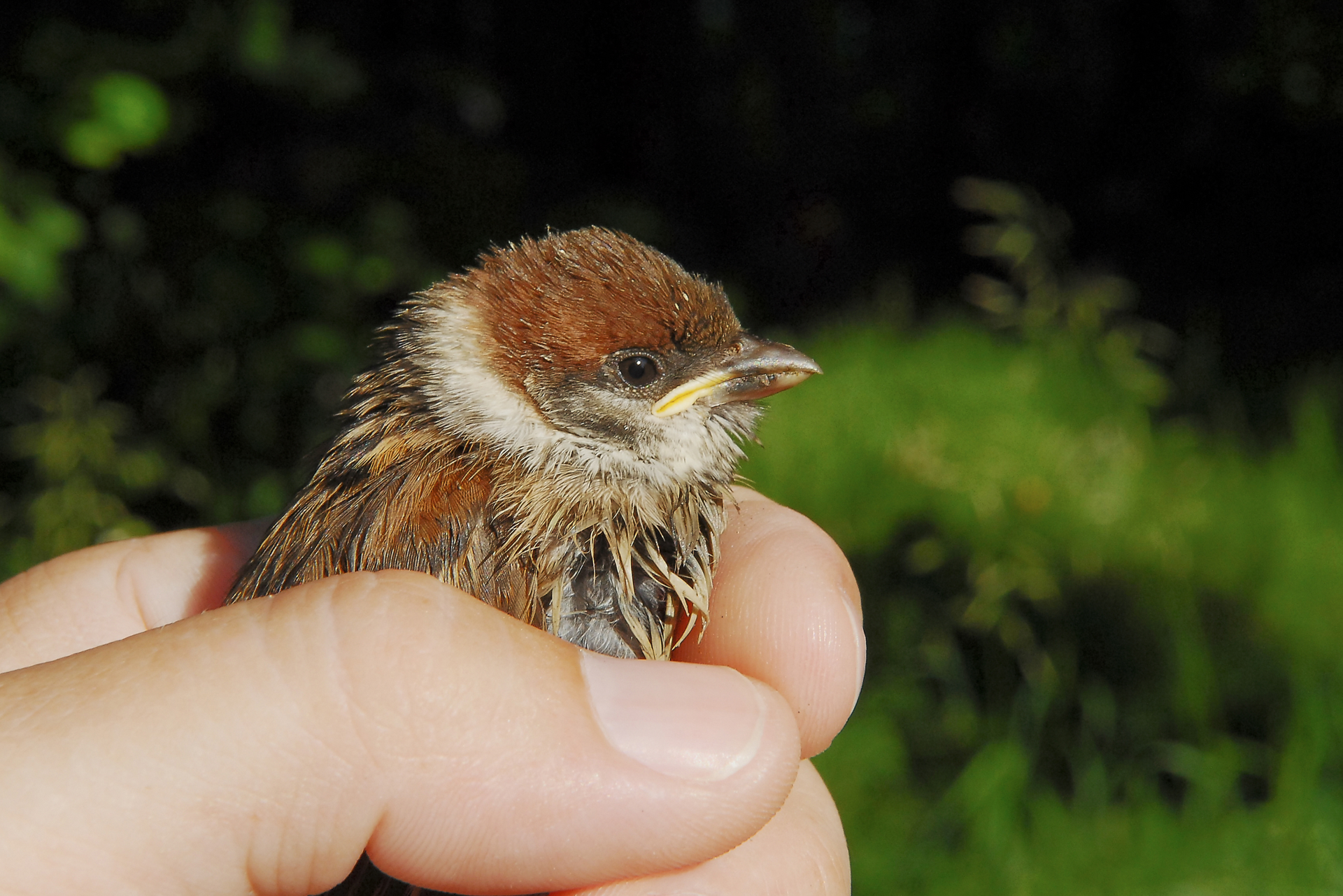
Credit: pethelpful.com
Reasons Behind Feeding Restrictions
Feeding baby birds might seem kind and helpful. Yet, laws often restrict this action. These rules exist to protect birds and their environment. Understanding the reasons behind feeding restrictions helps explain why it is important to follow them.
Impact On Bird Health
Baby birds need specific nutrition to grow strong. Human food or wrong feeding can harm their health. It can cause malnutrition or digestive problems. Feeding can also delay their learning to find food naturally.
Disruption Of Natural Behavior
Feeding baby birds changes their natural habits. They might rely too much on humans for food. This weakens their survival skills. Birds may lose fear of people, which can be dangerous for them.
Disease Transmission Risks
Direct feeding increases the chance of spreading diseases. Birds can catch infections from human hands or contaminated food. Crowding at feeding spots spreads germs quickly. This threatens entire bird populations.
When Feeding Baby Birds Is Allowed
Feeding baby birds is not always illegal. There are specific times and ways it is allowed. Knowing these rules helps protect the birds and yourself.
Some baby birds need help to survive. They may be injured, cold, or abandoned. Feeding them without proper knowledge can do more harm than good.
Rescue And Rehabilitation Guidelines
Feeding baby birds is allowed under rescue and rehabilitation rules. The goal is to help the bird grow strong and healthy. Follow these key points:
- Only feed birds that clearly need help.
- Use the right food for the bird species.
- Feed in small amounts and often.
- Keep the bird warm and safe during feeding.
- Avoid giving human food or milk.
These guidelines ensure the bird’s health and proper development.
Working With Licensed Wildlife Rehabilitators
Always seek help from licensed wildlife rehabilitators. They have the training and permits to care for wild birds. Contact them if you find a baby bird in trouble.
- They know how to feed and care for different bird species.
- They provide a safe environment for healing and growth.
- They follow legal rules for handling wildlife.
- They prepare birds to return to the wild.
Working with professionals protects both the baby birds and you. It is the safest and legal way to help.
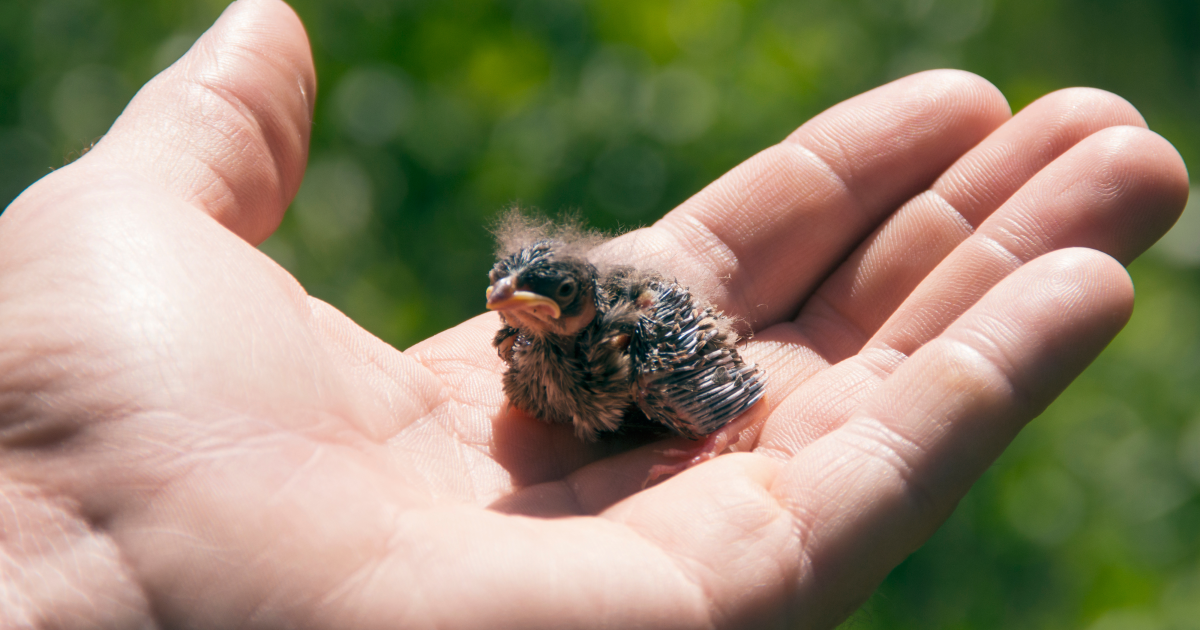
Credit: pethelpful.com
Safe Alternatives To Feeding Wild Birds
Feeding baby birds in the wild can cause harm and disrupt their natural growth. Instead, there are safe ways to support wild birds without direct feeding. These alternatives help birds thrive while keeping their natural habits intact. Understanding these options benefits both you and the birds.
Providing Suitable Habitats
Creating safe spaces helps wild birds find food and shelter naturally. Plant native trees and shrubs that produce berries and seeds. Leave leaf piles and brush to offer hiding places and nesting spots. Avoid using pesticides to keep the environment healthy for insects birds eat. Installing birdhouses can also provide safe nesting sites.
Offering Proper Nutrition In Care Settings
Only trained wildlife rehabilitators should feed baby birds directly. They use special diets suited for each bird species. This ensures the babies get all the nutrients needed to grow strong. If you find an injured or orphaned bird, contact a licensed rehabilitator. Never attempt to feed baby birds on your own, as improper feeding can cause harm.
Consequences Of Illegal Feeding
Feeding baby birds might seem like a kind gesture, but it can come with serious consequences. Illegal feeding disrupts natural behaviors and can put both you and the birds at risk. Understanding these consequences helps you make better choices for wildlife and yourself.
Fines And Penalties
Many regions have laws protecting wild birds, especially during their vulnerable baby stage. If you feed baby birds illegally, you could face fines or even legal action. These penalties vary by location but often include significant monetary fines.
For example, some states impose fines up to several hundred dollars for feeding protected species. In more serious cases, repeat offenders might face harsher penalties like community service or restrictions on wildlife interaction. Are you willing to risk these consequences just to feed a hungry bird?
Impact On Wildlife Populations
Feeding baby birds can interfere with their natural development and survival skills. When humans provide food, baby birds may become dependent and fail to learn how to find food on their own. This dependency can reduce their chances of surviving in the wild.
Illegal feeding can also attract predators or spread diseases among bird populations. When you feed birds in the wrong way or place, it disrupts the local ecosystem balance. How would you feel if your well-intended actions harmed the very creatures you wanted to help?

Credit: www.forthebirdsofacadiana.com
Frequently Asked Questions
Is Feeding Baby Birds Illegal In All States?
Feeding baby birds is not illegal in all states. However, laws vary by location. Some areas protect native bird species. It’s essential to check local wildlife regulations. Contact local wildlife agencies for guidance. They can provide specific legal information for your area.
Why Shouldn’t You Feed Baby Birds?
Feeding baby birds can be harmful. Incorrect diet may cause health problems. Human interference can disrupt their natural development. Parents are better suited to feed them. Seek help from wildlife rehabilitators if a bird appears injured.
What Should You Do If You Find A Baby Bird?
If you find a baby bird, observe it first. It might not need help. If injured, contact a wildlife rehabilitator. They have the expertise to care for it. Avoid feeding or handling the bird unnecessarily.
Can Feeding Harm Baby Birds’ Development?
Yes, feeding can harm baby birds’ development. Human food lacks essential nutrients. It can lead to malnutrition. Parents provide a balanced diet for growth. Disturbing them may cause stress. It’s best to let nature take its course.
Conclusion
Feeding baby birds is not always legal or safe. Many laws protect wild birds and their nests. Feeding can harm birds or stop them from learning to find food. It is best to watch and enjoy birds from a distance.
Help by keeping their natural homes safe and clean. Always check local rules before feeding wildlife. Caring for baby birds means respecting nature and the law. This keeps birds healthy and wild for everyone to enjoy.