
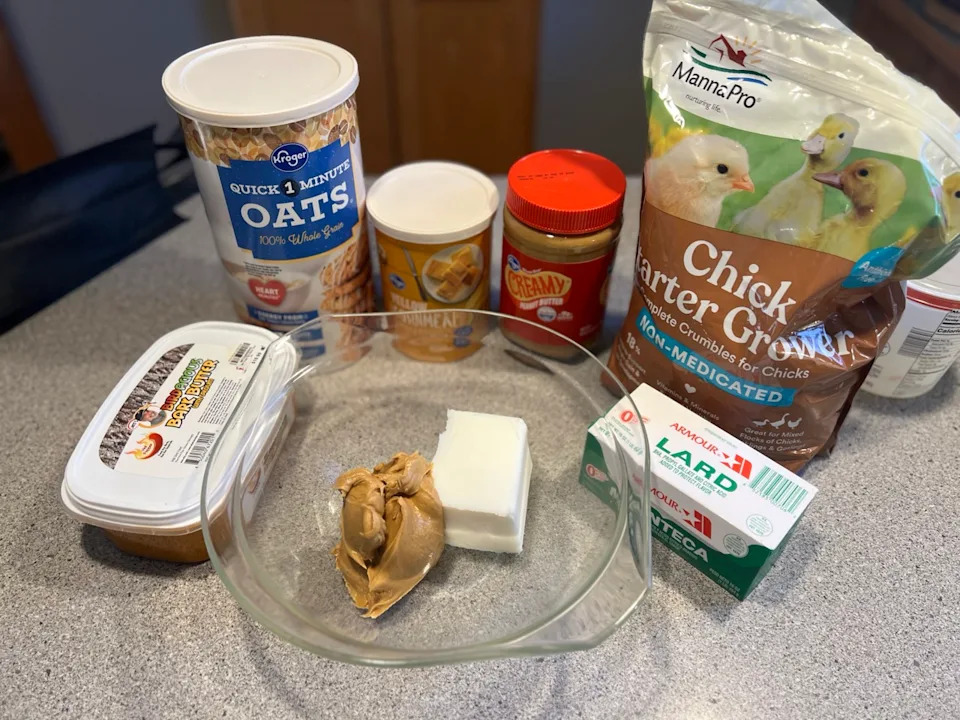
Have you ever wondered what treats you can share with the birds visiting your backyard? You don’t need fancy bird food to make their day special.
Right from your kitchen, there are simple, everyday items that can attract and nourish these feathered friends. Imagine watching them flutter and chirp happily, all because of what you’ve put out. Keep reading to discover easy, safe, and surprising foods you probably already have at home that birds love.
Your kitchen could be the next favorite stop for your local wildlife!

Credit: gratefulprayerthankfulheart.com
Common Kitchen Foods For Birds
Many common kitchen foods can be safe and tasty treats for wild birds. These foods provide natural nutrients and help birds stay healthy. Offering kitchen scraps encourages birds to visit your yard more often.
Choose fresh, unseasoned items without salt, sugar, or spices. Avoid any spoiled or moldy food. Always feed birds in moderation to keep their diet balanced.
Fruits Birds Enjoy
- Apples (cut into small pieces, remove seeds)
- Berries like blueberries, strawberries, and raspberries
- Bananas peeled and sliced
- Grapes halved or whole for small birds
- Oranges and other citrus fruits in small amounts
Vegetables Suitable For Birds
- Carrots, shredded or chopped finely
- Peas, either fresh or thawed from frozen
- Sweet potatoes cooked and cooled
- Leafy greens like spinach and kale
- Corn kernels, fresh or cooked
Grains And Seeds From Your Pantry
- Cooked rice or pasta without sauce
- Oats, plain and uncooked
- Unsalted sunflower seeds
- Chopped nuts like almonds or walnuts
- Whole wheat bread crumbs in small amounts
Safe Treats To Offer
Offering safe treats from your kitchen can delight birds visiting your garden. Birds enjoy a variety of foods that provide energy and nutrients. Selecting safe options helps keep them healthy and happy. Avoid processed or salted items that can harm birds.
Nuts And Their Benefits
Nuts are rich in fats and proteins, ideal for many bird species. Unsalted, raw nuts like almonds, walnuts, and peanuts work best. These provide essential oils that boost bird energy. Chop large nuts into small pieces to make eating easier. Avoid nuts with added salt or flavorings.
Cooked Rice And Pasta
Plain cooked rice and pasta can feed birds safely. Serve them without sauces, salt, or seasoning. These foods offer carbohydrates that give birds quick energy. Use small portions to avoid waste and spoilage. Let the food cool completely before placing it outside.
Eggs As A Protein Source
Cooked eggs supply important protein and nutrients for birds. Hard-boiled or scrambled eggs without seasoning are best choices. Break eggs into small pieces for easy eating. Eggs help birds especially during breeding or cold weather. Avoid raw eggs to prevent health risks.
Foods To Avoid
Knowing which foods to avoid is key to keeping birds safe and healthy. Some kitchen items can harm birds or cause serious illness. Feeding birds the wrong foods can lead to poisoning, digestive problems, or even death.
Birds have sensitive systems that react badly to certain substances. It is best to skip these foods to protect their well-being. Below are common foods that should never be given to birds from your kitchen.
Toxic Foods For Birds
- Avocado – Contains persin, which is deadly to many birds.
- Chocolate – Toxic due to theobromine and caffeine content.
- Onions and Garlic – Can cause digestive upset and anemia.
- Alcohol – Even small amounts can poison birds.
- Caffeine – Found in coffee, tea, and sodas; harmful to birds’ hearts.
Spices And Seasonings To Skip
- Salt – Excessive salt can cause dehydration and kidney damage.
- Chili Peppers – Cause irritation and distress to birds.
- Black Pepper – May upset their digestive system.
- Herbs with Strong Oils – Such as rosemary and oregano, can be too harsh.
Processed And Sugary Items
- Processed Snacks – Chips, crackers, and similar foods have unhealthy fats and additives.
- Sugary Treats – Candy and sweets lead to obesity and health issues.
- Bread – Offers little nutrition and can cause digestive problems if fed often.
- Salty or Spicy Chips – Harmful due to salt and flavor enhancers.

Credit: gratefulprayerthankfulheart.com
Preparing Bird Food At Home
Preparing bird food at home lets you control exactly what goes into your feathered friends’ diet. It’s a simple way to offer fresh, healthy options that birds love without relying on store-bought mixes. Plus, it can be a fun, hands-on activity that connects you more closely with nature right from your kitchen.
Cleaning And Cutting Tips
Always start by washing fruits, vegetables, and nuts thoroughly to remove any pesticides or dirt. Dirt and chemicals can harm birds, so clean food is essential.
Cut food into small, manageable pieces based on the bird species you want to feed. Tiny pieces suit smaller birds like finches, while larger chunks work for bigger birds like jays or doves.
Be cautious with seeds and nuts; cracking them open slightly can help birds access the nutritious parts inside. Have you noticed how some birds struggle with whole seeds? Preparing their food thoughtfully helps them eat easily and safely.
Portion Sizes And Frequency
Feed birds small amounts at a time to avoid waste and spoilage. Overfeeding can attract pests or cause the food to rot quickly.
Try offering food once or twice a day, ideally in the morning and late afternoon when birds are most active. How often do you check your feeder? Regular monitoring helps you adjust portions and keep the area clean.
Remember, bird feeding is a supplement—not a replacement for their natural diet. Keep portions moderate to encourage natural foraging habits.
Storing Bird Food Safely
Store homemade bird food in airtight containers to keep it fresh and prevent contamination. Moisture and air exposure can lead to mold, which is dangerous for birds.
Keep the containers in a cool, dry place away from direct sunlight. Temperature fluctuations can spoil the food quickly.
Label your containers with the date you prepared the food. Using older batches first ensures your birds always get the freshest meals possible.
Feeding Tips For Different Bird Species
Feeding birds from your kitchen can be rewarding and fun. Different bird species have different tastes and needs. Offering the right food helps them stay healthy and happy. Here are some tips to feed various bird types safely and effectively.
Small Songbirds
Small songbirds enjoy seeds, fruits, and insects. Offer sunflower seeds, millet, and small pieces of apple or berries. Avoid salty or sugary foods. Fresh water nearby is important for drinking and bathing. Place food on platforms or in tube feeders to keep it clean.
Parrots And Larger Birds
Parrots and larger birds need a mix of fruits, vegetables, and nuts. Try carrots, peas, apples, and unsalted nuts like almonds or walnuts. Avoid chocolate, avocado, and caffeine, which are toxic. Use sturdy feeders or bowls that can hold bigger food pieces. Clean feeders often to prevent germs.
Waterfowl And Backyard Birds
Waterfowl and common backyard birds eat grains, vegetables, and bread crumbs in small amounts. Offer cracked corn, oats, peas, and chopped greens. Use shallow dishes for feeding near water sources. Avoid moldy or stale bread to protect their health. Feeding in moderation helps maintain natural foraging habits.

Credit: www.youtube.com
Frequently Asked Questions
What Kitchen Foods Are Safe For Birds?
Many kitchen foods are safe for birds, including cooked rice, pasta, and unsalted nuts. Fresh fruits like apples and berries are also great choices. Avoid foods with salt, sugar, or artificial additives. Always ensure food is cut into small, manageable pieces to prevent choking hazards.
Can Birds Eat Leftover Bread?
Feeding birds leftover bread is not recommended. Bread lacks essential nutrients birds need. It can fill their stomachs without providing nourishment. Instead, offer healthier options like seeds, grains, or small pieces of fruit. These provide the necessary vitamins and minerals birds require for a balanced diet.
Is Peanut Butter Safe For Birds?
Yes, peanut butter is safe for birds in moderation. It’s high in protein and fat, which is beneficial for energy. Choose unsalted, low-sugar varieties to avoid harmful additives. Spread a thin layer on a pine cone or mix with birdseed for an enriching treat.
Can Birds Eat Cooked Pasta?
Cooked pasta is safe for birds and offers a good source of carbohydrates. Ensure it’s plain, without sauce or seasoning. Cut it into small pieces to make it easier for birds to eat. Pasta provides energy, especially useful during colder months when birds require extra fuel.
Conclusion
Feeding birds from your kitchen helps them stay healthy and happy. Simple foods like seeds, fruits, and grains work best. Avoid giving birds salty or sugary items. Watching birds eat brings joy and teaches about nature. Small efforts make a big difference for local wildlife.
Keep your feeding spot clean to protect birds. Enjoy the peaceful moments with your feathered friends. Sharing kitchen scraps can create a special bond. Try it today and see birds visit your yard!