
Have you ever wondered if it’s okay to feed birds all year long? You might think it’s a kind gesture, but there’s more to it than just putting out seeds.
Your actions can affect the birds’ health and behavior in ways you might not expect. If you want to help your feathered friends without causing harm, it’s important to know when and how to feed them. Keep reading to discover the facts that will help you make the best choice for your backyard visitors.
Benefits Of Year-round Feeding
Feeding birds throughout the year offers many benefits for both the birds and bird lovers. It helps birds survive tough times and keeps them healthy. Providing food consistently supports their needs across different seasons. This practice also invites a variety of bird species to visit your yard. Birdwatchers enjoy a richer experience with more birds to see and learn about.
Supporting Birds Through Seasons
Birds need different foods as seasons change. In winter, natural food is hard to find. Year-round feeding gives birds a steady supply of energy. It helps them stay warm and strong. During breeding seasons, extra food supports raising young birds. Feeding in all seasons reduces stress on wild birds.
Attracting Diverse Species
Offering food throughout the year attracts many types of birds. Different birds visit at different times. Some come only in winter, others in summer. A variety of seeds and feeders can bring more species. This diversity adds life and color to your garden. You may see new bird species you never noticed before.
Enhancing Birdwatching Experience
Year-round feeding creates more chances to watch birds. You can observe bird behavior in all seasons. Watching birds regularly helps you learn about their habits. It makes birdwatching enjoyable and relaxing. Having birds nearby also brings nature closer to home.
Potential Risks To Consider
Feeding birds year round might seem like a kind gesture, but it’s important to weigh the potential risks involved. Providing food continuously can affect bird behavior, health, and local ecosystems in ways you might not expect. Being aware of these risks helps you make better choices for both the birds and your backyard environment.
Dependency On Feeders
Birds can become reliant on your feeders instead of searching for natural food sources. This dependency may reduce their ability to survive if the feeder is suddenly removed or during times when food is scarce.
Think about this: If you stop feeding in winter, will the birds be able to find enough food on their own? Supporting birds is great, but ensuring they can thrive independently is crucial for their long-term survival.
Spread Of Diseases
Feeders can become hotspots for disease transmission among birds. When many birds visit the same feeder, germs and parasites can spread quickly, causing health problems.
To reduce this risk, clean your feeders regularly with a mild bleach solution and rotate feeding spots if possible. Have you noticed sick birds around your feeder? That might be a sign to pause and sanitize.
Impact On Natural Foraging
Constant feeding can change natural foraging habits. Birds might spend less time searching for diverse food sources, which are important for their nutrition and survival skills.
By feeding only during tough seasons, you encourage birds to maintain their natural behaviors. Could your feeding schedule be adjusted to support this balance?
Choosing The Right Food
Choosing the right food for birds is more important than you might think. Your choices affect their health, energy, and survival through different seasons. Feeding birds year round means you need to adjust what you offer to meet their changing needs.
Seasonal Dietary Needs
Birds’ nutritional needs shift as the weather changes. In colder months, they need high-energy foods like seeds rich in fat to help them stay warm. During spring and summer, birds benefit from more protein sources such as insects and fruits to support breeding and growth.
Have you noticed how birds seem more active in the warmer months? That’s because their diet fuels their energy for nesting and raising chicks. Adjusting what you feed helps you support their natural cycles.
Safe And Nutritious Options
Offering safe and nutritious food keeps birds healthy and encourages them to visit regularly. Black oil sunflower seeds are a favorite for many species because they provide essential fats and are easy to eat. Suet cakes are another great option in winter to give birds a quick energy boost.
- Offer fresh fruits like apples and berries in moderation during warmer months.
- Try mealworms or chopped nuts to add protein.
- Keep water clean and available year round.
I once switched to black oil sunflower seeds and saw a bigger variety of birds at my feeder. It’s a simple change that can make a big difference.
Avoiding Harmful Ingredients
Not all bird food is safe. Avoid anything with added salt, sugar, or artificial colors. Bread might seem harmless but offers little nutrition and can harm birds if fed regularly.
Some seeds like raw kidney beans or apple seeds contain toxins and should never be offered. Check labels carefully before buying or making your own mixes.
- Stay away from processed human snacks.
- Skip moldy or stale food – it can cause illness.
- Use feeders that prevent contamination and spoilage.
Have you ever wondered if your bird food could be doing more harm than good? Choosing carefully means your feeding efforts truly help your feathered friends thrive.
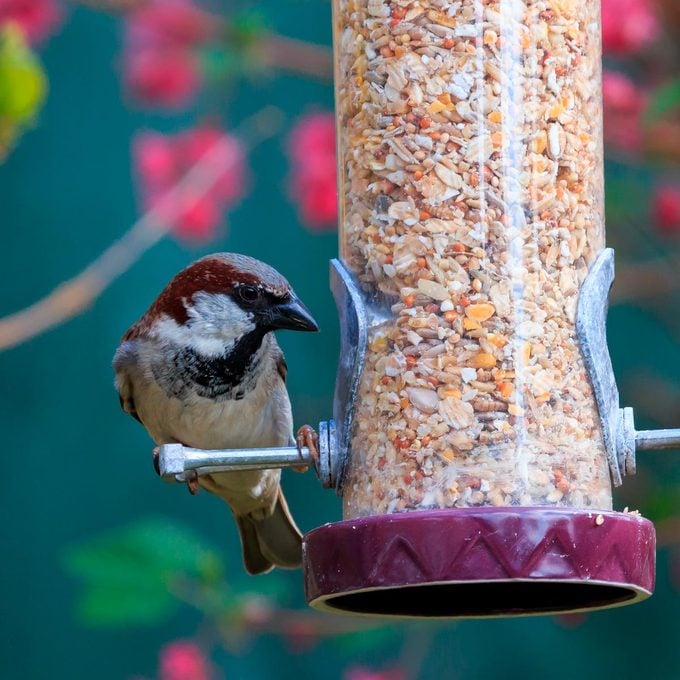
Credit: www.familyhandyman.com
Best Feeding Practices
Feeding birds year-round can be rewarding for both you and the birds. Following best feeding practices helps keep birds healthy and safe. Proper care of feeders and feeding habits supports local wildlife without causing harm.
Maintaining Clean Feeders
Clean feeders prevent the spread of diseases among birds. Wash feeders with warm, soapy water every two weeks. Rinse well and let them dry completely before refilling. Remove old or moldy seed daily. Avoid overcrowding by using multiple feeders.
Proper Placement And Timing
Place feeders in safe, quiet spots away from predators. Avoid areas near windows to reduce collision risk. Keep feeders at least five feet off the ground. Feed birds mainly in the early morning and late afternoon. Stop feeding during wet weather to prevent mold growth.
Adjusting Feeding Amounts
Offer just enough food to be eaten in one day. Excess seed attracts pests and can spoil quickly. Reduce food amounts in warmer months when natural food is plentiful. Increase feeding in winter when birds need more energy. Monitor bird activity to adjust feeding amounts as needed.
Adapting To Different Climates
Feeding birds throughout the year means adjusting to the changing needs that come with different climates. Birds rely on your feeders differently depending on the season, so understanding how to adapt your feeding habits can make a big difference. Your approach should shift based on the temperature and food availability in your area.
Feeding In Cold Weather
During cold months, food becomes scarce, and birds need extra energy to stay warm. Offering high-fat foods like suet, peanuts, and sunflower seeds can help them build reserves.
Make sure to keep feeders clean and dry to prevent mold, which can harm birds. You might notice more visitors during winter—this is your chance to provide vital support when natural food is limited.
Feeding In Warm Months
In warmer seasons, birds have plenty of natural food sources like insects and berries. You can reduce the quantity of food you offer or switch to lighter options such as fruit or nectar.
Overfeeding in summer can attract unwanted pests and create dependency, so monitor how much your birds actually eat. Think about whether your feeder is still necessary or if it’s time to give nature the lead.
Handling Regional Variations
Your local climate plays a big role in how and when to feed birds. In southern areas with mild winters, birds may rely less on feeders year-round, while northern regions with harsh winters make feeders essential.
Observe the birds in your backyard and adjust feeding schedules to match their behavior and the weather. You might even find that some species only visit during migration, requiring short bursts of feeding support.

Credit: www.birdfeederco.com
Common Myths About Feeding Birds
Feeding birds year round often sparks debate, fueled by several common myths. These myths can make you hesitate to put out food or cause unnecessary worry about harming the birds you want to help. Understanding the facts behind these misconceptions will empower you to make better choices for your feathered visitors.
Feeding Causes Dependency
Many believe that feeding birds all year makes them lazy and dependent on humans. However, wild birds naturally seek out food sources wherever they can find them. If you stop feeding them suddenly, most birds will quickly return to foraging on their own.
Birds have survived for centuries without backyard feeders, showing their ability to adapt. Your feeder is just a helpful supplement, especially during tough seasons. Think of it as offering a snack, not their entire meal plan.
Birds Will Forget To Forage
People often worry that birds will lose their natural foraging skills if they rely on feeders. In reality, birds continue to explore and gather food from their environment even when feeders are available. Feeding does not erase their instincts; it simply provides extra energy.
I’ve noticed that even in my own garden, birds visit feeders but spend most of their time hunting insects or picking seeds from plants. Why would they give up such an essential survival skill for easy food?
Feeding Attracts Pests
It’s true that bird feeders can attract unwanted visitors like squirrels or rodents. But this problem can be managed with proper feeder placement and maintenance. Using squirrel-proof feeders and cleaning up spilled seed can minimize pest issues.
Feeding doesn’t have to mean inviting pests. By staying vigilant and adjusting your setup, you keep the focus on the birds you want to attract. Have you tried different feeders to see which work best at keeping pests away?

Credit: www.allaboutbirds.org
Frequently Asked Questions
Can I Feed Birds In All Seasons?
Yes, feeding birds year-round is beneficial. Birds need extra energy during breeding, molting, and migration. Providing food consistently helps them stay healthy. Make sure to offer a variety of seeds and food types. This ensures they get the nutrients they need throughout the year.
What Is The Best Food For Birds Year-round?
Offer a mix of seeds, nuts, and fruits. Sunflower seeds, peanuts, and suet are excellent choices. They provide essential nutrients and energy. Adjust the food type based on the season. For instance, high-fat foods are perfect in winter, while fruits work well in summer.
Do Birds Become Dependent On Feeders?
Birds do not become dependent on feeders. They are skilled at finding natural food sources. Feeders simply supplement their diet. They use feeders as one of many food sources. Providing food can help them during challenging times, like harsh winters or limited natural food availability.
Is It Harmful To Stop Feeding Birds Suddenly?
Suddenly stopping feeding isn’t harmful. Birds are adaptable and will find alternative food sources. However, they might rely more on feeders during harsh weather. Gradually reducing the food provided helps them transition smoothly. It’s a good practice to keep feeding consistent, especially in extreme conditions.
Conclusion
Feeding birds year-round can help them stay healthy and strong. Birds need food most in winter, but fresh water in summer too. Keep feeders clean to stop diseases. Watch birds to see what they eat and when. Change food with seasons for best results.
Feeding birds brings joy and supports nature near you. Remember, small actions make a big difference for wild birds. Enjoy the beauty and sounds of birds all year long.