
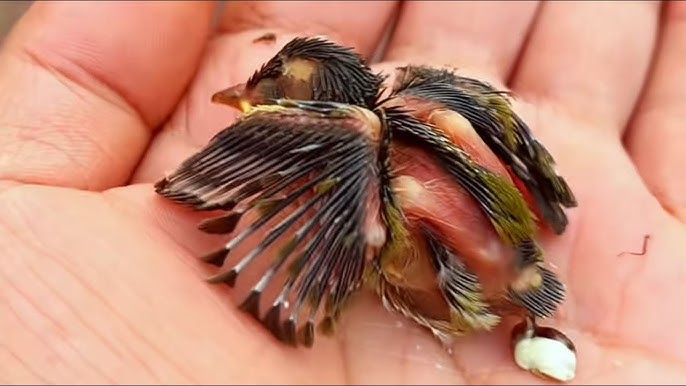
Have you ever found a tiny baby bird and wondered, “What can I feed it at home?” It’s natural to want to help, but feeding baby birds the wrong food can do more harm than good. You want to give them the right nutrition to help them grow strong and healthy.
You’ll discover simple, safe, and effective foods you can offer your little feathered friend. Keep reading to learn exactly what to feed baby birds and how to care for them until they’re ready to fly on their own. Your quick action could make all the difference in their survival.
Credit: www.petsradar.com
Safe Foods For Baby Birds
Feeding baby birds at home requires care and knowledge. Safe foods help them grow strong and healthy. Choosing the right diet supports their development and survival. Avoid foods that can harm or upset their tiny digestive systems.
Insects And Protein Sources
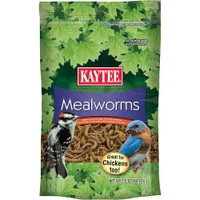
Baby birds need plenty of protein for growth. Live or dried insects like mealworms are excellent choices. Small insects provide essential nutrients and mimic natural diets. Other good protein sources include:
- Crushed boiled eggs
- Cooked lean meats (finely chopped)
- High-quality baby bird formula with protein
Always ensure insects and meats are fresh and free from pesticides.
Fruits And Vegetables
Fruits and vegetables supply vitamins and minerals. Soft fruits like bananas and berries are easy to digest. Cooked vegetables such as peas and carrots work well. Offer these foods in small, mashed pieces to avoid choking. Avoid citrus fruits and anything spicy or salted.
Specialized Bird Formulas
Specialized bird formulas are designed for baby birds’ needs. They contain balanced nutrients for healthy growth. These formulas come as powders or ready-made mixes. Mix the powder with warm water to create a smooth blend. Use formulas recommended by bird care experts or veterinarians.
Credit: besgroup.org
Foods To Avoid
Feeding baby birds requires careful attention to what they eat. Some foods can cause harm or even be fatal. Avoiding dangerous foods protects their health and growth.
Knowing which foods to skip is just as important as knowing what to feed. Some common items found at home can be toxic or hard to digest for baby birds. Keep their diet safe and natural.
Toxic Foods For Birds
- Chocolate – Contains theobromine, harmful to birds
- Avocado – Contains persin, toxic to many bird species
- Caffeine – Found in coffee and tea, affects their heart
- Onions and Garlic – Can cause digestive problems and anemia
- Alcohol – Dangerous and should never be given
Improper Human Foods
- Salty snacks – Too much salt damages kidneys
- Sugary sweets – Lead to health issues and weak feathers
- Processed foods – Contain preservatives harmful to birds
- Dairy products – Many birds cannot digest lactose
- Raw meat or eggs – Risk of bacteria and parasites
Dangerous Seeds And Plants
- Apple seeds – Contain cyanide, toxic to birds
- Cherry pits – Also contain harmful cyanide compounds
- Tomato leaves and stems – Can irritate their digestive system
- Rhubarb leaves – Poisonous to birds and other animals
- Milkweed – Contains toxins that affect the heart and nerves
Feeding Techniques
Feeding baby birds requires care and proper techniques to ensure their health. Using the right methods helps them grow strong and healthy. Feeding too much or too little can harm them. Safe tools and clean food are important parts of the process. Understanding how to prepare food and feed baby birds correctly is key.
Preparing Food For Baby Birds
Start with soft, easy-to-digest food. Mix soaked dog or cat food with water to make a paste. Avoid bread or milk, as they can harm birds. You can also use mashed hard-boiled eggs or baby bird formula. Food should be fresh and warm, not hot or cold. Always prepare small amounts to avoid waste.
Feeding Frequency And Amounts
Feed baby birds often, about every 15 to 20 minutes during daylight. Young birds need small, frequent meals. As they grow, increase the time between feedings. Watch their crop, a small pouch in their throat, to check fullness. Stop feeding if the crop feels full and soft. Overfeeding can cause health problems.
Using Feeding Tools Safely
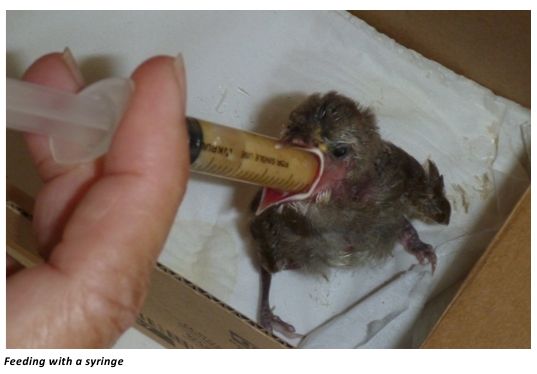
Use a small syringe, dropper, or soft-tipped brush for feeding. Avoid sharp or hard tools that can hurt the bird’s mouth. Hold the bird gently but firmly to prevent injury. Feed slowly and carefully to avoid choking. Clean tools before and after use to keep them safe from germs. Never force food into the bird’s throat.
Caring For Orphaned Birds
Caring for orphaned birds is a delicate task that requires patience and attention. These tiny creatures depend entirely on you for survival, making your role crucial. Understanding their needs can make a big difference in their chances of thriving.
Identifying Baby Bird Species
Knowing the species of the baby bird helps you provide the right food and care. Look for features like beak shape, feather color, and size. Sometimes, even the sound they make can give clues about their species.
For example, baby robins have a wide, yellow gape, while sparrows are smaller with more subtle markings. You can also use online bird guides or apps to compare photos and descriptions.
Creating A Safe Environment
Baby birds need warmth and security to grow strong. Use a small box lined with soft cloth or paper towels to mimic a nest. Keep the area quiet and away from pets or loud noises.
Maintain a temperature around 85-90°F for the first week, then gradually lower it as the bird grows. Avoid using cotton, as it can tangle around their legs and cause injury.
When To Seek Professional Help
Not all orphaned birds can be successfully raised at home. If a bird appears injured, lethargic, or refuses food, professional care might be necessary. Wildlife rehabilitators have the experience and resources to handle complex cases.
Ask yourself: Is the bird’s condition worsening despite your care? If yes, contact a local wildlife rescue center immediately. Acting quickly can save lives and prevent long-term harm.
Transitioning To Solid Foods
Transitioning baby birds to solid foods is a crucial stage in their growth. It requires patience and careful observation. Getting this right ensures they develop strong eating habits and stay healthy.
Signs Of Readiness
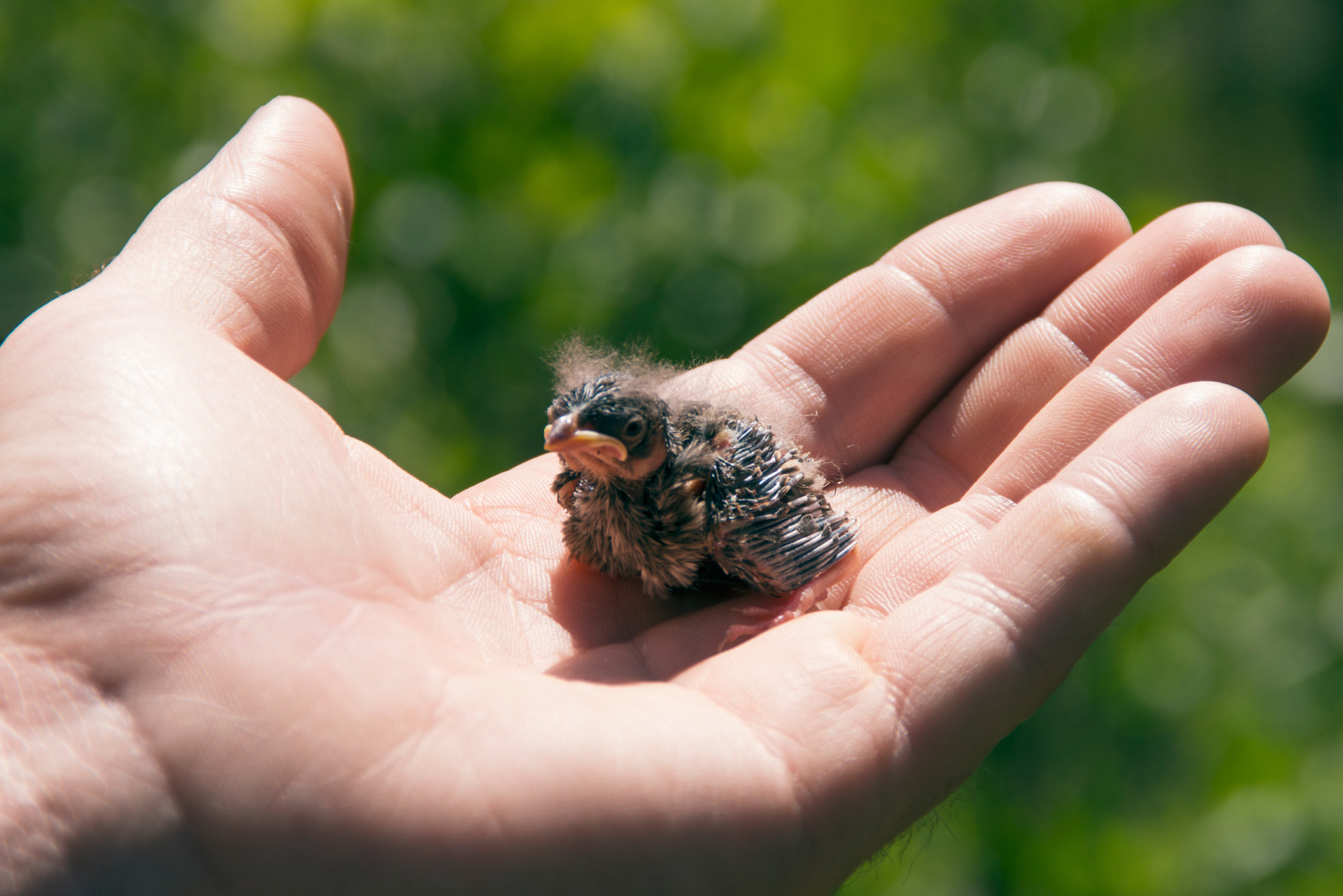
Watch for changes in your baby bird’s behavior and physical development. They might start pecking at food or showing less interest in being fed by hand. Their feathers also become more developed, and they gain better control of their heads and beaks.
Have you noticed your baby bird trying to grab food on its own? That’s a strong hint they’re ready to try solids.
Introducing New Foods Gradually
Start by mixing small amounts of soft solids with their usual diet. You can use mashed fruits, cooked vegetables, or soft soaked pellets. Avoid overwhelming your bird with too many new foods at once.
Offer one new food at a time over several days. This helps you spot any allergies or digestive issues early. Patience is key—your baby bird might reject new tastes initially but keep trying.
Encouraging Self-feeding
Place small, easy-to-handle pieces of food within reach. Use shallow dishes or scatter food on a clean surface to spark curiosity. Let your bird explore and experiment with eating independently.
Try gently guiding their beak to the food without forcing it. You’ll see their confidence grow with each attempt. How can you create a safe and inviting space that encourages your baby bird to feed itself?
Credit: pethelpful.com
Frequently Asked Questions
What Is The Best Food For Feeding Baby Birds At Home?
The best food for baby birds includes soft, protein-rich items like soaked dog food, hard-boiled eggs, and mealworms. Avoid bread and milk. Always feed small, frequent portions to mimic natural feeding patterns and support healthy growth.
Can I Feed Baby Birds With Bread Or Milk?
No, bread and milk are harmful to baby birds. Bread offers no nutrition, and milk can cause digestive problems. Instead, use nutrient-rich foods like insects, soaked dog food, or specialized bird formula for proper growth and health.
How Often Should I Feed Baby Birds At Home?
Feed baby birds every 15 to 20 minutes from dawn until dusk. Young birds need frequent, small meals for energy and development. As they grow, gradually reduce feeding frequency to encourage independence.
Can I Use A Syringe To Feed Baby Birds?
Yes, a syringe can help feed baby birds safely. Use a small syringe without a needle to gently offer food. Avoid force-feeding or overfeeding, and always ensure the food is at room temperature.
Conclusion
Feeding baby birds at home requires care and the right food. Offer soft, easy-to-digest items like soaked dog food or mealworms. Avoid giving bread or milk, as these harm birds. Always keep the feeding area clean to prevent sickness. Watching baby birds grow is a special experience.
With patience and the right choices, you can help them thrive. Small actions make a big difference in their lives. Keep learning about their needs to provide the best care possible.