
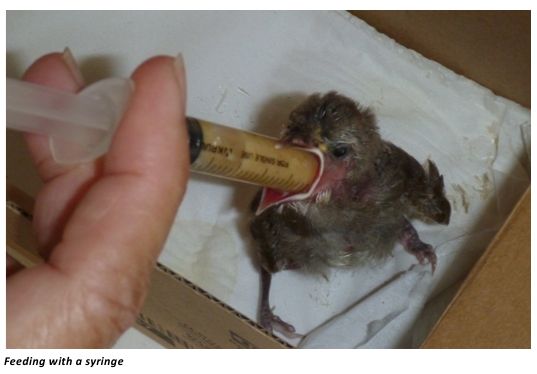
Have you ever wondered how birds decide which baby to feed first? It might seem like a simple choice, but there’s a fascinating secret behind their decision.
Understanding this can change the way you see nature and reveal surprising truths about survival and care. Keep reading, and you’ll discover the hidden factors that guide a parent bird’s choice—insights that will amaze you and make you appreciate these tiny creatures even more.
Your curiosity is about to be rewarded!
Credit: irishwildlifematters.ie
Feeding Priorities In Birds
Birds face a tough choice when feeding their chicks. They must decide which baby needs food first. This decision helps the survival of the whole brood. Understanding feeding priorities reveals how birds balance care and competition. It shows nature’s careful planning in the wild.
Role Of Hunger Signals
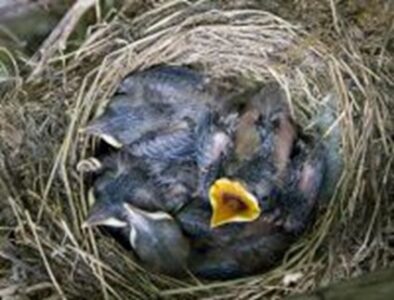
Baby birds send hunger signals to their parents. These signals include loud begging calls and open mouths. Parents listen closely to these sounds. The louder and more frequent the call, the hungrier the chick seems. Parents often feed the chick that appears most in need first. This method helps ensure the weakest chicks get a chance to grow strong.
Sometimes, parents use the intensity of these signals to judge hunger. The brightest open mouth or the most urgent call can guide feeding order. This natural system helps parents manage limited food during hard times.
Impact Of Sibling Competition
Sibling competition plays a big role in feeding order. Chicks compete by jostling and pushing for attention. Older or stronger chicks often get more food. They can outshine smaller siblings with louder cries or bigger mouths.
This competition affects how parents distribute food. Parents may feed the strongest chicks first, as they show more hunger signals. This can increase the survival chances of the brood overall. But sometimes, parents also give food to weaker chicks to keep them alive.
Credit: irishwildlifematters.ie
Sensory Cues Parents Use
Bird parents rely on several sensory cues to decide which chick to feed first. These cues help them identify the neediest or most demanding baby. Understanding these signals reveals how birds care for their young efficiently.
Visual Indicators
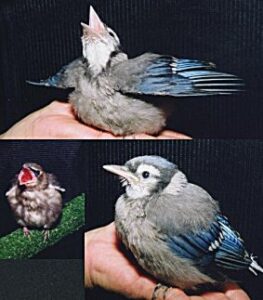
Brightly colored mouths and open beaks catch a parent’s eye quickly. Chicks with wider, more vibrant mouths often get fed first. Movements like flapping wings or stretching necks also draw attention. Parents watch carefully to spot which chick signals the strongest need.
Auditory Signals
Chicks make different sounds to show hunger. Loud, frequent begging calls often indicate a hungrier chick. Parents listen closely to these calls and respond to the most persistent ones. Each chick’s cry varies, helping parents judge who needs food first.
Olfactory Factors
Some bird species use smell to identify their chicks. Unique scents help parents recognize individual babies. This sense guides feeding choices, especially in crowded nests. Though less common, smell can be a vital cue in certain environments.
Influence Of Chick Health And Size
The health and size of chicks play a key role in how parent birds decide which baby to feed first. Parents often assess the condition of each chick quickly. This helps them allocate food where it is needed most. Stronger chicks may get fed first to ensure their survival. Alternatively, weaker chicks might receive more attention to boost their chances. Different bird species use different strategies based on chick health and size.
Feeding The Strongest Vs. Weakest
Some bird parents feed the strongest chicks first. These chicks are more likely to survive and grow quickly. Feeding the strongest ensures the best use of limited food. Parents may see this as a way to protect their genes.
Other species focus on feeding the weakest chicks first. This helps balance the brood’s health. Parents try to prevent the smallest chicks from dying. They may give extra food or attention to these vulnerable babies.
Survival Strategies
Birds use survival strategies based on chick health and size. Some parents feed chicks evenly to keep all alive. Others prioritize chicks with the highest chance of survival. Food availability also affects these choices.
Parents watch chick behavior and condition closely. They adjust feeding patterns during times of food shortage. This flexible approach helps maximize the survival of their young.
Parental Experience And Behavior
Parental experience and behavior play a crucial role in how birds decide which baby to feed first. Birds don’t just randomly choose; their actions are often shaped by learning and instinct. Over time, parents become more skilled at recognizing the needs of their chicks and adjusting their feeding patterns accordingly.
Learning Feeding Patterns
Birds improve their feeding choices through experience. A parent bird that has raised chicks before is more adept at spotting which baby is hungrier or weaker. This skill helps ensure that the most vulnerable chicks get fed first, increasing their chances of survival.
Imagine watching a robin feeding its nestlings. At first, it may feed the louder, more demanding chicks, but with time, it learns to balance attention. The parent bird’s ability to read subtle cues—like a chick’s begging intensity or body position—guides its feeding order.
Have you ever noticed how some baby birds seem to get more food than others? This often reflects the parent’s growing knowledge about who needs more nourishment rather than favoritism.
Variations Among Species
Not all birds behave the same way when feeding their young. Species differences influence how parents decide which chick to feed first. Some birds prioritize the strongest chicks, while others focus on the weakest.
For example, in species like the Eurasian blue tit, parents tend to feed the neediest chick first, promoting fairness. Meanwhile, in some raptors, the biggest chick might receive more food to ensure it thrives and can later support the family.
These variations reflect different survival strategies. What strategy do you think works best for your local birds? Observing birds in your area can reveal surprising patterns in how they care for their young.
Environmental And External Factors
Birds do not decide which baby to feed based only on the chicks’ behavior. Their choices are also shaped by the environment and outside factors. These factors can influence how parents prioritize feeding and care. Understanding these helps explain why some babies get fed first in different situations.
Food Availability
Food supply plays a major role in feeding decisions. When food is plenty, parents feed all babies evenly. If food is scarce, parents focus on the strongest chicks. This ensures that at least some offspring survive.
Parents watch for signals like hunger calls and size. Bigger chicks may get more food during shortages. Parents also adjust feeding speed and frequency based on how much food is nearby.
Predator Threats
Predators nearby change how parents feed their babies. If a threat is close, parents feed quickly to reduce noise and movement. This lowers the chance of attracting predators.
Sometimes, parents feed the quietest or least active chick first. This tactic avoids drawing attention to the nest. Parents may also feed chicks in a pattern that masks their presence.
Scientific Studies And Surprising Discoveries
Scientific studies reveal how birds choose which baby to feed first. Researchers observe various bird species in natural settings. These studies uncover surprising details about feeding order and sibling dynamics.
Scientists use video recordings and careful observation to track feeding patterns. They analyze which chicks get food first and why. The findings challenge old assumptions about parental care in birds.
Recent Research Findings
Recent studies show that parents often feed the neediest chick first. Hunger signals like loud begging sounds influence feeding priority. Parents can detect which chick is weaker or hungrier.
Other research highlights the role of chick position in the nest. Babies closer to parents get fed more often. Parents also respond to chick size and health status.
Unexpected Feeding Behaviors
Some birds feed their strongest chick first to ensure survival. This strategy helps the fittest grow faster. In some species, parents feed chicks in a rotating order to be fair.
Surprisingly, sibling competition affects feeding as well. Chicks sometimes push or jostle to get food first. Parents may favor the most active or loudest chick.
Credit: irishwildlifematters.ie
Frequently Asked Questions
How Do Birds Identify The Neediest Baby First?
Birds observe begging intensity and vocal cues to identify the neediest chick. They feed the loudest and most active baby first to ensure survival. Parental instincts guide them to prioritize the chick showing hunger signs or weakness.
Do Bigger Chicks Get Fed Before Smaller Ones?
Not always. Birds often feed smaller or weaker chicks first to balance survival chances. Parents assess each baby’s condition rather than size alone. Feeding priority depends on hunger signals, not just the chick’s size.
Can Sibling Competition Affect Feeding Order?
Yes, sibling competition influences feeding order. Chicks compete by louder calls and vigorous movements to attract parental attention. This competition helps parents decide which chick needs food more urgently, ensuring fair food distribution.
How Do Parents Balance Feeding Among Many Chicks?
Parents distribute food based on each chick’s hunger cues and health. They monitor all babies and alternate feeding to support equal growth. This balancing act maximizes survival rates for the entire brood.
Conclusion
Birds choose which baby to feed first based on several factors. Hunger cries matter. Louder chicks often get fed first. Size plays a role too. Larger chicks may dominate smaller ones. Health is crucial. Sickly babies might be ignored. Parents aim to ensure survival of the fittest.
They balance needs with resources. Observing these patterns offers insight into nature’s ways. It shows how survival instincts guide bird behavior. Understanding these dynamics helps us appreciate bird parenting strategies. Nature’s wisdom shines through these fascinating feeding decisions.