
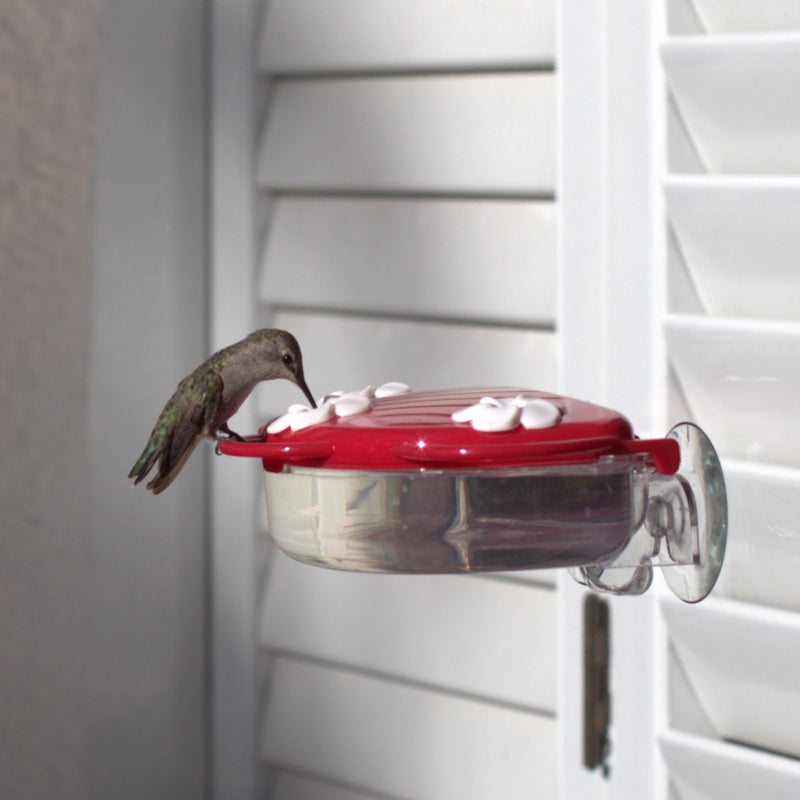
Are you excited to invite colorful birds right to your window? Placing a bird feeder near your window can bring nature closer and fill your days with joy.
But how close is too close? If it’s too near, you might worry about birds flying into the glass. Too far, and you could miss those beautiful moments. You’ll discover the perfect distance to keep your bird feeder from your window—so you can enjoy watching birds safely and comfortably.
Keep reading to learn the simple steps that will make your bird-feeding experience both safe and rewarding.
Credit: www.walmart.com
Risks Of Placing Feeders Too Close
Placing bird feeders too close to your windows can create real dangers for the birds you want to attract. While it might seem convenient or space-saving, the risks far outweigh the benefits. Understanding these risks helps you protect your feathered visitors and enjoy birdwatching safely.
Bird Collisions And Injuries
Birds often cannot see clear glass and may fly straight into windows. If your feeder is right next to the window, birds have little time to react before impact. This can cause serious injuries or even death.
I once had a feeder placed just a foot away from a large window. Within days, I found a stunned bird on the ground, injured from hitting the glass. It made me realize how crucial distance is for their safety.
Keeping feeders at least 3 feet away from windows gives birds more space to slow down or change direction if they get startled. Alternatively, placing feeders more than 30 feet away also works, as the window is less visible from that distance.
Window Reflection Issues
Windows often reflect trees, sky, or plants, confusing birds into thinking they can fly through. When feeders are too close, birds chase their reflections or attempt to reach food that seems accessible but isn’t.
This reflection creates a dangerous illusion. Birds may repeatedly strike the glass or waste energy flying against it. Your feeder’s placement can either worsen or reduce this problem.
You can reduce reflection risks by:
- Using window decals or screens to break up reflections
- Moving feeders farther away to reduce the mirror effect
- Positioning feeders so they don’t face large reflective surfaces directly
Ask yourself: is your feeder location helping or harming the birds? Small changes in placement can make a big difference in their safety and your enjoyment.
Ideal Distance For Bird Feeders
Choosing the right distance for your bird feeder from the window is crucial for both bird safety and your viewing pleasure. If it’s too close, birds might collide with the glass; too far, and you may miss out on the delightful sightings. Finding the sweet spot helps you enjoy watching birds while keeping them safe.
Minimum Safe Distance
Birds need enough space to recognize the glass as a barrier. Placing feeders less than 3 feet from the window increases the risk of collisions because birds don’t have time to react. However, if you place the feeder very close—within 3 feet—it gives birds a chance to slow down and avoid hitting the window since they can’t build up much speed.
On the other hand, if the feeder is too close without any window markers, birds might see reflections and mistake them for open sky. Adding decals or screens can help reduce this risk when feeders are near.
Recommended Range By Experts
Experts suggest positioning bird feeders between 10 and 30 feet away from windows. This range balances safety and visibility. Birds have enough room to fly naturally without hitting your glass, and you can still enjoy their visits up close.
Think about your backyard setup. Do you have space to place the feeder 15 feet away? That distance reduces collision risk while offering great birdwatching opportunities. If space is limited, consider adding visual markers on the window to help birds recognize the barrier.
- Under 3 feet:Safe if window has markers, but watch for reflections.
- 3 to 10 feet:Higher collision risk; use window treatments to improve safety.
- 10 to 30 feet:Ideal range for bird safety and viewing enjoyment.
What distance works best in your yard, and how can you adjust your feeder placement to keep birds safe while still enjoying their visits?
Factors Influencing Feeder Placement
Placing a bird feeder near your window isn’t just about convenience or view. Several factors influence the best distance to avoid bird collisions and attract the right feathered visitors. Understanding these elements helps you create a safer and more enjoyable feeding spot.
Window Size And Type
The size of your window plays a big role in how close you can safely place a feeder. Larger windows can confuse birds, making them see reflections of open sky or trees, which might cause crashes.
Windows with reflective coatings or double panes can also affect visibility for birds. If your window reflects a lot, try placing the feeder closer or adding decals to break up reflections. Have you noticed birds hitting certain windows more often? That’s a clue to adjust feeder placement.
Bird Species Behavior
Different bird species have unique flying patterns and alertness levels. Some, like chickadees, are quick and agile, while others, like doves, fly straight and slow.
Understanding which birds visit your feeder helps you decide how far from the window to place it. For example, if you attract fast flyers, closer placement reduces the risk of collisions. Have you seen which birds frequent your yard? Their behavior can guide your setup.
Surrounding Environment
The environment around your window affects feeder placement too. If trees or shrubs are nearby, birds have safe landing spots and cover, encouraging them to approach the feeder calmly.
Open spaces can make birds nervous, leading to sudden flights and accidents near glass. Placing feeders near natural cover but within 3 feet or more from the window can reduce risks. What natural elements surround your window? Use them to your advantage for safer feeder spots.
Credit: www.manmadediy.com
Tips To Reduce Window Collisions
Birds often don’t see clear glass and fly right into windows, which can cause serious injuries or worse. Reducing these collisions is key to keeping your feathered visitors safe while enjoying your bird feeders. You can take simple, effective steps that protect birds without sacrificing your view or the beauty of your garden.
Using Window Decals And Films
Applying window decals or films helps birds recognize glass as a barrier. Choose decals with patterns spaced closely—less than 2 inches apart vertically or 4 inches horizontally—to break up reflections effectively.
Transparent films with UV patterns are invisible to you but clearly visible to birds, making them a smart choice. Stickers with simple shapes or stripes work well, but avoid large or sparse decals, as birds might still crash into open spaces.
Positioning Feeders Strategically
Where you place your bird feeder matters a lot. Position the feeder either within 3 feet of the window or more than 30 feet away to reduce the chance of birds gaining enough speed to hurt themselves if they hit the glass.
Feeders close to windows limit flight distance, so birds don’t build up dangerous momentum. If you place feeders farther away, birds are less likely to mistake reflections for open sky or habitat near the window.
Adding Visual Barriers
Adding elements like screens, shutters, or plants near windows creates visual cues that help birds avoid flying directly into glass. Even hanging lightweight curtains or installing mesh screens can break up reflections and give birds a warning.
Try placing potted plants or trellises between feeders and windows to add depth and texture. These barriers reduce the reflective glare and provide birds with a safer flight path.
Feeder Design And Installation
Feeder design and installation play a big role in bird safety and enjoyment. The right feeder can protect birds from window collisions. Proper installation keeps feeders stable and easy to access. Careful choices can make bird watching more rewarding.
Choosing Safe Feeder Models
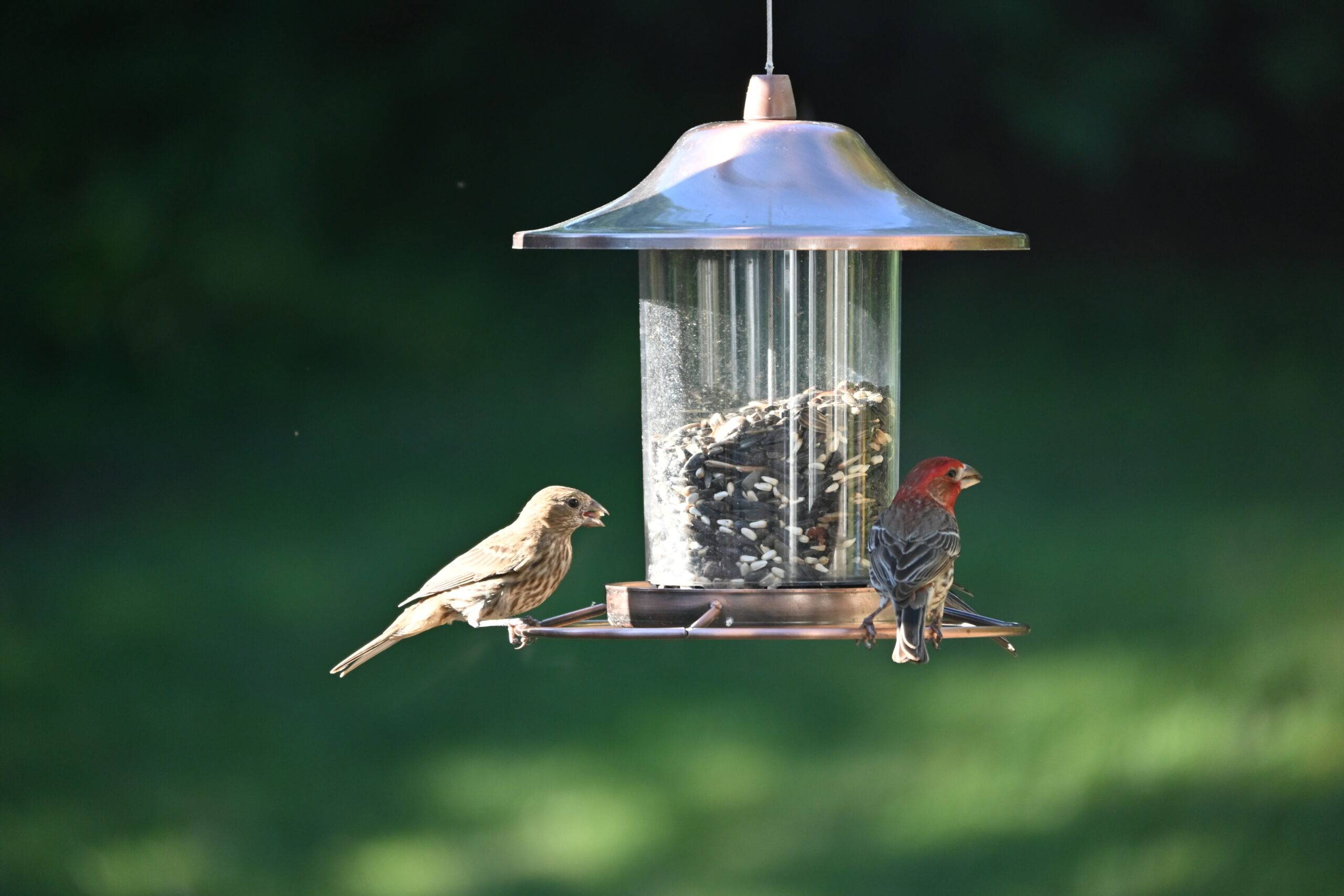
Select feeders made of materials that are visible to birds. Transparent feeders can confuse birds and cause crashes. Opt for feeders with bright colors or patterns. Feeders with built-in guards reduce bird collisions with windows.
- Use feeders with a mesh or wire design for better visibility.
- Choose models that discourage aggressive bird behavior.
- Pick feeders with easy-to-clean parts to prevent disease.
Safe feeders attract more birds and protect their health. Avoid feeders with shiny surfaces that reflect windows.
Mounting Options Near Windows
Mount feeders at the right distance from windows. Too close can cause birds to hit the glass. Too far makes birds less visible for watching. Ideal distance is 3 to 6 feet from the window.
- Suction cups allow mounting directly on windows but use with caution.
- Use poles or brackets to hold feeders near windows safely.
- Place feeders where natural barriers like bushes reduce flight speed.
Mount feeders securely to prevent swinging in the wind. Stable feeders keep birds safe and comfortable while feeding.

Credit: www.amazon.ca
Monitoring And Adjusting Feeder Placement
Setting up your bird feeder near a window is just the beginning. To ensure birds visit safely and often, you need to keep an eye on how they interact with your setup. Monitoring and adjusting feeder placement helps you create a comfortable space for birds and protect your windows from collisions.
Observing Bird Activity
Watch how birds behave around your feeder throughout the day. Are they landing easily, or do they hesitate near the window? Notice if they fly directly into the glass or seem nervous about the location.
Pay attention to the times when birds are most active. This can help you understand if the feeder is placed too close or too far from the window. Also, look for signs of stress or injury, which may indicate that the feeder needs moving.
Making Necessary Changes
If you spot birds colliding with the window, try moving the feeder either closer than 3 feet or farther than 30 feet away. Both distances reduce the chance of injury because birds either don’t build enough speed to hurt themselves or can clearly see the glass.
Consider adding window decals or screens if moving the feeder isn’t an option. These visual markers help birds recognize the glass. Adjust feeder height as well—sometimes raising or lowering it can improve visibility and comfort for your feathered visitors.
Have you noticed your bird feeder attracting certain species more after a move? Small changes can make a big difference. Keep tweaking placement and observe the results to find the perfect spot for your window feeder.
Frequently Asked Questions
How Far Should Bird Feeder Be From Window?
A bird feeder should be placed 3 feet or closer to a window. This distance prevents birds from gaining speed if they accidentally fly towards the window. Alternatively, place the feeder more than 30 feet away to reduce collision risk.
Can Bird Feeders Attract Birds To Windows?
Yes, bird feeders can attract birds to windows, especially if placed too close. Position feeders strategically to minimize reflections and collisions. Use window decals or screens to make windows visible to birds, reducing the likelihood of accidents.
What Is The Best Height For A Bird Feeder?
Place bird feeders at about eye level or slightly higher, around 5-6 feet off the ground. This height deters predators and provides easy access for birds. Ensure the feeder is stable and safe from strong winds and other environmental factors.
How To Prevent Birds From Hitting Windows?
To prevent birds from hitting windows, use decals, screens, or films on the glass. These make the window visible to birds. Position feeders either very close (under 3 feet) or far (over 30 feet) from windows to minimize collision risk.
Conclusion
Placing your bird feeder at the right distance from the window keeps birds safe. Too close can cause collisions. Too far makes birds harder to see and enjoy. Aim for about three feet or more to protect birds and enjoy watching them.
This simple step helps create a safe, happy space for wildlife near your home. Keep your feeder in a spot where birds feel safe and you get the best view. Small changes make a big difference for birds and your birdwatching fun.