
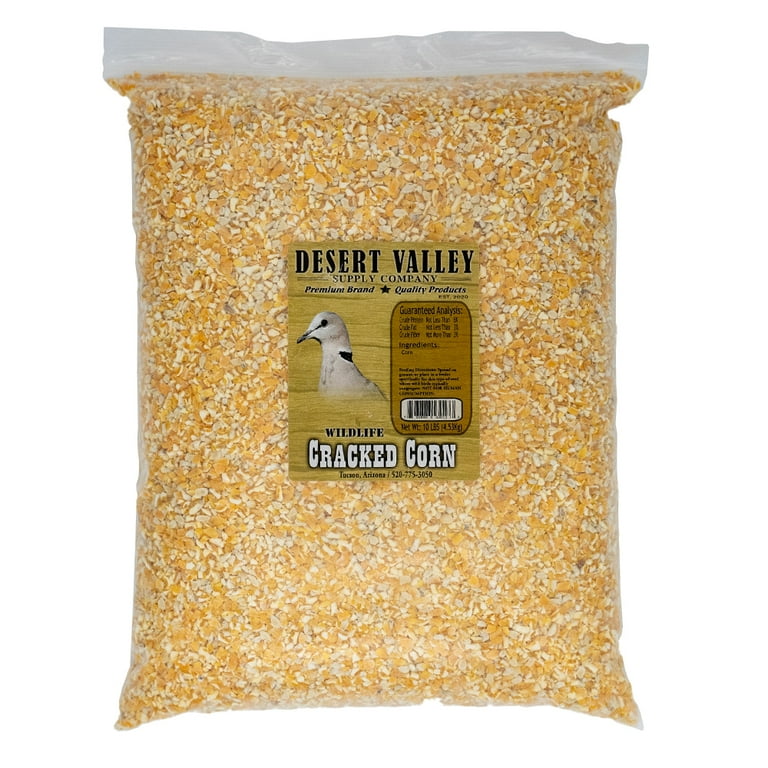
Have you ever wondered if cracked corn is a good snack for the wild birds visiting your yard? You want to help them stay healthy and happy, but feeding the wrong food can do more harm than good.
Understanding what cracked corn offers and whether it suits your feathered friends is key. Keep reading to discover the truth about cracked corn and how it can affect the wild birds you care about. This simple knowledge could make a big difference in your backyard birdwatching experience.
Types Of Wild Birds That Eat Corn
Many wild birds enjoy eating cracked corn. It is a common food source for several species. Corn is easy to find and provides good energy. Different birds prefer corn in various ways. Understanding which birds eat corn helps attract them to your yard.
Songbirds That Eat Cracked Corn
Some songbirds like cracked corn for its size and taste. They peck at the pieces on the ground. Examples include:
- Cardinals
- Jays
- Doves
- Mockingbirds
Waterfowl That Enjoy Corn
Ducks and geese often eat cracked corn. Corn is a good energy source during migration. These birds usually feed in shallow water or fields.
Game Birds That Feed On Corn
Wild turkeys and quail love cracked corn. It helps them stay active and healthy. These birds scratch the ground to find kernels.
Woodpeckers And Other Birds
Woodpeckers sometimes eat cracked corn. They like it as a supplement to insects. Other birds like sparrows and finches may also nibble on corn.
Nutritional Value Of Cracked Corn
Cracked corn offers a simple and affordable food option for wild birds. Understanding its nutritional value helps you decide if it’s a good choice for your backyard visitors. Let’s look at what cracked corn provides to wild birds and how it fits into their diet.
Nutritional Content Of Cracked Corn
Cracked corn is primarily a source of carbohydrates, giving birds a quick energy boost. It also contains moderate amounts of protein and minimal fat.
| Nutrient | Amount per 100g |
|---|---|
| Calories | 365 kcal |
| Carbohydrates | 74g |
| Protein | 9g |
| Fat | 4.7g |
| Fiber | 7.3g |
Why Energy Content Matters
Birds expend a lot of energy searching for food and staying warm. High carbohydrate content in cracked corn gives them the fuel they need to stay active. Especially during cold seasons, energy-packed foods help birds survive harsh weather.
Protein And Its Role In Bird Health
While cracked corn has some protein, it’s not enough to support growth or feather repair alone. Birds that rely solely on cracked corn may miss out on essential amino acids. Combining cracked corn with protein-rich seeds like sunflower or peanuts ensures a balanced diet.
Vitamins And Minerals In Cracked Corn
Cracked corn contains small amounts of important minerals like magnesium, phosphorus, and potassium. However, it lacks many vitamins birds need for overall health. Feeding cracked corn alongside other nutrient-rich foods helps cover these gaps.
How To Use Cracked Corn Effectively
Have you noticed birds eagerly pecking at cracked corn but ignoring other foods? Try mixing cracked corn with seeds and grains to create a more appealing and nutritious mix. This encourages birds to get a variety of nutrients without relying on cracked corn alone.
Benefits Of Feeding Cracked Corn
Feeding cracked corn to wild birds offers several benefits. It provides an easy-to-digest food source that many bird species enjoy. The coarse texture of cracked corn helps birds build strong beaks. It also attracts a wide variety of birds to your feeder or backyard.
Cracked corn is rich in carbohydrates, giving birds a quick energy boost. It helps them stay active, especially during colder months. This food is affordable and widely available, making it a popular choice for bird enthusiasts.
Supports Diverse Bird Species
Many birds like doves, quails, pigeons, and sparrows prefer cracked corn. It suits both ground feeders and seed eaters. Offering cracked corn encourages more bird species to visit your yard.
Easy To Store And Use
Cracked corn stores well in dry places. It does not spoil quickly and is simple to handle. You can scatter it on the ground or use it in bird feeders.
Provides Essential Nutrients
Cracked corn contains carbohydrates, proteins, and small amounts of fat. These nutrients help birds maintain strength and health. Feeding cracked corn supports their natural diet.
Cost-effective Food Option
Cracked corn is inexpensive compared to many bird seeds. It allows feeding many birds without spending much money. This makes it ideal for frequent feeding.

Credit: www.amazon.com
Potential Risks For Wild Birds
Feeding cracked corn to wild birds may seem harmless, but it carries some risks. Birds have delicate digestive systems that can react poorly to improper foods. Also, cracked corn can invite animals that cause trouble. Contamination and mold growth on stored corn pose further dangers. Understanding these risks helps protect wild birds and maintain a safe feeding environment.
Digestive Issues
Wild birds need a balanced diet to stay healthy. Cracked corn is hard for some birds to digest. It can cause stomach upset or blockages. Young or small birds often struggle with cracked corn. Feeding too much corn might reduce their appetite for nutritious foods. This can lead to malnutrition over time.
Attracting Unwanted Wildlife
Cracked corn can attract more than just birds. Raccoons, rats, and other pests may come for the easy meal. These animals can spread diseases and damage feeders. They may also scare away smaller birds. This disrupts the natural balance at your feeding spot.
Mold And Contamination
Stored cracked corn can develop mold if not kept dry. Moldy corn is toxic and harmful to birds. It can cause severe illness or death. Dirt and bacteria can also contaminate corn left outside. Feeding contaminated corn spreads disease among wild birds. Always check corn for freshness before offering it.
Safe Feeding Practices
Feeding cracked corn to wild birds can be enjoyable and helpful. Safe feeding practices protect birds and keep your feeding area clean. Following simple rules helps prevent disease and waste. These tips ensure a healthy environment for your feathered friends.
Proper Storage
Store cracked corn in a dry, cool place. Use airtight containers to keep moisture out. Moisture can cause mold, which is harmful to birds. Check the corn regularly for signs of spoilage. Discard any corn that looks damp or smells bad.
Feeding Amounts
Offer small amounts of cracked corn at a time. Birds eat what they need and avoid leftovers. Too much corn can attract pests and rodents. Adjust feeding based on bird activity and weather conditions. Remove uneaten corn after a day to keep the area clean.
Feeding Locations
Place cracked corn in open, safe spots away from predators. Avoid feeding near windows to prevent bird collisions. Use sturdy feeders or spread corn on the ground. Keep feeding areas clean by removing debris regularly. This reduces the risk of disease and keeps birds healthy.

Credit: www.amazon.com
Alternatives To Cracked Corn
Cracked corn is a popular choice for feeding wild birds. Still, some birds may not prefer it or it might attract unwanted animals. Exploring other food options can keep your bird visitors happy and healthy. These alternatives can also support a wider variety of bird species in your area.
Sunflower Seeds
Sunflower seeds attract many types of birds. Black oil sunflower seeds have thin shells. Birds can easily eat them and get good nutrition. They also attract cardinals, chickadees, and finches.
Millet
Millet is a favorite among ground-feeding birds. It is small and easy to eat. Sparrows, doves, and juncos enjoy millet a lot. It works well in mixed birdseed blends.
Safflower Seeds
Safflower seeds are good for birds that dislike sunflower seeds. Cardinals and grosbeaks prefer safflower. Squirrels often avoid it, so it reduces unwanted visitors.
Suet Cakes
Suet cakes provide energy and fat, especially in winter. Woodpeckers, nuthatches, and titmice love suet. You can buy or make your own suet cakes at home.
Peanuts
Peanuts are rich in protein and fat. Many birds enjoy them, like jays and woodpeckers. Use unsalted and shelled peanuts for safety.

Credit: www.amazon.com
Frequently Asked Questions
Can Wild Birds Safely Eat Cracked Corn?
Yes, wild birds can safely eat cracked corn. It is a nutritious and energy-rich food. However, it should be offered in moderation to prevent over-reliance and nutritional imbalance.
Which Wild Birds Prefer Cracked Corn?
Birds like pigeons, doves, sparrows, and quail prefer cracked corn. It attracts ground-feeding species and provides them with a filling food source.
How Should Cracked Corn Be Offered To Wild Birds?
Offer cracked corn on the ground or in platform feeders. Ensure it stays dry and fresh to avoid mold, which can harm birds.
Is Cracked Corn Good For All Wild Bird Species?
Cracked corn is suitable for many ground-feeding birds but not all. Smaller seed-eating birds may struggle to eat it due to its size.
Conclusion
Feeding wild birds cracked corn offers a simple food option. Birds enjoy it, especially in cold months. It provides energy and nutrients. Remember to balance it with other seeds. A variety attracts more bird species. Keep feeding areas clean to prevent disease.
Fresh water is also essential for birds. This supports their health and well-being. Observe which birds visit and adjust food accordingly. Enjoy watching them thrive in your backyard. Feeding birds can be a rewarding hobby. It connects you with nature daily.