
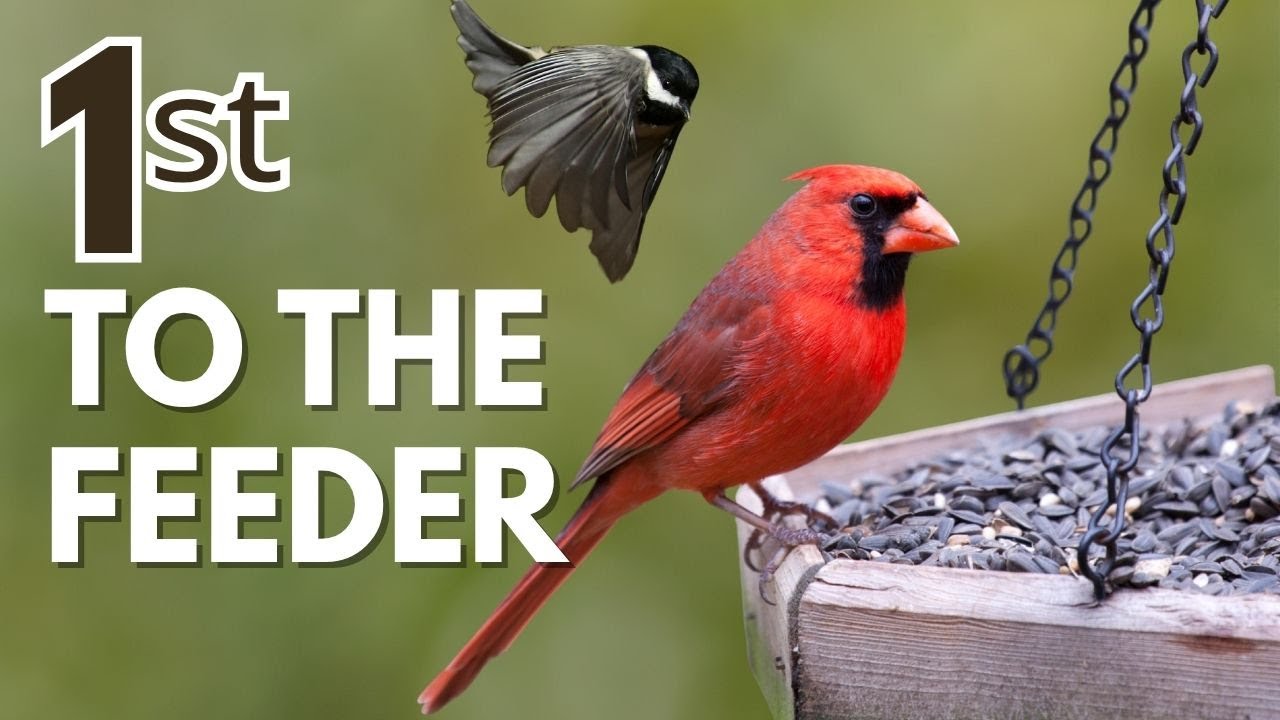
If you live in an apartment and love watching birds, you might think attracting them is hard. But it doesn’t have to be.
You can turn your balcony or window into a lively bird hotspot with just a few simple steps. Imagine waking up to colorful birds visiting your feeder every day. This guide will show you exactly how to make that happen.
Keep reading, and you’ll discover easy tips to bring nature right to your doorstep. Your feathered friends are closer than you think!
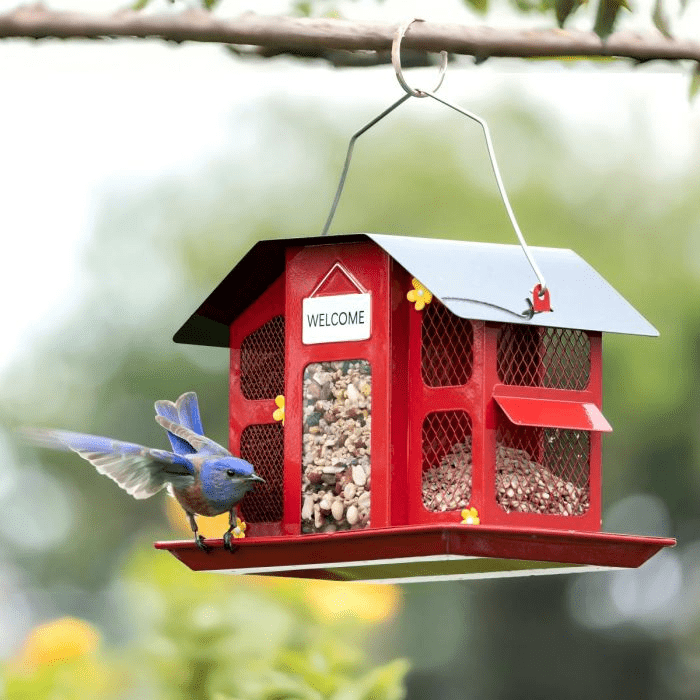
Credit: www.kingsyard.com
Choosing The Right Feeder
Choosing the right feeder is crucial to attracting a variety of birds to your apartment balcony or window. The feeder you pick affects which birds visit and how often. It also impacts how easy it is to keep the feeder clean and full, which birds appreciate more than you might think.
Types Of Bird Feeders
You have several options when it comes to bird feeders, each suited to different types of birds and seeds.
- Tube Feeders:These are long and cylindrical, perfect for small songbirds like finches and chickadees. They usually have multiple feeding ports.
- Squirrel-Proof Feeders:Designed with mechanisms to keep squirrels away, these feeders help ensure birds get the food without competition.
- Platform Feeders:Flat and open, these attract a wide range of birds including larger species like doves and cardinals.
- Suet Feeders:Ideal for woodpeckers and nuthatches, these feeders hold high-energy suet cakes.
Think about the birds you want to attract and match the feeder type to their preferences.
Materials And Durability
Feeders come in plastic, metal, and wood. Each material has its pros and cons.
- Plastic feedersare lightweight and often inexpensive but can crack or fade in sunlight.
- Metal feederslast longer and resist chewing by squirrels, but they can heat up quickly in direct sun.
- Wooden feedersblend naturally into your space but require maintenance to prevent mold and decay.
I once chose a metal feeder for my balcony and found it very durable despite harsh weather. Consider your local climate and how much time you’ll spend cleaning or repairing when making your choice.
Placement Tips
Where you put your feeder can make or break your bird-watching experience.
- Place feeders near natural cover like shrubs or trees, so birds feel safe from predators.
- Avoid placing feeders too close to windows to prevent bird collisions.
- Keep feeders at a height that’s easy for you to refill but out of reach of pets or pests.
- Try different spots if you don’t get many visitors at first; birds may prefer certain views or shelter.
Have you noticed how birds behave differently around your feeder depending on where it’s placed? Adjusting placement based on their activity can increase your chances of frequent visits.

Credit: www.reddit.com
Selecting Bird-friendly Seeds
Selecting the right seeds is key to attracting a variety of birds to your apartment feeder. Birds have different tastes and preferences. Providing the right seeds ensures more visitors and happy birds around your home. Quality seeds also support their health and energy during feeding.
Popular Seeds For Different Birds
Different birds prefer different seeds. Choose seeds based on the birds you want to attract.
- Sunflower seeds:Loved by cardinals, chickadees, and finches. Black oil sunflower seeds are the best choice.
- Millet:Small birds like sparrows, juncos, and doves enjoy white proso millet.
- Nyjer (thistle) seeds:Attracts finches such as goldfinches and siskins.
- Safflower seeds:Cardinals and grosbeaks prefer these and squirrels often avoid them.
- Peanuts:Great for jays, woodpeckers, and titmice. Use unsalted, shelled peanuts.
Avoiding Harmful Ingredients
Not all seeds are safe for birds. Avoid seeds with fillers and additives.
- Stay away from seeds with red dye or artificial colors.
- Discard seeds mixed with cracked corn or wheat, as many birds avoid them.
- Never use salted or flavored seeds.
- Avoid moldy or old seeds that can harm birds’ health.
- Choose fresh, clean seeds to attract and protect birds.
Creating A Safe Environment
Creating a safe environment is key to attracting birds to your apartment feeder. Birds need a place where they feel secure from threats. A safe spot encourages them to visit often and stay longer. Simple steps can make your feeder a bird-friendly haven.
Avoiding Predators
Keep feeders away from areas where cats or other predators hide. Avoid placing feeders too close to bushes or ledges. Birds need clear spaces to spot danger quickly. Use metal poles or baffles to stop climbing predators. Watch for signs of hawks or other birds of prey. Changing feeder locations can also help reduce risks.
Keeping Feeders Clean
Dirty feeders can spread disease among birds. Clean your feeders every two weeks with warm soapy water. Rinse well to remove soap residue. Let feeders dry completely before refilling. Remove old or moldy seeds daily. A clean feeder keeps birds healthy and coming back for more.
Adding Water Sources
Adding water sources near your bird feeder apartment invites birds to stay longer. Birds need water to drink and bathe. Water helps birds clean their feathers and cool down on hot days. A steady water supply attracts a variety of bird species. Small water features fit perfectly in apartment settings. Choose safe, easy-to-clean options for best results.
Bird Baths And Drippers
Bird baths offer shallow water where birds can splash and drink. Place a bird bath on a balcony or near the feeder. Keep the water level low, about 1 to 2 inches deep. Drippers create small drops of water that catch birds’ attention. The gentle sound of dripping water attracts birds from a distance. Both options add movement and sound, making the space lively and inviting.
Maintaining Fresh Water
Change the water daily to keep it clean and safe. Dirty water can harm birds and scare them away. Use a soft brush to scrub the bird bath weekly. Remove leaves, dirt, and algae that build up over time. In winter, consider a heated bird bath to prevent freezing. Fresh water encourages birds to return regularly.
Incorporating Plants
Incorporating plants around your bird feeder in an apartment setting creates a natural and inviting space for birds. Plants offer more than just beauty; they provide food, shelter, and protection. Carefully chosen plants can transform a small balcony or patio into a bird-friendly habitat. This encourages birds to stay longer and visit more often.
Native Plants For Shelter
Native plants suit the local climate and wildlife best. They offer natural shelter and places for birds to hide from predators. Use shrubs and small trees that grow well in your area. Evergreen plants give year-round cover. Dense foliage helps birds feel safe while resting or nesting.
- Choose plants with thick leaves or branches
- Include a mix of tall and low-growing plants
- Use plants that flower or fruit at different times
Attracting Insects For Food
Many birds feed on insects, especially during breeding season. Growing plants that attract insects gives birds a natural food source. Select flowers and herbs that produce nectar and pollen. These plants support butterflies, bees, and other small insects. A variety of plants ensures food availability throughout the year.
- Plant native wildflowers and herbs
- Avoid pesticides to keep insects safe
- Include flowering plants that bloom in spring and summer
Timing And Patience
Attracting birds to your apartment bird feeder requires more than just putting out food. Timing and patience play crucial roles in turning your little feeder into a bustling bird hangout. Understanding when to start and how long to wait can make all the difference in your birdwatching success.
Best Seasons To Start
Spring and early fall are ideal seasons to begin feeding birds at your apartment. During spring, birds are actively searching for food to fuel their energy for nesting and raising young. In fall, many birds prepare for migration and need extra nourishment.
Winter can also work if you live in a colder climate where natural food is scarce. However, be ready to maintain your feeder regularly, as snow and ice can cover seeds quickly. Avoid starting in midsummer when natural food is abundant and birds might ignore your feeder.
How Long It Takes To Attract Birds
Patience is key here. It can take anywhere from a few days to several weeks for birds to discover your feeder. Some species are quicker to visit than others; finches and sparrows often appear early, while shy or uncommon birds may take longer.
Consistency matters more than speed. Keep your feeder filled and in the same spot to build trust with the local birds. Have you noticed how birds gradually become braver as they get used to your presence? That’s the payoff for sticking with it.
Common Mistakes To Avoid
Attracting birds to your apartment feeder can be rewarding. Avoiding common mistakes helps keep birds safe and happy. Small errors can scare birds away or harm them. Focus on simple tips to create a bird-friendly space.
Overfeeding And Spoiled Seeds
Feeding birds too much can cause problems. Leftover seeds can spoil quickly in warm weather. Spoiled seeds attract pests and make birds sick. Clean feeders regularly to prevent mold and bacteria. Offer fresh seeds in small amounts daily. This keeps birds healthy and encourages return visits.
Improper Feeder Placement
Where you place your feeder matters a lot. Avoid spots too close to windows to prevent bird collisions. Choose a quiet area with some shade and shelter. Keep feeders away from places with heavy foot traffic. Position feeders near trees or bushes for birds to hide. Good placement makes birds feel safe and comfortable.

Credit: happygardens.com
Frequently Asked Questions
How Do I Choose The Best Bird Feeder For Apartments?
Select a compact, squirrel-proof feeder with multiple feeding ports. Choose one easy to clean and refill, perfect for small spaces. Opt for feeders that attract local bird species common in urban areas.
What Types Of Bird Food Attract Apartment Birds?
Use sunflower seeds, millet, and nyjer seeds to attract various birds. Avoid cheap mixed seeds with fillers. Fresh, high-quality food increases visits from colorful, healthy birds.
Where Should I Place My Bird Feeder In An Apartment?
Place feeders near windows for easy viewing but safe from predators. Ensure it’s away from busy areas to avoid scaring birds. Position it near natural cover like plants or trees if possible.
How Can I Keep Birds Safe Around My Feeder?
Clean the feeder regularly to prevent disease. Avoid placing feeders near reflective glass to reduce collisions. Use feeders with built-in guards to deter squirrels and other pests.
Conclusion
Attracting birds to your feeder apartment can be simple and fun. Use quality seeds and fresh water to invite them. Keep the feeder clean to ensure their health. Plant native flowers and trees nearby for more visitors. Be patient and watch them come.
Enjoy the beauty and songs of these feathered friends. Birds bring joy and life to your space. Share your experience with friends and family. They’ll love it too. Happy birdwatching!