
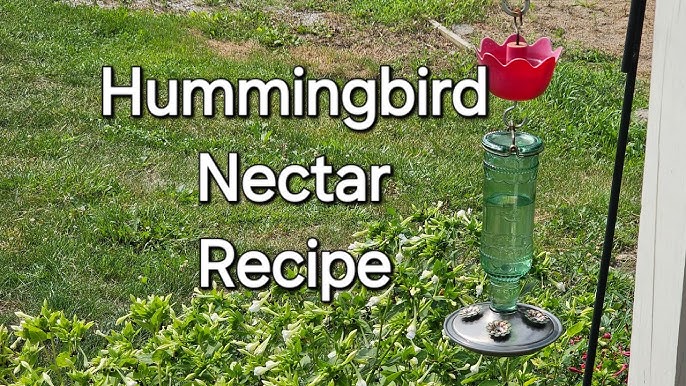
Have you ever wanted to attract colorful birds right to your backyard? Making your own nectar for a bird feeder is easier than you think—and it’s a great way to bring nature closer to you.
Imagine watching beautiful hummingbirds sip sweet nectar, adding life and color to your outdoor space. In this guide, you’ll discover simple steps to create the perfect nectar that keeps birds coming back again and again. Ready to become the favorite spot for your feathered friends?
Let’s get started!
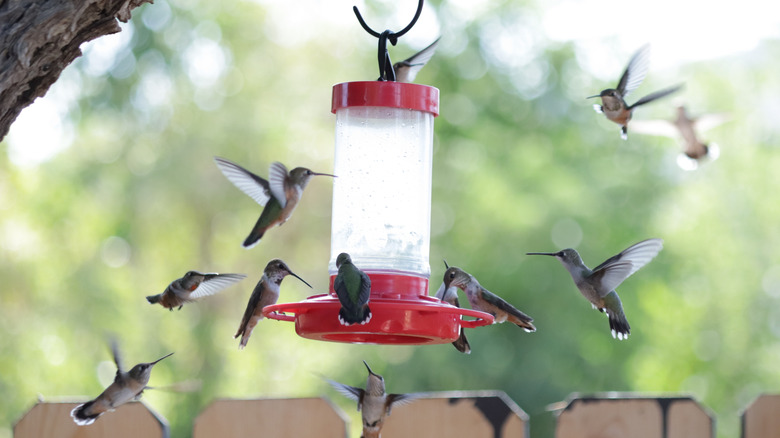
Credit: www.outdoorguide.com
Choosing The Right Ingredients
Choosing the right ingredients for your bird feeder nectar is crucial to attract healthy birds and keep them coming back. The quality of what you offer directly affects the wellbeing of your feathered visitors. Let’s break down the essentials you need to consider before mixing your nectar.
Selecting Natural Sweeteners
Natural sweeteners like white granulated sugar are the best choice for homemade bird nectar. Avoid honey, artificial sweeteners, or brown sugar, as these can harm birds or ferment quickly.
White sugar mimics the nectar found in flowers and provides the energy birds need. Have you noticed how hummingbirds prefer flower nectar? That’s because it’s simple sugar, easy for them to digest.
Water Quality Matters
The water you use can make or break your nectar. Always use clean, fresh water—preferably filtered or distilled—to avoid contaminants.
Tap water with chlorine or heavy minerals can be harmful or alter the taste, discouraging birds from feeding. What kind of water do you usually use for your nectar?
Avoiding Harmful Additives
Steer clear of any additives such as food coloring, flavorings, or preservatives. These can be toxic to birds and disrupt their natural feeding habits.
Even if a colorful nectar looks appealing to you, birds rely on natural cues. Keeping your nectar simple and pure ensures their safety and encourages consistent visits.
Simple Nectar Recipe
Creating nectar for your bird feeder is easier than you might think. A simple nectar recipe not only attracts vibrant birds but also keeps them coming back for more. Making your own nectar ensures it’s fresh and safe, without any harmful additives.
Basic Sugar And Water Mix
The foundation of nectar is just sugar and water. Use four parts water to one part white granulated sugar for a mixture that mimics natural flower nectar. Boil the water first to kill any bacteria, then stir in the sugar until it dissolves completely.
Boiling also helps the sugar blend better, creating a clear solution that birds find appealing. Avoid using honey or artificial sweeteners as they can harm birds. This simple mix works well for hummingbirds and other nectar-loving species.
Adjusting Sweetness Levels
Not all birds prefer the same sweetness. You might want to tweak the sugar ratio depending on the birds visiting your feeder. Try a slightly sweeter mix with one part sugar to three parts water if you notice fewer visitors.
On the other hand, if ants or bees become a problem, reducing sugar can help minimize unwanted guests. Experiment with small batches until you find the perfect balance that attracts your local birds without inviting pests.
Cooling And Storing Nectar
After mixing, let the nectar cool completely before pouring it into your feeder. Hot nectar can damage the feeder or burn the birds. Store any extra nectar in a clean, sealed container in the refrigerator for up to one week.
Refreshing the nectar regularly keeps it safe and tasty. Have you noticed how quickly some feeders empty? That’s a good sign your nectar recipe is a hit—just be sure to replace it before it ferments or spoils.
Enhancing Nectar For Different Birds
Enhancing nectar for different birds helps attract a wider variety to your feeder. Different bird species prefer different flavors and nutrients. Tailoring nectar recipes can improve their feeding experience and support their health. Small changes make a big difference in bird visits and enjoyment.
Adding Fruit Juices
Fruit juices add natural sweetness and vitamins to nectar. Orange, apple, and grape juices work well. Use fresh or 100% pure juices without added sugar or preservatives. Mix one part juice with four parts water for best results. This blend attracts birds like orioles and tanagers.
Using Herbal Infusions
Herbal infusions add subtle flavors and health benefits to nectar. Steep herbs like lavender, chamomile, or mint in hot water. Let cool before mixing with sugar water. These herbs can calm birds and encourage them to visit more often. Use small amounts to keep nectar safe and tasty.
Seasonal Variations
Adjust nectar recipes based on seasons to match bird needs. In spring, add extra sugar for energy during breeding. Summer nectar can include fruit juices for hydration. In winter, keep nectar simple with just sugar and water to prevent freezing. Seasonal changes keep birds healthy and happy all year.

Credit: www.yahoo.com
Safe Feeding Practices
Safe feeding practices keep birds healthy and happy. Clean nectar and feeders stop diseases. Fresh food attracts more birds and helps them thrive. Follow simple steps to protect your feathered friends.
Cleaning Bird Feeders Regularly
Wash feeders every few days with hot water. Use a mild soap or a vinegar solution. Rinse well to remove all soap. Dry completely before refilling. Clean feeders prevent bacteria and germs.
Refilling Frequency
Change nectar every two to three days. Hot weather needs more frequent refills. Old nectar spoils quickly and can harm birds. Always use fresh nectar for best results.
Preventing Mold And Fermentation
Store nectar in a cool place. Avoid leaving nectar in the sun too long. Mold grows fast in warm, moist conditions. Throw away nectar if it looks cloudy or smells sour. Clean feeders stop mold from spreading.
Attracting Birds Naturally
Attracting birds naturally to your feeder means creating a welcoming and safe space. Birds come to places where they find food, shelter, and safety. Using homemade nectar is a good start, but the environment around the feeder matters too.
Providing a natural setting helps birds feel comfortable. They stay longer and visit more often. Understanding how to place feeders and support local plants makes a big difference. Protecting birds from predators keeps them safe and encourages regular visits.
Placement Of Feeders
Place feeders in quiet areas away from heavy foot traffic. Birds prefer spots near bushes or trees for quick cover. Keep feeders about 5 feet off the ground to avoid some predators. Avoid placing feeders too close to windows to prevent collisions. A spot with partial shade helps keep nectar fresh longer.
Complementing With Native Plants
Plant native flowers and shrubs around your feeder. Native plants attract insects that birds like to eat. They also provide natural shelter and nesting places. Choose plants that bloom at different times for year-round food. Avoid exotic plants that birds may not recognize or use.
Avoiding Predators
Keep feeders away from places where cats and other predators hide. Use baffles on poles to stop climbing animals. Clear dense underbrush near feeders to reduce hiding spots. Check feeders regularly for signs of predators. Safe feeders help birds feel secure and return often.
Credit: www.youtube.com
Frequently Asked Questions
What Ingredients Are Needed To Make Bird Feeder Nectar?
To make bird feeder nectar, you need water and white granulated sugar. Avoid using honey, artificial sweeteners, or red dye. The simple recipe is four parts water to one part sugar, boiled then cooled. This mixture safely attracts hummingbirds and other nectar-feeding birds.
How Do I Prepare Nectar For A Bird Feeder?
Boil four cups of water, then stir in one cup of sugar until dissolved. Let the nectar cool completely before filling your feeder. This process ensures the sugar dissolves well and prevents harmful bacteria growth, keeping the nectar safe for birds.
How Often Should I Change The Bird Feeder Nectar?
Change the nectar every 3 to 5 days, or sooner in hot weather. This prevents fermentation and mold growth, which can harm birds. Regular cleaning of the feeder with hot water is also essential to maintain hygiene and attract healthy birds.
Can I Add Red Dye To Homemade Bird Nectar?
It’s best to avoid adding red dye to bird nectar. The bright red feeder itself attracts birds, and dye can be harmful. Natural nectar without dye is safer and just as effective at drawing hummingbirds and other nectar feeders.
Conclusion
Creating nectar for bird feeders is simple and rewarding. Birds thrive on this homemade treat, enhancing your garden’s vibrancy. Remember to maintain a clean feeder regularly. Fresh nectar attracts more birds and keeps them healthy. Adjust sugar levels based on seasonal needs.
This supports their energy during migration or breeding. Enjoy watching diverse bird species visit your garden. Happy birdwatching!