
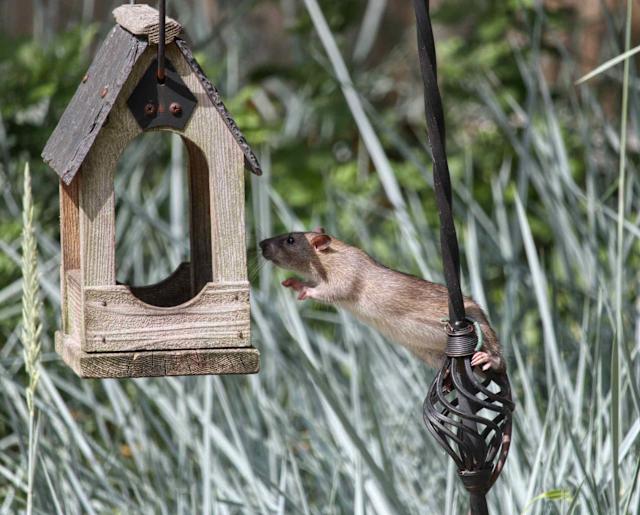
Are you worried that your neighbor’s bird feeder might be inviting unwanted visitors—like mice—into your home? It’s a common concern that many people share, especially when they notice tiny footprints or hear scratching sounds near their walls.
You might be wondering if the birdseed spilling onto the ground is turning your yard into a mouse magnet. This question matters because no one wants to deal with pests creeping around their house. Keep reading, and you’ll discover what really happens when a bird feeder is nearby, why mice might be attracted, and simple steps you can take to protect your home.
Understanding this can save you from unnecessary worry and help you keep your space safe and comfortable.
Credit: chirpforbirds.com
Bird Feeders And Mice Attraction
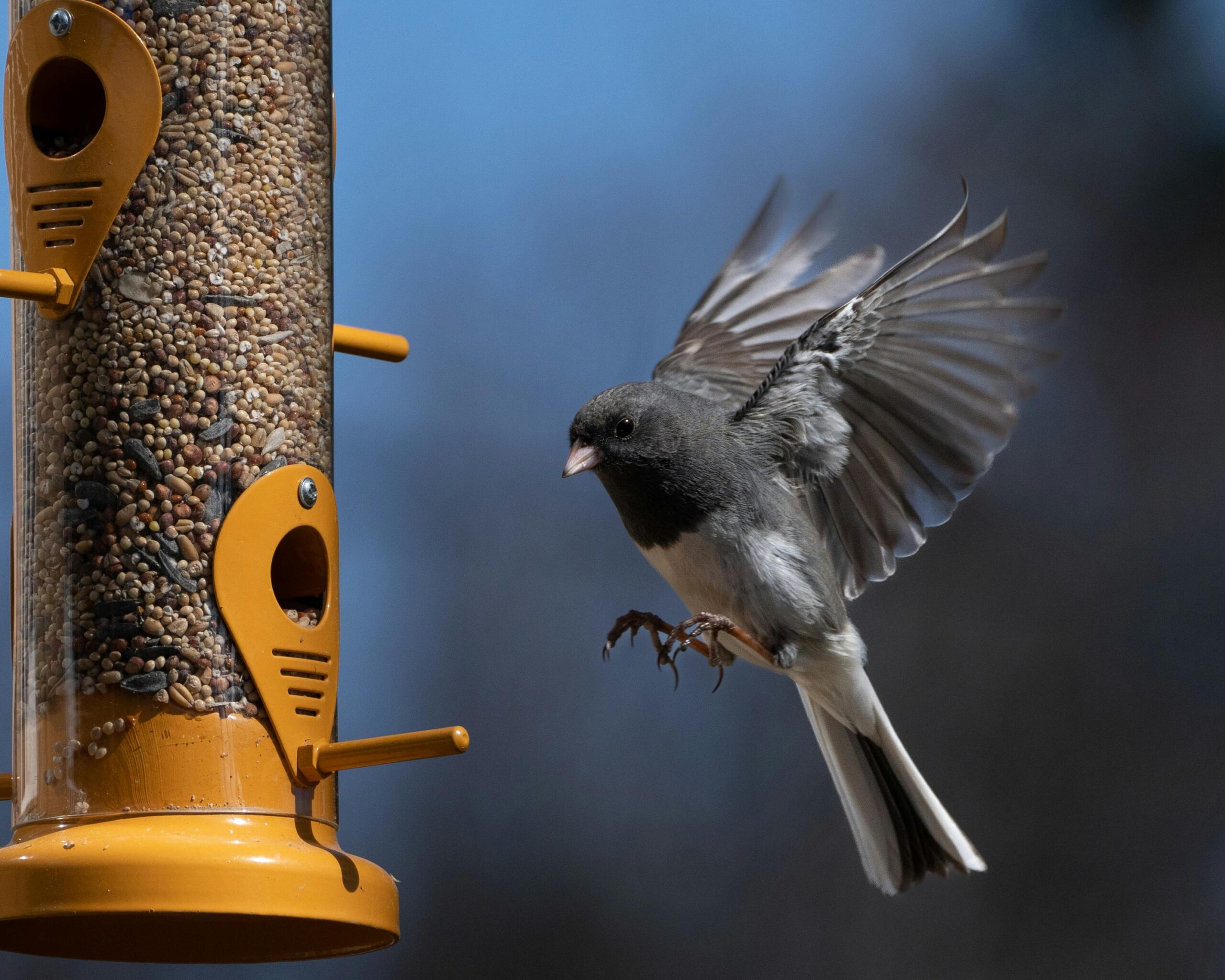
Bird feeders are a joy for many, bringing vibrant life and color to your garden. But have you ever wondered if your neighbor’s feeder might invite unwanted guests like mice to your doorstep? Understanding how bird feeders can attract rodents helps you manage the situation without giving up the pleasure of watching birds.
How Seeds Attract Rodents
Seeds are a natural food source for many animals, not just birds. When seeds spill or scatter on the ground, they create an easy meal for mice and other rodents.
Mice are particularly drawn to high-fat and high-protein seeds like sunflower and safflower. Even small amounts of leftover seed can be enough to keep a mouse population thriving near your home.
Think about the last time you noticed seed debris under a feeder—did you see any signs of rodents nearby? This simple observation can tell you a lot about the potential for mice attraction.
Common Feeding Habits Of Mice
Mice are nocturnal feeders, often coming out at night when humans are less active. They prefer to stay close to shelter, so feeders near shrubs or dense vegetation are more likely to attract them.
Unlike birds, mice tend to hoard food, dragging seeds back to their nests. This behavior means a single feeder can support several mice, increasing the risk of infestation.
Are you aware of where your neighbors place their feeders? Feeders in open areas are less attractive to mice compared to those hidden near thick bushes or piles of wood.
Types Of Feeders That Are Risky
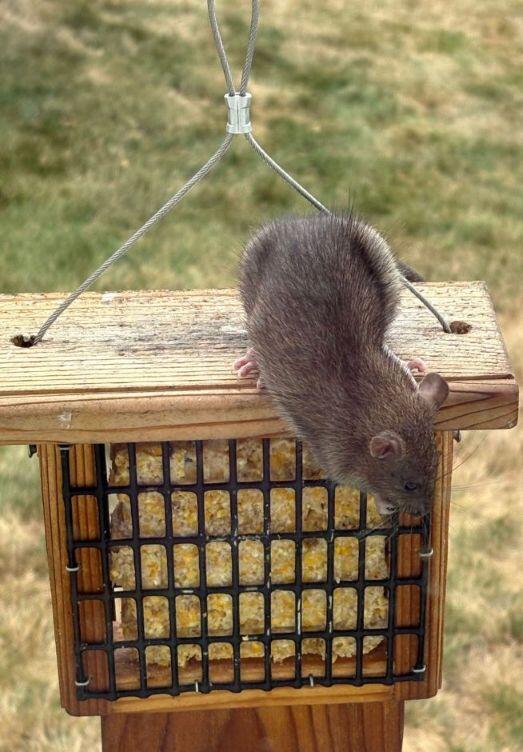
- Tray Feeders:These catch seeds and allow spillage, creating a buffet for rodents.
- Ground Feeders:Seeds on the ground are easily accessible to mice and other small animals.
- Open Tube Feeders:If seeds fall through gaps, they accumulate below, inviting rodents.
On the other hand, feeders designed to minimize seed spillage or those that hang high can reduce the chance of attracting mice. Have you tried switching feeder types or adding seed catchers to keep your area cleaner?
Credit: www.mass.gov
Signs Of Mice Near Your Home
Noticing signs of mice near your home can save you from bigger problems later. Mice are sneaky and often leave subtle clues behind. Recognizing these signs early helps you act quickly and protect your space.
Droppings And Tracks
One of the easiest signs to spot is mouse droppings. These small, dark pellets often gather near food sources or along walls. You might also find tiny footprints in dusty or muddy areas, especially near entry points.
Have you checked under your bird feeder recently? Droppings there could mean mice are visiting. Tracking powder or flour can help reveal their paths if you suspect activity but don’t see clear signs.
Noises And Nesting Spots
Do you hear scratching or scurrying sounds at night? Mice are most active in the dark, so noises inside walls or under floors are a red flag. They build nests from shredded paper, fabric, or dried plant material in hidden corners.
Look behind appliances, inside cupboards, or in attics for cozy bundles. Finding a nest means mice have settled in and could be multiplying quickly.
Damage To Property
Chewed wires, gnawed furniture edges, or holes in walls are clear signs of mice. They constantly chew to keep their teeth sharp and can cause costly damage. Food packaging torn open or missing supplies in your pantry also points to their presence.
Have you noticed strange holes near your foundation or gaps in your siding? These could be entry points mice use to get inside. Sealing these can stop them from sneaking in through your neighbor’s bird feeder leftovers.
Factors Influencing Mice Movement
Understanding what influences mice to move around your property can help you manage potential problems linked to bird feeders. Mice are opportunistic creatures that follow food and shelter, but several factors determine how close they might get to your home. Knowing these can guide you in making smart choices about feeders and keeping mice at bay.
Proximity Of Feeders To Your House
How close your neighbor’s bird feeder is to your house plays a big role in whether mice will venture near your property. If feeders are right against your walls or near entry points, it’s easier for mice to find a path indoors.
Keeping feeders a reasonable distance away can create a buffer zone that discourages mice from approaching your home. Think about how close feeders are in your area—are they within a few feet of your door or windows?
Availability Of Other Food Sources
Mice don’t rely solely on birdseed; they look for any available food. If your yard or nearby areas have open trash bins, fallen fruits, or pet food left outside, these attract mice just as much or even more than a feeder.
Reducing accessible food sources around your home lowers the chance that mice will come closer. Have you checked if there are other spots in your yard that might be unintentionally feeding mice?
Seasonal Behavior Changes
Mice change their behavior depending on the season. During colder months, they seek warmth and steady food supplies, which can increase their movement toward homes and feeders.
In warmer months, they tend to spread out more and may not rely as heavily on feeders. Knowing this can help you adjust how you manage bird feeding throughout the year to minimize unwanted visitors.
Preventing Mice Problems
Bird feeders can attract more than just birds. Seeds that fall to the ground may lure mice. Preventing mice problems keeps your home safe and clean. Simple steps help reduce the chance of mice visiting your house.
Proper Feeder Maintenance
Keep feeders clean to avoid leftover seeds. Regularly sweep up spilled seeds under the feeder. Use feeders that limit seed spillage. Empty and clean feeders often to stop mold and pests. Store extra birdseed in sealed containers.
Sealing Entry Points
Check your home for small holes or cracks. Mice can enter through openings as small as a dime. Seal gaps around doors, windows, and pipes. Use steel wool and caulk to block entry points. Keep doors and windows closed tightly at night.
Natural Deterrents
Plant mint or lavender near your home’s foundation. These plants repel mice with their strong smell. Use peppermint oil on cotton balls and place them near entry points. Avoid chemicals that harm pets or birds. Encourage natural predators like owls and snakes in your yard.
Communicating With Your Neighbors
Talking with your neighbors about their bird feeder is key. It helps prevent misunderstandings and keeps the neighborhood safe from pests. Open communication creates trust and shows you care about the shared environment.
Approach conversations calmly. Focus on solving problems together. This can lead to better results than blaming or complaining.
Sharing Concerns Respectfully
Start by expressing your concerns clearly and kindly. Use “I” statements like “I have noticed mice near my house.” This keeps the talk friendly and less confrontational.
Avoid accusing your neighbor. Listen to their side of the story. They might not know about the issue.
Collaborative Solutions
Work with your neighbor to find ways to reduce mice. Suggest options like cleaning spilled birdseed or using feeders with trays. Small changes can make a big difference.
Offer to help or share ideas. This shows teamwork and goodwill. Together, you can keep both yards clean and safe.
Community Pest Control Efforts
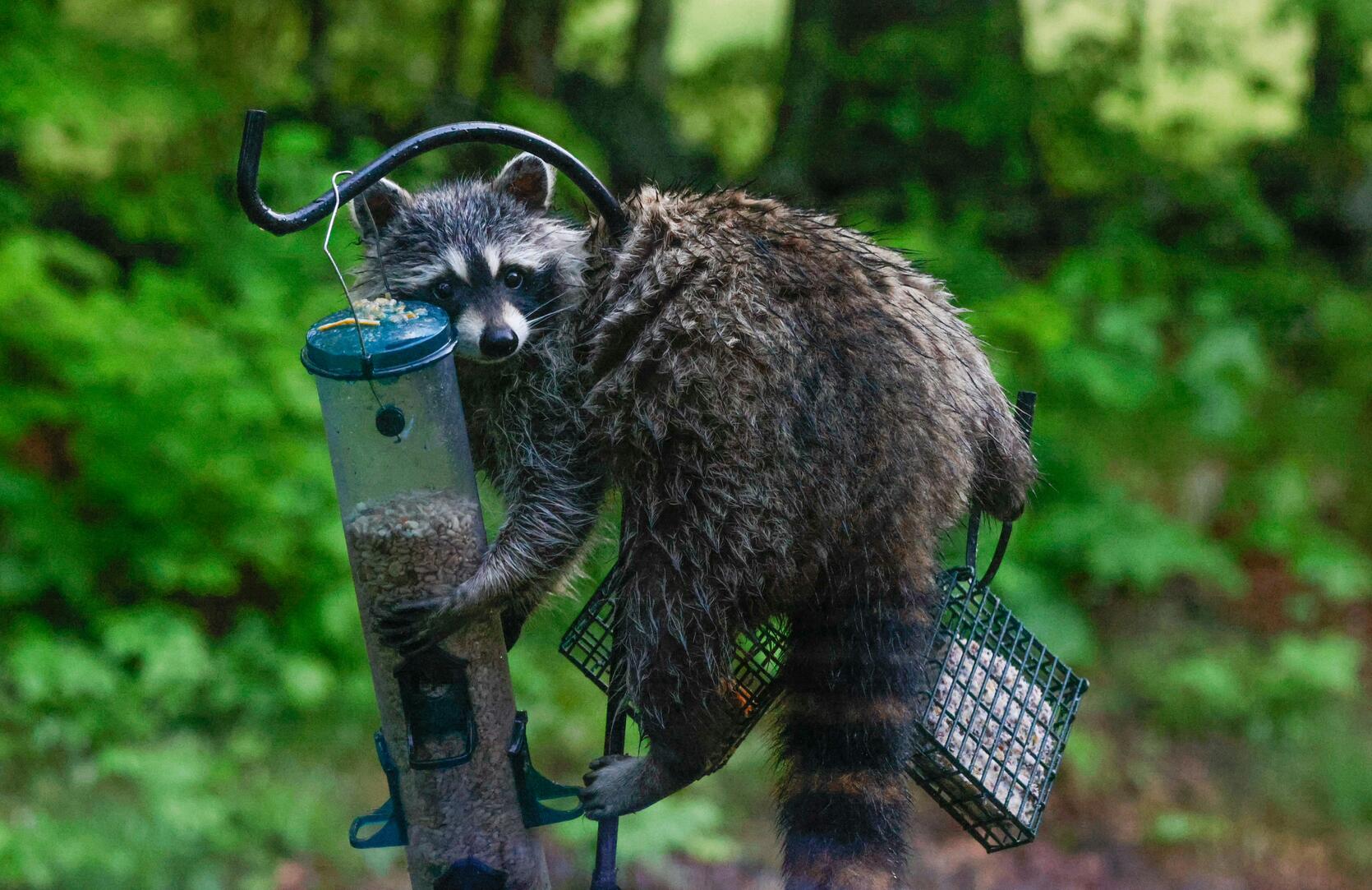
Consider involving more neighbors in pest control talks. Mice problems often affect whole blocks, not just one house. A group effort can lead to better prevention.
Organize neighborhood cleanups or share tips on pest-proofing. This builds a stronger, healthier community for everyone.
Credit: www.mass.gov
Frequently Asked Questions
Can Bird Feeders Attract Mice To Nearby Homes?
Yes, bird feeders can attract mice because spilled seeds provide easy food. Mice follow the scent and may approach homes looking for more food.
How To Prevent Mice From Coming Near Bird Feeders?
Keep feeders clean and pick up spilled seeds regularly. Use squirrel-proof feeders and place feeders away from your house to reduce mouse attraction.
Do All Bird Seed Types Attract Mice Equally?
No, some seeds like sunflower seeds attract mice more. Smaller seeds and mixes with grains are more likely to draw mice to feeders.
Can Mice Damage My House If Attracted By Feeders?
Yes, mice can enter homes seeking shelter and food. They may chew wires, insulation, and contaminate areas, causing damage and health risks.
Conclusion
Bird feeders can attract mice, but simple steps can help. Clean up fallen seeds regularly to deter rodents. Secure your garbage bins properly. Consider using rodent-proof feeders. Keeping your yard tidy reduces mouse habitats. If mice persist, consult a pest control expert.
Enjoy birdwatching without worry. Your vigilance keeps unwanted guests away. Remember, balance nature with household safety. Taking small precautions can prevent big problems. Stay proactive and enjoy the wildlife.