
If you’ve ever found a baby bird and want to help it survive, one big question probably pops into your mind: How many times should you feed a baby bird? Knowing the right feeding schedule is crucial.
Feed too little, and the baby might not get enough nutrition. Feed too much, and you could harm it without realizing. You’ll discover simple, clear answers to keep your little feathered friend healthy and strong. Keep reading to learn exactly what your baby bird needs and how often you should feed it.
Credit: pethelpful.com
Feeding Frequency By Age
Knowing how often to feed a baby bird depends heavily on its age. Each stage of growth demands a different feeding schedule to ensure proper development and health. Paying close attention to these changes can make a significant difference in your bird’s survival and well-being.
Newly Hatched Birds
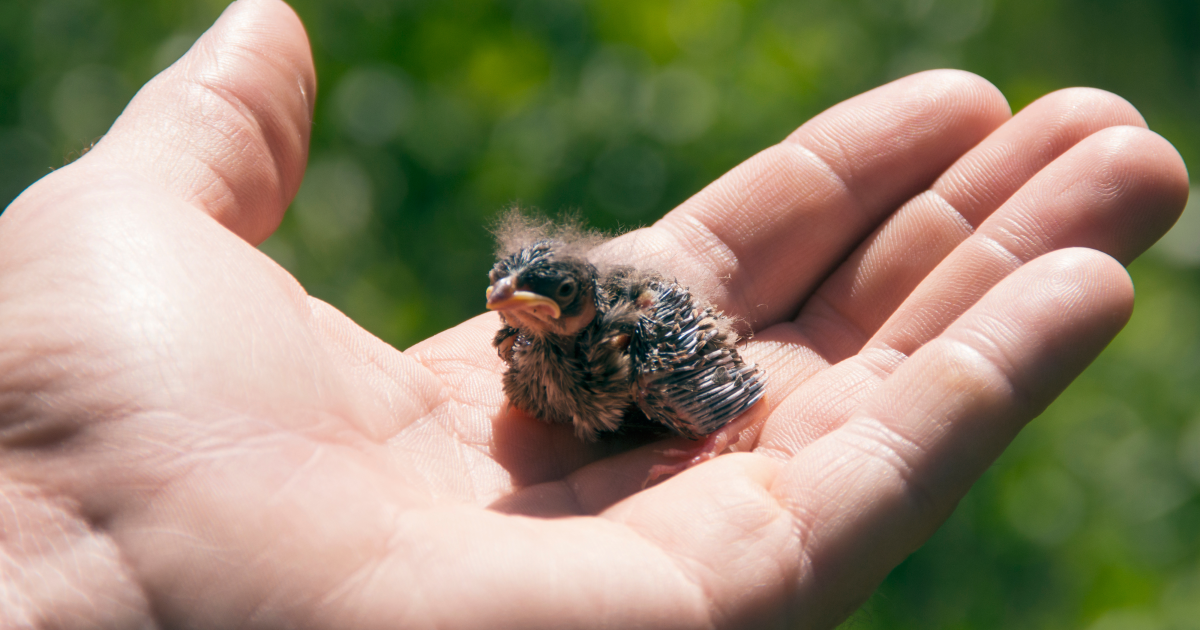
Newly hatched birds need constant care and frequent feeding. You might find yourself feeding them every 15 to 20 minutes from dawn until dusk. Their tiny bodies require frequent nourishment because they have no fat reserves and burn energy quickly.
At this stage, offering small amounts of food often is better than giving large meals. This prevents choking and helps the bird digest the food properly. Have you noticed how delicate their mouths are? That’s why gentle, frequent feedings are key.
Nestlings
As the bird grows into a nestling, its feeding frequency changes. You can gradually extend the time between feedings to every 30 to 45 minutes. Nestlings still depend on you but start to handle larger meals.
Offering a bit more food each time helps them build strength. You may observe their begging behavior decrease as they become more efficient at feeding. Have you considered how this stage prepares them for independence?
Fledglings
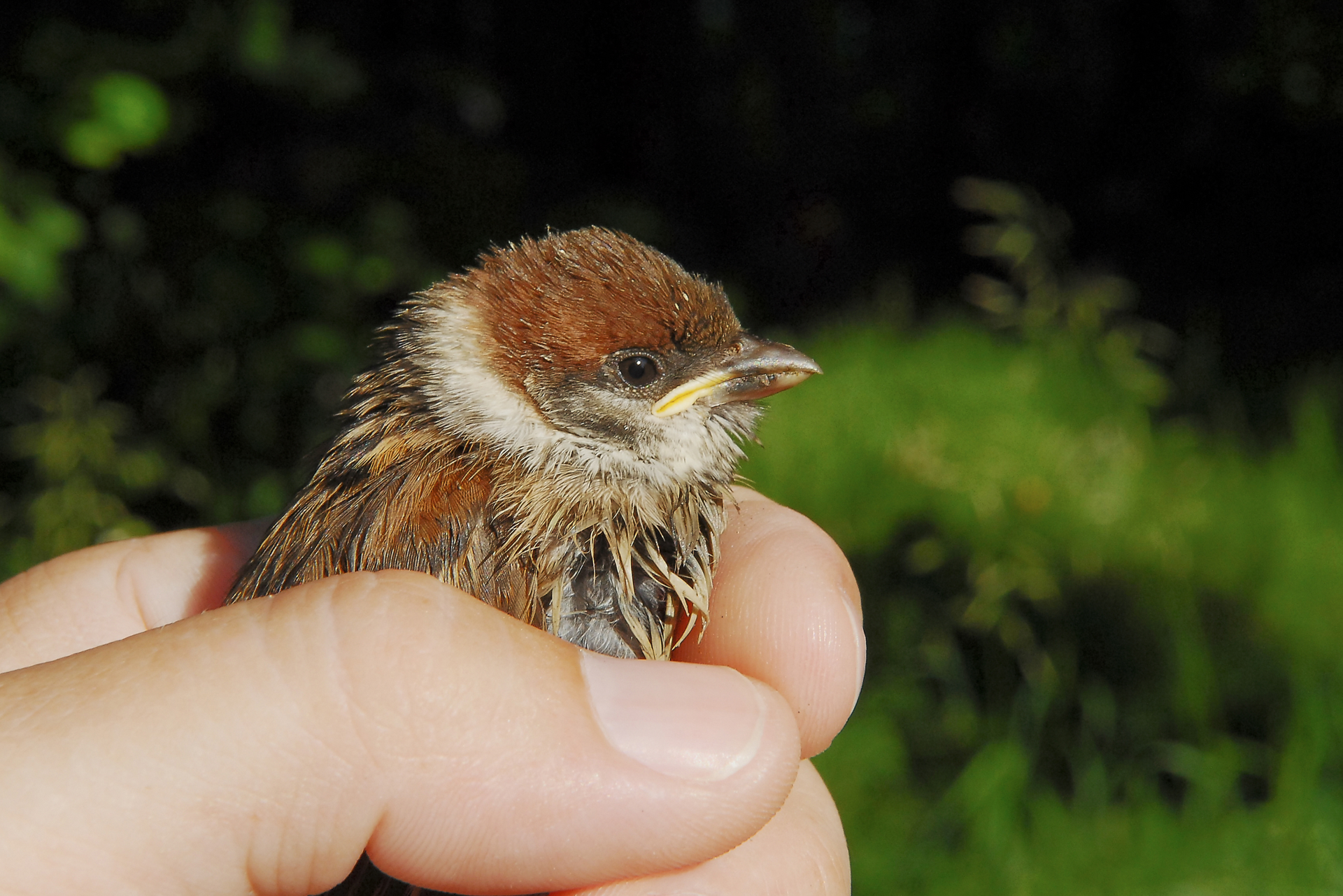
Fledglings require fewer feedings compared to earlier stages. Feeding them every 1 to 2 hours is usually enough during daylight. At this point, they begin to explore and practice feeding themselves.
Your role shifts to encouraging self-feeding while still providing support. You might notice they sometimes refuse food as they test their abilities. How do you balance giving them freedom while ensuring they get enough nutrition?
Credit: pethelpful.com
Signs Your Baby Bird Is Hungry
Recognizing when your baby bird is hungry is crucial for its survival and growth. Birds can’t tell you they need food, so you must watch closely for signs. Knowing these signs helps you feed the right amount at the right time, preventing overfeeding or underfeeding.
Behavioral Cues
Baby birds often show clear behaviors when they want to eat. You might notice them opening their mouths wide and repeatedly calling out. This begging behavior is their way of saying, “I’m hungry!”
They may also stretch their necks upward and flap their wings slightly to get your attention. If you see your baby bird becoming restless or moving around more than usual, it could mean it’s time to feed. Have you seen these signs before and wondered if it was really hunger?
Physical Indicators
Physical signs can also tell you if your baby bird needs feeding. Look for a flattened crop—this is a small pouch near the bird’s throat that stores food. If the crop feels empty or soft, the baby bird is likely hungry.
Another sign is the bird’s weight. If your baby bird feels lighter than usual, it may need more food. Keep an eye on its overall energy levels too; a hungry bird often appears weak or lethargic. Have you checked your bird’s crop recently to ensure it’s not empty?
Choosing The Right Food
Choosing the right food for a baby bird is vital for its healthy growth. Baby birds have specific dietary needs that differ from adult birds. Proper nutrition supports their development and immune system. Feeding the wrong food can cause health problems or slow growth. Understanding the best food options helps ensure the baby bird thrives.
Commercial Formulas
Commercial baby bird formulas are made to meet the nutritional needs of young birds. These formulas contain a balance of proteins, vitamins, and minerals. They come in powder or paste form. Mixing with water creates a smooth food that is easy to feed. Commercial formulas reduce the risk of nutrient deficiency. They also lower the chance of digestive issues. Many bird owners find these formulas reliable and convenient.
Natural Options
Natural foods can also nourish baby birds well. Soft fruits like mashed bananas or cooked apples provide energy. Insects such as mealworms offer high protein content. Soft-cooked eggs are rich in nutrients and easy to digest. Using natural options requires careful preparation to avoid choking hazards. These foods should be fresh and clean. Natural feeding can mimic the bird’s diet in the wild. It supports natural growth patterns and health.
Proper Feeding Techniques
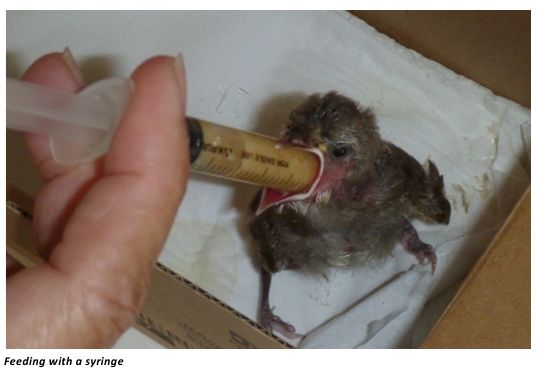
Proper feeding techniques help ensure baby birds grow healthy and strong. Feeding too fast or with the wrong tools can harm them. Gentle care and the right method are key. Feeding tools like syringes and pipettes make the process easier and safer.
Using Syringes And Pipettes
Syringes and pipettes deliver food gently into the baby bird’s mouth. They control the amount of food given with precision. Choose a syringe or pipette that fits the bird’s size.
- Fill the syringe or pipette with the prepared formula.
- Hold the baby bird securely but gently.
- Slowly place the tip near the mouth opening.
- Release a small amount of food at a time.
- Pause to let the bird swallow before feeding more.
Never force the syringe or pipette inside the mouth. Watch the baby bird’s cues to avoid choking. Clean the tools after each feeding to prevent infection.
Hand-feeding Tips
Hand-feeding requires patience and care. Keep the feeding area warm and calm. Use a soft cloth to hold the bird comfortably.
- Warm the formula to the correct temperature (about 100°F or 38°C).
- Use small amounts of formula per feeding to avoid overfeeding.
- Feed at regular intervals based on the bird’s age and species.
- Keep the bird’s head slightly elevated during feeding.
- Clean the bird’s beak and surrounding area after feeding.
Observe the bird for signs of fullness or stress. Stop feeding if the bird turns away or closes its mouth tightly. Proper hand-feeding builds trust and supports healthy growth.
Avoiding Common Feeding Mistakes
Feeding a baby bird requires careful attention to avoid common mistakes. These errors can harm the bird’s growth and health. Knowing the right feeding amount and frequency is crucial. Understanding the risks of overfeeding and underfeeding helps keep the baby bird safe and strong.
Overfeeding Risks
Overfeeding a baby bird can cause serious problems. The crop, a small pouch in the bird’s throat, may become too full. This leads to crop stasis, where food stops moving properly. The bird may feel uncomfortable and refuse to eat more. Overfeeding can cause vomiting and choking. Excess food also increases the risk of bacterial growth, causing infections. These issues can slow down the bird’s development.
Underfeeding Dangers
Underfeeding is just as harmful as overfeeding. A baby bird needs enough food to grow strong and healthy. Not feeding enough causes weakness and poor feather development. The bird may become lethargic and more vulnerable to illness. Starvation can happen quickly in young birds. Regular feeding with enough nutrients supports their immune system. Proper feeding frequency and portion size prevent these dangers.
Maintaining Hygiene During Feeding
Maintaining hygiene during feeding is vital for a baby bird’s health. Cleanliness helps prevent diseases and ensures safe growth. Birds have delicate immune systems. Dirt and germs can cause serious infections. Feeding tools and hands must be clean before every feeding session. Proper hygiene creates a safer feeding environment and supports strong development.
Cleaning Tools
Use warm water and mild soap to wash feeding tools. Rinse them well to remove soap residue. Sterilize bottles, syringes, or spoons after each use. Air dry tools on a clean towel. Avoid sharing feeding tools between different birds. Replace worn or damaged tools regularly. Clean tools reduce the risk of harmful bacteria and mold.
Preventing Infections
Always wash your hands before feeding the baby bird. Use hand sanitizer if soap and water are unavailable. Avoid feeding if you feel sick or have a contagious illness. Keep the feeding area tidy and free from waste. Disinfect surfaces and cages often to lower infection risks. Watch for signs of illness in the bird. Early detection helps prevent severe health problems.
When To Seek Veterinary Help
Knowing when to seek veterinary help for a baby bird is crucial. Early attention can save the bird’s life. Watch for unusual signs or feeding difficulties. Timely care prevents serious health issues.
Signs Of Illness
- Weakness or lethargy
- Fluffed-up feathers
- Labored or noisy breathing
- Discharge from eyes or nostrils
- Unusual droppings or lack of droppings
- Refusal to eat or drink
- Visible wounds or swelling
These signs indicate the baby bird may be sick. Immediate veterinary care is necessary to diagnose and treat problems.
Feeding Challenges
- Bird refuses to open its mouth for feeding
- Choking or coughing during feeding
- Food coming out of the nostrils
- Inability to swallow properly
- Repeated regurgitation of food
These challenges can cause malnutrition or injury. A vet can provide guidance or medical treatment to ensure safe feeding.

Credit: www.youtube.com
Frequently Asked Questions
How Often Should I Feed A Baby Bird Daily?
Feed baby birds every 15 to 20 minutes during daylight hours. Young birds need frequent feeding to support fast growth and energy. Adjust frequency as they grow older, gradually reducing feedings.
What Is The Best Feeding Schedule For Baby Birds?
A consistent feeding schedule every 15-20 minutes works well for newborns. As the bird matures, increase intervals to 30-60 minutes. Always feed during daylight and avoid nighttime feedings.
Can I Feed A Baby Bird Too Often?
Yes, overfeeding can harm baby birds by causing digestive issues. Stick to recommended feeding intervals and watch for signs of distress. Proper feeding frequency ensures healthy development.
How Do Feeding Needs Change As Baby Birds Grow?
Newborns require feeding every 15-20 minutes; older nestlings need less frequent meals. Gradually space feedings to 30-60 minutes as they develop. This transition supports their growing independence.
Conclusion
Feeding baby birds requires patience and attention. Each species has its own needs. Observe the baby bird’s behavior for feeding cues. Hungry birds often chirp or gape their beaks. Offering food too frequently can harm them. Ensure the food is suitable for their age and species.
Cleanliness is crucial to prevent diseases. As the baby bird grows, adjust the feeding schedule. Consult a wildlife expert for specific guidance. With care, baby birds can grow healthy and strong. Your dedication will help them thrive. Happy birding!