
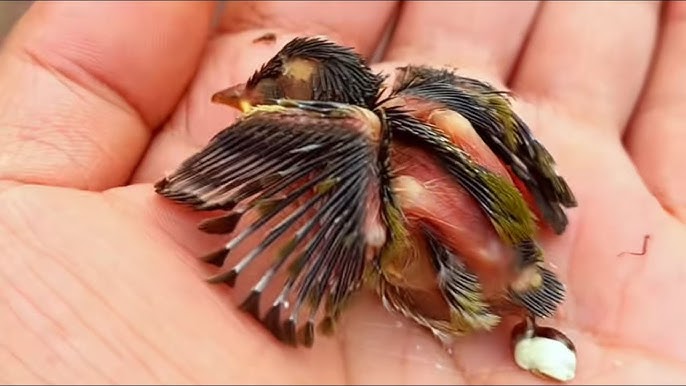
Have you ever found a tiny, helpless baby bird and wondered how to care for it? Hand feeding a baby bird might seem tricky, but with the right steps, you can give it the best chance to grow strong and healthy.
If you want to learn how to feed your little feathered friend safely and confidently, keep reading. This guide will walk you through everything you need to know, making the process simple and stress-free for both you and the bird.
Preparing For Hand Feeding
Preparing to hand feed a baby bird is a crucial phase that sets the foundation for its health and growth. You need to be ready with the right tools, environment, and knowledge before you begin. This preparation ensures the feeding process is safe and effective for the fragile little bird.
Gathering Necessary Supplies
Start by collecting all the items you’ll need to hand feed the baby bird. Essential supplies include:
- A feeding syringe or small spoon designed for baby birds
- Clean, warm water for mixing formula and cleaning
- A digital kitchen scale to monitor the bird’s weight daily
- Soft cloths or paper towels for cleanup
- A heating pad or lamp to maintain appropriate temperature
Having everything within reach prevents interruptions during feeding, which can stress the bird. Have you ever tried feeding without the right tools? It quickly becomes frustrating and unsafe for both you and the baby bird.
Setting Up A Safe Feeding Area
Find a quiet, warm space free from drafts and loud noises. Baby birds are sensitive to their surroundings and need a calm environment to feel secure. Use a small box or container lined with soft cloth to create a cozy spot.
Make sure the area is easy to clean and well-lit so you can clearly see the baby bird while feeding. A stable surface is important to avoid accidents when handling the bird. How will you ensure your feeding space stays clean and stress-free?
Choosing The Right Formula
Choosing the correct formula is essential for the baby bird’s nutrition and growth. Different species have different dietary needs, so research the bird’s species-specific formula or consult a vet. Commercial hand-feeding formulas are widely available and designed to provide balanced nutrition.
Mix the formula according to the package instructions, ensuring it is neither too thick nor too runny. The right temperature is critical; too hot or too cold can harm the bird. What steps will you take to guarantee your formula meets your baby bird’s needs perfectly?
Feeding Techniques
Feeding a baby bird by hand requires more than just offering food. Your technique matters greatly for the bird’s safety and growth. Understanding the right way to handle, feed, and schedule meals ensures the baby bird thrives under your care.
Proper Handling Of The Baby Bird
Hold the baby bird gently but firmly to avoid injury. Support its body with one hand while keeping the head steady with your fingers.
Never squeeze or hold too tightly; baby birds are fragile. Calm movements help reduce stress, making feeding easier for both of you.
Think about how your touch affects the bird’s comfort. Have you noticed how calm a bird becomes when held correctly?
Using The Feeding Syringe Or Spoon
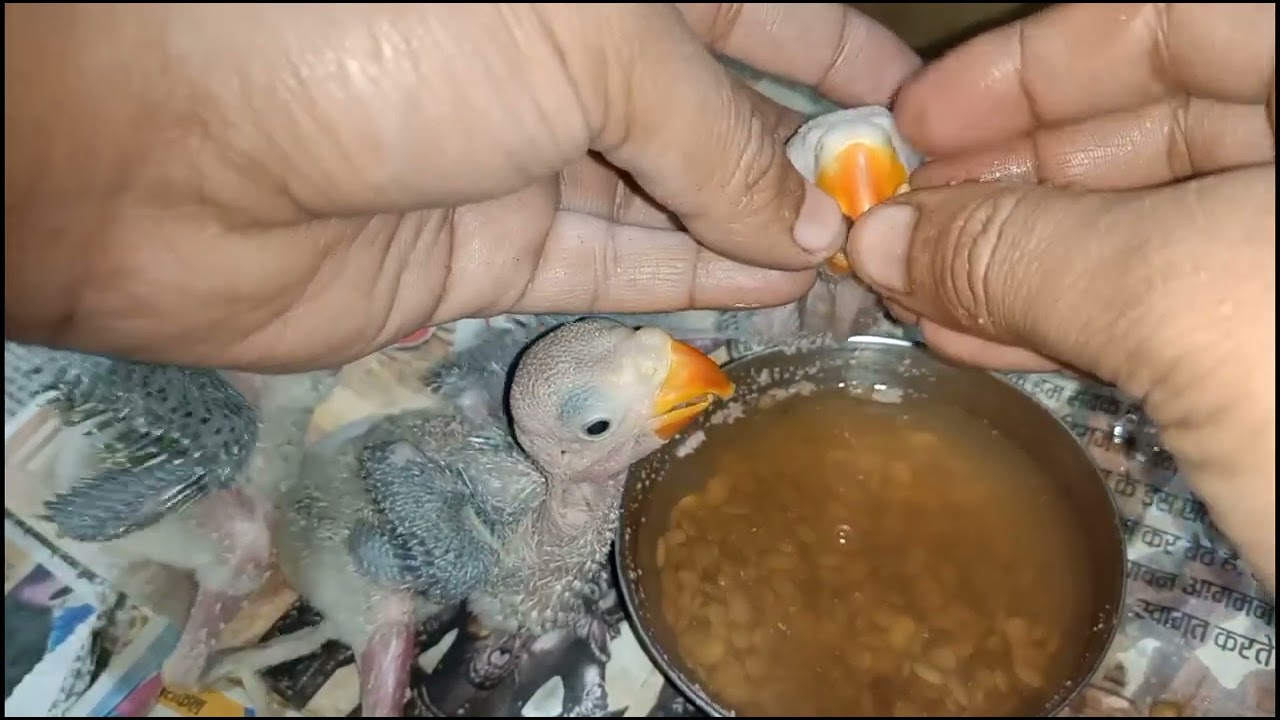
Choose a small syringe or a shallow spoon for feeding. Fill it with the prepared formula at room temperature—not too hot or cold.
Slowly place the tip near the bird’s beak and allow it to open naturally. Gently release small amounts of food, avoiding force-feeding.
Watch for swallowing cues and pause if the bird seems uncomfortable. Have you tried mimicking a parent bird’s feeding rhythm to make the process smoother?
Feeding Frequency And Amounts
Feed the baby bird frequently—usually every 2 to 3 hours during daylight. The exact amount depends on the species and age, but small, consistent meals work best.
Keep track of how much the bird eats and adjust if it seems hungry or full. Overfeeding can be as harmful as underfeeding.
Ask yourself: Is the bird gaining weight steadily? Monitoring growth helps you fine-tune feeding times and portions effectively.
Signs Of A Healthy Baby Bird
Knowing the signs of a healthy baby bird is crucial when you hand feed. It helps you adjust your care and catch problems early. Healthy chicks are more likely to grow strong and thrive under your care.
Monitoring Weight And Growth
Regularly weighing your baby bird is one of the best ways to track health. Use a small, accurate scale and note the weight daily at the same time.
A steady gain in weight usually means your feeding routine works well. If the weight stays the same or drops, you need to act quickly.
Growth isn’t just about weight. Look at feather development and body size to see if your chick is progressing normally.
Observing Behavior And Energy Levels
Healthy baby birds are alert and responsive. You’ll notice they react to sounds and movements around them.
Energy levels tell you a lot. A lively chirp or movement after feeding signals good health.
But if your chick seems lethargic or unresponsive, it could mean stress or illness. Ask yourself: Is your bird as active as before?
Recognizing Signs Of Illness
Illness can show up in subtle ways. Watch for unusual droppings, puffed-up feathers, or difficulty breathing.
Loss of appetite and constant crying also raise red flags. These signs mean you should consult a vet immediately.
Trust your instincts. If something feels off, don’t wait—early attention can save your baby bird’s life.
Credit: www.youtube.com
Common Challenges And Solutions
Hand feeding a baby bird can bring several challenges. Knowing common issues and how to solve them helps keep the bird safe and healthy. Understanding these problems improves feeding success and reduces stress for both you and the bird.
Dealing With Refusal To Eat
Baby birds may refuse to eat due to stress or illness. Try offering food gently and quietly. Warm the food to the right temperature before feeding. Use a small syringe or spoon to feed slowly. Sometimes, changing the food texture or flavor can help. Patience is key; do not force the bird to eat.
Preventing Aspiration And Choking
Aspiration happens when food enters the lungs, causing serious harm. Feed the bird upright or slightly tilted forward. Use small amounts of food at a time. Avoid squirting food too fast or deep into the mouth. Watch closely for coughing or difficulty breathing. Stop feeding immediately if choking occurs and seek help.
Maintaining Cleanliness During Feeding
Cleanliness prevents infections and keeps the bird healthy. Wash your hands before and after feeding. Use clean feeding tools and sterilize them regularly. Wipe the bird’s beak gently after feeding to remove leftover food. Change the bird’s bedding often to reduce bacteria. Keep the feeding area tidy and free from waste.
Weaning And Transitioning
Weaning and transitioning a baby bird from hand feeding to eating on its own is a delicate process. It requires patience and careful attention to the bird’s needs. This stage helps the bird grow strong and independent. It also ensures the bird learns to eat solid foods safely.
Introducing Solid Foods
Start by offering small, soft pieces of solid food alongside the usual formula. Use fruits, vegetables, and bird pellets suitable for the species. Place the food near the bird’s beak to encourage interest. Offer a variety of textures and colors to attract the bird’s attention. Repeat this daily to build familiarity and acceptance.
Encouraging Self-feeding
Let the bird try picking up food itself. Use shallow dishes or trays for easy access. Show the bird how to eat by mimicking pecking motions. Praise and gently guide the bird to the food. Offer hand feeding less often as the bird eats more on its own. This step builds confidence and independence.
Adjusting Feeding Schedule
Gradually reduce the number of hand feeding sessions. Increase the time between feedings to encourage self-feeding. Monitor the bird’s weight and energy to ensure it stays healthy. Adjust the schedule based on the bird’s progress and appetite. Keep feedings consistent and calm to avoid stress.

Credit: www.youtube.com

Credit: www.reddit.com
Frequently Asked Questions
How Often Should You Feed A Baby Bird?
Feed a baby bird every 15-20 minutes from sunrise to sunset. Frequent feeding ensures proper nutrition and growth. Use a suitable formula and syringe for feeding. Monitor the bird’s crop to avoid overfeeding. Always maintain hygiene to prevent infections.
What Is The Best Food For Baby Birds?
Commercially prepared bird formula is ideal for baby birds. It provides essential nutrients for growth and development. Mix the formula with warm water before feeding. Avoid giving milk or bread as they lack necessary nutrients. Consult a vet for specific dietary needs.
Can You Overfeed A Baby Bird?
Yes, overfeeding can harm a baby bird. It may lead to crop stasis or other health issues. Always check the crop before feeding. A slightly full crop indicates the bird has eaten enough. Consult a vet if you’re unsure about feeding amounts.
How Do You Keep A Baby Bird Warm?
Use a heating pad or a warm lamp to keep the bird warm. Maintain a temperature of 85-90°F in the brooder. Ensure the bird is comfortable and not overheated. Monitor the temperature regularly. Proper warmth is crucial for the bird’s health and development.
Conclusion
Hand feeding a baby bird takes patience and care. Always prepare fresh food and feed gently. Watch the bird’s reactions and adjust the feeding speed. Keep the feeding area clean to avoid illness. With time, the baby bird will grow strong and healthy.
Feeding this way helps build trust and comfort. Remember, each bird is different; stay calm and kind. This care makes a big difference in the bird’s life. Enjoy the special bond you create through feeding. Keep learning and stay attentive to the bird’s needs.