
Do you want to see tiny, colorful hummingbirds fluttering right outside your window? Getting hummingbirds to visit your feeder is easier than you might think.
With the right tips, you can create a welcoming spot that keeps these fascinating little birds coming back again and again. Imagine the joy of watching their quick movements and hearing their soft buzz as they sip nectar. Keep reading, and you’ll discover simple tricks that will turn your garden into a hummingbird hotspot.
Choosing The Right Feeder
Choosing the right feeder is key to attracting hummingbirds. The feeder should be easy for birds to use and simple to clean. A good feeder also lasts through different weather. Finding the best feeder helps hummingbirds visit often and stay healthy.
Types Of Hummingbird Feeders
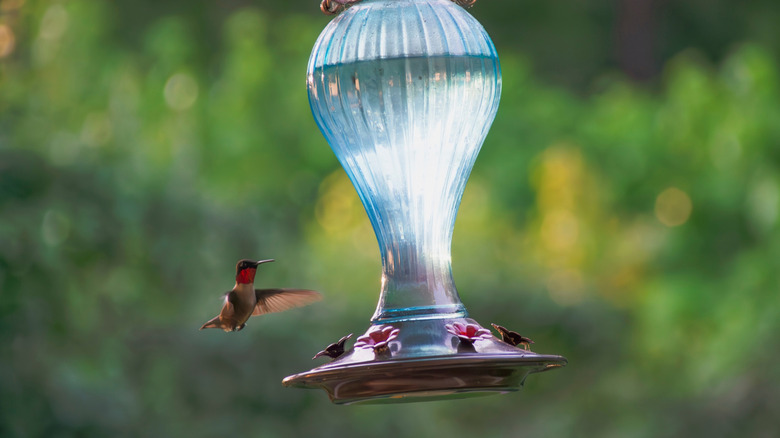
There are many types of hummingbird feeders. Some have a bottle shape with small feeding ports. Others use a saucer design that holds nectar in a flat dish. Some feeders have built-in bee guards to keep insects away. Pick a style that fits your space and is easy to refill.
Materials And Durability
Feeders come in plastic, glass, or metal. Glass feeders are heavy but last long and do not stain. Plastic feeders are light and less breakable but can stain and crack. Metal parts add strength and resist weather. Choose a feeder made from strong materials for long use.
Size And Capacity
Feeders vary in size. Small feeders hold less nectar and need refilling often. Large feeders hold more nectar but can spoil if not used quickly. Match feeder size to the number of hummingbirds in your area. A medium size often works best for most gardens.
Credit: www.outdoorguide.com
Preparing The Nectar
Preparing nectar is the first step to attract hummingbirds to your feeder. The right nectar mix mimics the natural food these birds love. It should be simple, safe, and fresh to keep hummingbirds healthy and coming back.
Simple Sugar Water Recipe
Use plain white granulated sugar and water only. Mix one part sugar with four parts water. Stir until the sugar dissolves completely. Boil the mixture for one to two minutes to kill bacteria. Let it cool before filling the feeder. Avoid using honey or artificial sweeteners. These can harm hummingbirds.
Avoiding Harmful Additives
Never add red dye or food coloring to the nectar. These chemicals can be dangerous to birds. Use a feeder with red parts to attract hummingbirds naturally. Avoid using organic or raw sugars. They may contain particles harmful to birds. Stick to pure white sugar for safety and health.
Storage Tips For Fresh Nectar
Store extra nectar in a clean, sealed container in the refrigerator. Use fresh nectar every two to three days. In hot weather, replace it more often to prevent fermentation. Clean the feeder with hot water before refilling. Avoid soap, which can leave harmful residues. Fresh nectar keeps hummingbirds healthy and happy.
Feeder Placement Tips
Placing a hummingbird feeder correctly is key to attracting these tiny birds. The right spot helps them find food easily and feel safe. Consider these tips to make your feeder a hummingbird hotspot.
Ideal Location For Visibility
Choose a place visible from windows or outdoor seating. Hummingbirds spot feeders best when they are in open areas. Avoid hiding feeders behind thick bushes or tall trees. A clear view helps the birds find nectar quickly.
Safe Environment From Predators
Keep feeders away from places where cats or squirrels lurk. Place feeders high enough to avoid ground predators. Surround the feeder with natural cover like shrubs or trees. This gives hummingbirds a safe place to rest and watch for danger.
Sunlight And Shade Balance
Place feeders where sunlight and shade mix well. Morning sun warms the nectar and attracts hummingbirds early. Afternoon shade stops nectar from spoiling in hot weather. This balance keeps nectar fresh and birds comfortable.

Credit: www.kitchenparade.com
Attracting Hummingbirds Naturally
Attracting hummingbirds naturally means creating an environment that feels inviting and familiar to these tiny birds. Instead of relying solely on feeders, you can use natural elements to draw them in. This approach not only supports their health but also adds beauty to your garden.
Planting Nectar-rich Flowers
Hummingbirds are drawn to flowers with high nectar content. Choose native plants like trumpet vine, bee balm, and salvia, which offer the right kind of nectar they need. Bright red, orange, and pink flowers tend to catch their attention more easily.
Planting a variety of these flowers ensures a steady supply of nectar throughout the seasons. Think about placing them in clusters rather than scattered, so hummingbirds can feed efficiently without expending too much energy.
Providing Perches Nearby
Hummingbirds need small branches or wires close to feeders or flower beds where they can rest and watch for predators. Adding thin, bare branches or even garden stakes near your plants can make your space more welcoming.
Perches give you a chance to observe their behavior up close. Have you noticed how often they pause between feeding? Providing these spots supports their natural habits and encourages longer visits.
Using Color And Movement
Hummingbirds are attracted to bright colors, especially red. Adding red ribbons, garden flags, or even red-painted pots can help catch their eye. Movement, like gently swaying decorations or wind chimes, can also draw their curiosity.
However, avoid anything too flashy or noisy that might scare them away. A subtle fluttering in the breeze can be just enough to invite a closer look. What colors or movements have you tried that seemed to work best in your garden?
Maintaining Your Feeder
Maintaining your hummingbird feeder is key to attracting and keeping these tiny visitors safe. A clean, well-kept feeder offers fresh nectar, which hummingbirds prefer. Dirty feeders can harm birds and stop them from returning. Regular care helps prevent health risks and keeps the nectar tasting sweet.
Cleaning Frequency And Methods
Clean your feeder every three to four days. More often in hot weather to stop fermentation. Use warm water and mild soap. Avoid strong chemicals that can harm birds.
- Soak parts in warm soapy water.
- Use a bottle brush to scrub inside.
- Rinse thoroughly with clean water.
- Let all parts dry before refilling.
Preventing Mold And Bacteria
Mold and bacteria grow fast in sweet nectar. Keep the feeder dry when empty. Clean spills around feeding ports. Place the feeder in shade to slow mold growth. Change nectar regularly to stop germs.
Refilling Strategies
Refill the feeder with fresh nectar often. Use a simple sugar-water mix: four parts water, one part sugar. Do not add honey or artificial sweeteners. Fill only enough to last three days. Store extra nectar in the fridge. Warm nectar to room temperature before refilling.
Dealing With Common Challenges
Attracting hummingbirds to your feeder is rewarding, but it comes with a few challenges. You might notice ants invading the sweet nectar, bees competing for space, or other birds acting territorial. Weather can also impact your feeder’s appeal and function. Tackling these issues effectively keeps your hummingbird visitors happy and coming back for more.
Keeping Ants And Bees Away
Ants are drawn to the sugar water, and once they find your feeder, they can be hard to stop. To protect your feeder, try adding a small moat filled with water around the hanger. This simple barrier stops ants from crossing over.
Bees can be trickier since they also love nectar. Use feeders with bee guards or choose feeders with smaller feeding ports. Another tip is to place the feeder in a spot that’s less attractive to bees but still visible to hummingbirds.
Managing Aggressive Birds
Occasionally, larger birds like sparrows or orioles might try to chase hummingbirds away. This can discourage your tiny friends from feeding. Try hanging multiple feeders spaced well apart to reduce competition.
You can also move feeders to quieter locations, away from birdhouses or noisy areas. Have you noticed certain times of day when aggression peaks? Offering nectar during calmer periods might give hummingbirds a better chance to feed peacefully.
Handling Weather Effects
Extreme heat can cause nectar to ferment quickly, making it unsafe for hummingbirds. Change your nectar every two days during hot weather to avoid this. In colder months, if you live in a chilly area, consider bringing feeders indoors overnight to prevent freezing.
Strong winds can shake feeders and make it hard for hummingbirds to feed. Placing feeders near windbreaks, like bushes or walls, offers shelter. Are there sheltered spots in your garden you haven’t tried yet?

Credit: www.hummingbirdsociety.org
Frequently Asked Questions
How Do I Attract Hummingbirds To My Feeder?
Use a feeder with red accents and fill it with a sugar-water mix. Place it in a sunny, sheltered spot near flowers to attract hummingbirds effectively.
What Is The Best Nectar Recipe For Hummingbird Feeders?
Mix 1 part white granulated sugar with 4 parts water. Boil the mixture, cool it, and avoid using honey or artificial sweeteners to keep birds healthy.
How Often Should I Clean The Hummingbird Feeder?
Clean your feeder every 2 to 3 days in warm weather. This prevents mold and bacteria buildup that can harm hummingbirds.
When Is The Best Time To Put Out A Hummingbird Feeder?
Put out feeders early spring before migration starts. This helps attract hummingbirds as they return to your area.
Conclusion
Attracting hummingbirds to your feeder takes patience and care. Keep feeders clean and filled with fresh nectar. Position them in quiet spots. Add bright flowers nearby to draw interest. Avoid using pesticides around your garden. Regularly check for ants and bees.
Experiment with different feeder styles. Each step helps create a welcoming space. Soon, you’ll enjoy watching these tiny visitors. Their vibrant colors and lively movements add joy. Stay patient and consistent. With time, you’ll see more hummingbirds visiting your feeder.
Enjoy the beauty they bring to your garden.