
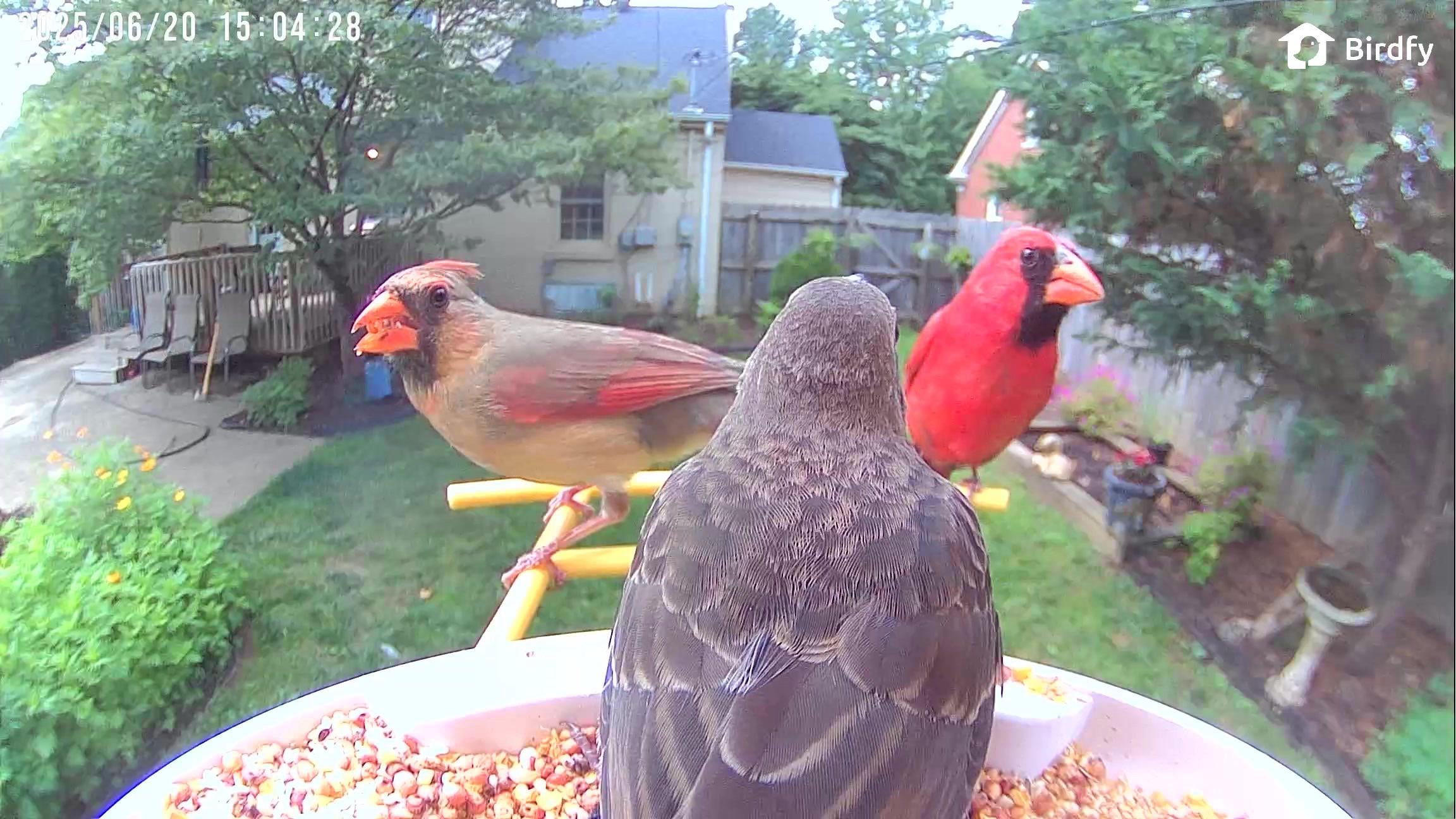
Have you ever wondered what cardinal birds feed their babies? If you’re curious about how these beautiful birds care for their young, you’re in the right place.
Understanding what baby cardinals eat can help you attract them to your backyard and support their growth. You’ll discover exactly what goes into a baby cardinal’s diet and why it matters. Keep reading to learn the secrets behind feeding these charming little birds.
Cardinal Nesting Habits
Cardinals are attentive parents with unique nesting habits. They build neat nests to protect their young. The female usually selects the site and constructs the nest. The male helps by bringing materials and guarding the area. Both parents work together to raise healthy chicks.
Nesting Locations
Cardinals prefer dense shrubs and low trees for nesting. They build nests 3 to 10 feet above the ground. Thick bushes provide cover from predators and harsh weather. Common spots include:
- Hedges
- Vine-covered trees
- Garden shrubs
- Wooded edges
Nests are often hidden well, blending with leaves and twigs. This helps keep the babies safe until they can fly.
Egg Incubation Period
The female incubates the eggs alone. The incubation lasts about 11 to 13 days. During this time, the female stays on the nest most of the day. The male stays nearby to protect the nest from threats. Once hatched, both parents feed and care for the chicks.

Credit: www.reddit.com
Diet Of Adult Cardinals
Adult cardinals have a diverse diet that supports their energy needs and helps them care for their young. Understanding what these birds eat can give you insights into how they thrive in different environments. Watching cardinals at your feeder might just make you curious about their favorite foods and how those choices change with the seasons.
Common Food Sources
Adult cardinals mainly eat seeds, which provide a rich source of energy. They love sunflower seeds, safflower seeds, and cracked corn. You might notice them picking seeds from feeders or foraging on the ground.
Besides seeds, cardinals eat a variety of fruits like berries and small pieces of apples or oranges. These provide essential vitamins and moisture. Occasionally, they also consume insects such as beetles, caterpillars, and grasshoppers, which add protein to their diet.
Seasonal Variations
Cardinals adjust their diet depending on the time of year. In spring and summer, insects make up a larger part of their meals, helping them gain extra protein for breeding and feeding their babies. This shift is crucial because protein supports healthy growth in young birds.
During fall and winter, cardinals rely more on seeds and fruits. The availability of insects drops, so they turn to what’s plentiful. Have you noticed how your backyard feeders become a hotspot for cardinals during colder months? This behavior shows their adaptability to changing food sources.
Feeding Behavior Of Cardinal Parents
Cardinal parents are dedicated caregivers, especially when it comes to feeding their babies. Their feeding behavior is a fascinating mix of patience, precision, and teamwork. Watching them, you might wonder how often these tiny mouths get fed and the clever ways parents manage to deliver food efficiently.
Frequency Of Feeding
Cardinal babies need frequent meals to grow strong and healthy. The parents feed their chicks every 10 to 15 minutes during daylight hours. This means the nest is a constant hub of activity, with one parent often returning with food while the other keeps the babies warm.
If you ever observe a cardinal nest, you’ll notice how relentless the feeding schedule is. Have you thought about how much energy these parents must expend just to keep up with their babies’ appetites?
Food Delivery Techniques
Cardinal parents use a direct and gentle approach to feed their chicks. They carefully place food items right into the open mouths of their babies. This method ensures that the food goes straight to the chick without any loss or competition among siblings.
They bring a variety of foods, including insects, seeds, and berries, adjusting the diet as the chicks grow. The parents also communicate with soft calls, signaling when it’s time to feed or to wait. Watching this delicate exchange reveals how much care and coordination is involved in raising a healthy brood.
Nutrition Needs Of Cardinal Chicks
Understanding the nutrition needs of cardinal chicks is key to supporting their healthy growth. These tiny birds require a diet rich in essential nutrients to develop strong feathers, muscles, and bones. As you watch a cardinal family in your backyard, you might wonder what exactly the parents feed their babies to keep them thriving.
Protein Requirements
Protein plays a critical role in the development of cardinal chicks. These young birds need a high-protein diet to build muscle and grow quickly during their early days. Parent cardinals typically feed their babies insects, spiders, and larvae because these foods provide abundant protein.
If you observe cardinals near your garden, you’ll notice them hunting for caterpillars, beetles, and other small invertebrates. These protein-packed snacks help the chicks gain the strength needed to leave the nest. You can support local wildlife by planting native flowers and shrubs that attract these insects.
Hydration Sources
Hydration is just as important as food for cardinal chicks. While the babies get most of their water through the juicy insects and fruits fed to them, parents also provide additional moisture. This helps keep the chicks hydrated, especially during hot or dry weather.
Have you ever seen birds dipping their beaks in water or wet leaves? This behavior helps ensure their young stay hydrated. You can offer clean, shallow water sources in your yard to make it easier for cardinals to find hydration for their babies.
Common Foods Fed To Cardinal Babies
Cardinal parents feed their babies a diet rich in nutrients. The food helps the young birds grow strong and healthy. Baby cardinals need a mix of protein and energy sources. Their diet changes as they develop.
Insects And Larvae
Insects and larvae provide essential protein to cardinal chicks. Parents catch caterpillars, beetles, and grasshoppers. Soft-bodied larvae are easy for babies to eat. These foods help build muscle and feathers quickly.
- Caterpillars
- Beetles
- Grasshoppers
- Ants and their larvae
- Spiders
Young cardinals need insects almost every feeding. Protein supports their rapid growth and energy needs.
Seeds And Fruits
Seeds and fruits add vital energy and vitamins. Parents feed soft fruits like berries and small seeds. These foods supply carbohydrates and nutrients for healthy development.
- Blackberries
- Mulberries
- Sunflower seeds (small pieces)
- Millet
- Wild grapes
Fruits also provide moisture, helping keep chicks hydrated. Seeds are easier to digest as babies grow.

Credit: www.birdfy.com
Role Of Insects In Growth
Insects play a vital role in the growth of cardinal chicks. These tiny creatures provide essential nutrients that young cardinals need to develop strong muscles and feathers. Without a steady supply of insects, baby cardinals would struggle to thrive during their critical early days.
The Nutritional Value Of Insects For Baby Cardinals
Insects are packed with protein, which is crucial for the rapid growth of baby birds. This protein supports muscle development and overall health. In addition to protein, insects also offer fats and minerals that help strengthen the immune system.
Think about how your body needs a balanced diet to function well. Similarly, baby cardinals rely on insects to fuel their growth and build resilience.
How Parent Cardinals Hunt And Feed Insects
Parent cardinals are skilled hunters, often catching caterpillars, beetles, and spiders to feed their young. They carefully select soft-bodied insects that are easy for babies to swallow and digest. This careful choice ensures the chicks receive the best possible nutrition.
Have you noticed how attentive parent birds are? Their dedication to finding the right insects shows how important these creatures are for their babies’ survival.
Insect Availability And Its Impact On Cardinal Growth
The abundance of insects in the environment directly affects how well baby cardinals grow. During times when insects are scarce, chicks may receive less nourishment, which can slow their development. This makes you wonder how changes in the environment, like pesticide use, might affect local bird populations.
By observing your local birds, you might see how insect availability influences their feeding patterns and chick health.
How Food Choices Affect Chick Development
Food choices play a crucial role in how cardinal chicks develop. The type and quality of food their parents provide directly impact their growth and ability to survive in the wild. Understanding these effects helps you appreciate the delicate care cardinals put into feeding their babies.
Growth Rate
Cardinal parents mostly feed their chicks insects, seeds, and fruits. Insects are rich in protein, which is essential for fast muscle and feather development. Without enough protein, chicks grow slowly and may struggle to keep up with their siblings.
Imagine watching a nest where some chicks get plenty of insects while others only receive seeds. The difference in size becomes obvious within days. This shows how food quality directly affects how quickly chicks grow.
Survival Chances
The survival of cardinal chicks depends heavily on their nutrition. Well-fed chicks develop stronger immune systems and better energy levels to escape predators. Poor nutrition leaves them weak and more vulnerable to diseases and harsh weather.
You might wonder if cardinals adjust their feeding depending on conditions. They do. During insect shortages, parents try to find alternative protein sources to keep their chicks healthy. This adaptability increases the chicks’ chances of surviving to adulthood.

Credit: masterofhort.com
Feeding Challenges Faced By Cardinals
Feeding baby cardinals is no easy task for their parents. They face several challenges that can affect the survival and growth of their chicks. Understanding these difficulties helps you appreciate the effort these birds put into raising their young.
Predation Risks
Cardinal parents must constantly guard their nests against predators. Animals like snakes, squirrels, and larger birds often target cardinal eggs and chicks. This threat forces cardinals to be alert and quick when feeding their babies.
Have you noticed how cardinals sometimes fly erratically near their nests? This behavior distracts predators, giving the babies a better chance to stay safe. However, it also makes feeding trips more stressful and time-consuming for the parents.
Food Scarcity
Finding enough food is another major challenge. Baby cardinals need protein-rich insects and seeds to grow strong. But during bad weather or in urban areas, these resources can be scarce.
Cardinal parents adapt by expanding their search areas or changing their diet temporarily. You might spot a cardinal visiting your garden feeder more often when natural food is limited. This shows how crucial your backyard can be for their survival during tough times.
Supporting Cardinals In Your Area
Supporting cardinals in your area can make a big difference in their survival and comfort, especially during breeding season. By providing what they need, you not only help the babies thrive but also enjoy the beauty of these vibrant birds up close. Have you ever wondered how small changes in your backyard can turn it into a cardinal haven?
Providing Suitable Food
Cardinal parents feed their babies a mix of insects and seeds to ensure strong growth. You can support them by offering foods that mimic this natural diet. Try placing feeders with sunflower seeds and mealworms, which are favorites for cardinals.
Keep the feeders clean and refill them regularly to attract and maintain a healthy cardinal population. You might notice cardinals visiting more often when you add fresh fruit like berries or chopped apples nearby. These additions create a balanced food source that helps baby cardinals get the nutrients they need.
Creating A Safe Habitat
Cardinals prefer dense shrubs and small trees for nesting and protection. You can plant native bushes such as dogwood, viburnum, or holly to offer shelter and cover. These plants provide hiding spots from predators and harsh weather, making your yard a safe place for cardinals to raise their young.
Consider limiting the use of pesticides to keep the insect population healthy and safe for cardinals. Also, placing birdbaths with shallow water encourages hydration and bathing, which are essential for their wellbeing. How can you redesign your garden to invite more cardinals without disturbing their natural habits?
Frequently Asked Questions
What Do Cardinal Birds Feed Their Babies?
Cardinal parents feed their babies a diet of soft insects, seeds, and fruits. This mix provides essential proteins and nutrients for healthy growth.
How Often Do Cardinals Feed Their Chicks?
Cardinal parents feed their chicks every 15 to 20 minutes. Frequent feeding ensures the babies get enough energy and nutrients to develop properly.
Do Cardinal Babies Eat Seeds Immediately?
No, cardinal babies are fed soft insects first. Seeds are introduced later as the chicks grow stronger and can handle tougher food.
Why Do Cardinals Feed Insects To Their Young?
Insects provide vital protein for growing cardinal chicks. Protein helps build muscles, feathers, and supports overall healthy development in baby birds.
Conclusion
Cardinal birds care deeply for their young. They feed their babies insects. These provide essential protein for growth. Seeds and fruits come later. Parents work hard to find food. They teach survival skills. Baby cardinals learn from their parents. Nature has its own way of nurturing.
Understanding cardinal feeding habits enriches our knowledge. Observing them can be fascinating. Their dedication is admirable. Watching cardinals can bring joy and insight. Nature’s cycles are beautiful and inspiring. Cardinals remind us of the wonders of wildlife. Learning about them connects us to nature.
Enjoy watching these vibrant birds.