
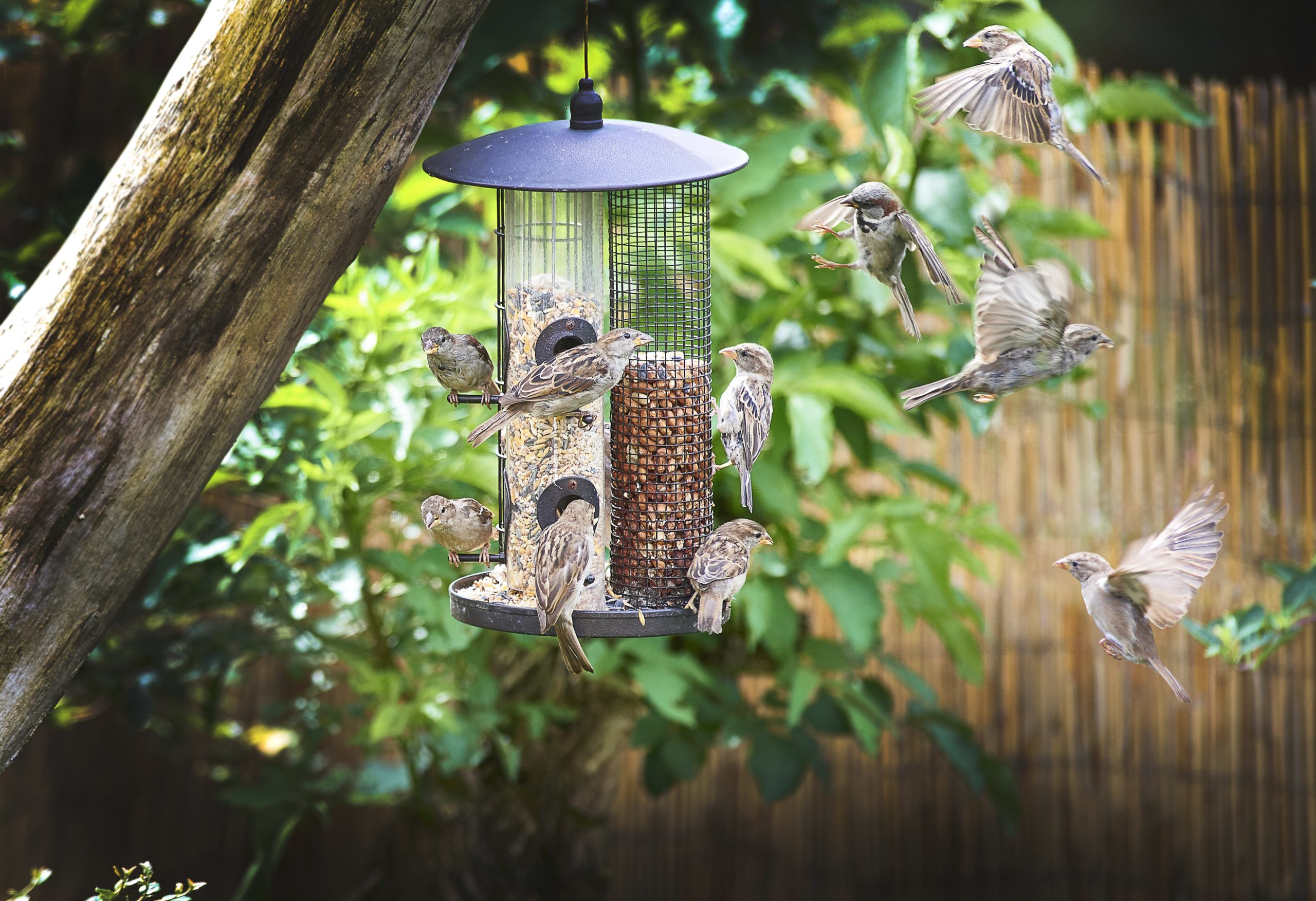
Have you ever wanted to attract beautiful birds to your garden while keeping them safe and healthy? Creating a healthy bird feeder is easier than you think, and it can bring endless joy to your outdoor space.
By making the right choices, you’ll help feed birds the nutrients they need without harming them. Keep reading, and you’ll discover simple steps to build a bird feeder that not only looks great but also supports your feathered friends in the best way possible.
Your garden—and its visitors—will thank you!
Credit: dengarden.com
Choosing Safe Materials
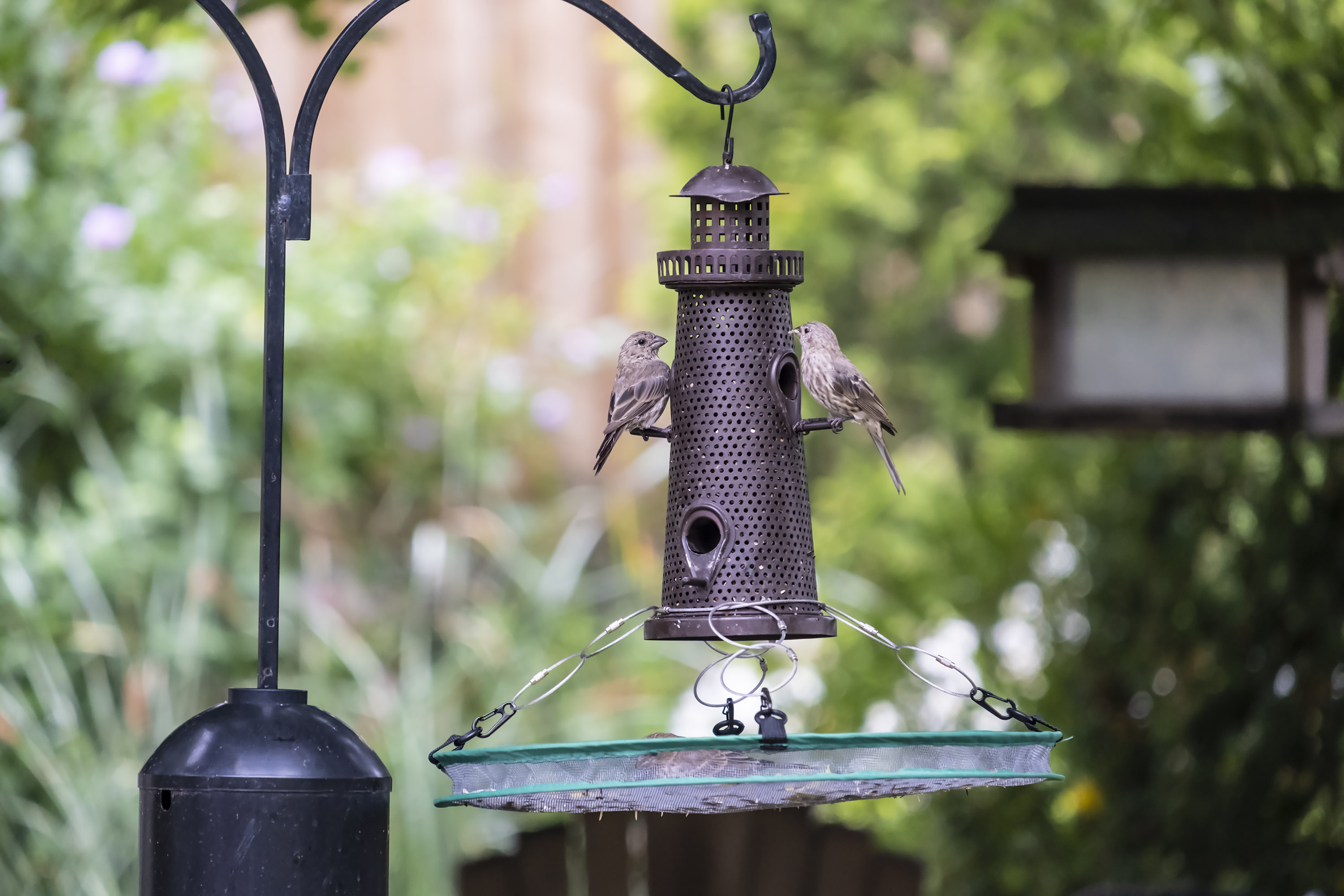
Choosing safe materials is the foundation of creating a healthy bird feeder. The right materials ensure your feeder won’t harm the birds while standing strong through changing weather. You want to pick options that protect your feathered visitors and last long enough to enjoy your handiwork.
Non-toxic Options
Birds are sensitive to chemicals, so avoid any materials treated with harmful substances. Untreated wood, natural fibers, and food-safe metals like stainless steel are excellent choices. Even paints or glues should be labeled non-toxic—your feeder isn’t just decor; it’s a safe spot for wildlife.
I once used a painted wooden feeder that looked great but soon noticed birds avoiding it. After switching to untreated cedar wood, visits increased dramatically. This taught me how much the right materials matter for attracting birds.
Durability And Weather Resistance
Your feeder will face sun, rain, wind, and maybe snow. Choose materials that can handle these conditions without breaking down or leaching chemicals. Metal, hardwoods like cedar or redwood, and thick, weatherproof plastics work well.
Think about maintenance too. Materials that resist mold and rot save you time and keep the feeder safe longer. If you want your feeder to last through seasons, durability is as important as safety.
Eco-friendly Choices
Making a healthy bird feeder means caring for the planet too. Look for recycled or sustainably sourced materials to reduce your environmental footprint. Bamboo, reclaimed wood, and recycled metals offer a green way to build your feeder.
Using eco-friendly materials often means fewer chemicals and better quality. How can your feeder support birds and the Earth at the same time? Choosing eco-friendly options lets you answer that question with your own hands.
Credit: www.familyhandyman.com
Selecting The Right Seeds
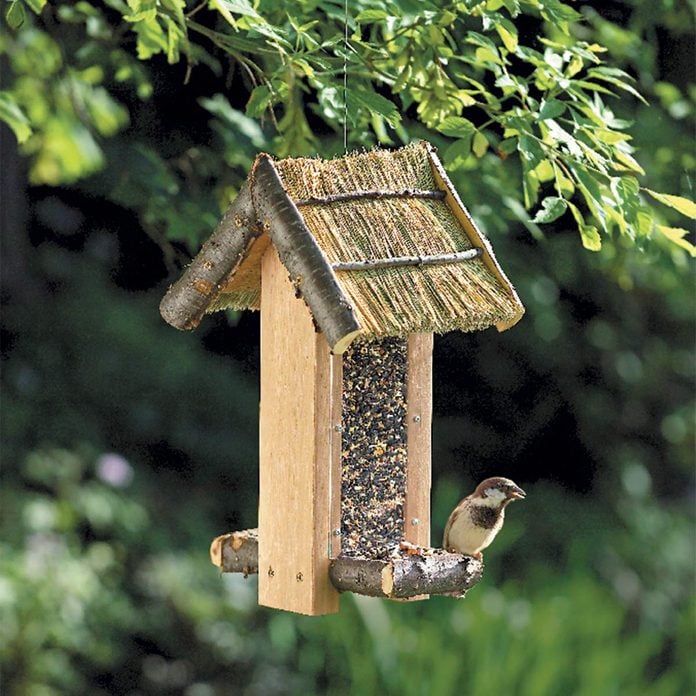
Choosing the right seeds is key to making a healthy bird feeder. Seeds attract birds and provide essential nutrients. Selecting quality seeds helps keep birds strong and happy. Different birds prefer different seeds. Knowing which seeds to offer can bring more birds to your feeder.
Favorite Seeds For Common Birds
- Sunflower seeds:Loved by cardinals, finches, and chickadees.
- Millet:Great for sparrows and doves.
- Nyjer (thistle) seeds:Attract finches and siskins.
- Safflower seeds:Preferred by cardinals and grosbeaks, less by squirrels.
- Peanuts:Good for jays and woodpeckers but offer shelled or chopped peanuts.
Avoiding Harmful Additives
Choose seeds without chemicals or fillers. Many commercial blends contain salt or sugars. These additives can harm birds. Select plain, natural seeds only. Avoid colored or flavored seeds as they may contain toxins. Always read labels carefully before buying.
Seasonal Seed Options
Bird feeding needs change with seasons. Offer high-fat seeds in winter for energy. Black oil sunflower seeds provide calories and warmth. Use more millet and cracked corn in summer. These seeds support breeding and feeding young birds. Changing seeds by season keeps birds healthy year-round.
Designing For Different Bird Species
Designing a bird feeder that attracts a variety of species means thinking about their different sizes, colors, and eating habits. Each bird has unique preferences that affect how they interact with your feeder. Understanding these differences helps you create a healthy feeding environment that welcomes more feathered friends to your yard.
Feeders For Small Birds
Small birds like chickadees, finches, and wrens need feeders that fit their size and feeding style. Choose feeders with small perches and narrow feeding ports to keep larger birds away. Tube feeders with tiny holes or mesh feeders work well to provide seeds without letting big birds dominate.
If you’ve ever noticed a big bird scaring off smaller visitors, you know how important this design is. Giving little birds their own space helps them feel safe and encourages them to visit more often.
Attracting Colorful Species
Brightly colored birds such as cardinals, blue jays, and orioles are attracted by specific feeder styles and foods. Use feeders with open trays or platform designs to display fruits, nectar, or sunflower seeds. Adding colorful accents near your feeder can catch their attention and invite them in.
Have you seen how a splash of color can make a difference in your garden? Sometimes, a simple red feeder can draw in orioles who love sweet nectar. Think about what these birds enjoy and make your feeder a tempting spot for them.
Accommodating Various Feeding Habits
Bird species eat in different ways—some prefer pecking seeds, others sip nectar, and some forage on fruit. Offering a mix of feeder types ensures you meet their needs. Use a combination of tube feeders, hummingbird feeders, and fruit trays to cover a wide range of preferences.
Consider where you place your feeders as well. Ground feeders attract sparrows and doves, while hanging feeders are perfect for finches and hummingbirds. By matching your feeder setup to their feeding habits, you create a welcoming space for many species to thrive.
Placement Tips For Maximum Safety
Placing your bird feeder in the right spot is crucial for keeping visiting birds safe and comfortable. Careful placement can protect birds from dangers while making your feeder a favorite stop. Let’s look at key tips that help you choose the best locations and design your feeder setup for maximum safety.
Choosing Safe Locations
Pick a spot that offers natural shelter like nearby trees or shrubs. These provide birds with quick cover from bad weather and give them a sense of security. Avoid placing feeders too close to busy roads or areas with heavy foot traffic, which can stress the birds.
Think about sun exposure too. A spot with morning sun and afternoon shade helps keep the feeder dry and prevents seed spoilage. Have you noticed how birds prefer perches where they can easily scan their surroundings? Mimic those conditions to make your feeder inviting and safe.
Avoiding Predators
Keep your feeder out of reach from common predators like cats and squirrels. Use baffles or place feeders on poles away from jump points like fences or trees. Predators often use nearby branches or ledges to ambush birds, so clear away any nearby “launch pads.”
Consider how hawks or other birds of prey might see your feeder. Open areas can expose birds to these threats, so balance openness with some cover. Have you checked if your feeder spot allows birds a quick escape route? That’s a simple way to reduce risk.
Accessibility For Birds
Make sure birds can easily reach the feeder without obstacles like wires or thick branches in the way. Position feeders at a comfortable height—about 5 to 6 feet off the ground is ideal for many species. This keeps the feeder accessible to birds but less accessible to some ground predators.
Think about different bird sizes visiting your feeder. Provide perches or multiple feeding points so smaller birds aren’t pushed away by bigger ones. Have you observed how birds approach feeders in your yard? Adjusting for their natural behavior can improve their feeding experience and safety.
Maintaining Cleanliness
Keeping your bird feeder clean helps protect birds from illness. Dirty feeders can spread harmful bacteria and mold quickly. Clean feeders encourage birds to visit often and stay healthy. Regular care ensures a safe feeding spot for your feathered friends.
Regular Cleaning Schedule
Set a cleaning routine to keep the feeder fresh. Clean feeders at least once every two weeks. In wet weather, clean more often to prevent buildup. Remove old seeds and debris before adding fresh food. A clean feeder attracts more birds and keeps them safe.
Preventing Mold And Bacteria
Mold grows fast in damp, old seed. It can make birds sick or cause death. Remove wet or clumped seeds immediately. Dry seed before refilling the feeder. Keep the area under the feeder dry to stop mold growth. Regular cleaning lowers the risk of bacteria spreading.
Safe Cleaning Methods
Use mild soap and warm water to wash the feeder. Avoid strong chemicals that can harm birds. Rinse well to remove all soap residue. Use a brush to scrub hard-to-reach spots. Let the feeder dry completely before refilling. Safe cleaning protects birds and keeps your feeder in good shape.
Adding Natural Elements
Adding natural elements to a bird feeder creates a welcoming space for birds. It helps them find food, water, and safety easily. Nature-like surroundings also attract more birds and keep them healthy. Small touches can make a big difference for local bird populations.
Incorporating Native Plants
Native plants provide natural food and shelter for birds. They offer seeds, berries, and insects that birds love. Choose plants that grow well in your area. This supports local wildlife and requires less care. Include a mix of shrubs, flowers, and trees to create layers of cover. Birds feel safer with places to hide from predators.
Providing Water Sources
Fresh water is essential for birds to drink and bathe. A shallow birdbath or small pond works well. Change the water often to keep it clean. Add stones or sticks so birds can perch safely. Moving water, like a dripper, attracts more birds. Water helps birds cool off and stay hydrated.
Creating Shelter Spots
Birds need shelter from weather and danger. Dense bushes, brush piles, and tree branches offer good cover. Nesting boxes provide safe places for breeding. Avoid using harmful chemicals near these areas. Natural shelters help birds rest and hide. A mix of open and covered spots suits different bird species.
Diy Bird Feeder Ideas
Creating your own bird feeder can be fun and rewarding. DIY bird feeder ideas bring nature closer and help birds find healthy food. Making feeders at home lets you control materials and design. It also supports bird safety by avoiding harmful substances. Choose simple, safe, and attractive options to invite birds to your yard.
Using Recycled Materials
Recycled items make excellent bird feeders. They reduce waste and save money. Examples include:
- Empty plastic bottles with holes for seeds
- Old teacups or mugs hung by sturdy strings
- Used milk cartons cleaned and cut for feeding trays
- Wooden pallets or scrap wood shaped into feeders
These materials are easy to find and eco-friendly. Just clean them well before use to keep birds safe.
Simple Homemade Designs
Simple feeders suit beginners and children. They need few tools and basic skills. Try these ideas:
- Stick feeders made by spreading peanut butter and seeds on pine cones
- Tray feeders using shallow dishes filled with mixed seeds
- Tube feeders from PVC pipes with small openings
These designs attract many bird types. Place them where birds can easily perch and eat.
Decorative And Functional Options
Feeders can be both pretty and practical. Paint or decorate with weatherproof colors. Use natural tones for a subtle look. Ideas include:
- Wooden boxes with carved patterns
- Glass jars painted with bright colors
- Clay pots turned upside down with seed trays
Ensure decoration does not harm birds or block access to food. Functionality keeps birds returning day after day.
Encouraging Vibrant Wildlife
Creating a healthy bird feeder is more than just filling it with seeds. It’s about inviting vibrant wildlife into your space and nurturing their well-being. Encouraging a diverse group of birds means paying attention to their habits and needs, which helps you build a thriving backyard ecosystem.
Monitoring Bird Visits
Keep a simple journal or use an app to track which birds come to your feeder and how often. Notice the time of day they prefer and which foods they favor. This observation helps you understand what attracts local species and when your feeder is most effective.
Have you noticed certain birds avoid your feeder? That might mean it’s time to change the seed mix or the feeder’s location. Small tweaks can make a big difference in encouraging more visitors.
Adapting Feeders Over Time
Bird preferences shift with seasons and availability of natural food. Switch seed types and feeder styles to match what’s best at different times of the year. For example, offer suet in winter for extra energy and fresh fruit in summer for a natural treat.
Adjust the feeder height and placement to suit different species. Some birds like open spaces, while others prefer feeders near bushes or trees for quick cover. Your willingness to adapt keeps your feeder welcoming to a wider variety of birds.
Supporting Local Ecosystems
Your feeder can become a small but vital part of the local environment. Choose native seeds and avoid mixes with fillers like red millet, which birds often reject. This supports birds’ natural diets and the plants they help pollinate or spread.
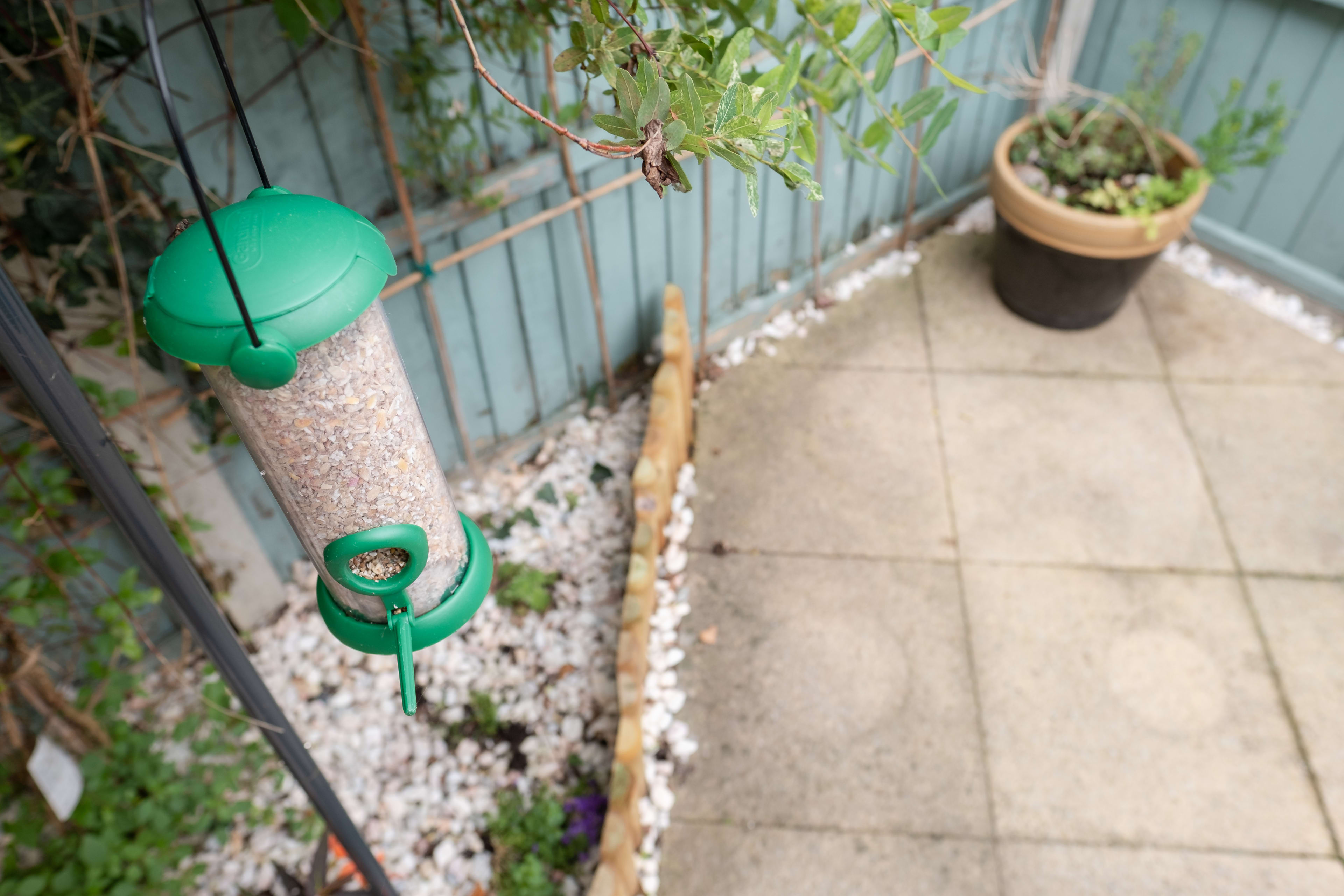
Consider planting native flowers and shrubs nearby to provide shelter and natural food sources. These additions create a safe habitat that benefits not only birds but other wildlife as well. How can your garden help balance and boost your local ecosystem?
Credit: dengarden.com
Frequently Asked Questions
What Materials Are Best For A Healthy Bird Feeder?
Use non-toxic, natural materials like untreated wood or recycled plastic. Avoid painted or chemically treated items to keep birds safe and healthy.
How Do I Choose The Right Bird Food?
Select seeds like sunflower, millet, or nyjer. Avoid processed or salty foods, as these can harm birds’ health and well-being.
Where Should I Place My Bird Feeder For Safety?
Place feeders in shaded, quiet areas away from predators and busy human traffic. Ensure easy access for birds and visibility for you.
How Often Should I Clean The Bird Feeder?
Clean feeders every two weeks with mild soap and water. Regular cleaning prevents mold and bacteria, keeping birds healthy.
Conclusion
Creating a healthy bird feeder is simple and rewarding. Birds benefit from nutritious food, and you enjoy watching them. Use natural materials to ensure safety for birds. Choose seeds that promote health and attract various species. Keep the feeder clean to prevent disease.
Hang your feeder in a safe spot, away from predators. Enjoy the peaceful moments as birds visit your garden. This activity connects you with nature, boosting your mood. Plus, it’s a fun project for the whole family. Start today and bring more life to your outdoor space.
Happy bird watching!