
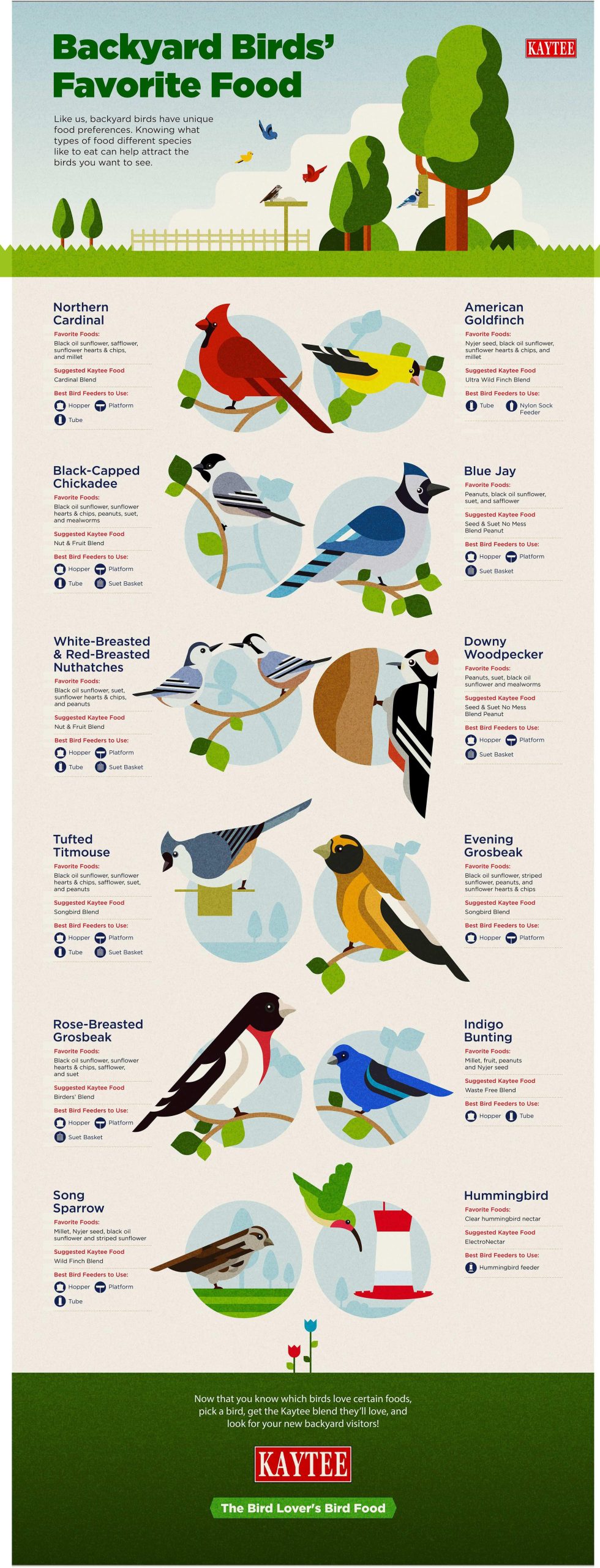
Do you want to turn your backyard into a lively haven filled with colorful birds? Knowing how to attract different birds to your bird feeder can make all the difference.
Imagine watching a variety of birds visit your garden every day, each one adding its own charm and song. You’ll discover simple, proven tips that will help you invite a wide range of feathered friends right to your doorstep. Get ready to create a bird feeder setup that’s impossible for birds to resist!
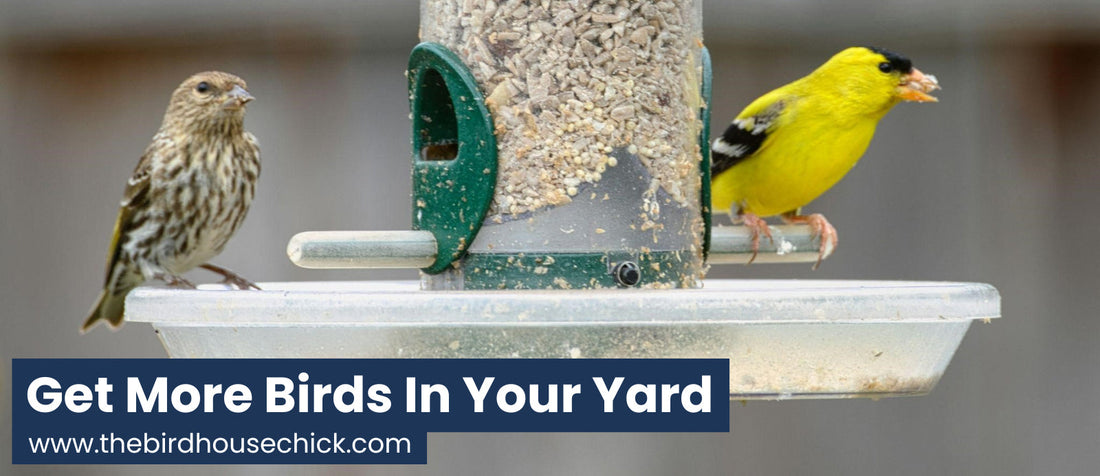
Credit: www.thebirdhousechick.com
Choosing The Right Feeder
Choosing the right bird feeder is essential if you want to attract a variety of birds to your garden. The feeder you pick influences which species visit and how often they come back. It’s not just about the design; the type, material, and placement all play a role in creating a welcoming space for birds.
Types Of Bird Feeders
Different birds prefer different types of feeders. Tube feeders are great for small songbirds like finches and chickadees. Platform feeders attract a wide range of birds, including ground feeders like doves and juncos.
Hopper feeders hold larger quantities of seed and appeal to medium to large birds such as cardinals and grosbeaks. Suet feeders, often cages or trays, are perfect for woodpeckers and nuthatches that love high-energy food.
Materials And Durability
Choosing a feeder made from sturdy materials means it will last longer and withstand weather. Metal feeders resist squirrels better than plastic ones, which can be chewed through easily. Wooden feeders offer a natural look but might need more upkeep to prevent rotting.
Think about your local climate too. If you live in a rainy area, a feeder with good drainage and rust-resistant parts will save you frustration. Have you noticed how some feeders fade quickly under strong sun? Opting for UV-protected finishes can keep your feeder looking fresh.
Placement Tips
Where you put your feeder affects both bird safety and visibility. Placing feeders near trees or shrubs gives birds quick cover from predators. But avoid spots too close to windows to reduce collision risks.
Try hanging feeders at different heights to attract diverse species. Higher feeders might bring in finches, while lower ones can invite jays and sparrows. Also, consider your own viewing comfort—position feeders where you can enjoy watching without disturbing the birds.
Selecting Bird Food
Choosing the right bird food is key to attracting a variety of birds to your feeder. Different birds prefer different types of food, so knowing what to offer can make your bird feeder a hotspot for feathered visitors. Understanding these preferences helps you create a welcoming environment that keeps birds coming back.
Seeds For Common Birds
Black oil sunflower seeds are a favorite among many common backyard birds like chickadees, finches, and cardinals. These seeds are easy to eat and packed with nutrients, making them a reliable choice to stock your feeder.
Mixed seed blends can attract a wider range of birds, but watch out for cheap mixes filled with filler seeds like millet or red millet that some birds often ignore. Offering fresh, high-quality seeds will give you better results and happier birds.
Specialty Foods For Unique Species
If you want to attract birds like orioles, woodpeckers, or hummingbirds, specialty foods are necessary. Orioles love orange halves or grape jelly, while woodpeckers prefer suet cakes rich in fat, especially in colder months.
Hummingbirds need sugar water feeders with a simple 4:1 water-to-sugar ratio. Avoid red dye in the nectar, as it can harm them; a red feeder is enough to catch their attention.
Seasonal Food Choices
Bird food preferences change with the seasons. In winter, offer high-energy foods like suet and peanuts to help birds survive the cold. During spring and summer, fresh fruit and nectar attract breeding birds looking for protein and energy.
Have you noticed how your bird visitors shift throughout the year? Adjusting your feeder offerings with the seasons keeps your garden lively and supports birds when they need it most.
Creating A Bird-friendly Habitat
Creating a bird-friendly habitat invites different birds to your yard naturally. It supports their basic needs like food, water, and shelter. Plants, water, and safe spaces help birds feel welcome and safe. This approach attracts a variety of bird species throughout the year.
Planting Native Flora
Native plants offer birds familiar food and shelter. They provide seeds, berries, and nectar that local birds prefer. Choose a mix of trees, shrubs, and flowers. This creates layers of habitat for different bird types.
- Flowering plants attract hummingbirds and butterflies.
- Berry-producing shrubs feed thrushes and waxwings.
- Seed-bearing grasses attract finches and sparrows.
Native plants also require less water and care. They thrive in local soil and climate, making your garden easier to maintain.
Providing Water Sources
Birds need fresh water for drinking and bathing. A clean water source keeps birds healthy and active. Use shallow birdbaths or small ponds. Keep water fresh by changing it often.
- Place water near shrubs or trees for safety.
- Use rough surfaces in baths to prevent slipping.
- Add stones or twigs for perching spots.
Water sources attract more birds and encourage longer visits. Moving water, like a dripper or fountain, can draw even shy birds.
Shelter And Nesting Sites
Birds need safe places to hide and build nests. Dense shrubs, tall trees, and brush piles offer good shelter. Nest boxes provide homes for cavity-nesting birds. Position boxes away from predators and harsh weather.
- Plant evergreens for year-round cover.
- Leave dead trees or branches if safe.
- Use natural materials like twigs and leaves for nests.
Providing shelter supports birds during bad weather and breeding season. It helps keep your bird population healthy and stable.

Credit: happygardens.com
Attracting Specific Bird Types
Attracting specific bird types to your feeder can turn your backyard into a vibrant birdwatching spot. Each bird species has unique preferences for food, feeder style, and habitat. Understanding these preferences helps you create a welcoming environment that encourages these birds to visit regularly.
Songbirds And Warblers
Songbirds and warblers are drawn to feeders that offer small seeds like sunflower chips, nyjer, or millet. Tube feeders with small perches work best since these birds prefer to feed quietly. Adding native plants nearby can provide shelter and insects, which are a natural food source for warblers.
I noticed more warblers when I placed a mix of nyjer and sunflower seeds in a hanging tube feeder surrounded by flowering shrubs. Their colors and songs brought new life to my garden. Could you try placing feeders near natural cover to make your yard more inviting?
Hummingbirds And Orioles
Hummingbirds and orioles crave sugary nectar and fruit. Use specialized nectar feeders for hummingbirds, cleaned regularly to prevent mold. Orioles prefer orange halves, grape jelly, or nectar feeders with larger ports.
One summer, I added a bright orange feeder filled with nectar and watched orioles visit daily. Hummingbirds were quick to join once I hung a red feeder nearby. Have you considered the color of your feeders? Bright colors can catch these birds’ attention from afar.
Woodpeckers And Nuthatches
Woodpeckers and nuthatches favor suet and peanuts. Suet cages near tree trunks mimic their natural foraging habits. Offering shelled peanuts or sunflower seeds on platform feeders also attracts nuthatches.
After placing a suet feeder close to a large oak tree, woodpeckers started visiting every morning. The nuthatches followed, enjoying peanuts on the platform feeder. What types of feeders could you place near trees to draw these acrobatic birds?
Maintaining Your Bird Feeder
Maintaining your bird feeder ensures a safe and inviting spot for birds. Regular care helps birds stay healthy and keeps your feeder working well. Clean, pest-free feeders attract a variety of birds and provide reliable food sources. Monitoring seed levels and feeder condition supports bird activity and enjoyment.
Cleaning And Hygiene
Clean your bird feeder every two weeks. Use warm water and mild soap. Rinse well to remove all soap residue. Avoid harsh chemicals that can harm birds. Dry the feeder completely before refilling. Clean feeders prevent mold, bacteria, and disease spread.
Preventing Pests
Keep ants, squirrels, and rodents away from your feeder. Use baffles or guards to block squirrels. Place feeders away from walls or trees to reduce pest access. Remove spilled seeds regularly to avoid attracting unwanted animals. Keep the area around the feeder tidy and dry.
Refilling And Monitoring
Refill your feeder regularly to keep food fresh. Check seed quality before refilling; discard old or moldy seeds. Observe bird activity to notice any changes in feeder use. Adjust seed types based on the birds visiting. Replace damaged feeder parts to maintain safety and function.
Seasonal Feeding Strategies
Seasonal feeding strategies help attract different birds throughout the year. Birds have different needs in winter, spring, summer, and fall. Changing your feeding approach based on the season keeps birds visiting your feeder. It also supports their health and energy during weather changes.
Winter Feeding Tips
Winter is tough for birds. Food is scarce. High-energy seeds like sunflower and peanuts work well. Offer suet cakes for extra fat and warmth. Keep feeders clean and free of snow. Provide fresh water that does not freeze. Place feeders near shelter to protect birds from cold winds.
Spring And Summer Adjustments
Birds eat more insects in spring and summer. Add mealworms or fruit to attract different species. Switch to feeders with smaller seed holes for smaller birds. Avoid feeding too much sunflower seed to reduce waste. Keep water fresh and shallow for drinking and bathing. Clean feeders often to prevent mold and bacteria.
Fall Preparation
Fall is a busy time for birds. They need food to build fat for migration or winter. Increase seed amounts and variety. Mix sunflower seeds, millet, and cracked corn. Add nuts and berries to attract more species. Start feeding earlier in the day to help birds store energy. Clear old seeds and clean feeders for the season change.
Common Mistakes To Avoid
Attracting a variety of birds to your feeder is rewarding, but some common mistakes can turn your efforts upside down. Avoiding these pitfalls ensures your feeder stays inviting and safe for all visitors. Let’s look at the key errors that often go unnoticed but can dramatically affect your birdwatching experience.
Overfeeding And Spoiling Food
It’s tempting to keep the feeder full all day, but overfeeding can cause food to spoil quickly. Moldy or stale seeds not only deter birds but can also make them sick. You might think more food means more birds, but fresh, smaller servings spread throughout the day work better.
Have you ever noticed birds avoiding a feeder that looks full but smells off? That’s a clear sign food needs replacing more often. Keep an eye on weather conditions—rain and heat speed up spoilage, so adjust your feeding routine accordingly.
Unsafe Feeder Placement
Where you place your feeder matters as much as what you put inside it. Putting feeders too close to windows can lead to bird collisions. Similarly, placing them where predators like cats can easily hide makes birds wary and less likely to visit.
Try positioning feeders near natural cover like shrubs or trees but not too close to avoid predators’ surprise attacks. Have you checked your yard from a bird’s perspective? Think about safety and visibility before hanging your feeder.
Ignoring Local Bird Needs
Different birds have different tastes and habitat preferences. Using one type of seed or feeder limits the variety of birds that come to visit. If you focus only on sunflower seeds, for example, you might miss out on attracting finches that prefer nyjer seed.
Consider the birds native to your area and what they eat during different seasons. Have you researched what locals prefer? Tailoring your offerings to local species makes your feeder a hotspot for bird diversity.
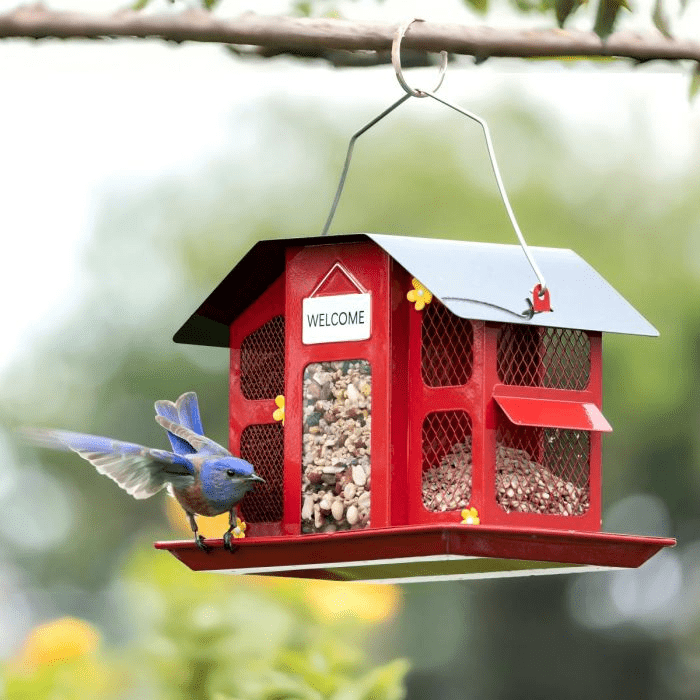
Credit: www.kingsyard.com
Frequently Asked Questions
What Types Of Bird Feeders Attract Different Bird Species?
Different bird species prefer specific feeders. Tube feeders suit small songbirds, platform feeders attract larger birds, and suet feeders appeal to woodpeckers. Using a variety of feeders increases bird diversity in your yard.
Which Bird Seeds Attract The Most Birds?
Black oil sunflower seeds attract many bird species due to their high oil content. Nyjer seeds lure finches, while millet is favored by sparrows and doves. Offering mixed seeds encourages a wider range of birds.
How Can I Keep Birds Safe At My Feeder?
Place feeders away from predators like cats. Clean feeders regularly to prevent disease. Use squirrel guards to protect food. Providing fresh water nearby also helps maintain bird health and safety.
When Is The Best Time To Feed Birds?
Early morning and late afternoon are ideal times. Birds are most active during these periods. Feeding them then increases your chances of attracting a variety of species to your feeder.
Conclusion
Creating a bird-friendly space is both rewarding and simple. Choose the right bird feeder for your garden. Different birds prefer different foods. Place the feeder in a safe, visible spot. Keep it clean to attract more birds. Watch them visit and enjoy their songs.
A little patience goes a long way. Soon, your garden will be full of life and color. Enjoy the beauty and variety of your winged visitors. Happy bird watching!