
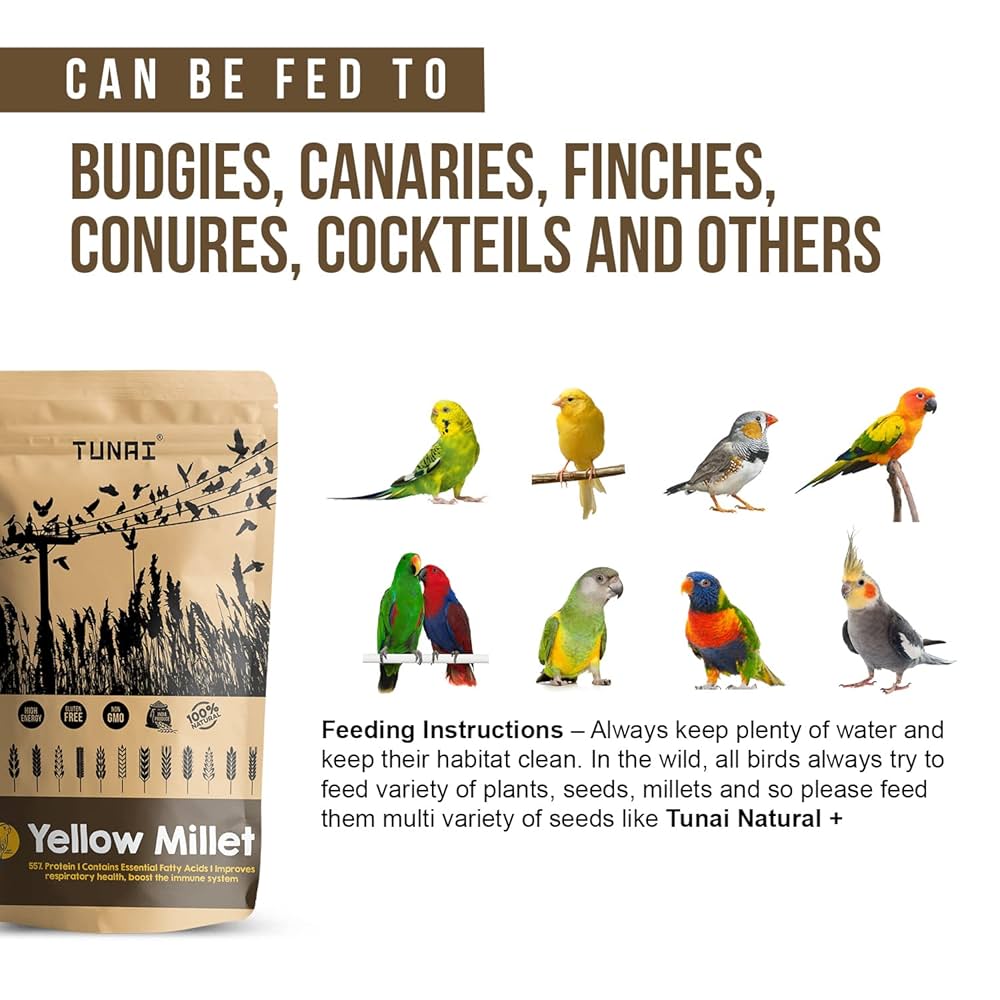
Have you ever wondered what you can feed to wild birds to keep them healthy and happy? Choosing the right food isn’t just about tossing out breadcrumbs.
What you offer can attract different bird species and even help them survive through tough seasons. If you want to make your backyard a safe haven for wild birds, understanding their diet is key. Keep reading, and you’ll discover simple, effective ways to feed wild birds that will bring more life and color right to your window.
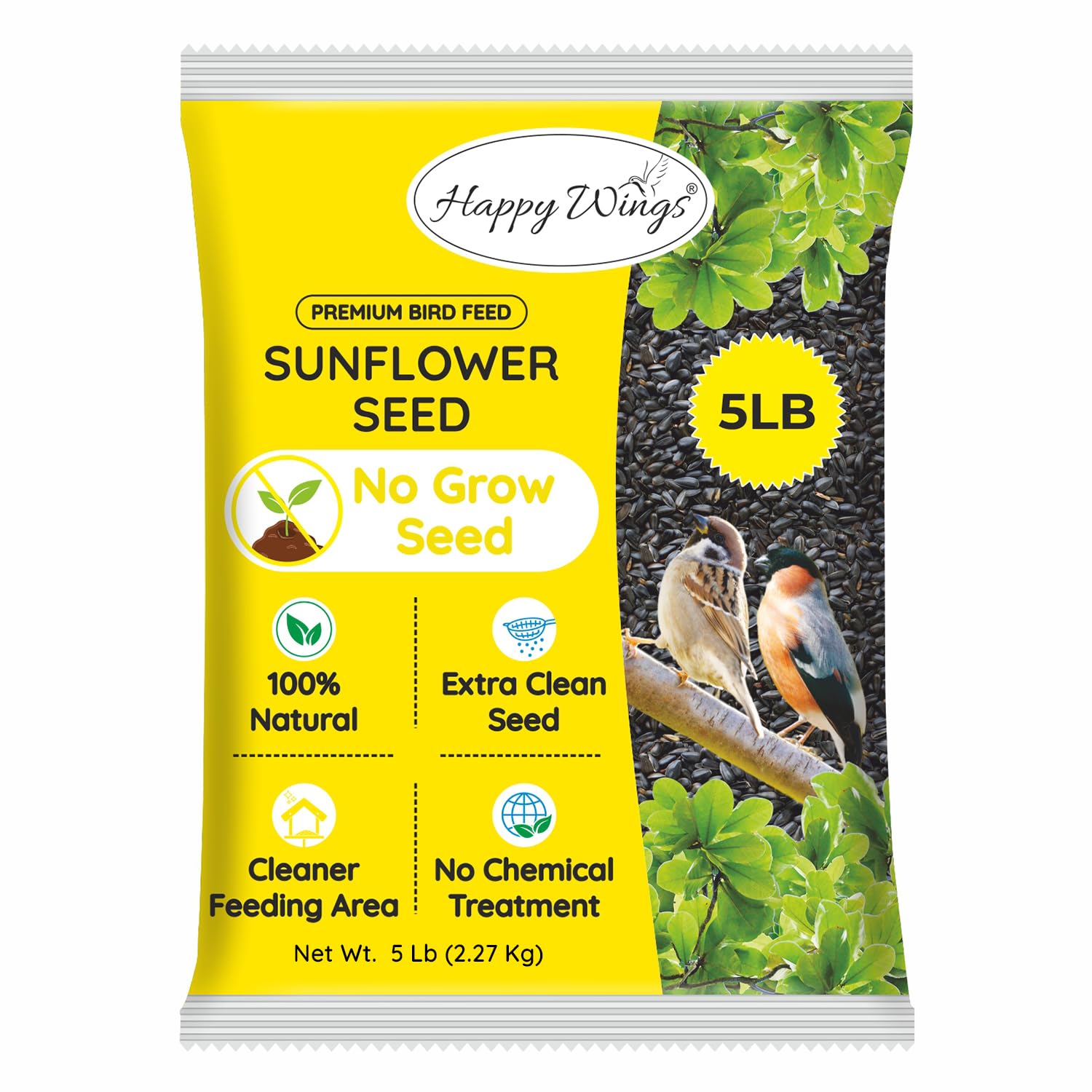
Credit: www.amazon.in
Best Seeds For Wild Birds
Feeding wild birds helps support their health and attracts many species to your yard. Choosing the right seeds is key to providing good nutrition. Different seeds appeal to different birds, creating a lively and diverse garden environment.
Sunflower Seeds
Sunflower seeds are a top choice for many wild birds. They offer high energy and fat content. Birds like cardinals, chickadees, and finches enjoy them most. Black oil sunflower seeds have thin shells, making them easy to eat. These seeds attract a wide variety of birds and are widely available.
Millet And Sorghum
Millet and sorghum are small, round seeds popular with ground-feeding birds. Sparrows, doves, and juncos prefer these seeds. White proso millet is especially favored. These seeds are affordable and often mixed with other seeds. They help attract birds that feed on the ground or in bushes.
Nyjer And Thistle
Nyjer seeds are tiny and rich in oil. Finches, siskins, and redpolls love them. Thistle seed feeders are designed to hold these small seeds. Nyjer is expensive but highly effective at drawing finches. It is best served in specialized feeders to reduce waste and keep seeds dry.
Fruits Birds Love
Wild birds enjoy a variety of fruits that offer both nutrition and energy. Fruits are a natural food source that attracts many bird species. They provide essential vitamins and hydration, especially in warmer months. Offering fruits can help birds stay healthy and active.
Berries And Grapes
Berries are a favorite for many wild birds. Blueberries, blackberries, and raspberries provide small, easy-to-eat bites. Grapes, sliced in half, are also popular. These fruits are rich in antioxidants and natural sugars. They support birds’ immune systems and give quick energy.
Apples And Pears
Apples and pears are good choices for wild birds. Cut them into small pieces to make eating easier. These fruits offer fiber and vitamins that birds need. Remove seeds before feeding, as some seeds can be harmful. Many bird species enjoy the sweet, juicy flesh.
Dried Fruits
Dried fruits like raisins and apricots attract birds too. They are easy to store and last longer than fresh fruit. Soak dried fruits in water to soften them before feeding. This helps birds eat more comfortably. Dried fruits are a good source of energy during colder seasons.
Nutritious Nuts To Offer
Nuts are a fantastic source of energy and nutrients for wild birds, especially during colder months or breeding seasons. Offering the right nuts can attract a variety of birds, from woodpeckers to chickadees, providing them with essential fats and proteins. Before you fill your feeder, understanding which nuts are safe and how to prepare them is key to helping your feathered friends thrive.
Peanuts And Almonds
Peanuts are a favorite among many wild birds because they pack a lot of energy in a small size. You can offer them shelled or unshelled, but unsalted and raw peanuts are best to avoid harmful additives. Almonds are also nutritious, rich in fats and vitamins, but make sure they are unsalted and chopped into smaller pieces to make eating easier for smaller birds.
Have you noticed how woodpeckers and jays flock to peanut feeders? These nuts provide a quick energy boost, especially during cold days when birds need more calories to stay warm.
Walnuts And Pecans
Walnuts and pecans offer a rich source of healthy fats and proteins that support bird health during demanding seasons. These nuts are larger and harder, so cracking them open for smaller birds is necessary. Birds like nuthatches and titmice enjoy these nuts, especially when they’re broken into manageable chunks.
Think about the last time you saw a squirrel cracking a walnut; you can mimic this by offering smaller pieces that birds can handle easily. This not only helps the birds but also reduces waste.
How To Prepare Nuts Safely
Always choose unsalted, raw nuts without any flavorings or coatings. Salt and additives can be harmful to birds, causing dehydration and health issues.
Before feeding, break large nuts into smaller pieces suitable for the bird species in your area. You can use a nutcracker or chop them carefully with a knife. Avoid offering moldy or rancid nuts, as these can make birds sick.
Do you clean your feeders regularly? Keeping nuts dry and fresh prevents mold growth, which is dangerous for birds. Simple preparation and hygiene make a big difference in supporting healthy wild birds in your garden.

Credit: www.amazon.in
Healthy Insects And Protein Sources
Wild birds need protein to stay strong and healthy. Protein helps build muscles and repair tissues. Healthy insects and other protein sources provide essential nutrients for birds. These foods support their energy and growth, especially during breeding and molting seasons.
Offering protein-rich foods attracts a variety of birds to your garden. It also helps young birds develop properly. Below are some great protein options you can provide safely and easily.
Mealworms And Crickets
Mealworms and crickets are natural food for many wild birds. They are rich in protein and easy to digest. Birds like robins, bluebirds, and wrens enjoy eating them.
You can buy dried or live mealworms and crickets from pet stores. Live insects are more attractive to birds but require care. Dried mealworms last longer and are simple to store. Offer these insects in a shallow dish or on a platform feeder.
Boiled Eggs
Boiled eggs are a quick protein source for wild birds. They contain protein, fats, and vitamins. Chop the eggs into small pieces to avoid choking hazards. Keep the eggs fresh and remove leftovers after a day. Birds such as chickadees, titmice, and nuthatches often eat boiled eggs.
Other Protein Options
- Cooked beans without seasoning or salt
- Unsalted nuts like peanuts and walnuts, crushed or whole
- Small pieces of cooked chicken, without spices or skin
- Suet mixed with insects or seeds
These options add variety and extra nutrients. Offer fresh food regularly and clean feeding areas to keep birds safe and healthy.
Grains And Cereals For Birds
Grains and cereals make an excellent addition to the diet of many wild birds. They provide essential energy and nutrients that help birds stay active and healthy, especially during colder months. Understanding which grains are safe and beneficial can make your birdfeeding experience more rewarding.
Oats And Barley
Oats and barley are favorites among a variety of wild birds, including sparrows and finches. You can offer these grains raw or lightly crushed to make it easier for smaller birds to eat. I once noticed a group of sparrows eagerly pecking at a small pile of rolled oats I left out, showing just how much they appreciate this simple food.
Both oats and barley provide carbohydrates and fiber, supporting birds’ energy needs. Avoid flavored or processed oats, as additives can harm birds. Plain, natural grains work best.
Cooked Rice And Pasta
Cooked rice and pasta are safe to feed wild birds if offered in moderation. These foods should be plain and fully cooked without salt, sauce, or seasoning. I’ve seen pigeons and doves happily enjoying small amounts of cooked rice in my garden, which proves it can be a nutritious treat.
Rice and pasta provide quick energy, but they lack some nutrients found in seeds and insects. Use these as occasional supplements rather than a main food source. Always ensure the portions are small to avoid waste and spoilage.
Avoiding Harmful Grains
Not all grains are safe for wild birds. Avoid feeding birds anything with added salt, sugar, or artificial flavors. Also, stay away from raw kidney beans and grains treated with pesticides or chemicals, as these can be toxic.
Have you ever wondered why some bird food packages warn against certain grains? It’s because safety is key to supporting healthy wild bird populations. Being selective about the grains you offer keeps birds coming back and thriving.
Foods To Avoid Feeding Wild Birds
Feeding wild birds can be a joyful way to connect with nature, but not all foods are safe or healthy for them. Offering the wrong types of food can harm their health or even put their lives at risk. Understanding which foods to avoid helps you create a safe feeding environment that supports their natural diet and wellbeing.
Salty And Sugary Foods
Birds have delicate systems that cannot handle high levels of salt or sugar. Foods like salted nuts, chips, or sugary sweets can cause dehydration and serious health problems in birds.
Think about the last time you ate something too salty or sweet—how uncomfortable you felt afterward. Birds feel this way too, but they can’t simply drink water to fix it. It’s best to stick to natural, unsalted, and unsweetened options.
Processed Human Snacks
Processed snacks such as bread, crackers, and pretzels might seem harmless, but they lack the nutrients birds need. These foods often contain preservatives and additives that can upset a bird’s digestive system.
I once watched a neighbor feed stale bread to pigeons, not realizing it was making them sick. Instead, try offering birdseed mixes or fresh fruits and vegetables that provide real nourishment.
Toxic Foods For Birds
Certain common foods are outright toxic to wild birds. Avoid feeding them chocolate, avocado, onion, and caffeine—they can cause poisoning or fatal reactions.
Even small amounts can be dangerous. Have you ever wondered why some fruits or snacks are off-limits? It’s because their chemical makeup interferes with birds’ metabolism and heart function.
Tips For Feeding Wild Birds Safely
Feeding wild birds can bring joy and help local wildlife thrive. Safe feeding protects birds from harm and illness. Careful choices ensure birds stay healthy and happy at your feeder.
Follow simple tips to create a safe feeding environment. Protect birds from predators and diseases. Keep feeders clean and provide suitable food all year.
Choosing The Right Feeder
Select feeders made of durable, non-toxic materials. Avoid feeders with sharp edges or small parts birds can swallow. Choose feeder types based on the birds in your area:
- Tube feeders for small songbirds
- Platform feeders for larger birds
- Suet feeders for insect-eating birds
Place feeders in safe locations away from windows and predators. Keep feeders at least five feet off the ground.
Maintaining Clean Feeding Areas
Clean feeders regularly to stop mold and bacteria growth. Use warm water and mild soap for washing. Rinse well to remove soap residue. Dry feeders completely before refilling.
Clear fallen seeds and droppings below feeders often. This helps prevent disease spread and keeps pests away. Use gravel or wood chips to absorb moisture under feeders.
Seasonal Feeding Practices
Adjust feeding habits based on the season. Offer high-fat seeds in winter to help birds stay warm. In spring and summer, provide fresh fruits and mealworms for protein.
Stop feeding during warm, rainy weather to avoid mold. Reduce feeding gradually in spring as natural food becomes available. Keep water fresh and unfrozen during cold months.

Credit: www.o-natureobserver.com
Frequently Asked Questions
What Foods Are Safe To Feed Wild Birds?
Safe foods for wild birds include seeds, nuts, fruits, and suet. Avoid processed or salty foods. Fresh water is also essential for their health and hydration.
Can I Feed Wild Birds Bread Or Leftovers?
Bread is not recommended as it lacks nutrients and can harm birds. Leftovers may contain harmful ingredients or mold. Stick to natural, bird-friendly foods for their well-being.
Which Seeds Attract The Most Wild Birds?
Black oil sunflower seeds attract a wide variety of wild birds. Millet and safflower seeds also draw many species. Using a mix increases the number of visiting birds.
How Often Should I Feed Wild Birds?
Feed wild birds daily, especially during winter or migration. Consistent feeding helps them survive harsh conditions. Clean feeders regularly to prevent disease spread among birds.
Conclusion
Feeding wild birds can be a joyful experience. Offer seeds and nuts. Fresh fruits are also a good choice. Avoid bread; it’s not healthy for them. Clean feeders regularly to prevent disease. Observe which foods attract different birds. Enjoy watching their vibrant colors and lively songs.
Sharing your space with them brings nature closer. A little care goes a long way. Each bird visit offers a moment of peace. Keep exploring and learning about these feathered friends. Your efforts make a difference in their lives. Happy bird feeding!