
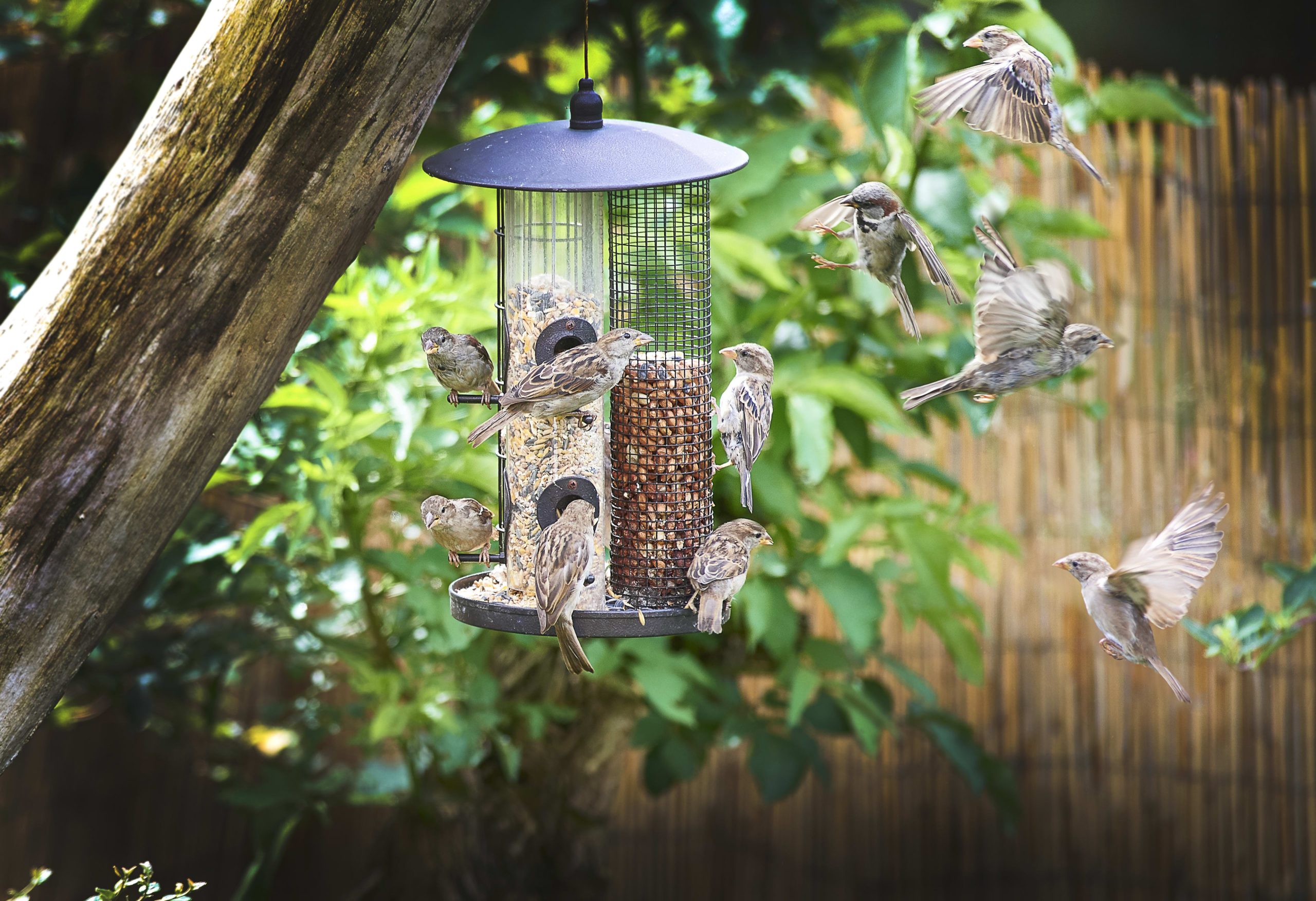
If you want to attract colorful birds to your garden, placing your bird feeder in the right spot is key. But where exactly should you put it?
The location can make all the difference between a lively garden full of chirping visitors and an empty feeder. You’ll discover simple, practical tips to choose the perfect spot that keeps birds safe, happy, and coming back again and again.
Ready to turn your garden into a bird haven? Let’s dive in!
Choosing The Right Location
Choosing the right location for a bird feeder is key to attracting birds and keeping them safe. The spot should offer easy access, protection from predators, and a good view for birdwatchers. Thoughtful placement helps birds feel secure and encourages them to visit often.
Consider Bird Safety
Place the feeder near shrubs or trees. These provide quick shelter for birds if danger appears. Avoid spots near large windows to prevent bird collisions. Keep feeders away from areas where cats or other predators can hide. A safe location helps birds feed calmly and return regularly.
Think About Visibility
Choose a spot visible from your favorite window or garden bench. This allows you to enjoy birdwatching without disturbing the birds. Bright, open areas make it easier for birds to spot the feeder. Visibility also helps you monitor the feeder’s cleanliness and food supply.
Avoid High Traffic Areas
Do not place the feeder near busy walkways or play zones. Frequent movement can scare birds away. Quiet, calm spots encourage birds to stay longer. Consider placing feeders in corners or less-used parts of the garden for peaceful feeding times.

Credit: www.birdwatchingdaily.com
Ideal Height For Placement
Choosing the right height for your bird feeder is key for attracting birds and keeping them safe. The feeder’s height affects which birds visit and how comfortable they feel. Proper placement helps avoid predators and makes feeding easy for birds.
Ground Feeders Vs. Hanging Feeders
Ground feeders should sit about 12 to 18 inches above the soil. This height suits birds that like to feed on the ground, such as sparrows and doves. It also allows easy access to seeds that fall.
Hanging feeders work best at 4 to 6 feet high. This height stops cats and other animals from reaching the birds. It also keeps the feeder visible and accessible for most small birds.
Keeping Feeders Out Of Reach
Place feeders away from branches or fences that predators can jump from. Keep them at least 10 feet from any launch point for cats.
Use poles with baffles or hang feeders from wires stretched between trees. These tricks prevent squirrels and other pests from stealing the food.
Sunlight And Weather Factors
Choosing the right spot for a bird feeder involves thinking about sunlight and weather. Birds need warmth and shelter to visit often. The feeder should stay safe from strong winds and heavy rain. Sunlight helps keep seeds dry and fresh. But too much sun can spoil the food or make birds uncomfortable. Finding a balance makes your garden a friendly place for birds.
Protecting Feeders From Harsh Weather
Place the feeder where it gets some shelter from the wind. Use trees or shrubs as natural barriers. These protect the feeder from rain and snow. Avoid open areas that face strong wind gusts. A covered porch or a spot under a large tree works well. Check feeders regularly for damage after storms. This keeps birds safe and food clean.
Balancing Sun Exposure
Sunlight warms the feeder, helping to keep seeds dry. Wet seeds can spoil and attract mold. Morning sun is better than harsh afternoon sun. It warms the feeder but is not too hot. Avoid placing feeders in full sun all day. Birds prefer spots with some shade. Move feeders if seeds spoil quickly or birds avoid the spot.
Proximity To Natural Cover
Choosing where to place your bird feeder involves more than just picking a visible spot. Proximity to natural cover plays a crucial role in attracting birds and keeping them safe. Birds feel more comfortable feeding when they have quick access to nearby shelter.
Nearby Trees And Shrubs
Placing your bird feeder near trees or shrubs gives birds a familiar and safe environment. These natural elements provide shade and protection from harsh weather. They also offer a place for birds to perch and rest between feeding sessions.
Think about your garden’s existing plants. Are there dense bushes or low branches that can shield the feeder? Positioning the feeder within a few feet of these features can encourage more frequent visits.
Providing Quick Escape Routes
Birds are always alert for predators. Having a quick escape route near the feeder makes them feel secure. A feeder placed too far from cover may discourage shy birds from landing.
Make sure the feeder is close enough to trees or shrubs where birds can dart quickly if threatened. You want to create a safe path that allows birds to flee without hesitation.
Ask yourself: does your feeder spot offer an easy getaway? If not, consider moving it closer to natural cover. Your feathered visitors will thank you by coming back often.
Types Of Bird Feeders And Placement
Choosing the right type of bird feeder and placing it thoughtfully can make a big difference in attracting birds to your garden. Each feeder type suits different bird species and feeding habits, so matching your feeder to the birds you want to welcome is key. Placement also affects how safe and comfortable birds feel while feeding, which encourages them to return.
Tube Feeders
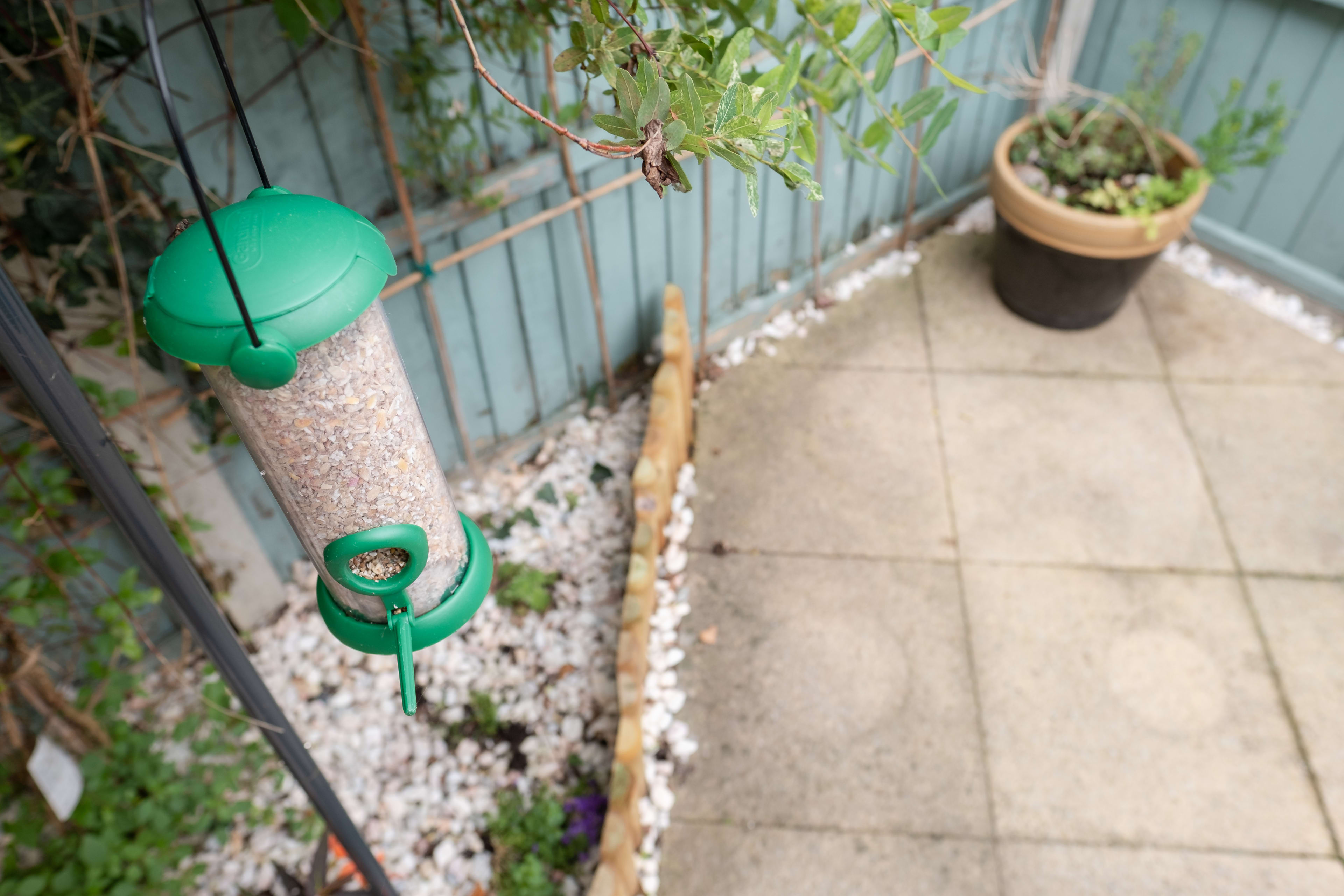
Tube feeders are long, cylindrical feeders with small perches and multiple feeding ports. They work well for small songbirds like finches and chickadees. Place these feeders away from dense bushes where predators can hide, ideally near open spaces that give birds a clear view of their surroundings.
Because tube feeders hang, you can easily move them to test different spots. Try placing them near windows where you can enjoy watching the birds, but make sure to add window decals to prevent collisions. Have you noticed how certain birds prefer feeding higher up? Adjust the height to see what works best.
Platform Feeders
Platform feeders are flat, open trays that attract a wide variety of birds, including ground feeders like juncos and cardinals. They allow birds to feed comfortably and see their surroundings clearly, which reduces stress. Position these feeders in a quiet area with nearby shrubs or trees for quick escape routes.
Since platform feeders are open, they can attract squirrels and larger birds. To minimize this, place them on poles with baffles or in locations hard for squirrels to reach. Have you tried placing them near a window? It offers a great bird-watching experience but watch out for aggressive birds dominating the feeder.
Suet Feeders
Suet feeders hold blocks of high-energy suet, perfect for woodpeckers, nuthatches, and other insect-eating birds. These feeders often come in cages or mesh bags and are best hung near tree trunks or branches where these birds naturally forage. Hanging them in shaded areas helps keep the suet from melting quickly.
Since suet attracts specific birds, placing these feeders near tube or platform feeders can diversify your garden visitors. Have you seen how woodpeckers cling to suet feeders? Positioning them close to trees mimics their natural feeding style and increases your chances of spotting these fascinating birds.
Credit: dengarden.com
Maintenance And Accessibility
Choosing the right spot for a bird feeder is more than just attracting birds. It must be easy to maintain and reach. This keeps the feeder clean and full, ensuring birds stay healthy and happy. Accessibility also helps avoid common problems like pests.
Easy To Refill And Clean
Place the feeder where you can easily reach it. A nearby door or patio works well. This saves time and effort during refills and cleaning. Clean feeders prevent mold and bacteria, protecting bird health. Use a sturdy pole or hook at a comfortable height. Avoid spots too high or hidden behind thick branches.
Avoiding Pest Problems
Keep the feeder away from areas where pests can gather. Avoid placing it near trash bins or compost piles. Use baffles or guards to stop squirrels and rodents. Choose locations with some natural shade to reduce seed spoilage. Clean up spilled seeds regularly to avoid attracting unwanted animals. Good placement reduces pests and keeps birds safe.
Seasonal Placement Adjustments
Adjusting the position of your bird feeder with the seasons helps attract more birds. Birds have different needs and behaviors in summer and winter. Changing the feeder’s location can offer better shelter and food access.
Summer Vs. Winter Spots
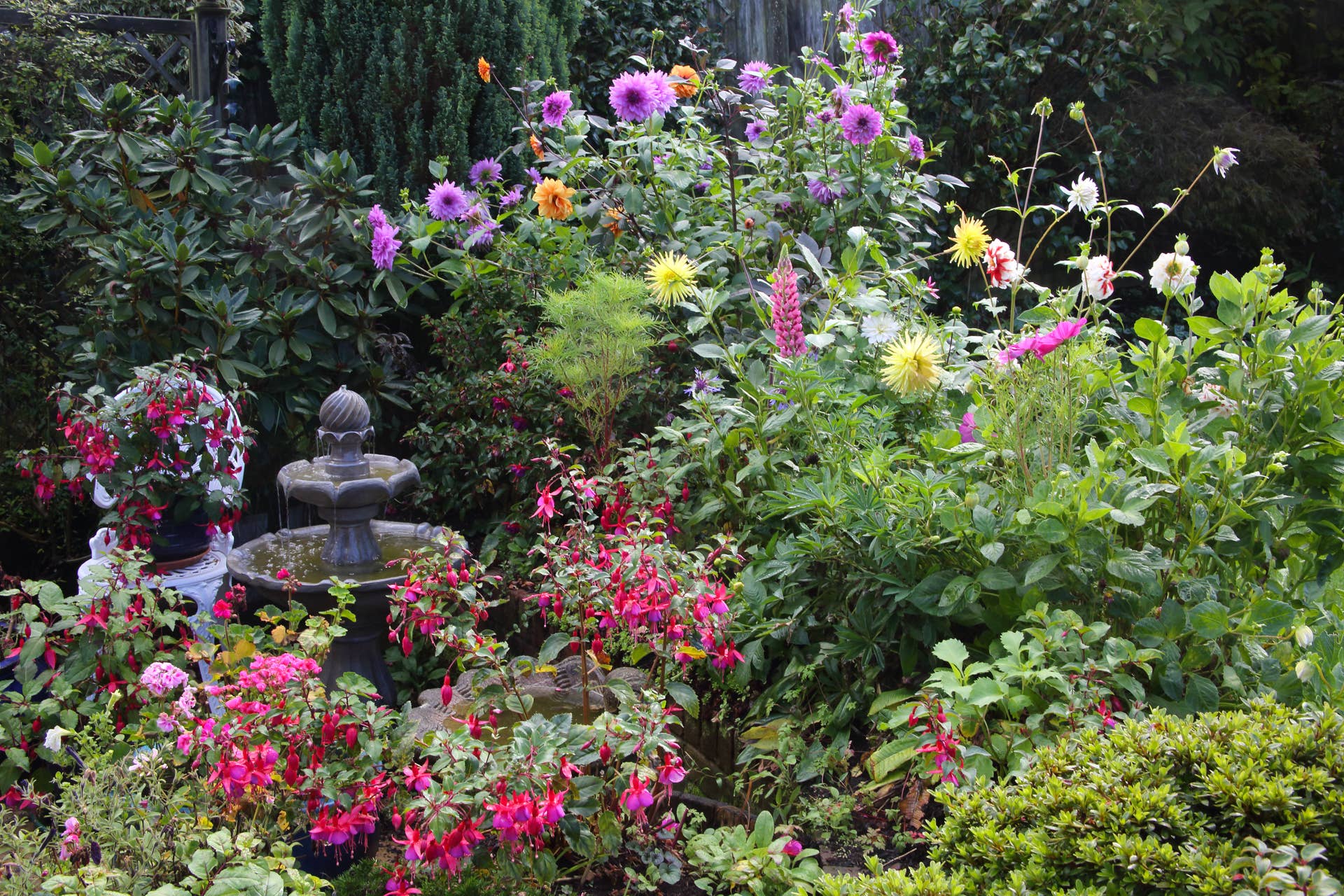
In summer, place feeders where birds find shade from the hot sun. Near leafy trees or shrubs works well. Shade protects birds and keeps seeds fresh longer. Also, avoid windy spots to prevent seed spillage.
In winter, move feeders closer to shelter like evergreens or thick bushes. These spots shield birds from cold winds and predators. Sunlit areas help keep seed dry and birds warm. Keep feeders away from icy patches for safety.
Adapting To Bird Migration Patterns
Bird migration changes which species visit your feeder. Spring and fall bring many new birds passing through. Adjust feeder location to areas birds prefer during these times. Open spaces near water attract migrating birds.
Watch for local bird activity to learn their favorite feeding spots. Move feeders accordingly to provide easy access. This helps attract a variety of species and supports them on their journey.
Credit: dengarden.com
Frequently Asked Questions
Where Is The Best Spot For A Bird Feeder In A Garden?
Place bird feeders near trees or shrubs for shelter. Ensure it’s visible from windows but safe from predators. Avoid windy or noisy areas to attract more birds comfortably.
How High Should A Bird Feeder Be Hung?
Hang feeders 5 to 6 feet off the ground. This height protects birds from cats and other predators. It also makes feeding easier for birdwatchers and keeps the feeder stable.
Should Bird Feeders Be Near Water Sources?
Yes, placing feeders close to water encourages more bird visits. Birds need water for drinking and bathing, so nearby water attracts them. A garden pond or birdbath works perfectly.
How Far Should A Bird Feeder Be From Windows?
Keep feeders at least 3 feet away from windows. This distance helps prevent bird collisions and injuries. Alternatively, place feeders within 30 feet but use window decals for safety.
Conclusion
Choosing the right spot for your bird feeder enhances your garden’s appeal. Birds need safety and easy access to food. Place feeders near bushes or trees for protection. Ensure it’s not too close to your home to avoid disturbances. Consider the view from your window for enjoyable bird watching.
Keep the area clean to attract more birds and prevent diseases. Regularly check and refill the feeder. A well-placed bird feeder brings life and joy to your garden. Enjoy the chirping and fluttering of your feathered friends!