
Have you ever watched a hummingbird darting from flower to flower and wondered what kind of blooms attract these tiny, dazzling birds? If you want to invite these incredible creatures into your garden, knowing which flowers they love is key.
You’ll discover the best types of flowers that hummingbirds feed on, helping you create a vibrant, buzzing haven right outside your door. Keep reading to learn how to make your garden a favorite stop for these amazing little visitors.
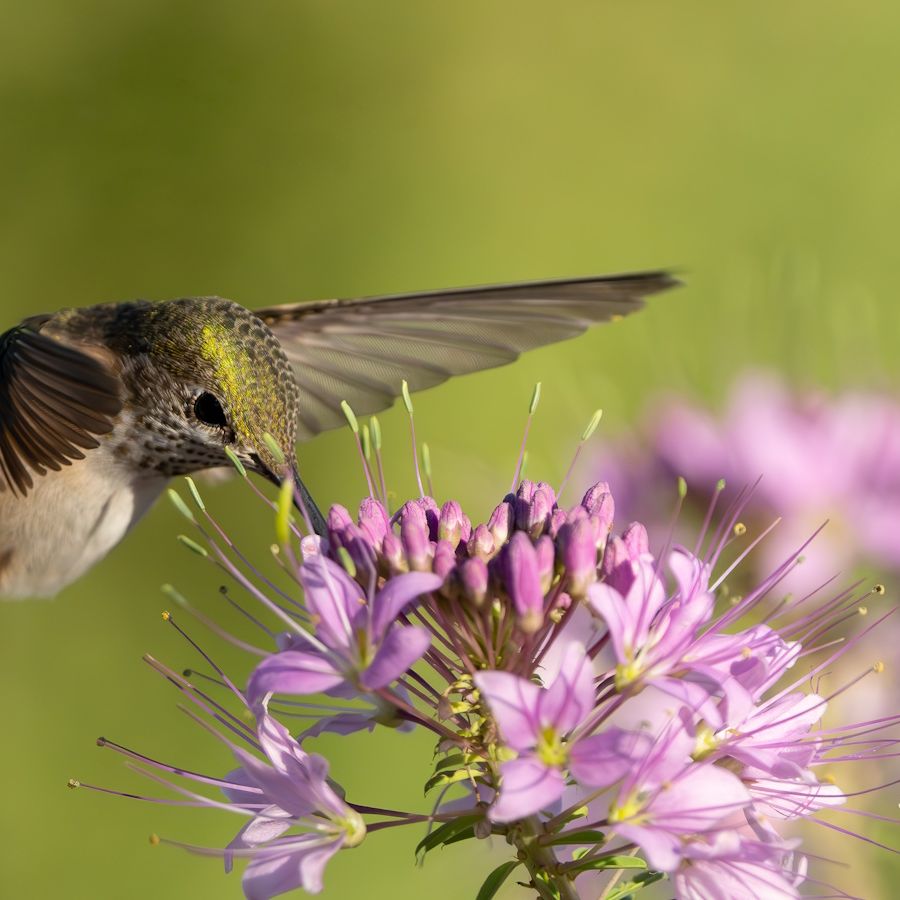
Credit: www.homesandgardens.com
Hummingbird Feeding Habits
Hummingbirds have unique feeding habits that suit their fast metabolism. These tiny birds feed mostly on nectar, which gives them energy to fly quickly. Their feeding behavior is adapted to find flowers rich in sugar. Understanding their feeding habits helps gardeners attract hummingbirds to their yards.
Nectar Preferences
Hummingbirds prefer flowers with high sugar content in nectar. They like bright colors, especially red, orange, and pink. Tubular-shaped flowers are ideal because they fit the hummingbird’s long bill. The nectar must be easy to reach and fresh. Flowers producing a lot of nectar attract more hummingbirds.
Feeding Frequency
Hummingbirds eat often throughout the day. They visit hundreds of flowers daily. Their fast heartbeat and energy use require constant feeding. They spend minutes at each flower, sipping nectar. Rest periods happen between feeding to save energy.
Role Of Flowers In Diet
Flowers provide essential nutrients besides sugar. Nectar is the main energy source, but flowers also offer small amounts of protein and minerals. Pollen sometimes adds nutrients. The variety of flowers helps hummingbirds get balanced nutrition. Healthy flowers support healthy hummingbirds.

Credit: www.yahoo.com
Flower Characteristics Attracting Hummingbirds
Understanding what draws hummingbirds to certain flowers can help you create a garden that buzzes with life. Hummingbirds are not just attracted to any bloom; they look for specific traits that meet their feeding needs. Knowing these flower characteristics will help you choose plants that invite these tiny birds to visit your outdoor space regularly.
Color And Shape
Hummingbirds are naturally drawn to bright colors, especially reds, oranges, and pinks. These colors stand out to them more than others, making the flowers easier to spot from a distance.
The shape of the flower also matters. Tubular flowers are ideal because they fit the hummingbird’s long beak and tongue perfectly, allowing easy access to nectar. Think of flowers like trumpet vine or columbine—they offer a perfect shape for feeding.
Nectar Production
The amount and concentration of nectar a flower produces is key to attracting hummingbirds. They prefer flowers that produce a high volume of sweet nectar since their energy needs are very high due to constant flying.
Flowers like bee balm and salvia are known for their rich nectar supply. You might notice that hummingbirds linger longer around these plants, making your garden lively and full of movement.
Scent And Accessibility
Unlike many other pollinators, hummingbirds rely more on sight than smell, so the scent of the flower is less important. However, flowers with little to no scent are often preferred because strong scents can sometimes repel hummingbirds.
Accessibility is crucial. Flowers should be positioned so that hummingbirds can hover easily while feeding. Open clusters of flowers or those on thin, flexible stems work best, making it easier for these agile birds to maneuver.
Top Flowers For Hummingbirds
Hummingbirds are drawn to flowers that offer rich nectar and bright colors. Their favorite blooms usually have tubular shapes that fit their long beaks. Planting the right flowers can invite these tiny birds to your garden. Here are the top flowers that hummingbirds love.
Native Flower Species
Native flowers provide the best nectar for hummingbirds in your area. They have evolved alongside local wildlife and suit hummingbirds’ feeding needs perfectly.
- Bee Balm (Monarda): Bright red and pink flowers attract hummingbirds easily.
- Cardinal Flower (Lobelia cardinalis): Its striking red blooms are a hummingbird favorite.
- Columbine (Aquilegia): These flowers have unique shapes that hummingbirds enjoy.
- Trumpet Creeper (Campsis radicans): Offers large, trumpet-shaped flowers full of nectar.
Popular Garden Choices
Many gardeners pick flowers that are easy to grow and appeal to hummingbirds. These plants bring color and life to any garden space.
- Fuchsia: Known for its hanging, tube-shaped flowers perfect for feeding.
- Salvia: Comes in various colors and blooms for a long season.
- Zinnia: Bright and open flowers that attract hummingbirds and butterflies.
- Petunia: Offers vibrant colors and a sweet scent loved by hummingbirds.
Seasonal Blooming Patterns
Different flowers bloom at various times of the year. Planting a mix ensures hummingbirds find food all season.
| Season | Flower Examples | Bloom Time |
|---|---|---|
| Spring | Columbine, Bee Balm | April to June |
| Summer | Salvia, Cardinal Flower | June to August |
| Fall | Trumpet Creeper, Zinnia | September to October |
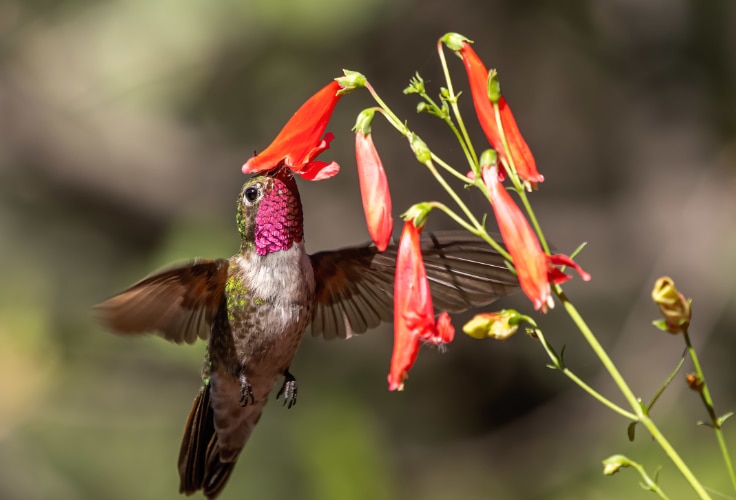
Credit: avibirds.com
Planting Tips For Hummingbird Gardens
Creating a hummingbird garden is rewarding and fun. Choosing the right plants helps attract these tiny birds. Planning the garden carefully boosts your chances of seeing hummingbirds often. Paying attention to location, plant types, and care matters a lot.
Best Locations
Pick a sunny spot with some shade during the hottest hours. Hummingbirds like places where they can rest and hide from predators. Near trees or shrubs works well. Avoid windy areas, as hummingbirds prefer calm spaces. Place flowers close together for easy feeding.
Companion Plants
Mix different flowers that bloom at various times. Red, orange, and pink flowers attract hummingbirds best. Tubular shapes suit their long bills. Add plants like trumpet vine, bee balm, and columbine. Include herbs like basil or mint for extra color and scent. These plants also support pollinators.
Maintenance And Care
Water plants regularly but avoid overwatering. Deadhead flowers to encourage new blooms. Remove weeds to reduce competition for nutrients. Use natural pest control to keep plants healthy. Check plants often for signs of stress or disease. Healthy flowers produce more nectar, attracting more hummingbirds.
Hummingbird-friendly Flower Alternatives
Finding the right flowers to attract hummingbirds can transform your garden into a lively, colorful haven. While native plants are often the best choice, there are plenty of hummingbird-friendly flower alternatives that can thrive in various environments. These options not only attract hummingbirds but also add unique beauty and variety to your outdoor or indoor spaces.
Non-native Flowers
Non-native flowers can be just as appealing to hummingbirds as native species. Plants like the trumpet vine, fuchsia, and salvias are known for their bright colors and tubular shapes, perfect for hummingbird feeding. You might be surprised how these flowers can flourish in your garden while providing excellent nectar sources.
Try planting a mix of red, orange, and pink blooms to catch hummingbirds’ attention. Have you noticed how certain colors seem to attract more visitors? Experiment with placement and watch which flowers become favorites.
Indoor Plant Options
Don’t have a garden or outdoor space? You can still invite hummingbirds close by growing hummingbird-friendly plants indoors. Consider keeping potted hibiscus, mandevilla, or even some miniature trumpet flowers near sunny windows. These plants produce nectar-rich flowers that hummingbirds can easily spot through glass.
Indoor plants offer a unique chance to observe hummingbirds up close. Have you ever watched their quick wing beats and delicate feeding habits from inside your home? Setting up a small indoor garden can turn your living space into a hummingbird hotspot.
Pollinator Support Plants
Pollinator support plants do more than just attract hummingbirds—they help sustain healthy ecosystems. Including plants like bee balm, columbine, and penstemon in your garden supports a variety of pollinators, creating a buzzing, fluttering community. These flowers are rich in nectar and often bloom in succession, giving hummingbirds a steady food supply.
Think about how your garden could become a sanctuary not just for hummingbirds but for all pollinators. Could adding these supportive plants make a difference in your local environment? Your choices can have a powerful impact beyond just your backyard.
Frequently Asked Questions
What Flowers Attract Hummingbirds The Most?
Hummingbirds are attracted to brightly colored, tubular flowers. Red, orange, and pink flowers like trumpet vine, bee balm, and salvia are favorites. These flowers provide easy access to nectar, which is the primary food source for hummingbirds.
Do Hummingbirds Prefer Native Or Exotic Flowers?
Hummingbirds prefer native flowers because they offer nectar suited to their needs. Native plants like columbine and honeysuckle support local ecosystems and attract more hummingbirds compared to exotic species.
How Does Flower Shape Affect Hummingbird Feeding?
Tubular-shaped flowers suit hummingbirds’ long beaks and tongues. This shape allows them to easily reach nectar deep inside the flower. Flat or open flowers are less attractive because they don’t provide easy nectar access.
Can Hummingbirds Feed On Any Colored Flowers?
Hummingbirds mainly prefer red, but they also visit orange, pink, and purple flowers. They are less attracted to blue and yellow flowers. Bright colors signal rich nectar sources, making them more appealing.
Conclusion
Hummingbirds love bright, tubular flowers with plenty of nectar. Red, orange, and pink flowers attract them the most. They prefer flowers that are easy to reach with their long beaks. Planting these flowers helps bring hummingbirds to your garden. Watching these tiny birds feed is a joyful experience.
Choose native flowers for the best results. Your garden can become a lively spot for hummingbirds. Keep watering and caring for the plants. Soon, you will see more hummingbirds visiting daily. Nature’s small wonders are closer than you think.