
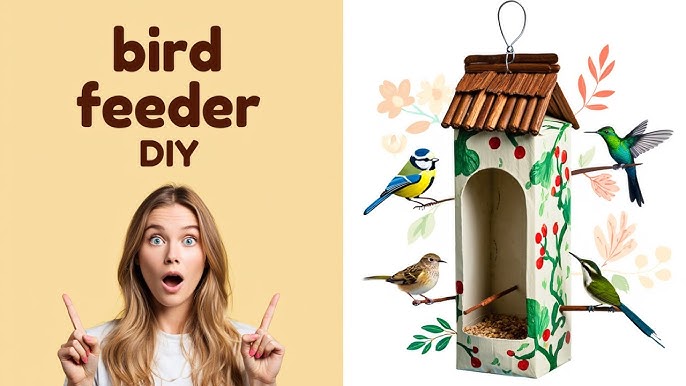
Have you ever wanted to bring more birds to your garden without spending a lot of money? Making a bird feeder using a milk carton is easier than you think.
With just a few simple steps, you can turn an empty carton into a cozy spot for birds to enjoy. Imagine watching colorful birds visit your yard every day, all because of something you created. Keep reading, and you’ll learn exactly how to make your own bird feeder quickly and easily.
Your feathered friends are waiting!

Credit: parade.com
Materials Needed
Gathering the right materials is the first step in making a bird feeder from a milk carton. The list is simple and easy to find. Most items are common household supplies. This makes the project budget-friendly and quick to start.
Using the correct materials ensures your bird feeder is sturdy and safe for birds. It also helps the feeder last longer outdoors. Below are the essential items you will need.
Milk Carton
Choose a clean, empty milk carton. It should hold at least one liter. A carton with a screw cap works best. This will be the main body of the feeder.
Cutting Tools
- Scissors or a craft knife for cutting openings
- Utility knife for precise cuts
String Or Twine
Use strong string or twine to hang the feeder. Nylon or cotton string works well. Make sure it can hold the feeder’s weight.
Birdseed
Fill the feeder with birdseed suitable for local birds. Mixed seeds attract a variety of species. Avoid spoiled or moldy seeds.
Adhesive Tape Or Glue
Use waterproof tape or strong glue. This helps secure parts and prevent leaks. It also reinforces the feeder’s structure.
Paint Or Markers (optional)
Decorate the feeder with non-toxic paint or markers. This step is optional but adds a personal touch. Avoid toxic materials to keep birds safe.
Preparing The Milk Carton
Preparing the milk carton is the first important task in making a bird feeder. It ensures the feeder is safe and functional for the birds. Taking time to clean and cut the carton properly helps create a sturdy base for your feeder.
Cleaning The Carton
Start by rinsing the milk carton with warm water. Remove any leftover milk or residue inside. Use mild soap and a soft sponge to clean it well. Rinse thoroughly to avoid soap smell. Let the carton dry completely before moving on.
Cutting The Opening
Choose the side where you want the birds to feed. Mark a rectangular or oval opening about 4 to 6 inches wide. Use a sharp pair of scissors or a craft knife carefully. Cut along the marked lines to create the feeding hole. Smooth any rough edges with sandpaper or tape for safety.
Assembling The Feeder
Bringing your milk carton bird feeder to life happens during assembly. This stage transforms simple materials into a cozy spot for birds to visit. Paying attention to details now ensures your feeder is both functional and inviting for feathered friends.
Adding Perches
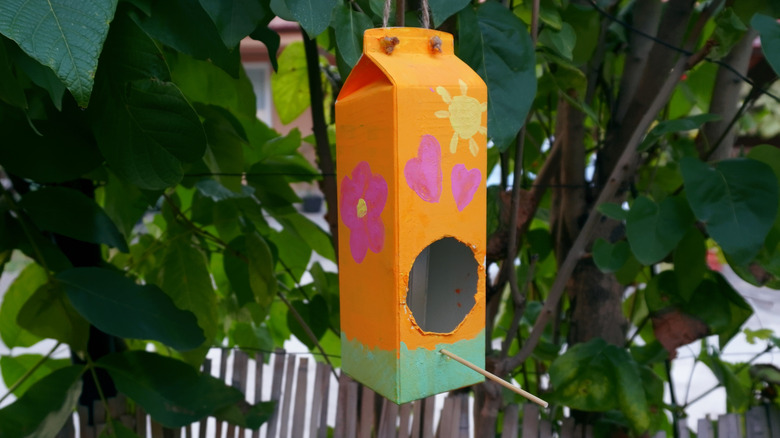
Birds need a place to land, so adding perches is essential. Use wooden skewers, pencils, or sturdy sticks that fit comfortably through the carton walls.
Carefully poke small holes on opposite sides of the carton, about an inch below the feeding hole. Slide the perch through and make sure it’s secure but not too tight to avoid cracking the carton.
Consider adding more than one perch if you want to attract multiple birds at once. Have you noticed how different birds prefer different perch sizes? Try mixing thicknesses to see what works best in your garden.
Securing The Feeder
Once the perches are in place, it’s time to think about how to hang or place your feeder. A strong string or wire threaded through the top works well for hanging from tree branches.
Make sure the feeder hangs steadily without swinging too much. Excessive movement can scare birds away or spill the seed.
Alternatively, placing your feeder on a stable surface works if you don’t want it to hang. Just ensure it’s raised enough to keep the seed safe from other animals.
Have you thought about how weather might affect your feeder? Choosing a sheltered spot can protect it from rain and wind, keeping the seed dry and fresh longer.
Decorating Ideas
Decorating your milk carton bird feeder adds a personal touch that makes it stand out in your garden. It’s also a chance to get creative and make something that birds and people alike will enjoy. Simple materials and a bit of imagination can turn a plain carton into a charming bird haven.
Using Non-toxic Paints For A Colorful Finish
Choose non-toxic, water-based paints to keep your feeder safe for birds. Bright colors like red, yellow, or blue can attract different bird species. You can paint patterns, stripes, or even little bird shapes to give your feeder personality.
I once painted a few sunflowers on my feeder, and it became a favorite spot for cardinals. What colors do you think would attract birds in your area?
Adding Natural Elements For A Rustic Look
Glue small twigs, pine cones, or dried leaves around the carton to blend your feeder with the natural environment. These textures make your feeder look inviting and help it fit into a garden setting. Just make sure the glue you use is weatherproof.
Using natural elements can also provide extra perching spots for birds. Have you ever noticed how birds prefer feeders that feel like part of their habitat?
Decorating With Recycled Materials
Use leftover fabric scraps, buttons, or bottle caps to decorate your bird feeder. These materials add color and texture while keeping the project eco-friendly. Attach them with strong glue or waterproof tape to ensure durability.
This approach keeps your craft budget-friendly and reduces waste. What recycled items do you have at home that could brighten up your feeder?
Personalizing With Handwritten Messages Or Names
Write a message or the name of your feeder with a permanent marker. You could label it with the types of birds you hope to attract or a fun bird-related quote. This adds a touch of personality and can make your feeder a conversation starter.
Once, I wrote “Welcome, feathered friends” on mine, and it made the project feel more meaningful. What message would you like to share with your visitors?
Choosing Bird Feed
Choosing the right bird feed is essential to attract the birds you want to see at your homemade milk carton feeder. Different birds prefer different types of seeds and foods, so understanding their tastes can help you fill your feeder with the most appealing options. Have you ever noticed which birds visit your yard naturally? That’s a great starting point to decide what feed to use.
Understanding Bird Preferences
Not all birds eat the same food. Some like sunflower seeds, while others prefer millet or cracked corn. Knowing the species common in your area helps you pick the right feed and avoid wasting food.
For instance, finches love nyjer seeds, and cardinals go for safflower seeds. If you want a variety of birds, consider mixing different seed types. This way, your feeder becomes a hub for diverse species.
Types Of Bird Feed
- Black Oil Sunflower Seeds:High in oil and easy to crack, perfect for many backyard birds.
- Nyjer Seeds:Tiny seeds loved by finches, but require special feeders with small holes.
- Millet:Favored by ground-feeding birds like sparrows and juncos.
- Safflower Seeds:Enjoyed by cardinals and some woodpeckers; less attractive to squirrels.
- Cracked Corn:Attracts larger birds like doves and jays but can spoil quickly if wet.
Considering Seasonal Changes
Bird food needs change with the seasons. In winter, birds require high-energy food like sunflower seeds to stay warm. During spring and summer, they may prefer softer foods or suet to support nesting and feeding young.
Think about what you want to support at each time of year. Offering a variety ensures your feeder remains attractive all year long and helps local birds thrive when they need it most.
Tips To Keep Feed Fresh
Keeping your bird feed fresh is key to preventing mold and disease. Store seeds in a cool, dry place before adding them to your feeder. Regularly clean your milk carton feeder to avoid old seed buildup.
Have you ever seen birds avoid a feeder? Often, stale or moldy feed is the reason. Fresh food encourages regular visits and keeps your feathered friends healthy.
Credit: recycledcrafts.craftgossip.com
Placing The Feeder Outside
Placing your homemade milk carton bird feeder outside is more than just hanging it up. The right spot ensures birds feel safe and eager to visit. It also helps you enjoy watching them up close without disturbing their natural behavior.
Best Locations
Choose a spot that’s visible from your favorite window so you can watch the birds anytime. Trees or shrubs nearby provide natural shelter and perches, making birds more comfortable. Avoid placing the feeder too close to busy walkways or areas with frequent pet activity.
- Near a window for easy viewing
- Close to bushes or trees for cover
- Away from high-traffic zones
- At least 5 feet off the ground to deter predators
I once placed my feeder right on the porch, but birds rarely came. Moving it closer to the shrubs made a big difference—they felt safer and started visiting daily. How might shifting your feeder’s location change the birds’ behavior in your yard?
Safety Tips
Keep your feeder away from places where cats or squirrels can easily reach it. Make sure it’s secured firmly to prevent it from swinging too much in the wind, which can scare birds away. Regularly clean the feeder to avoid spreading diseases among visiting birds.
- Hang the feeder with strong string or wire
- Place it where predators can’t jump or climb easily
- Clean the feeder every two weeks using mild soap and water
- Check for moldy or wet seed and replace it promptly
One winter, I neglected cleaning my feeder and noticed fewer birds visiting. Once I cleaned it properly, the activity picked up again. What small changes in your feeder’s care could boost bird visits and keep them healthy?
Maintaining Your Feeder
Maintaining your milk carton bird feeder is key to keeping it safe and inviting for birds. A clean feeder prevents mold and disease, protecting both the birds and your feeder’s longevity. Regular upkeep also ensures that the feeder remains sturdy and attractive throughout the seasons.
Cleaning Your Feeder Regularly
Bird feeders can quickly get dirty with old seeds and droppings. Clean your feeder every two weeks using warm water and mild soap. Avoid harsh chemicals that could harm birds.
Rinse thoroughly to remove all soap residues. Dry the feeder completely before refilling it to prevent mold growth. Have you noticed how much fresher the birds seem when the feeder is clean?
Protecting Against Weather Damage
Milk cartons aren’t designed to last outdoors forever. To protect your feeder, consider applying a non-toxic waterproof spray. This helps prevent water damage and extends the feeder’s life.
Check your feeder after heavy rain or wind. If you see cracks or wear, repair or replace it promptly. How often do you inspect your feeder after storms?
Refilling And Monitoring Seed Quality
Use fresh, dry seeds to attract more birds and reduce spoilage. Store seeds in a cool, dry place to keep them fresh longer. Avoid letting old seeds accumulate in the feeder, as they can attract pests.
Observe which seeds the birds prefer and adjust your offerings accordingly. Have you tried mixing different seed types to see which birds visit most?
Credit: www.outdoorguide.com
Frequently Asked Questions
How Do I Prepare A Milk Carton For A Bird Feeder?
Clean the milk carton thoroughly and remove all labels. Cut openings for birds to access seeds. Ensure edges are smooth to prevent injury. This preparation makes the feeder safe and inviting for birds.
What Materials Are Needed Besides The Milk Carton?
You will need scissors, string or wire for hanging, birdseed, and a marker. Optional items include paint for decoration and a small stick for perches. These materials help create a functional and attractive feeder.
How Do I Hang The Milk Carton Bird Feeder?
Poke holes near the top of the carton’s sides. Thread string or wire through the holes securely. Hang the feeder from a tree branch or hook. This setup keeps the feeder stable and accessible to birds.
What Types Of Birdseed Work Best In A Milk Carton Feeder?
Use a mix of sunflower seeds, millet, and cracked corn. These attract a variety of common garden birds. Avoid seeds that spoil quickly or attract pests. Proper seed choice ensures more bird visitors.
Conclusion
Creating a bird feeder from a milk carton is simple and fun. It’s a great way to recycle and help nature. Birds will flock to your garden, bringing joy and life. Kids and adults alike can enjoy this easy project.
Plus, you can customize the feeder with colors and designs. Watching birds feed can be soothing and educational. So gather your materials and get crafting. Enjoy watching your new feathered friends visit. It’s rewarding and beneficial for the environment. Try it today and see the difference it makes.