
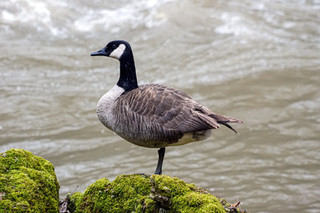
Have you ever found yourself wondering what to do with that leftover stale bread? Instead of tossing it in the trash, you might be thinking about sharing it with the birds outside.
But is feeding stale bread to birds really a good idea? You want to do the right thing for your feathered friends, but it’s hard to know what’s safe and what isn’t. Keep reading, and you’ll discover the surprising truth about stale bread and how it affects birds.
You’ll also learn simple tips to help you feed them in a way that keeps them healthy and happy. Don’t miss out—your backyard birds depend on you!

Credit: www.reddit.com
Risks Of Feeding Stale Bread
Feeding stale bread to birds may seem harmless, but it carries several risks. Birds need good nutrition for survival. Bread offers little value and can harm their health. This practice affects not only birds but also the environment around them. Understanding these risks helps make better choices for wildlife care.
Nutritional Concerns
Bread lacks essential nutrients birds require. It contains mainly carbohydrates and little protein or vitamins. Birds eating too much bread can suffer from malnutrition. This weakens their immune system. It also reduces their ability to find natural food.
Health Issues For Birds
Stale bread can cause digestive problems in birds. Moldy bread may carry harmful fungi. Eating it may lead to illness or infections. Overfeeding bread can cause obesity and deformities. Birds may develop a condition called “angel wing,” which affects their flight.
Environmental Impact
Leftover bread attracts pests like rats and insects. It pollutes water bodies when thrown near ponds or lakes. Excess food can cause algae growth, harming aquatic life. Feeding bread disrupts natural feeding patterns of birds. It may encourage overcrowding and aggressive behavior among birds.

Credit: www.cbc.ca
When Is Bread Safe For Birds?
Knowing when bread is safe for birds is important to keep their health in check. Not all stale bread is harmful, but some types and conditions can pose risks. Understanding how to identify safe bread can help you enjoy feeding birds without unintended consequences.
Signs Of Edible Bread
Freshness matters more than you might think. Bread that is dry but free from mold or an unusual smell is generally safe for birds.
Look for these signs before offering bread to birds:
- No visible mold or discoloration
- Dry texture rather than soggy or damp
- No sour or off-putting odor
Once, I fed some slightly stale bread to the sparrows in my backyard, and they eagerly ate it without any issues. This showed me that a little dryness doesn’t mean the bread is bad for birds.
Types Of Bread To Avoid
Some bread types can be harmful or difficult for birds to digest. Avoid bread with added sugars, salt, or artificial ingredients, as these can upset a bird’s stomach.
Stay away from:
- Moldy bread – it can cause illness
- Sweet breads like cinnamon or raisin bread
- Bread with preservatives or artificial colors
Rich and flavored breads might seem harmless, but they can lead to health problems over time. Your choice of bread can make a big difference in bird safety.
Portion Control
Even safe bread should be given in moderation. Birds need a balanced diet, and too much bread can fill them up without providing the nutrients they require.
Try these tips:
- Offer small pieces rather than large chunks
- Feed bread as an occasional treat, not a main meal
- Mix bread with seeds or grains for better nutrition
Have you ever noticed birds ignoring the bread after a while? That’s their way of telling you they need variety. Feeding in small amounts keeps the birds healthy and interested.
Better Alternatives To Stale Bread
Feeding birds stale bread is common but not ideal for their health. Birds need nutrients that bread cannot provide. There are better food options that support their well-being and natural diet. These alternatives offer vitamins, minerals, and energy birds need to thrive.
Seeds And Nuts
Seeds and nuts are a natural choice for many bird species. Sunflower seeds, millet, and peanuts provide healthy fats and proteins. These foods help birds build energy for flying and staying warm. Avoid salted or roasted nuts to keep birds safe.
Fruits And Vegetables
Fresh fruits and vegetables offer important vitamins and hydration. Apples, berries, and melon pieces are easy for birds to eat. Leafy greens like spinach and kale supply essential nutrients. Cut food into small bits to prevent choking and waste.
Commercial Bird Food
Specially made bird food mixes are balanced and safe. These products contain a blend of seeds, grains, and nutrients. They attract various bird types and support their health. Choose high-quality brands without artificial colors or flavors.
How To Feed Birds Safely
Feeding birds can be a joyful way to connect with nature, but doing it safely is crucial for their health and your enjoyment. Knowing how to feed birds correctly helps prevent harm and encourages them to return to your garden. Let’s look at the best ways to offer food and keep your feathered friends safe.
Proper Feeding Techniques
Offer small amounts of food at a time to avoid waste and spoilage. Birds prefer fresh, natural items like seeds, nuts, and certain fruits instead of processed or moldy bread. If you decide to feed bread, make sure it’s only a small portion and never moldy or heavily salted.
Scatter food on flat surfaces or use bird feeders designed for specific types of feed. This reduces the risk of birds choking or fighting over food. Try to observe how different species prefer to eat and adjust your feeding style accordingly.
Best Feeding Locations
Choose quiet, sheltered spots that protect birds from predators and harsh weather. Near trees or shrubs is ideal, as it offers quick cover if danger approaches. Avoid placing food too close to windows to prevent bird collisions.
Consider accessibility for you too—places where you can easily refill and clean feeders. A well-thought-out location keeps birds safe and your feeding routine manageable.
Maintaining Cleanliness
Clean feeding areas regularly to prevent disease spread among birds. Use warm, soapy water to wash feeders at least once a week or more often during wet weather. Remove uneaten food daily to stop mold and bacteria growth.
Keep your hands clean before and after handling bird food to protect both yourself and the birds. Regular maintenance creates a healthy environment that encourages birds to visit often and stay healthy.
Common Myths About Feeding Birds Bread
Many people believe feeding bread to birds is harmless or even helpful. However, there are several myths surrounding this practice that can mislead well-meaning bird lovers. Understanding these myths helps you make better choices for feeding wild birds and protecting their health.
Bread As A Primary Food Source
One common myth is that bread is a good main food source for birds. Bread lacks essential nutrients like protein, vitamins, and fats that birds need to stay healthy. If birds rely on bread too much, they might become malnourished and weak.
Think about your own diet—would you thrive eating mostly bread? Birds need variety just like you do. Instead, try feeding them seeds, nuts, or fruits to support their nutrition.
Birds’ Digestive Abilities
Some people assume birds can easily digest stale bread without any issues. But birds’ digestive systems are not designed to handle large amounts of processed bread. Bread can swell in their stomachs, causing discomfort or even blockages.
I’ve seen birds struggle after eating too much bread, and it’s heartbreaking. If you want to help, offer foods closer to what they naturally eat instead. This small change can make a big difference.
Impact On Bird Behavior
Feeding birds bread can alter their natural behavior, another myth often overlooked. Birds may gather in unnatural numbers around feeding spots, increasing competition and spreading disease.
Have you noticed aggressive behavior among birds at feeding areas? That’s often a result of easy, unnatural food sources like bread. Feeding them healthier options encourages natural foraging and reduces harmful crowding.

Credit: www.muranochickenfarm.com
Frequently Asked Questions
Can Birds Safely Eat Stale Bread?
Yes, birds can eat stale bread in small amounts. However, bread lacks essential nutrients and should not be their main food source.
Is Stale Bread Harmful To Wild Birds?
Stale bread is not toxic but can cause malnutrition if fed excessively. Always offer birds a balanced diet with seeds and grains.
How Often Can I Feed Birds Stale Bread?
Feed stale bread sparingly, ideally once a week. Frequent feeding may lead to poor health and dependency on human food.
What Are Better Alternatives To Stale Bread For Birds?
Offer birds seeds, nuts, fruits, and specially formulated bird food. These provide necessary nutrients for their health and energy.
Conclusion
Feeding stale bread to birds seems harmless, but it’s not ideal. Fresh seeds and fruits are better choices. Birds need nutrients, not fillers. Stale bread lacks essential vitamins. It can also lead to health issues. Moldy bread is even worse.
Harmful to birds’ health. Always check the bread’s condition. Choose safer alternatives when feeding birds. Keep their diet natural and nutritious. Encourage a healthy ecosystem. Help birds thrive by making informed choices. Small changes make a big difference. Your local birds will thank you.