
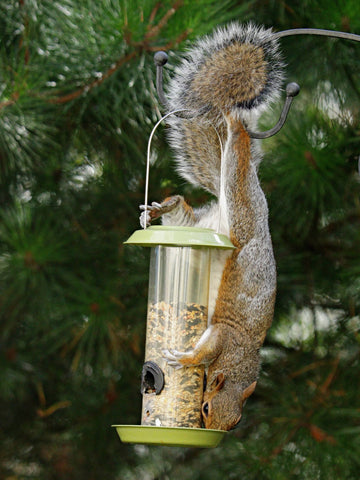
If you love watching squirrels and birds visit your yard, you probably want to give them the best food. But do you know what to feed squirrels and birds to keep them healthy and happy?
Feeding them the wrong foods can do more harm than good. You’ll discover simple, safe, and tasty options that will attract these lively creatures while supporting their well-being. Keep reading, and you’ll learn exactly what to offer your furry and feathered friends to make your outdoor space a natural haven.

Credit: www.reddit.com
Safe Snacks For Squirrels
Squirrels are active and curious creatures. Feeding them safe snacks helps keep them healthy. Choosing the right foods supports their natural diet. It also prevents digestive problems and other health issues. Below are some safe snack ideas for squirrels.
Nuts And Seeds To Offer
- Unsalted peanuts and almonds
- Sunflower seeds
- Walnuts and pecans
- Hazelnuts and pine nuts
- Pumpkin seeds
Always offer nuts and seeds in small pieces. Remove shells to avoid choking hazards. Avoid salted or flavored nuts as they can harm squirrels.
Fruits And Vegetables
- Apples (remove seeds)
- Bananas
- Carrots
- Blueberries
- Sweet corn
- Peas and green beans
Fresh fruits and vegetables provide vitamins and hydration. Wash produce thoroughly before feeding. Cut into small, manageable pieces for easy eating.
Avoiding Harmful Foods
- Chocolate and candy
- Processed or salty snacks
- Avocado
- Onions and garlic
- Raw beans and potatoes
- Anything moldy or spoiled
These foods can cause illness or be toxic. Stick to natural, fresh options only. Always monitor squirrels to ensure they eat safely.
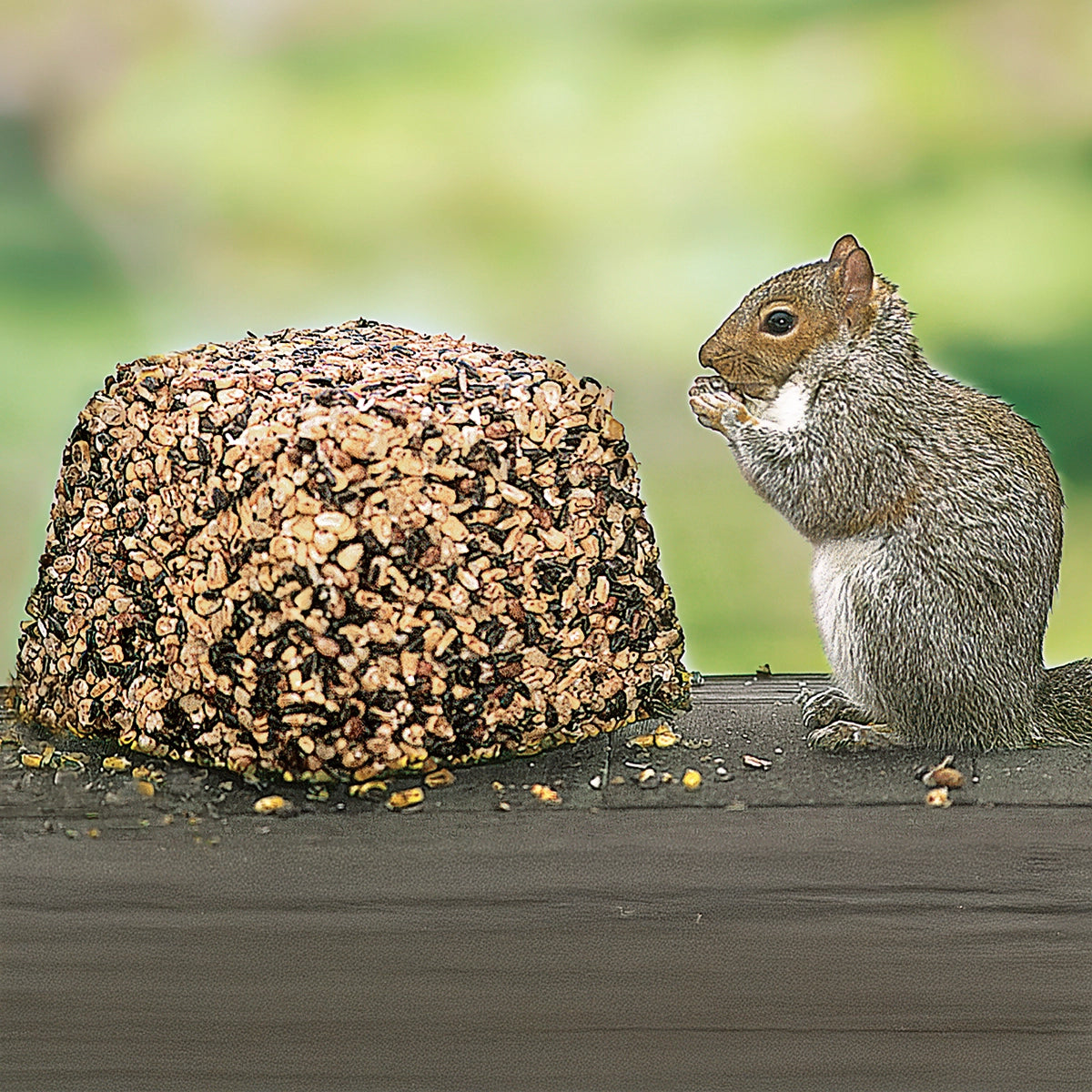
Credit: duncraft.com
Safe Snacks For Birds
Offering safe snacks to birds helps keep them healthy and active. Birds need food that matches their natural diet. Feeding them the right snacks supports their energy and well-being.
Choose foods that are easy to digest and free from harmful substances. Freshness matters. Old or moldy food can make birds sick. Clean feeding areas also reduce the risk of disease.
Best Seeds And Grains
- Sunflower seeds – high in fat and energy
- Millet – small and easy to eat
- Oats – whole or rolled, good for many birds
- Cracked corn – a favorite for larger birds
- Safflower seeds – safe and less attractive to squirrels
Fruits And Vegetables Birds Enjoy
- Apple slices – remove seeds before feeding
- Blueberries – rich in vitamins and antioxidants
- Carrot pieces – raw or cooked, soft enough to eat
- Peas – fresh or thawed from frozen
- Sweet corn kernels – fresh or cooked
Foods To Avoid For Birds
- Avocado – toxic and can cause heart failure
- Chocolate – contains theobromine, harmful to birds
- Salted or seasoned snacks – can cause dehydration
- Onions and garlic – may damage red blood cells
- Raw beans – contain harmful toxins
Feeding Tips And Best Practices
Feeding squirrels and birds is rewarding and fun. It helps them stay healthy and active. Following the right tips keeps them safe and happy. Proper feeding also protects your garden and home.
How To Offer Food Safely
Place food in clean feeders or on flat surfaces. Avoid feeding near busy roads or places with pets. Use fresh, natural food without added salt or sugar. Clean feeding areas regularly to stop mold and germs. Keep food off the ground to reduce pests and dirt.
Timing And Portion Control
Feed animals at the same time each day. Morning or late afternoon works best. Give small amounts to avoid waste and spoilage. Remove leftover food after a few hours. This helps keep animals eating natural foods too.
Preventing Dependency
Feed only part of their daily food needs. Encourage animals to find food on their own. Change feeding spots occasionally to avoid crowding. Avoid feeding during breeding seasons to support natural habits. Always let wild animals stay wild and strong.

Credit: feedsnneeds.ca
Creating A Wildlife-friendly Feeding Area
Creating a wildlife-friendly feeding area invites nature right to your doorstep. It’s not just about tossing food outside; it’s about building a safe, welcoming space where squirrels and birds can thrive. This means thinking carefully about feeders, cleanliness, and the variety of wildlife you want to attract.
Choosing The Right Feeder
Choosing the right feeder makes a big difference in who visits your garden. Squirrels are clever and persistent, so pick feeders designed to keep them entertained but not destructive. For birds, different species prefer different feeder styles—tube feeders work well for finches, while platform feeders attract larger birds.
Think about the material too. Metal feeders last longer and resist squirrel damage better than plastic ones. You might want to try a squirrel-proof feeder with weight-activated mechanisms that close access when a squirrel climbs on.
Maintaining Cleanliness
Clean feeders keep your wildlife healthy and your garden inviting. Regularly wash feeders with warm soapy water to prevent mold and bacteria. Leaving old seeds or droppings can cause diseases that harm birds and squirrels.
Cleaning also helps reduce unwanted pests like rats or ants. How often you clean depends on the weather and how many visitors you have, but a good rule is to clean every two weeks or more frequently during wet weather.
Attracting A Variety Of Species
Want more than just the usual neighborhood birds? Offering a variety of foods attracts a wider range of species. Try mixing seeds like sunflower, millet, and safflower, or add nuts for squirrels and certain birds.
Adding fresh water nearby will encourage birds to stay longer and even bring different species. Planting native shrubs or flowers around your feeding area gives extra food and shelter, making your space a true wildlife haven.
Seasonal Feeding Considerations
Feeding squirrels and birds throughout the year means paying attention to the changing seasons. Each season brings different weather challenges and food availability, which directly affect what and how you should feed these animals. Adjusting your feeding habits helps support their health and keeps your backyard visitors happy and thriving.
Adjusting Snacks By Season
Not all snacks suit every season. In colder months, animals need high-energy foods to stay warm, while in warmer months, lighter, moisture-rich options help them stay hydrated and active.
Think about what natural foods are scarce or abundant during each season. For example, in autumn, nuts and seeds are plentiful, so you can reduce handouts. But in winter, these become rare, making your feeding more valuable.
Have you noticed how squirrels hoard nuts in fall? It’s their way to prepare for winter’s scarcity. By offering extra nuts then, you support their natural behavior.
Winter Feeding Tips
During winter, provide calorie-dense snacks like sunflower seeds, peanuts (unsalted), and suet. These help squirrels and birds generate the energy needed to keep warm.
Offer food in sheltered areas to protect it from snow and ice. Use feeders that prevent moisture buildup to keep food fresh longer.
Remember, water can freeze in winter. Adding a heated birdbath or regularly changing water helps birds stay hydrated, which is just as important as food.
Summer Feeding Tips
Summer calls for lighter, moisture-rich foods to help animals beat the heat. Fresh fruits such as apples, berries, and melon pieces are great choices.
Offer seeds and nuts in moderation to avoid overfeeding. High-fat foods aren’t as necessary because animals find plenty of natural food during this time.
Providing fresh water is crucial in summer. A shallow dish or birdbath refreshed daily will attract more visitors and keep them healthy.
Frequently Asked Questions
What Foods Are Safe To Feed Squirrels?
Safe foods for squirrels include unsalted nuts, seeds, fruits like apples, and vegetables such as carrots. Avoid processed or sugary foods to keep them healthy and prevent harm.
Can Birds Eat The Same Food As Squirrels?
Birds and squirrels share some foods like seeds and nuts, but birds also need specialized birdseed mixes. Avoid feeding birds human snacks or salty nuts meant for squirrels.
How Often Should I Feed Squirrels And Birds?
Feed squirrels and birds once or twice daily in small amounts. Overfeeding can cause dependency and health issues, so provide fresh, clean food regularly but not excessively.
What Foods Should I Avoid Feeding Squirrels And Birds?
Avoid feeding squirrels and birds processed foods, sugary snacks, salty nuts, bread, and chocolate. These can harm their digestive systems and overall health.
Conclusion
Feeding squirrels and birds brings joy to your garden. Choose natural foods like seeds and nuts. Avoid processed snacks. Fresh fruits are a tasty choice. Offer water for hydration. Keep feeding areas clean. This keeps wildlife healthy. Watch for signs of illness in animals.
A balanced diet keeps them active. Enjoy the lively sights and sounds. Nature thrives with your care. Your efforts make a difference. Appreciate every chirp and scurry. They’re happy to visit you. Your garden becomes a sanctuary. Remember, kindness feeds both hearts and wildlife.
Keep observing and learning about them. Thank you for caring.