
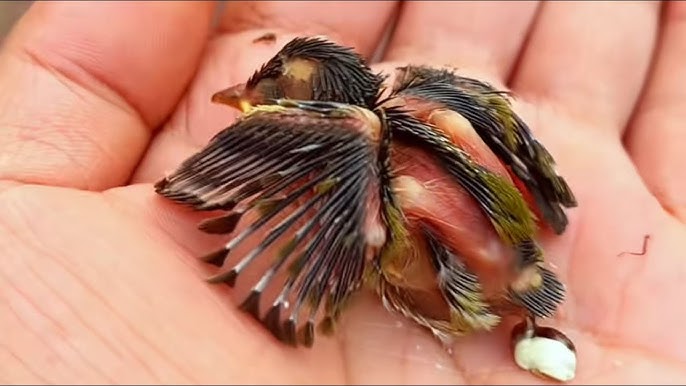
Have you ever found a bird that won’t eat or seems too weak to feed itself? It can be heartbreaking to see a small creature struggling, and you want to help—but you might not know where to start.
Feeding a bird that won’t eat isn’t as simple as offering seeds or crumbs. You need the right approach to make sure your feathered friend gets the nutrition it needs to recover and thrive. You’ll discover easy, practical steps to safely feed a bird in distress, so you can make a real difference in its life.
Keep reading, and you’ll learn exactly what to do next.
Signs A Bird Isn’t Eating
Recognizing when a bird isn’t eating is vital for its health. Birds can hide their illness, so spotting early signs helps you act fast. Changes in behavior and physical condition often signal feeding problems. Watch carefully for these clues to ensure your bird stays healthy.
Behavioral Changes
- Less active than usual or sleeping more during the day
- Avoiding food bowls or showing no interest in treats
- Repeatedly opening and closing the beak without eating
- Isolating itself from other birds or family members
- Increased irritability or unusual quietness
Physical Symptoms
- Weight loss or a visibly thinner body
- Dull or ruffled feathers that do not improve
- Swollen or inflamed areas around the beak or mouth
- Discharge or crust around the nostrils or eyes
- Changes in droppings, such as color or consistency
Credit: www.familyhandyman.com
Common Causes For Appetite Loss
Birds can lose their appetite for several reasons. Understanding these causes helps you care for them better. Appetite loss can signal health or environmental problems. Early detection is key to helping your bird recover quickly.
Illness And Injury
Illness often causes birds to stop eating. Common infections and diseases affect their appetite. Injury can make eating painful or difficult. Birds hide pain well, so watch for subtle signs. A sick bird may appear weak or lethargic.
Stress And Environment
Stress impacts a bird’s desire to eat. Changes in surroundings can frighten or confuse them. Loud noises, new pets, or moved cages cause stress. Lack of social interaction may also reduce appetite. A calm, stable environment encourages healthy eating habits.
Dietary Issues
Poor diet often leads to appetite loss. Birds need balanced nutrition for energy and health. Feeding the wrong foods can cause digestive upset. Spoiled or stale food may repel birds from eating. Fresh, appropriate food keeps birds interested and healthy.
Safe Feeding Techniques
Feeding a bird that won’t eat can be stressful. Safe feeding techniques ensure the bird gets proper nutrition without harm. These methods help provide food gently and carefully.
Patience and care are important. Birds have delicate throats and small mouths. Feeding the wrong way can cause choking or injury. Use techniques that support the bird’s health and comfort.
Hand-feeding Methods
Hand-feeding allows direct control over food delivery. Use clean hands to avoid infections. Offer small amounts of food at a time. Gently open the bird’s beak without force. Place food on the tongue or inside the mouth softly. Watch for signs of swallowing before offering more.
Using Feeding Syringes
Feeding syringes help feed liquid or soft food safely. Choose a syringe with a small tip to fit the bird’s mouth. Fill the syringe with prepared food or formula. Slowly squirt small drops into the side of the beak. Avoid pushing food too fast to prevent choking. Clean the syringe after each use.
Offering Soften Foods
Soft foods are easier to swallow and digest. Soak dry pellets or seeds in water until soft. Use mashed fruits or cooked vegetables as alternatives. Warm the food to room temperature before feeding. Soft food reduces the risk of choking and encourages eating.

Credit: www.allaboutbirds.org
Creating A Comfortable Feeding Environment
Creating a comfortable feeding environment is key to helping a bird that won’t eat. Birds are sensitive creatures that respond strongly to their surroundings. Adjusting the environment can make a big difference in encouraging your feathered friend to feel safe and ready to eat.
Reducing Stress Factors
Stress can quickly shut down a bird’s appetite. Loud noises, sudden movements, and unfamiliar people can all scare your bird away from food. Try to keep the feeding area quiet and calm, especially during feeding times.
Consider placing your bird’s cage in a low-traffic room where it can feel secure. You might have noticed your bird refuses to eat when guests visit — that’s a clear sign it needs a peaceful space. Also, avoid handling your bird excessively before feeding; gentle interactions work better.
Proper Lighting And Temperature
Lighting affects a bird’s mood and appetite more than you might think. Natural daylight is ideal because it supports their internal clock and encourages eating. If natural light isn’t available, use soft, warm artificial lighting instead of harsh fluorescents.
Temperature plays an important role too. Birds feel uncomfortable and may avoid food if it’s too cold or too hot. Maintain a steady temperature between 65°F and 75°F (18°C-24°C) to keep your bird comfortable during feeding.
Choosing The Right Food
Choosing the right food is essential to help a bird that won’t eat. Birds need a balanced diet to regain strength and stay healthy. Feeding them the proper food supports their recovery and well-being.
Nutrient-rich Options
Offer foods rich in nutrients to provide energy and vitamins. Seeds like sunflower and millet are popular and easy to find. Soft fruits such as apples, berries, and bananas supply vitamins and moisture. Cooked vegetables like peas and carrots add fiber and nutrients. Protein sources like mealworms or boiled eggs help muscle repair. Fresh water must always be available alongside the food.
Avoiding Harmful Foods
Some foods can harm birds and cause health problems. Avoid chocolate, caffeine, and alcohol as they are toxic. Do not feed salty, sugary, or processed human foods. Avocado is dangerous for many bird species. Raw beans and onions can upset digestion. Always check that food is fresh and clean to prevent illness.
When To Consult A Veterinarian
Knowing when to consult a veterinarian is crucial if your bird isn’t eating. Birds can hide illness well, so being alert to changes can save their life. Acting quickly can make the difference between a minor issue and a serious emergency.
Emergency Signs
Watch closely for these urgent symptoms that need immediate veterinary care:
- Difficulty breathing:Open-mouth breathing, wheezing, or tail bobbing.
- Severe lethargy:If your bird is unusually weak or unresponsive.
- Refusal to eat for more than 24 hours:Birds have fast metabolisms and can deteriorate quickly.
- Visible injuries:Bleeding, broken feathers, or swelling.
- Vomiting or diarrhea:These can quickly lead to dehydration.
If you notice any of these, don’t hesitate. Immediate vet attention is necessary to stabilize your bird and identify the cause.
Preparing For The Vet Visit
Before you head to the vet, prepare to make the visit as smooth and stress-free as possible for your bird.
- Secure a comfortable carrier:Use a small box or pet carrier lined with a soft towel.
- Keep your bird warm:Birds can lose body heat quickly when stressed or sick.
- Gather information:Note any changes in behavior, diet, and environment to share with the vet.
- Avoid feeding right before the visit:This prevents choking during transport if your bird is weak.
- Stay calm:Your bird will pick up on your emotions, so keep a steady voice and gentle touch.
Have you ever rushed to the vet only to feel unprepared? Taking these steps can help you feel confident and ready to advocate for your bird’s health.
Long-term Care And Monitoring
Providing long-term care and monitoring is crucial when feeding a bird that won’t eat on its own. Your commitment goes beyond just offering food; it involves close observation and adjustments based on your bird’s changing needs. This ongoing attention can make the difference between recovery and continued struggle.
Tracking Eating Habits
Keep a daily log of how much your bird eats and what types of food it prefers. Note any changes in appetite or refusal to eat specific items. This habit helps you spot patterns and potential problems early.
Watch for subtle signs like picking at food without swallowing or eating less than usual. These could indicate discomfort or illness. Have you noticed your bird’s favorite food suddenly ignored? That might be a red flag worth investigating.
Adjusting Diet Over Time
Your bird’s dietary needs will evolve as it recovers or grows. Start with easily digestible foods, then gradually introduce a variety of textures and nutrients. This approach prevents boredom and supports balanced nutrition.
If your bird shows interest in new foods, add them slowly and in small amounts. Avoid sudden diet changes that might upset its stomach. Remember, patience is key—your bird’s willingness to eat can improve with gentle encouragement and diverse options.

Credit: www.youtube.com
Frequently Asked Questions
How Do I Safely Feed A Wild Bird?
Offer birdseed in a clean feeder placed in a quiet area. Avoid bread and processed foods. Provide fresh water nearby to attract birds safely.
What Types Of Food Do Birds Prefer Most?
Birds like sunflower seeds, millet, and suet. Fruits like berries and apples also attract them. Avoid salty or sugary foods.
When Is The Best Time To Feed Wild Birds?
Feed birds early morning or late afternoon. These times help them find food for the day and rest at night.
How Often Should I Clean Bird Feeders?
Clean feeders every two weeks with warm soapy water. This prevents mold and disease, keeping birds healthy and safe.
Conclusion
Feeding a bird that won’t eat needs patience and care. Offer different foods gently. Observe its reactions to find what works best. Fresh food is key to entice reluctant eaters. Make feeding times calm and stress-free. Always consult a vet if problems persist.
Birds have unique needs, so learn and adapt. With time, your bird might start eating. Keep trying with love and understanding. Your efforts can make a big difference. A healthy bird is a happy bird. Enjoy the journey with your feathered friend.