
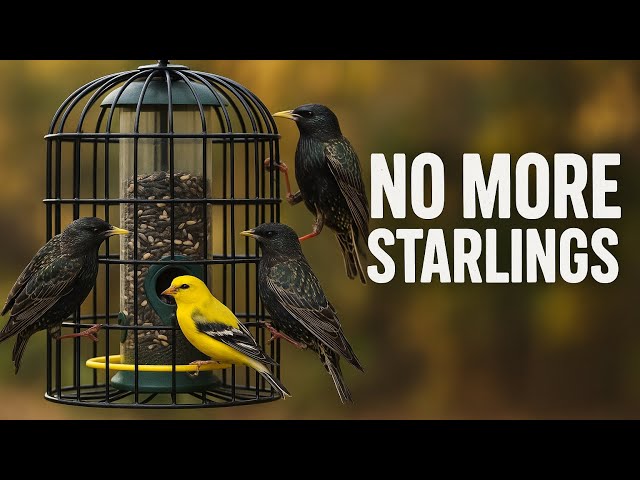
Are starlings taking over your bird feeder and chasing away the smaller birds you love to watch? You’re not alone.
These noisy, aggressive birds can quickly turn your peaceful backyard into their personal dining spot, leaving little for other feathered friends. But don’t worry—you can take back control. You’ll discover simple and effective ways to stop starlings at your feeder, so your garden becomes a welcoming haven for all the birds you want to see.
Keep reading to learn how to protect your feeder and enjoy the beauty of your favorite wild visitors again.

Credit: www.amazon.com
Why Starlings Visit Feeders
Starlings visit bird feeders because they find easy food sources there. These birds are social and often gather in groups. Feeders provide a reliable way for them to get meals without much effort. They are especially drawn to certain foods and feeder types.
Attractive Foods For Starlings
Starlings prefer foods that are easy to eat and high in energy. They like:
- Black oil sunflower seeds
- Millet
- Cracked corn
- Peanuts
- Suet cakes
These foods offer good nutrition and are easy to grab quickly. Starlings often ignore smaller seeds like nyjer or thistle.
Feeder Types They Prefer
Starlings favor feeders that allow many birds to feed at once. They often visit:
- Tray feeders
- Platform feeders
- Large hopper feeders
These feeders provide enough space for groups to eat together. Tube feeders with small perches are less attractive to starlings. Understanding their preferences helps in managing their visits.

Credit: www.birdwatchingdaily.com
Problems Caused By Starlings
Starlings might look charming in flocks, but they can quickly become a real headache at your bird feeder. Their presence often leads to several frustrating problems that affect not only your enjoyment but also the health and safety of other birds. Understanding these issues helps you take smarter steps to protect your feeder and the local bird community.
Aggressive Behavior
Starlings are known for their bold and aggressive nature. They often bully smaller birds, chasing them away to dominate the feeder. This behavior can leave other species hungry and stressed, reducing the diversity of birds you see in your yard.
Have you noticed your usual finches or chickadees suddenly disappear? It’s likely because starlings have taken over. Their aggression can escalate quickly, making it tough for peaceful birds to find food.
Impact On Other Birds
Beyond aggression, starlings can disrupt the local bird population balance. They compete for food and nesting sites, which may reduce breeding success for native birds. This competition can lead to fewer visits from your favorite feathered friends.
Starlings also carry diseases that can spread through bird communities. Allowing them to dominate feeders increases the risk of illness among other birds. Protecting your feeder means protecting all the birds that rely on it.
Mess And Noise Issues
Starlings are messy eaters. They scatter seeds everywhere, wasting food and attracting pests like rodents. This mess can be frustrating to clean up and may invite unwanted visitors to your yard.
Their loud, constant chatter can also disturb the peaceful atmosphere you want in your garden. Have you ever been startled by a sudden noisy flock? This noise pollution can be a real nuisance, especially early in the morning.
Choosing Starling-resistant Feeders
Choosing the right feeder can make a huge difference in keeping starlings away from your bird feeder. Some feeders are designed to be less attractive or even inaccessible to these aggressive birds, allowing smaller songbirds to feed peacefully. Understanding the types of starling-resistant feeders can help you protect your backyard visitors and enjoy watching a greater variety of birds.
Weight-sensitive Feeders
Weight-sensitive feeders close off access when a heavy bird like a starling lands. These feeders have a built-in mechanism that senses the bird’s weight and shuts the feeding ports or perches. This means smaller birds can eat freely, but starlings are kept out because they trigger the closure.
I once switched to a weight-sensitive feeder and noticed a dramatic drop in starling visits within days. The smaller finches and chickadees returned happily, while the starlings just couldn’t get a meal. Have you ever tried a feeder that reacts to bird weight?
Caged Feeders
Caged feeders are surrounded by a metal cage that blocks larger birds like starlings but allows smaller birds to enter. The cage openings are just big enough for songbirds to slip through but too small for starlings to squeeze in. This physical barrier is a simple and effective way to keep starlings off your feeder.
This type of feeder works especially well if starlings are dominating your feeding area. You don’t have to worry about complicated mechanisms—just the right size cage. Would you consider adding a cage around your feeder to protect it?
Tube Feeders With Small Ports
Tube feeders with narrow feeding ports limit access to birds with smaller beaks. Starlings have larger, stronger beaks that can’t fit into these small holes. By choosing feeders with tiny openings, you encourage smaller songbirds while discouraging starlings from feeding.
One of my favorite feeders has several tiny ports that attract cardinals and sparrows but keep starlings away. It’s fascinating how a simple design tweak can influence which birds visit. What types of birds do you most want to attract to your feeder?
Selecting Bird Food To Deter Starlings
Choosing the right bird food can make a big difference in keeping starlings away from your feeder. Starlings are aggressive and can quickly take over a feeding spot, but they have specific food preferences. By understanding what they avoid, you can create a more welcoming space for your favorite birds while discouraging starlings.
Seeds Starlings Avoid
Starlings tend to avoid seeds with hard shells or strong flavors. Black oil sunflower seeds, which many songbirds love, are often targeted by starlings, but there are better options to keep them at bay.
- Nyjer (thistle) seeds:Tiny and oily, these seeds attract finches but are less appealing to starlings.
- Safflower seeds:These have a bitter taste that starlings dislike, but cardinals and chickadees enjoy them.
- Millet:White proso millet is often ignored by starlings, making it a good choice for mixed bird feeders.
Have you noticed which seeds attract the most unwanted visitors at your feeder? Try swapping out your current mix with these to see if starlings start to lose interest.
Alternative Food Options
Beyond seeds, starlings usually avoid certain types of bird food that appeal to other species. Offering these alternatives can help you target the birds you want to attract.
- Suet cakes with insects:Woodpeckers and nuthatches love suet, while starlings often ignore it.
- Fruit and berries:Orioles and waxwings prefer fresh fruit, which starlings tend to avoid in feeders.
- Peanuts in shells:Many small birds enjoy cracking open peanuts, but starlings find them harder to handle.
Adjusting what you offer can shift the balance of visitors at your feeder. What if changing the food mix could give your feeder back to the birds you want?
Physical Barriers And Deterrents
Stopping starlings from taking over your bird feeder can be tricky. Physical barriers and deterrents work well to keep these birds away. They block access and make the feeder less attractive to starlings. Using these tools helps protect food for smaller birds. This section explains simple ways to use physical barriers and deterrents effectively.
Using Baffles And Guards
Baffles are shapes that block birds from reaching feeders. They are often cone or dome-shaped. Install them above or below the feeder. This stops starlings from landing or climbing. Guards work by covering parts of the feeder. They make it hard for large birds to eat. Both baffles and guards are easy to use. They fit many types of feeders. These tools let small birds feed without trouble.
Visual Deterrents
Visual deterrents scare starlings by creating movement or reflections. Shiny objects like aluminum foil strips or CDs work well. Hang them near the feeder to catch light and flutter in the wind. Plastic owls or hawk decoys can also help. Move these decoys regularly to keep birds cautious. Visual cues remind starlings to stay away. These deterrents do not harm birds but keep them at a distance.
Sound Devices
Sound devices produce noises that discourage starlings. Ultrasonic repellents use high-frequency sounds. These sounds are hard for humans to hear. They irritate starlings and make feeders less inviting. Other devices play distress calls of starlings. This tricks them into thinking the area is unsafe. Position sound devices near feeders for best effect. Keep sounds varied to prevent birds from getting used to them.
Feeding Strategies To Limit Starlings
Controlling starling visits at your bird feeder takes smart feeding strategies. Adjusting how and when you feed can help reduce their presence. These changes encourage native birds and discourage starlings from dominating your feeder space.
Timing And Location Of Feeders
Place feeders away from open areas where starlings gather. Choose spots near trees or shrubs for smaller birds to hide. Feed during early morning or late afternoon. Starlings tend to feed in large groups during midday. Feeding at these times lowers starling visits and helps other birds eat peacefully.
Feeding In Small Amounts
Offer food in small portions throughout the day. Starlings prefer large, continuous food supplies. Smaller amounts reduce their ability to dominate the feeder. This also keeps food fresh and less wasteful. Regularly refill feeders but avoid overfilling. This method supports native birds and limits starling control.
Maintaining Clean Feeders And Surroundings
Keeping bird feeders and their surroundings clean helps reduce starlings. Dirt and leftover food attract these birds. Clean feeders discourage starlings from visiting. A tidy area also protects other smaller birds.
Regular Cleaning Routines
Wash feeders every two weeks with warm, soapy water. Rinse well to remove soap residue. Dry feeders before refilling to prevent mold. Clean under feeders to remove dropped seeds and husks. Use a small brush to reach tight spots. Regular cleaning stops bacteria and mold buildup.
Reducing Food Spillage
Use feeders designed to limit seed spillage. Place trays or seed catchers under feeders. Avoid overfilling feeders to reduce waste. Choose seed types less likely to spill, like larger sunflower seeds. Clean spilled seeds daily to prevent attracting starlings. A neat feeding area keeps unwanted birds away.

Credit: roamwildproducts.co.uk
Legal And Ethical Considerations
Before taking steps to stop starlings from dominating your bird feeder, it’s important to understand the legal and ethical aspects involved. Starlings are often seen as nuisances, but they are still protected under various laws and deserve humane treatment. Ignoring these considerations can lead to unintended consequences for local ecosystems and even legal trouble for you.
Local Wildlife Regulations
Many regions have specific laws protecting birds, including starlings. You need to check your local wildlife regulations before taking any action that might harm or trap these birds. Some areas prohibit the use of lethal control methods or require permits for trapping.
Contact your local wildlife agency or visit their website to find out what is allowed. This ensures you don’t accidentally break the law while trying to protect your feeder. Have you ever thought about how wildlife laws balance human interests with conservation? Understanding these rules helps you make smarter choices.
Humane Deterrent Methods
Choosing humane ways to discourage starlings respects both the birds and the environment. Instead of harmful methods, consider options like:
- Using feeders designed to exclude larger birds but allow smaller ones.
- Adding visual deterrents such as reflective tape or moving objects.
- Offering foods that starlings find less appealing.
These solutions minimize stress and injury to the birds. From personal experience, switching to a tube feeder with smaller ports reduced starling visits without upsetting other songbirds. What humane method could you try today that protects your feeder and the birds?
Frequently Asked Questions
How Can I Deter Starlings From My Bird Feeder?
Use feeders with smaller perches designed for small birds. Avoid large platform feeders. Offer seeds preferred by smaller birds, like sunflower seeds or nyjer. Regularly clean the feeder to discourage starlings.
What Bird Feeder Types Repel Starlings Effectively?
Tube feeders with small ports and weight-sensitive perches work best. Avoid open tray or platform feeders, as starlings prefer these. Hopper feeders with adjustable openings can also help keep starlings away.
Which Seeds Do Starlings Avoid At Feeders?
Starlings dislike nyjer, safflower, and millet seeds. Use these seeds to attract smaller songbirds while deterring starlings. Avoid cracked corn and sunflower seeds, which attract starlings.
Can Noise Or Visual Deterrents Stop Starlings?
Yes, reflective tape, shiny objects, or scare-eye balloons can deter starlings. Playing predator calls intermittently also helps. Change deterrents often to maintain their effectiveness.
Conclusion
Keeping starlings away from your bird feeder can be challenging. Use effective strategies like choosing the right feeder. Consider foods that starlings dislike. Position your feeder smartly to deter them. Regular maintenance helps in keeping starlings away. Encourage other bird species by creating a diverse environment.
Patience and persistence are key. Over time, you’ll notice fewer starlings. Enjoy watching your favorite birds return. Your efforts will pay off. Happy birdwatching!