
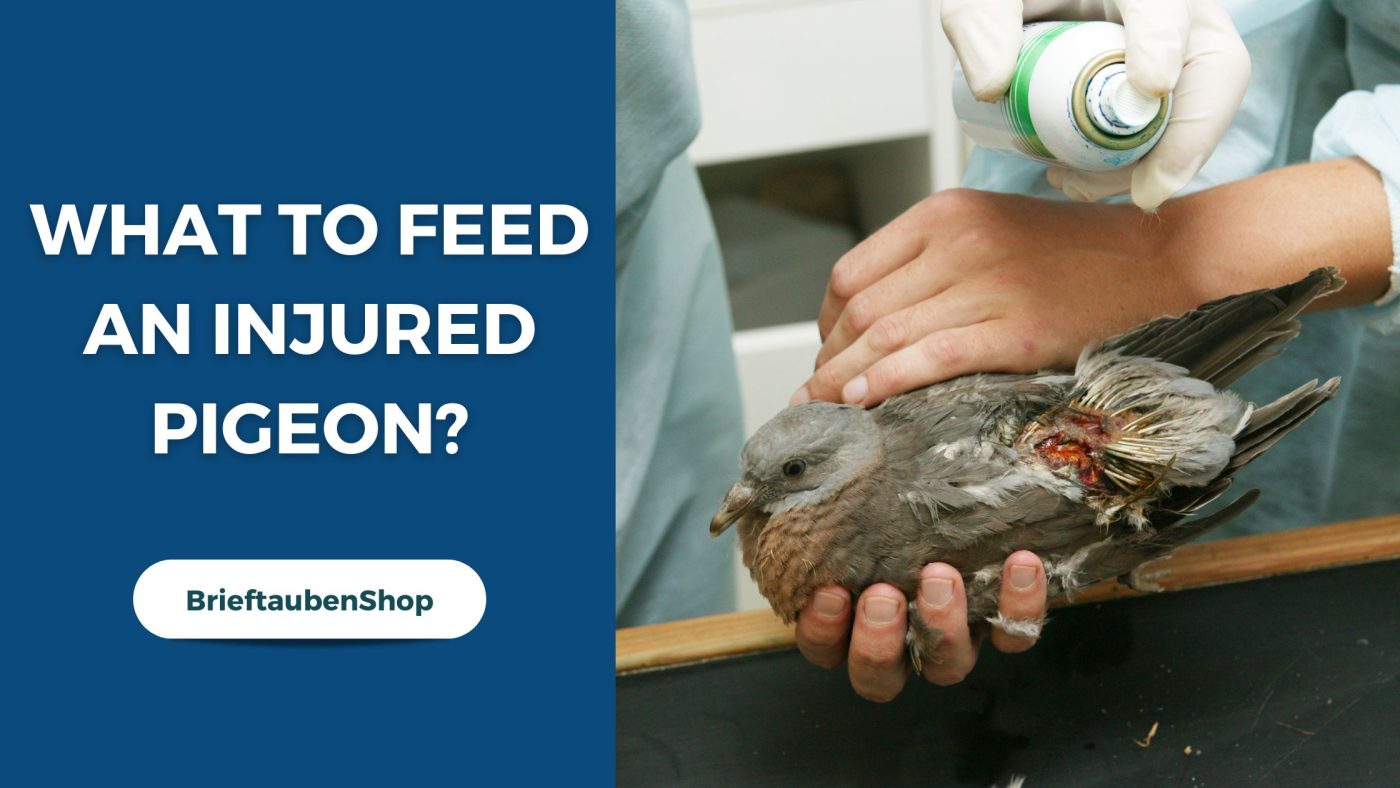
If you’ve found an injured bird, you want to help right away. But what should you feed it to make sure it gets stronger?
Giving the wrong food can do more harm than good. You might feel unsure or worried about what is safe and healthy for your feathered friend. This guide will clear up the confusion and show you exactly what foods can support your bird’s recovery.
Keep reading, because your quick actions and the right choices can make all the difference in saving a life.
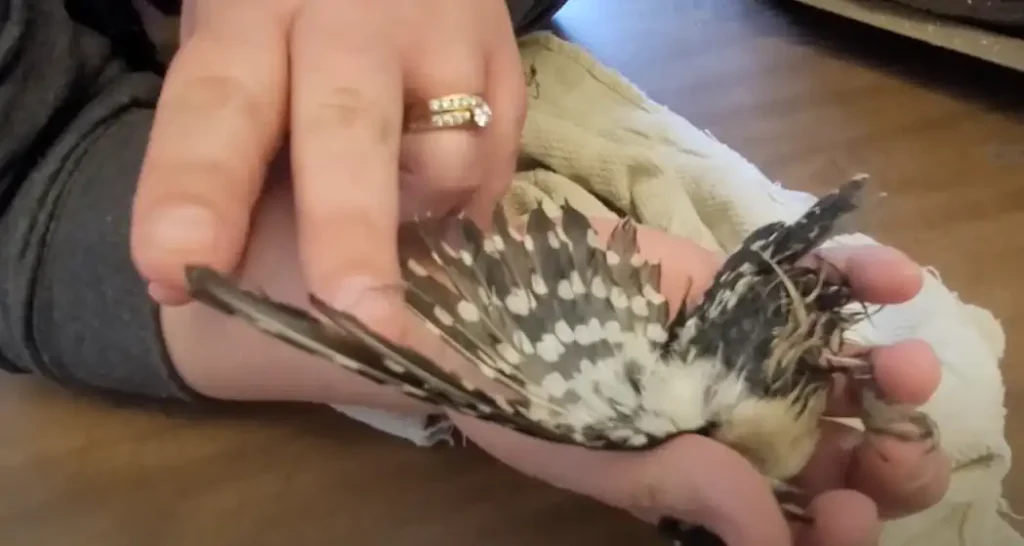
Credit: www.earthofbirds.com
Signs Of An Injured Bird
Noticing the signs of an injured bird is the first crucial step before deciding what foods to offer. Birds often hide their pain, so you need to watch closely for subtle clues. Identifying these signs quickly can make a big difference in their recovery.
Physical Injuries To Watch For
Look for visible wounds like cuts, broken wings, or damaged feathers. Swelling or bleeding are clear signals that the bird needs immediate care. Sometimes, the bird might limp or be unable to fly, showing physical distress you can’t ignore.
I once found a small sparrow that couldn’t fly because its wing was bent oddly. Recognizing this helped me act fast and provide the right food and environment for healing.
Behavioral Changes
Injured birds often behave differently than usual. They might be unusually quiet, less active, or seem disoriented. Sometimes, they avoid food or water, which is a serious concern.
Have you ever noticed a bird that normally chirps loudly suddenly staying silent? That silence might be its way of hiding pain or fear. Watching these changes helps you understand their condition better and adjust their diet to support healing.
Nutritional Needs Of Injured Birds
Feeding an injured bird the right nutrients can make a huge difference in its recovery. Your bird’s body needs specific support to heal wounds, regain strength, and fight infections. Understanding these nutritional needs helps you provide the best care during this critical time.
Key Nutrients For Healing
Protein is essential because it helps repair tissues and build new cells. Look for foods rich in protein like cooked eggs, mealworms, or soft beans.
Vitamins A and E play a big role in skin and feather repair. Adding small amounts of dark leafy greens or carrots can boost these vitamins.
Calcium supports bone healing, which is crucial if your bird has fractures. You can provide crushed eggshells or calcium supplements designed for birds.
Don’t forget antioxidants like vitamin C, which reduce inflammation and speed healing. Fresh fruits such as berries or small pieces of apple can help here.
Hydration Importance
Water is often overlooked but is vital for healing. Dehydration slows down recovery and can lead to other health problems.
Always keep fresh, clean water available. If your bird is reluctant to drink, try offering water through a syringe or mixing water-rich foods like soaked seeds and fruits.
Have you noticed how a simple drop of water can revive an exhausted bird? Hydration might be the easiest way to support healing every day.
Safe Foods For Injured Birds
Feeding an injured bird the right foods helps it heal faster. Birds need easy-to-digest, nutritious foods during recovery. Safe foods support their energy and immune system. Avoid anything that might upset their stomach or delay healing.
Fruits And Vegetables
Fresh fruits and vegetables provide essential vitamins and water. Choose soft, ripe options to make eating easier for the bird. Avoid citrus fruits and anything with seeds that can choke.
- Chopped apples (no seeds)
- Bananas
- Blueberries
- Cooked carrots
- Peas
- Leafy greens like spinach or kale
Seeds And Grains
Seeds and grains offer energy and help maintain strength. Opt for small, easy-to-eat types and avoid hard or large seeds. Soaking seeds slightly softens them for easier digestion.
- Millet
- Sunflower seeds (shelled)
- Cooked rice
- Oats
- Quinoa
Protein Sources
Protein helps repair tissues and build muscle. Provide cooked, plain protein without spices or salt. Avoid raw or processed meats to prevent illness.
- Boiled egg (chopped)
- Cooked chicken pieces
- Mealworms
- Cooked lentils or beans (softened)

Credit: www.youtube.com
Foods To Avoid
Feeding an injured bird requires more than just offering food; it demands careful avoidance of harmful items that could worsen the bird’s condition. Knowing what foods to steer clear of is crucial for its recovery. Let’s break down the main categories of foods you should never feed an injured bird.
Toxic Foods
Some everyday foods can be deadly to birds. Avoid giving your injured bird anything containing:
- Avocado:Contains persin, which is highly toxic to many bird species.
- Chocolate:Contains theobromine and caffeine, substances that can cause heart problems and seizures.
- Onions and garlic:These can damage red blood cells and cause anemia.
- Alcohol and caffeine:Both disrupt the bird’s nervous system and can lead to serious complications.
Have you ever thought a harmless snack could harm an animal so much? Keeping these off the menu is a lifesaver.
Hard-to-digest Items
Injured birds need easy-to-digest foods to avoid stressing their digestive systems. Stay away from:
- Seeds with hard shells:Sunflower seeds or other large seeds can be tough to break down, especially if the bird is weak.
- Uncooked grains or legumes:These take time to digest and might cause digestive upset.
- Fatty or fried foods:These can upset the bird’s stomach and slow down recovery.
Instead, opt for soft, easily digestible options that provide quick energy without taxing their system.
Preparing Food For Injured Birds
Feeding an injured bird requires more than just offering any food. You need to prepare it carefully to support healing and avoid causing more harm. The right preparation can make feeding easier for the bird and help it regain strength faster.
Proper Food Size And Texture
Size matters a lot when feeding an injured bird. Too large pieces can choke or hurt the bird’s mouth, especially if it has an injury. Cut or mash food into small, manageable bits that the bird can easily swallow.
Texture plays a crucial role as well. Soft, moist foods are easier to eat and digest. Think of blending fruits, softening seeds, or offering soaked pellets instead of dry, hard ones. Have you noticed how a tiny bird struggles with dry seeds? Softening them can make a huge difference.
Feeding Techniques
Feeding an injured bird requires patience and care. Use tools like tweezers or a small spoon to offer food gently. Avoid forcing the bird’s beak open; instead, let it take food willingly.
Keep the bird calm during feeding by speaking softly and moving slowly. Small, frequent feedings often work better than large meals. Have you tried hand-feeding a bird? It’s all about building trust and making the process stress-free for both of you.

Credit: www.brieftaubenshop.de
Supplemental Care Tips
Providing supplemental care to an injured bird can make a big difference in its recovery. Besides offering the right foods, you need to think about adding essential nutrients and knowing when professional help is necessary. These tips will help you support the bird’s healing process more effectively.
Vitamins And Minerals
Vitamins and minerals play a crucial role in healing. Injured birds often need extra calcium to support bone repair and vitamin A to boost their immune system. You can add crushed eggshells or small amounts of kale to their diet for calcium.
It’s important to avoid over-supplementing, though. Too much vitamin can harm rather than help. A balanced approach, such as offering a variety of fruits and vegetables like carrots and berries, ensures the bird gets a mix of nutrients without risking toxicity.
When To Consult A Wildlife Expert
Knowing when to reach out for expert help can save the bird’s life. If the bird shows signs of severe injury, such as broken wings or inability to eat, don’t hesitate to contact a wildlife rehabilitator. These professionals have the tools and knowledge to provide the best care.
Have you ever wondered if your care is enough? When you’re unsure about the bird’s condition or how to treat it, a quick call to a specialist can prevent mistakes. Remember, some injuries need more than just food—they require medical treatment only an expert can provide.
Frequently Asked Questions
What Foods Are Safe For Injured Birds To Eat?
Soft, easily digestible foods like soaked dog kibble, cooked rice, and mealworms are safe. Avoid seeds and hard foods that may harm their beaks.
Can Injured Birds Eat Fruits And Vegetables?
Yes, small pieces of soft fruits like apples, bananas, and berries are good. Avoid citrus fruits and ensure food is pesticide-free.
How Often Should I Feed An Injured Bird?
Feed small amounts every 2-3 hours during the day. Avoid overfeeding to prevent digestive issues and stress.
Is Water Important For Feeding An Injured Bird?
Yes, fresh water is essential to keep the bird hydrated. Provide water in a shallow dish they can easily access.
Conclusion
Feeding an injured bird needs careful thought and kindness. Choose soft, nutritious foods that help with healing. Fresh fruits, seeds, and insects work well. Avoid giving bread or dairy products. These can harm a bird’s health. Always offer clean water.
Observe the bird’s eating habits closely. This helps in understanding its needs better. Consult a wildlife expert if unsure about specific foods. Proper care helps the bird recover faster. Remember, your gentle care makes a big difference. Keep learning about wildlife to provide better aid.
Your efforts can help an injured bird fly again.