
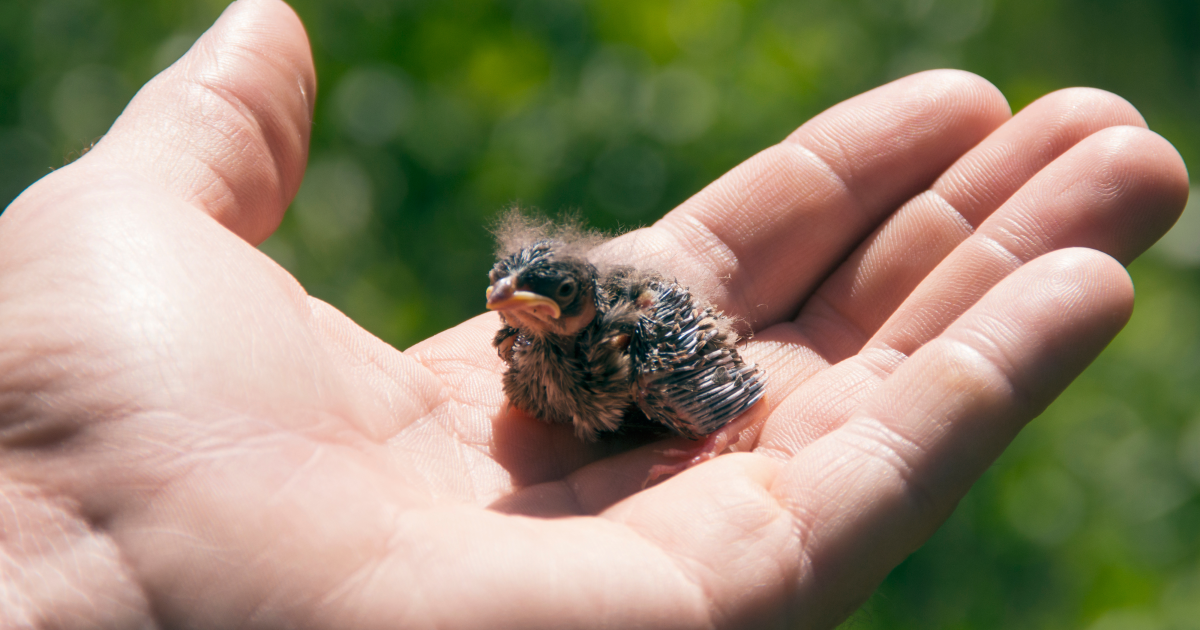
Are you caring for a newborn bird and wondering how much to feed it? Getting the feeding right is crucial for your little feathered friend’s growth and survival.
Too little food can leave the bird weak, while too much can cause serious health problems. You’ll discover simple, clear guidelines on how much to feed your newborn bird to keep it healthy and strong. Keep reading—you’ll find the answers you need to give your bird the best start in life.
Feeding Basics For Newborn Birds
Feeding a newborn bird can be a delicate task that requires attention and care. Understanding the basics helps you provide the right amount of food at the right time. This ensures your tiny feathered friend grows strong and healthy.
Determining Age And Species
Knowing the bird’s age is crucial because feeding needs change rapidly in the first few weeks. A hatchling needs more frequent meals than a fledgling. Different species also have unique dietary requirements; some eat insects while others rely on seeds or fruit.
For example, a baby parrot needs a formula rich in proteins and fats, while a finch chick may require a diet higher in seeds. If you’re unsure about the species, look for key features like beak shape and feather development. This can guide you toward the appropriate feeding schedule and food type.
Signs Of Hunger In Newborns
Newborn birds can’t tell you when they’re hungry, but their behavior speaks volumes. Watch for open mouths stretching upward—this is a classic sign that your bird needs feeding. You might also notice increased chirping or restlessness.
Sometimes, a hungry chick will flap its wings or nudge you gently. If you wait too long between feedings, the bird may become weak or lethargic, so timely attention is key. Are you noticing these signs clearly? Your ability to read your bird’s cues can make all the difference.

Credit: www.youtube.com
Choosing The Right Food
Choosing the right food is crucial for a newborn bird’s health and growth. Their tiny bodies need proper nutrients to develop strong bones and feathers. Feeding the wrong food can cause serious problems or slow their development. Understanding the options helps ensure a healthy start.
Commercial Formulas Vs. Natural Diets
Commercial formulas offer balanced nutrition designed for baby birds. They contain proteins, vitamins, and minerals in the right amounts. These formulas are easy to prepare and store. They reduce the risk of missing important nutrients.
Natural diets include insects, fruits, and seeds similar to what parent birds feed. These foods provide variety and natural enzymes. However, they require careful selection to avoid harmful bacteria or toxins. Natural diets can be harder to balance perfectly for newborns.
Choosing between commercial and natural options depends on your bird’s species and your experience. Many breeders prefer commercial formulas for their consistency and safety. Others use natural foods to mimic wild feeding habits closely.
Preparing Homemade Bird Formula
Homemade formulas allow control over ingredients and freshness. Common ingredients include boiled eggs, baby cereal, and fruit purees. Mixing these creates a soft, nutritious blend for feeding.
Keep these points in mind:
- Use fresh, clean water to mix the formula.
- Cook all ingredients thoroughly to kill germs.
- Blend until smooth to avoid choking hazards.
- Feed small amounts often to match the bird’s needs.
Homemade formulas need careful preparation to meet all nutrient needs. Consult a vet or bird expert before trying this option. Proper hygiene and storage are vital to prevent illness in newborn birds.
Feeding Frequency And Amounts
Feeding a newborn bird requires careful attention to both how often and how much you feed. The right feeding frequency ensures the bird gets enough energy and nutrients for healthy growth. Amounts need adjustment as the bird grows. Too little food can slow development. Too much can cause health problems. Understanding these basics helps provide proper care for your feathered friend.
Daily Feeding Schedule
Newborn birds need feeding many times a day. Their tiny stomachs can only hold small amounts. Feeding every 2 to 3 hours is common. During the first week, expect to feed about 8 to 12 times daily. As the bird grows, reduce feedings slowly. By the third week, feeding 4 to 6 times a day is enough.
Night feedings are often necessary at first. Gradually, the bird will sleep longer without feeding. Watch for signs of hunger like begging or restlessness.
Portion Sizes By Age
| Age | Portion Size per Feeding | Notes |
|---|---|---|
| Day 1-7 | 0.5 to 1 ml | Feed very small amounts often |
| Week 2 | 1 to 2 ml | Increase portions as appetite grows |
| Week 3 | 2 to 4 ml | Feed less often, larger portions |
| Week 4+ | 4 to 6 ml | Start introducing solid foods |
Portion size depends on bird species and health. Always observe the bird’s response. Stop feeding if the crop feels full or tight. Avoid overfeeding to prevent regurgitation or illness.
Proper Feeding Techniques
Feeding a newborn bird requires more than just providing the right food. Proper feeding techniques ensure the bird receives nutrients safely and comfortably. Handling these delicate creatures with care can make a big difference in their growth and health.
Using Syringes And Feeding Tools
Syringes are the most common tools for feeding newborn birds. They allow you to control the amount of food given and reduce the risk of overfeeding. Choose a syringe with a soft, rounded tip to avoid injuring the bird’s mouth.
Other feeding tools include small spoons or specialized bird feeding tubes. Each tool demands a gentle touch and patience. Have you noticed how the bird reacts to different tools? Adjust your technique based on its comfort level.
- Warm the food to about 100°F (38°C) before feeding to mimic natural conditions.
- Fill the syringe slowly to avoid air bubbles, which can cause choking.
- Hold the bird securely but gently to prevent stress during feeding.
Ensuring Safe Feeding Practices
Safety is vital when feeding newborn birds. Avoid force-feeding, as it can cause injury or stress. Instead, allow the bird to open its mouth naturally and feed slowly to prevent aspiration.
Keep the feeding area clean to stop infections. Wash your hands and sterilize tools before and after each feeding session. Did you know that even small amounts of unclean food can lead to serious health problems?
- Feed the bird in an upright position to help food settle correctly.
- Watch for signs of choking or discomfort and pause if needed.
- Never feed cold or spoiled food, as it can harm the bird’s digestive system.
Monitoring Growth And Health
Keeping a close eye on your newborn bird’s growth and health is crucial. Feeding isn’t just about quantity—it’s about making sure your little feathered friend is thriving. Monitoring helps catch issues early and ensures your bird develops strong and healthy.
Tracking Weight Gain
Weigh your bird daily using a small, accurate scale. Record the weight at the same time each day to spot trends clearly. Consistent weight gain indicates proper feeding and good health.
If you notice the weight stalls or drops, it’s a sign to reevaluate feeding amounts or consult a vet. Keep a simple chart or notebook with dates and weights—this visual can help you spot problems quickly.
Recognizing Feeding Problems
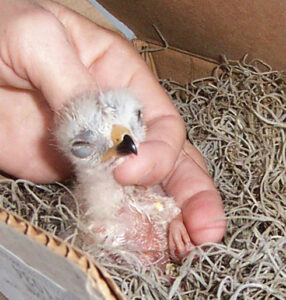
Watch for signs like a crop that stays full too long or empties too fast. These can mean your bird isn’t digesting food properly. Also, look for lethargy, weak posture, or unusual droppings, which often point to feeding issues.
Sometimes your bird may refuse food or show distress during feeding. Don’t ignore these signals—they often mean something needs adjustment. Have you noticed any sudden changes in your bird’s behavior during feeding sessions?
Credit: irishwildlifematters.ie
Common Feeding Challenges
Feeding a newborn bird isn’t always smooth sailing. You might encounter hurdles that make you question if you’re doing it right. These challenges can be frustrating, but they are often manageable with patience and the right approach.
Dealing With Refusal To Eat
Sometimes, your newborn bird may simply refuse to eat. This can happen if the food temperature is off or if the feeding method feels uncomfortable. Try adjusting the warmth of the formula—too cold or too hot can turn them away.
Also, consider the feeding tool. If you’re using a syringe or spoon, experiment with different sizes or shapes to find what your bird prefers. Have you noticed if your bird reacts differently to certain utensils or feeding angles?
Keep feeding attempts gentle and calm. Stress can make refusal worse, so create a quiet, cozy environment. Sometimes, a brief break before trying again helps reset their appetite.
Handling Digestive Issues
Digestive problems like diarrhea or constipation can be alarming. These issues often stem from incorrect formula consistency or feeding frequency. Thicker formulas can clog digestion, while overly watery mixtures might upset their stomach.
Pay close attention to how often and how much you feed. Overfeeding can cause bloating, while underfeeding leads to weakness. If your bird shows signs of discomfort, slow down and adjust the portion sizes.
Keep a clean feeding area and sterilize your tools to prevent infections. If digestive troubles persist, consulting a vet is crucial. Your bird’s health depends on quick and proper care.
Transitioning To Solid Foods
Transitioning a newborn bird to solid foods is a crucial stage in its development. This phase requires patience and attention to the bird’s cues. Getting it right ensures your little bird grows strong and healthy while enjoying new textures and flavors.
Signs Of Readiness
How do you know when your bird is ready for solid foods? Watch for increased curiosity in its surroundings and attempts to peck at objects. Your bird may also start to open its beak wider and show less interest in milk or formula.
Another clear sign is when the bird begins to sit more steadily and gains better control over its head and neck. These physical milestones help with swallowing and handling solid food safely. Ignoring these signs can lead to frustration for both you and your bird.
Introducing New Food Types
Start with soft, easy-to-digest foods like mashed fruits or soaked pellets. Mixing these with formula can ease the transition. Gradually reduce the amount of formula as the bird eats more solids.
Offer small amounts several times a day to avoid overwhelming your bird. Always observe its reactions—if it struggles or refuses, slow down the process. Remember, variety matters; try leafy greens, soft seeds, or finely chopped vegetables as your bird grows.

Credit: birdsnways.com
Frequently Asked Questions
How Often Should I Feed A Newborn Bird Daily?
Newborn birds typically need feeding every 20 to 30 minutes from dawn to dusk. Consistent feeding supports their rapid growth and development.
What Is The Ideal Amount To Feed A Newborn Bird?
Feed small, frequent amounts equal to the bird’s crop size. Overfeeding can cause health issues, while underfeeding slows growth.
What Type Of Food Is Best For Newborn Birds?
Use a specialized formula or soft, protein-rich foods like moistened dog food or insects. Avoid milk or bread, which harm birds.
How Can I Tell If A Newborn Bird Is Full?
A full crop feels soft and rounded but not hard. The bird will stop begging or open its mouth less eagerly.
Conclusion
Feeding a newborn bird requires care and attention. Small, frequent meals work best. Always check the bird’s crop for fullness. Consistency in feeding times helps maintain health. Use suitable food based on the bird’s type. Avoid overfeeding to prevent health issues.
Monitor growth and adjust portions as needed. Fresh water is essential for hydration. Clean feeding tools regularly for hygiene. Remember, patience and observation are key. With the right approach, your baby bird will thrive.